

Commentary
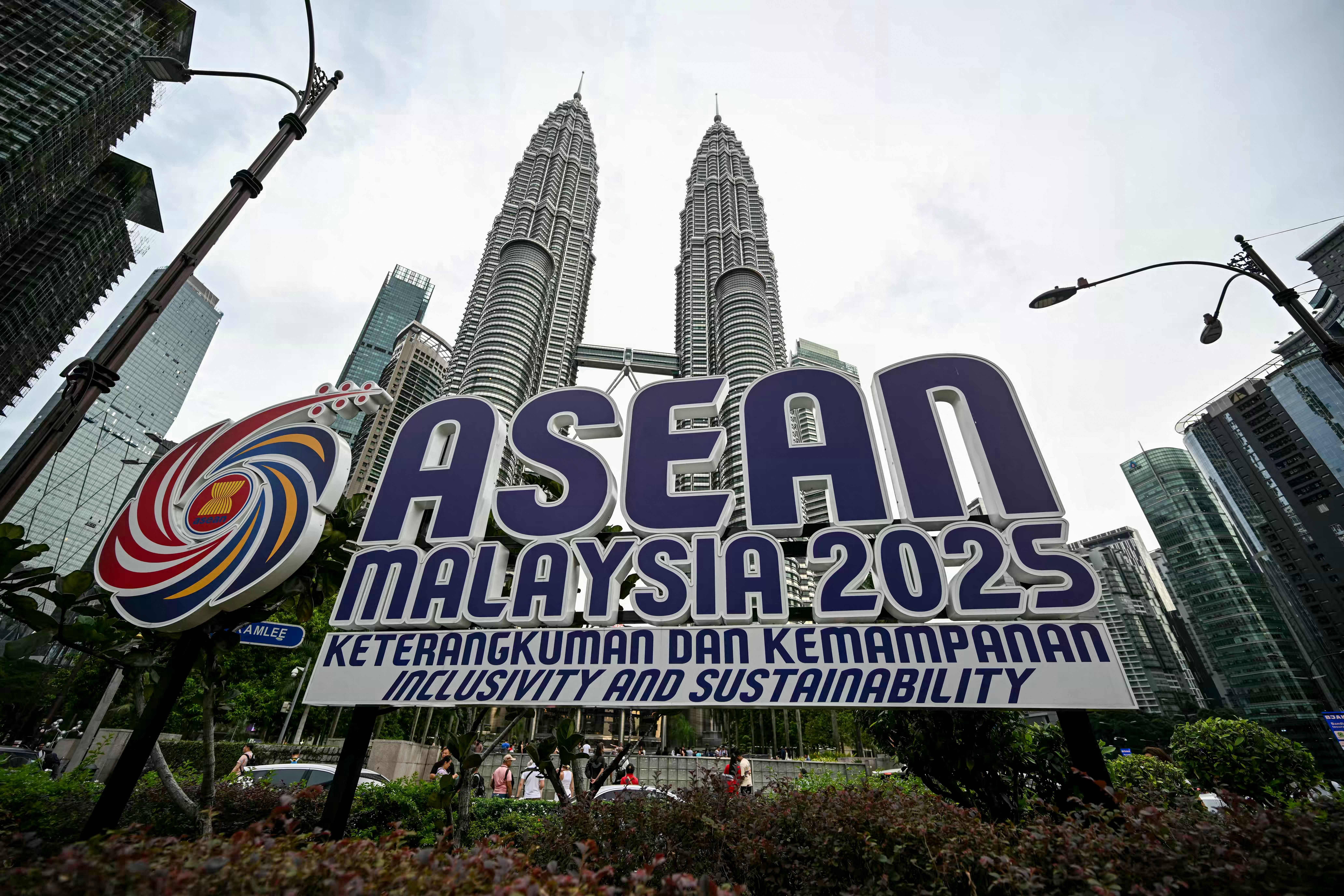
Malaysia’s chairmanship sought to fend off short-term challenges while laying the groundwork for minimizing ASEAN’s longer-term exposure to external stresses.
Elina Noor
{
  "authors": [
    "Andrew S. Weiss"
  ],
  "type": "legacyinthemedia",
  "centerAffiliationAll": "",
  "centers": [
    "Carnegie Endowment for International Peace",
    "Carnegie Russia Eurasia Center"
  ],
  "collections": [],
  "englishNewsletterAll": "",
  "nonEnglishNewsletterAll": "",
  "primaryCenter": "Carnegie Endowment for International Peace",
  "programAffiliation": "",
  "programs": [
    "Russia and Eurasia"
  ],
  "projects": [],
  "regions": [
    "North America",
    "United States",
    "Russia"
  ],
  "topics": [
    "Foreign Policy"
  ]
}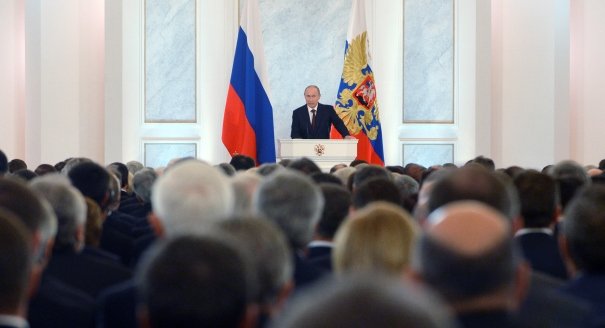
The Obama administration was correct to cancel the summit with Russian President Vladimir Putin because Russia had recently stonewalled Obama’s agenda.
Source: NPR’s Diane Rehm Show
Speaking on NPR’s Diane Rehm Show, Carnegie’s Andrew Weiss explained that President Barack Obama made the right choice in cancelling his summit with Russian President Vladimir Putin because Russia had stonewalled Obama’s agenda over the past several months. Given the already slim prospects for the summit, Russia’s handling of Edward Snowden showed that the Russian government was not willing to make serious progress on the issues, he said. Weiss described the Russian government’s growing anti-American and anti-gay rhetoric as an effort by Putin to reach out to “Ivan Sixpack”—the Russian political base—and portray his opponents as un-Russian.
This discussion was originally aired on NPR’s Diane Rehm Show.
Carnegie does not take institutional positions on public policy issues; the views represented herein are those of the author(s) and do not necessarily reflect the views of Carnegie, its staff, or its trustees.
Malaysia’s chairmanship sought to fend off short-term challenges while laying the groundwork for minimizing ASEAN’s longer-term exposure to external stresses.

Elina Noor
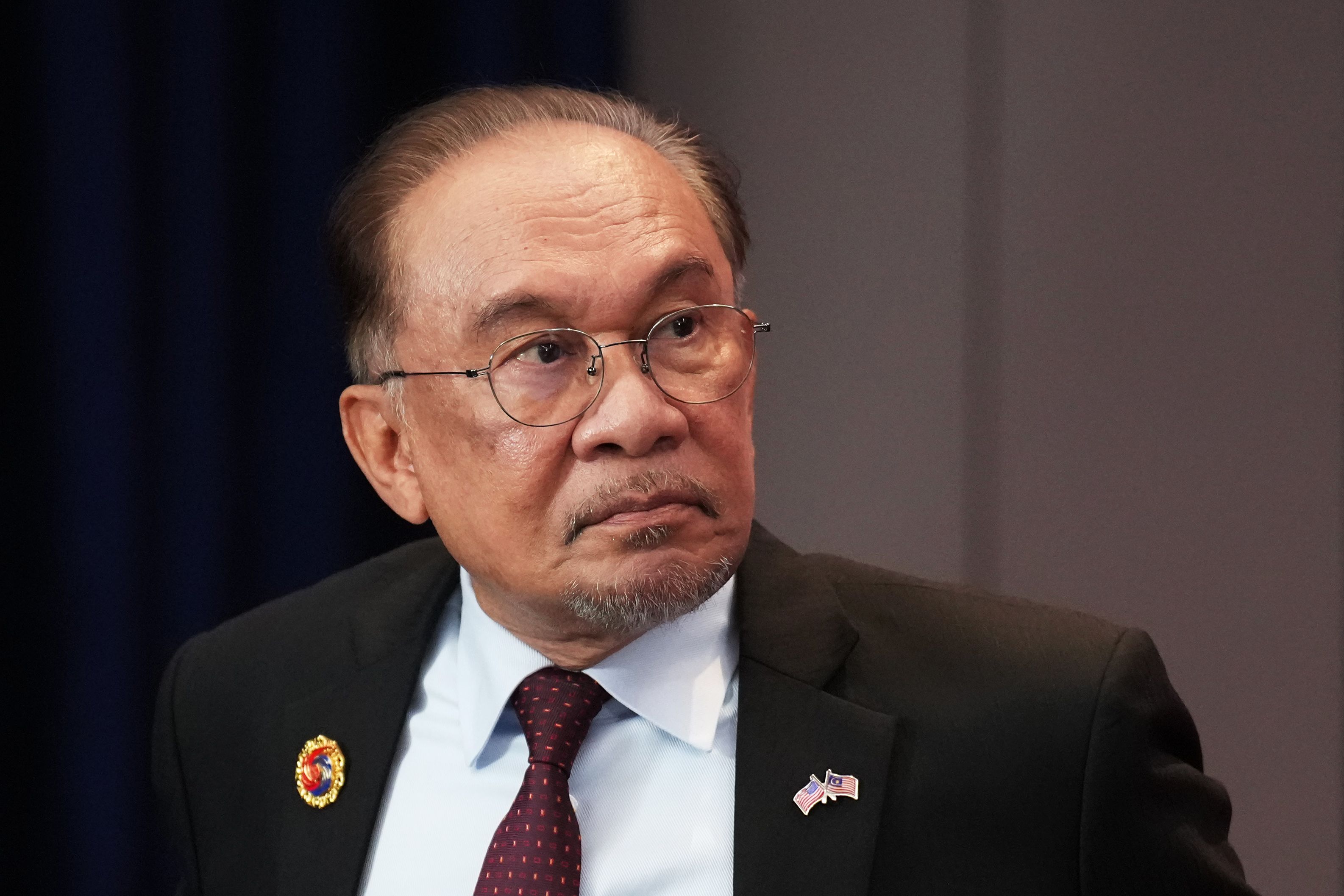
For Malaysia, the conjunction that works is “and” not “or” when it comes to the United States and China.
Elina Noor
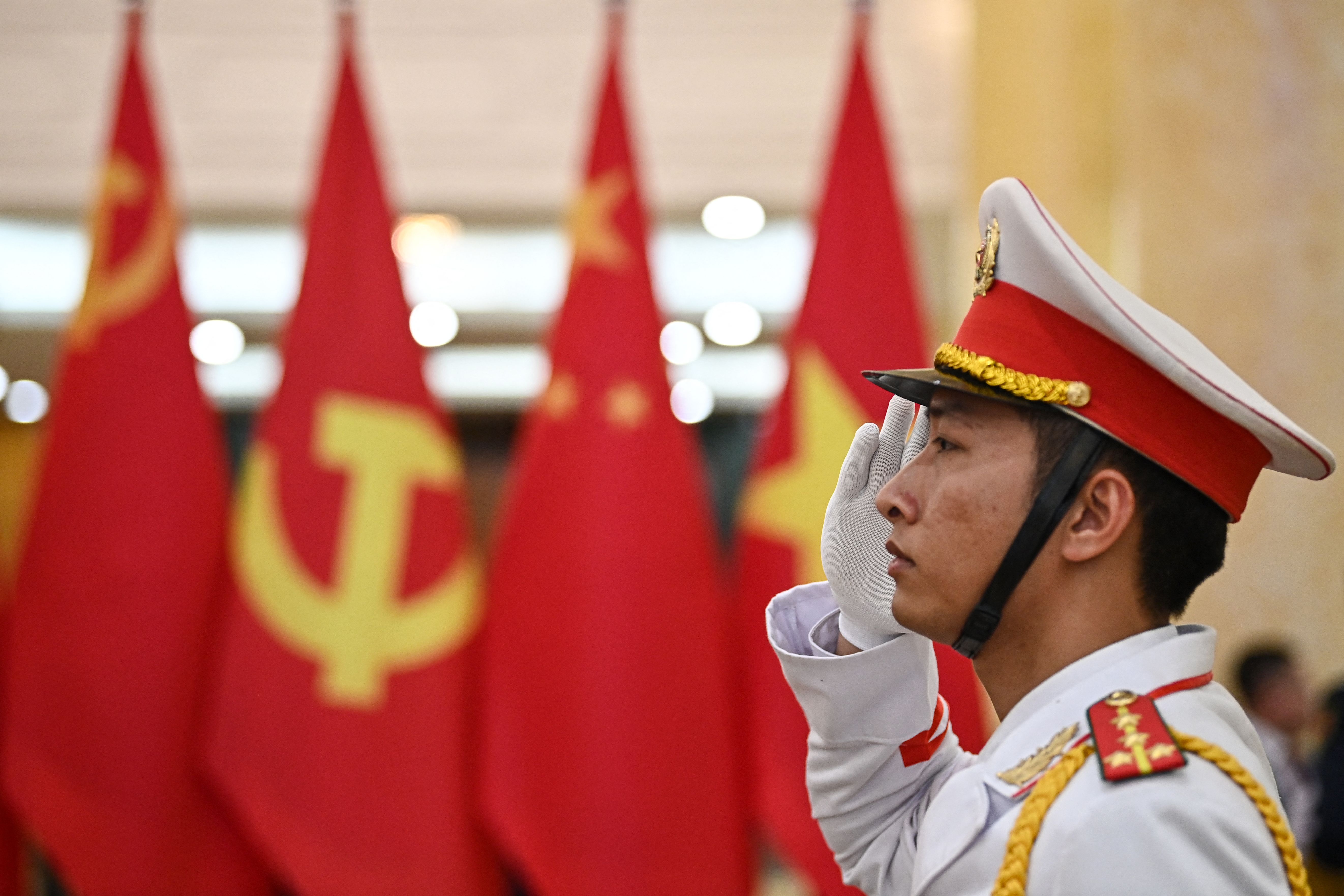
In July 2025, Vietnam and China held their first joint army drill, a modest but symbolic move reflecting Hanoi’s strategic hedging amid U.S.–China rivalry.

Nguyễn Khắc Giang

Regulation, not embargo, allows Beijing to shape how other countries and firms adapt to its terms.
Alvin Camba
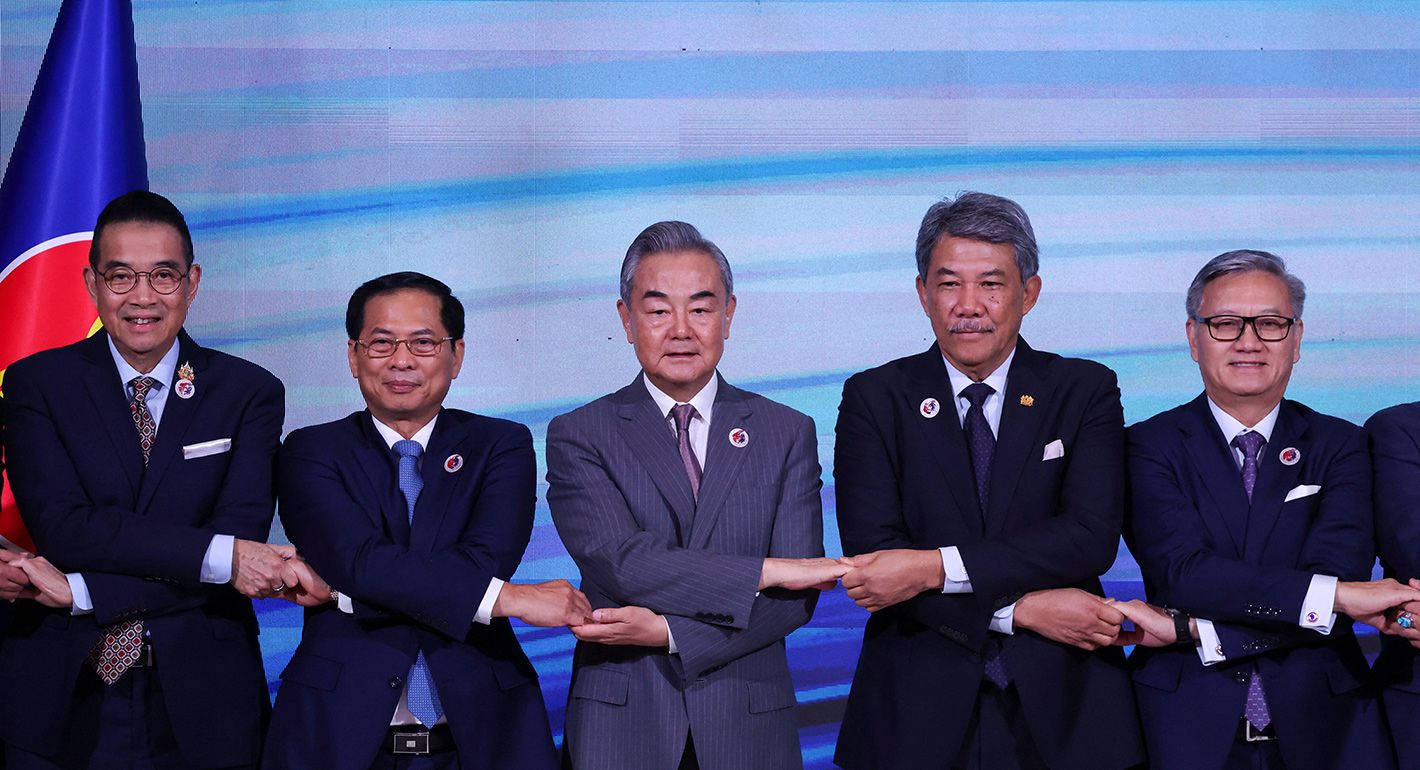
The Thai-Cambodian conflict highlights the limits to China's peacemaker ambition and the significance of this role on Southeast Asia’s balance of power.

Pongphisoot (Paul) Busbarat