

Commentary
Malaysia’s chairmanship sought to fend off short-term challenges while laying the groundwork for minimizing ASEAN’s longer-term exposure to external stresses.
Elina Noor
{
  "authors": [],
  "type": "pressRelease",
  "centerAffiliationAll": "",
  "centers": [
    "Carnegie Endowment for International Peace"
  ],
  "collections": [],
  "englishNewsletterAll": "",
  "nonEnglishNewsletterAll": "",
  "primaryCenter": "Carnegie Endowment for International Peace",
  "programAffiliation": "",
  "programs": [],
  "projects": [],
  "regions": [],
  "topics": []
}
REQUIRED IMAGE
Ratan N. Tata, chairman of Tata Trusts, joins the board of trustees of the Carnegie Endowment for International Peace.
WASHINGTON—The board of trustees of the Carnegie Endowment for International Peace announced today the addition of Ratan N. Tata, chairman of Tata Trusts.
“We are extremely proud to welcome Ratan to our board of trustees,” said Harvey V. Fineberg, chairman of the board. “Ratan has an unparalleled knowledge of the global economy, as well as the business sector in one of the world’s most important emerging economies. He has enormous experience managing large organizations, and I know he will be a tremendous asset for Carnegie.”
Ratan N. Tata was the chairman of Tata Sons, the holding company of the Tata Group, from 1991 until his retirement at the end of 2012. He was also chairman of the major Tata companies, including Tata Motors, Tata Steel, Tata Consultancy Services, Tata Power, Tata Global Beverages, Tata Chemicals, Indian Hotels, and Tata Teleservices. During his tenure, the group’s revenues grew to over $100 billion annually.
Tata is chairman of two of the largest private-sector-promoted philanthropic trusts in India. He is also a member of the Indian Prime Minister’s Council on Trade and Industry.
Tata received a bachelor of architecture degree from Cornell University in 1962. He worked briefly with Jones and Emmons in Los Angeles before returning to India in late 1962. He completed the Advanced Management Program at Harvard Business School in 1975.
“We are honored to welcome Ratan to Carnegie’s board,” said Carnegie President Jessica T. Mathews. “As we continue to develop the world’s first truly global think tank, including establishing a South Asia Center in New Delhi, I can think of few better people to help us in that mission.”
View the full list of trustees.
Press Contact: Clara Hogan | +1 202 939 2233 | chogan@ceip.org
The Carnegie Endowment for International Peace is a unique global network of policy research centers in Russia, China, Europe, the Middle East, and the United States. Our mission, dating back more than a century, is to advance the cause of peace through analysis and development of fresh policy ideas and direct engagement and collaboration with decisionmakers in government, business, and civil society. Working together, our centers bring the inestimable benefit of multiple national viewpoints to bilateral, regional, and global issues.
Carnegie does not take institutional positions on public policy issues; the views represented herein are those of the author(s) and do not necessarily reflect the views of Carnegie, its staff, or its trustees.
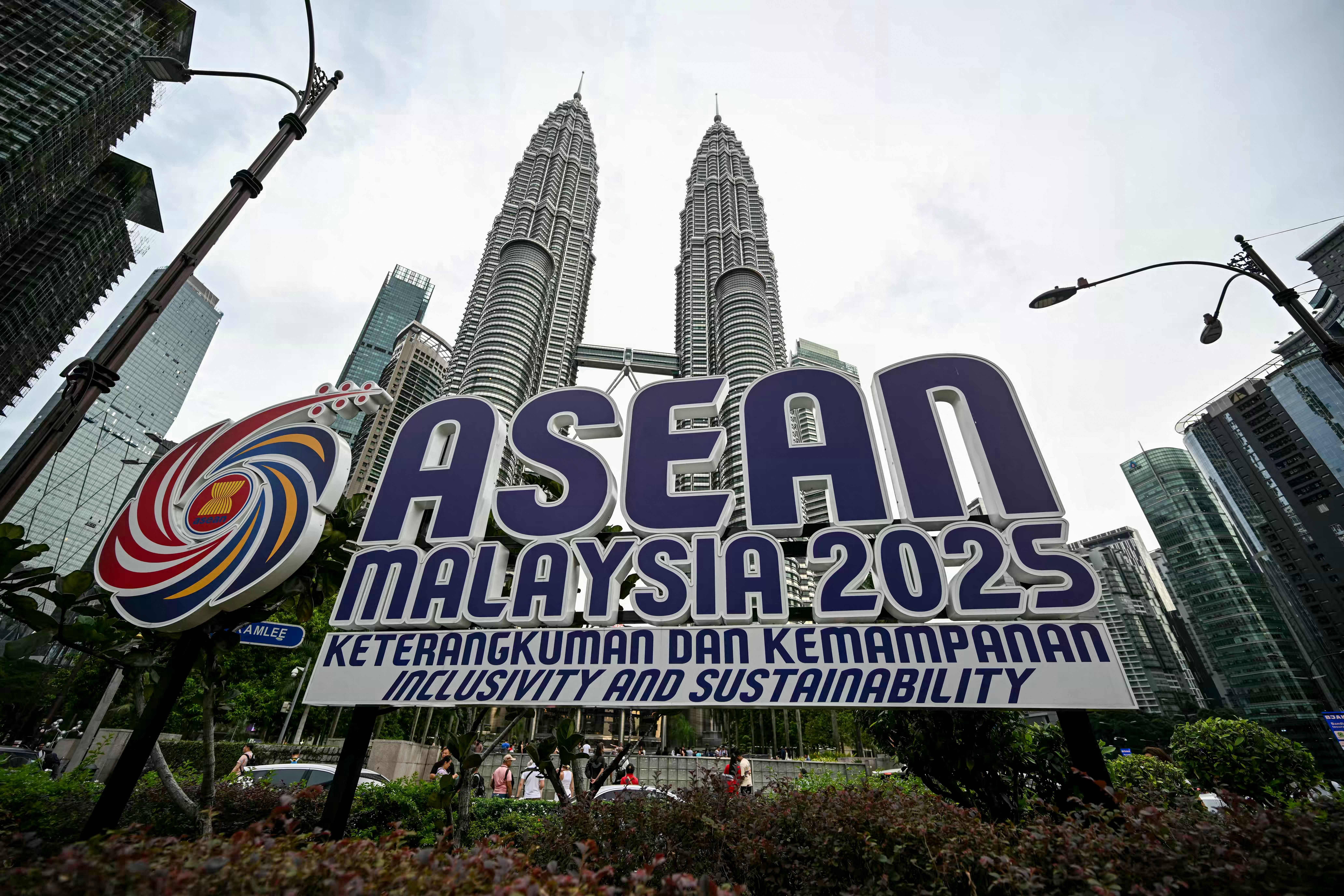
Malaysia’s chairmanship sought to fend off short-term challenges while laying the groundwork for minimizing ASEAN’s longer-term exposure to external stresses.
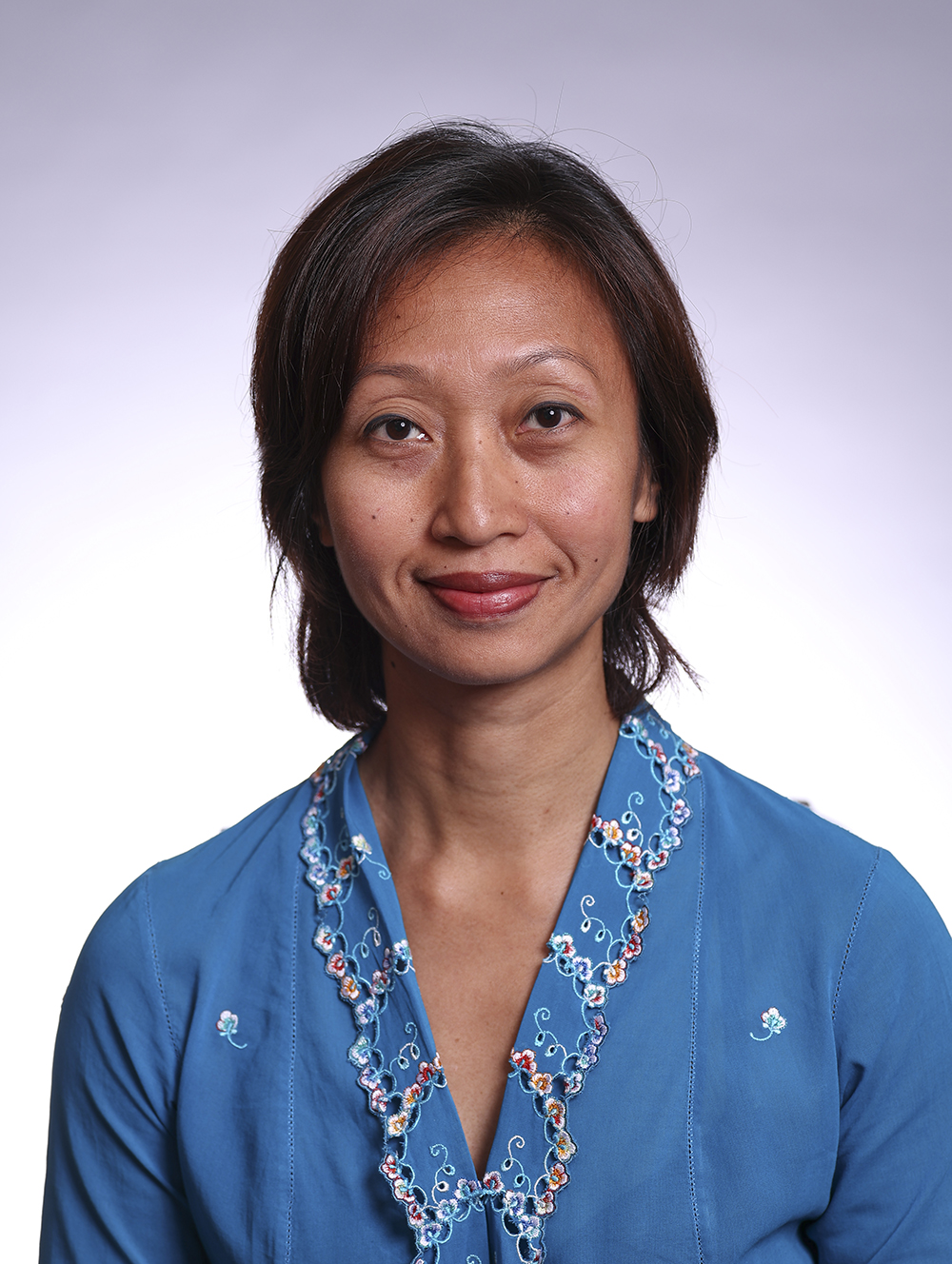
Elina Noor
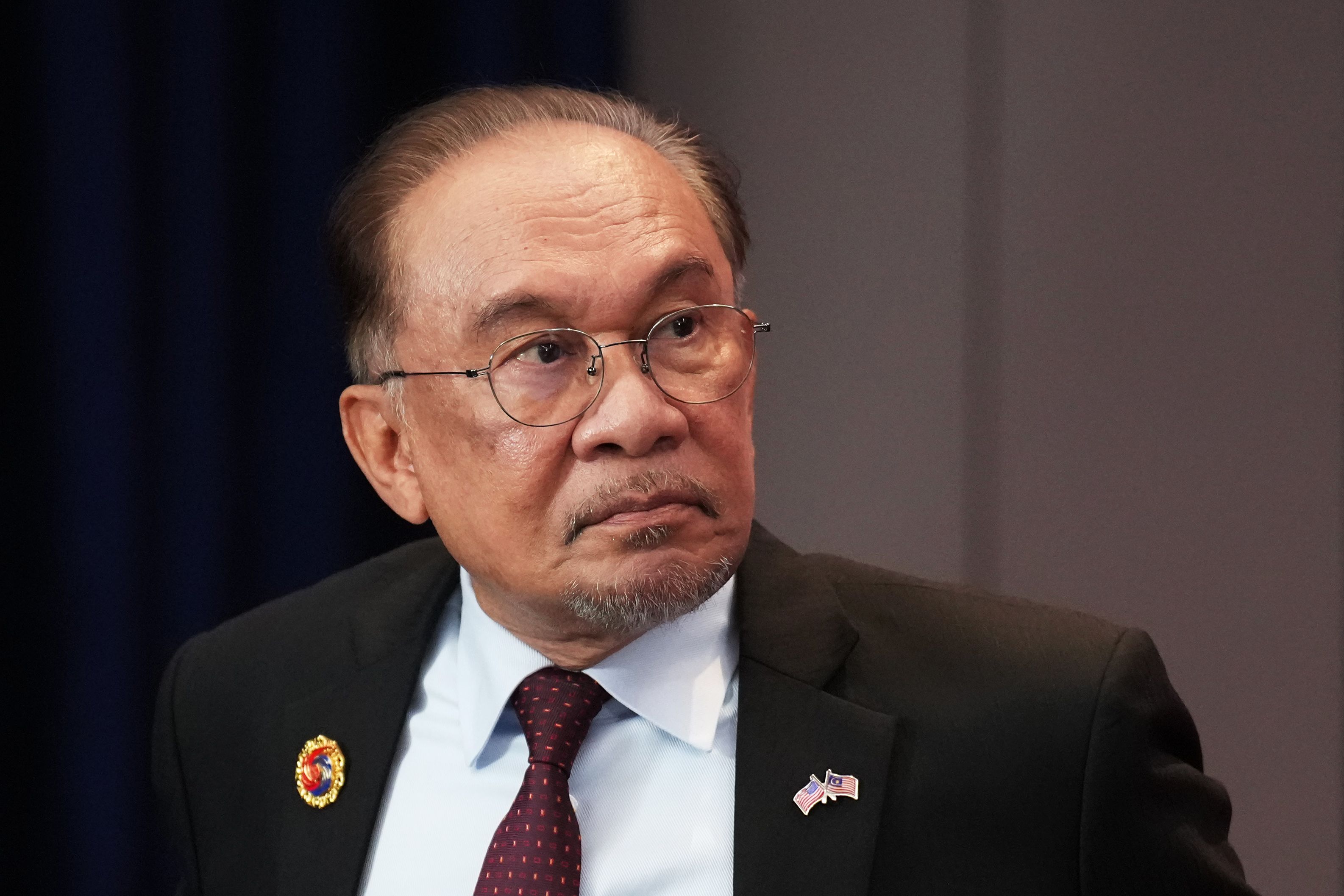
For Malaysia, the conjunction that works is “and” not “or” when it comes to the United States and China.
Elina Noor

ASEAN needs to determine how to balance perpetuating the benefits of technology cooperation with China while mitigating the risks of getting caught in the crosshairs of U.S.-China gamesmanship.
Elina Noor

Damien Ma is taking the helm as director of Carnegie China, the Carnegie Endowment’s East Asia-based research center.
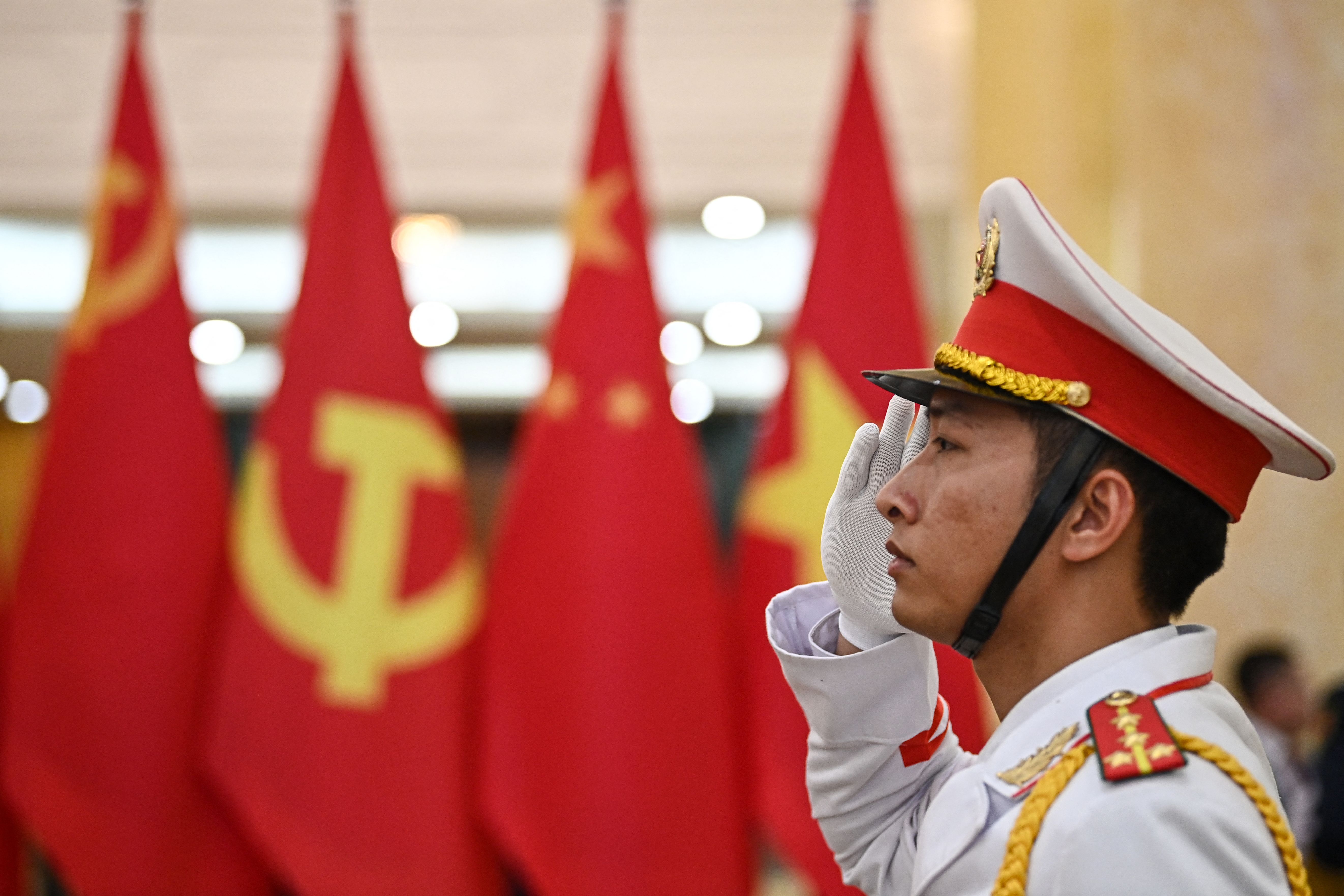
In July 2025, Vietnam and China held their first joint army drill, a modest but symbolic move reflecting Hanoi’s strategic hedging amid U.S.–China rivalry.
Nguyễn Khắc Giang