

Commentary
For Malaysia, the conjunction that works is “and” not “or” when it comes to the United States and China.
Elina Noor
{
  "authors": [
    "Wang Tao"
  ],
  "type": "legacyinthemedia",
  "centerAffiliationAll": "",
  "centers": [
    "Carnegie Endowment for International Peace",
    "Carnegie China"
  ],
  "collections": [],
  "englishNewsletterAll": "",
  "nonEnglishNewsletterAll": "",
  "primaryCenter": "Carnegie China",
  "programAffiliation": "",
  "programs": [],
  "projects": [],
  "regions": [
    "East Asia",
    "China"
  ],
  "topics": [
    "Climate Change"
  ]
}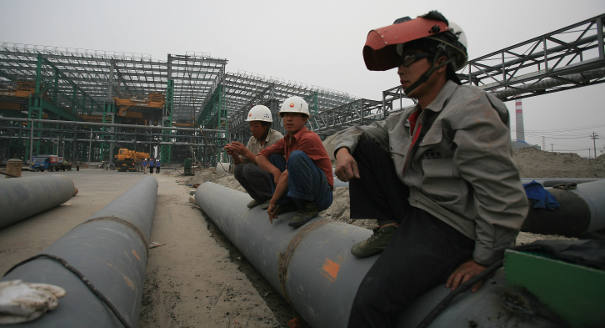
As continued air pollution forces the closure of factories in northern China, numerous questions remain about the effectiveness of these regulations.
Source: CCTV News
147 industrial companies have cut or suspended production in an effort to combat high levels of smog over the last week. Carnegie-Tsinghua’s Wang Tao appeared on CCTV English to discuss the effectiveness of this move. Wang explained that reduced industrial output, while essential to curbing the source of the smog, would not have a significant effect on the smog already present in northeastern China. Stricter enforcement of higher emissions standards is necessary to ensure that factories comply with regulations, and help reduce pollution over the long term. Wang concluded that more attention must be paid to local sources of pollution, such as transportation, in order to reach a sustainable solution to the air pollution problem.
Carnegie does not take institutional positions on public policy issues; the views represented herein are those of the author(s) and do not necessarily reflect the views of Carnegie, its staff, or its trustees.

For Malaysia, the conjunction that works is “and” not “or” when it comes to the United States and China.

Elina Noor

ASEAN needs to determine how to balance perpetuating the benefits of technology cooperation with China while mitigating the risks of getting caught in the crosshairs of U.S.-China gamesmanship.
Elina Noor
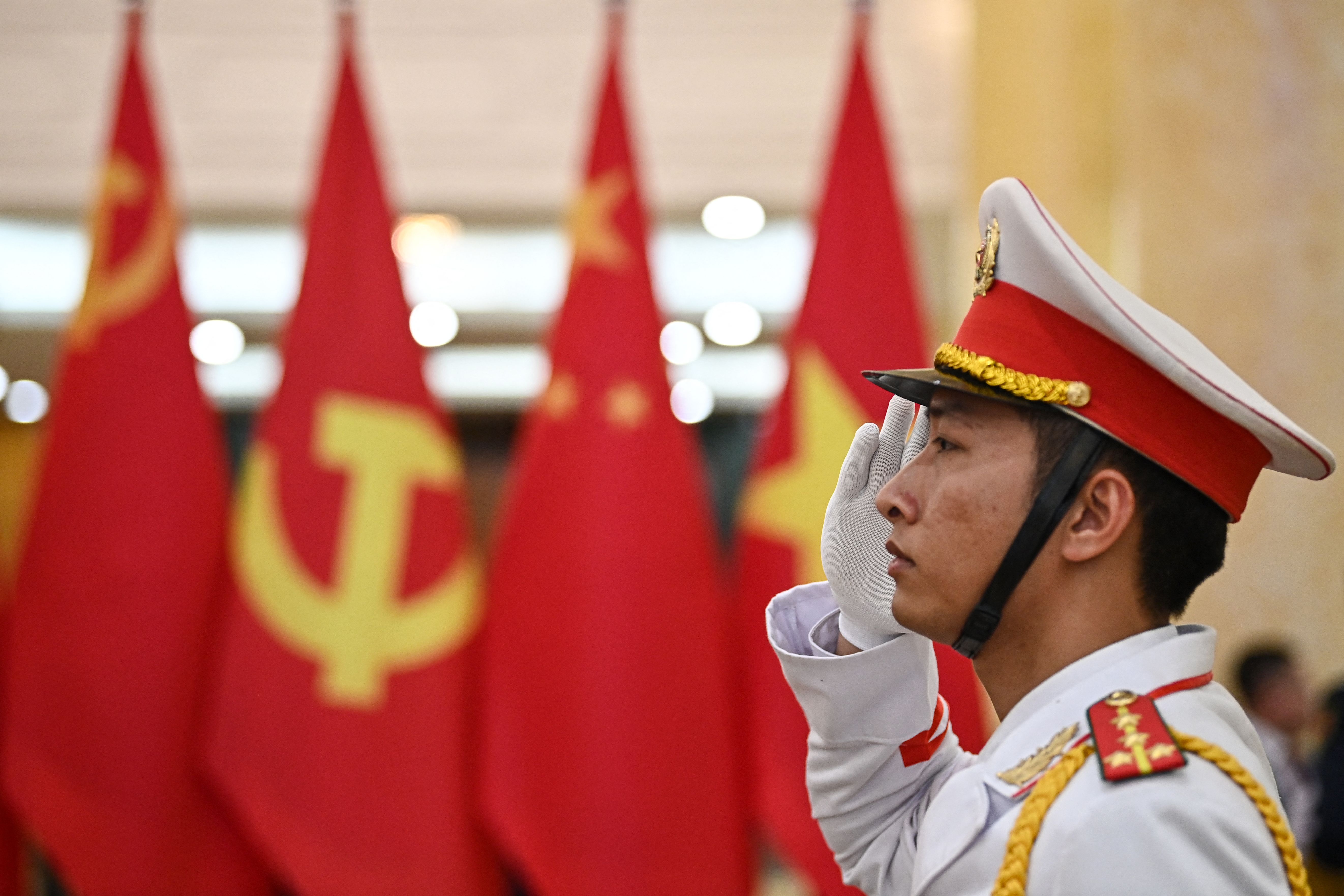
In July 2025, Vietnam and China held their first joint army drill, a modest but symbolic move reflecting Hanoi’s strategic hedging amid U.S.–China rivalry.

Nguyễn Khắc Giang

Regulation, not embargo, allows Beijing to shape how other countries and firms adapt to its terms.

Alvin Camba

Rather than climate ambitions, compatibility with investment and exports is why China supports both green and high-emission technologies.

Mathias Larsen