Commentary
GDP growth means something fundamentally different in China than in most countries.
Michael Pettis
{
  "authors": [
    "David Livingston"
  ],
  "type": "other",
  "centerAffiliationAll": "",
  "centers": [
    "Carnegie Endowment for International Peace"
  ],
  "collections": [],
  "englishNewsletterAll": "",
  "nonEnglishNewsletterAll": "",
  "primaryCenter": "Carnegie Endowment for International Peace",
  "programAffiliation": "",
  "programs": [],
  "projects": [
    "Carnegie Oil Initiative"
  ],
  "regions": [
    "East Asia"
  ],
  "topics": [
    "Climate Change"
  ]
}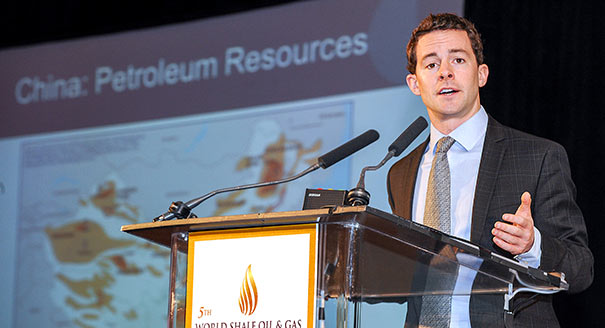
Prospective shale countries in the Asia Pacific region are in a global competition for talent, technology, capital, and industry attention.
Source: World Shale Oil and Gas Summit
David Livingston spoke at the World Shale Oil and Gas Summit, where he addressed the outlook for unconventional hydrocarbons in Asia, the need to fill data and policy gaps, as well as the geopolitical implications of increasing unconventional oil production in the Asia-Pacific region. He later participated in a panel with government officials from Australia, China, and India to discuss these issues as applied to individual country cases.
This presentation was originally given at the World Shale and Oil Gas Summit.
Carnegie does not take institutional positions on public policy issues; the views represented herein are those of the author(s) and do not necessarily reflect the views of Carnegie, its staff, or its trustees.

GDP growth means something fundamentally different in China than in most countries.

Michael Pettis
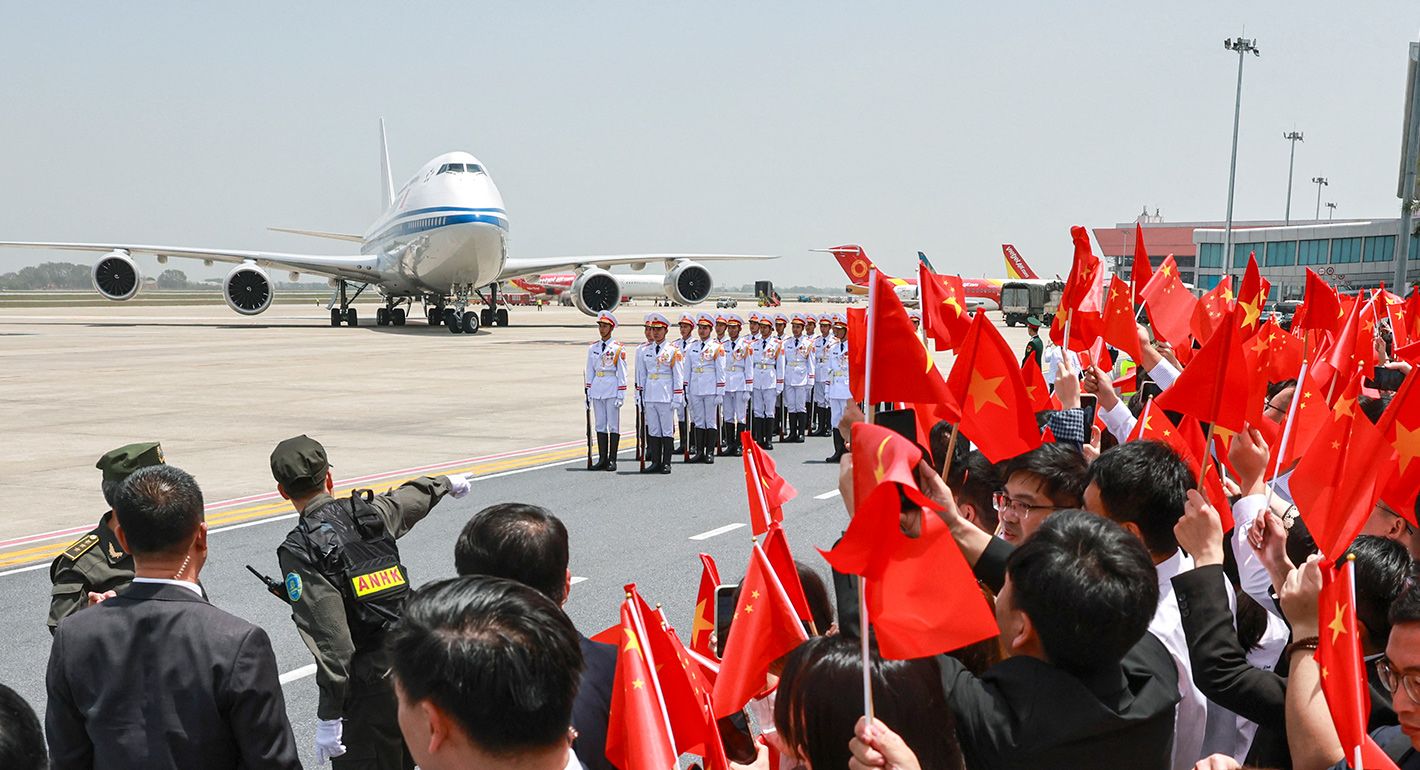
The Trump administration’s effort to reshape the global trading system and reset overseas security commitments is creating an historic inflection point. Less clear is how far China will be able to capitalize on these dynamics.

Li Mingjiang, Le Hong Hiep, Ngeow Chow Bing, …

Most Southeast Asian states behave as if the actions of their Northeast Asian neighbors and the Philippines will be sufficient to maintain a regional status quo from which they can benefit.

Chong Ja Ian
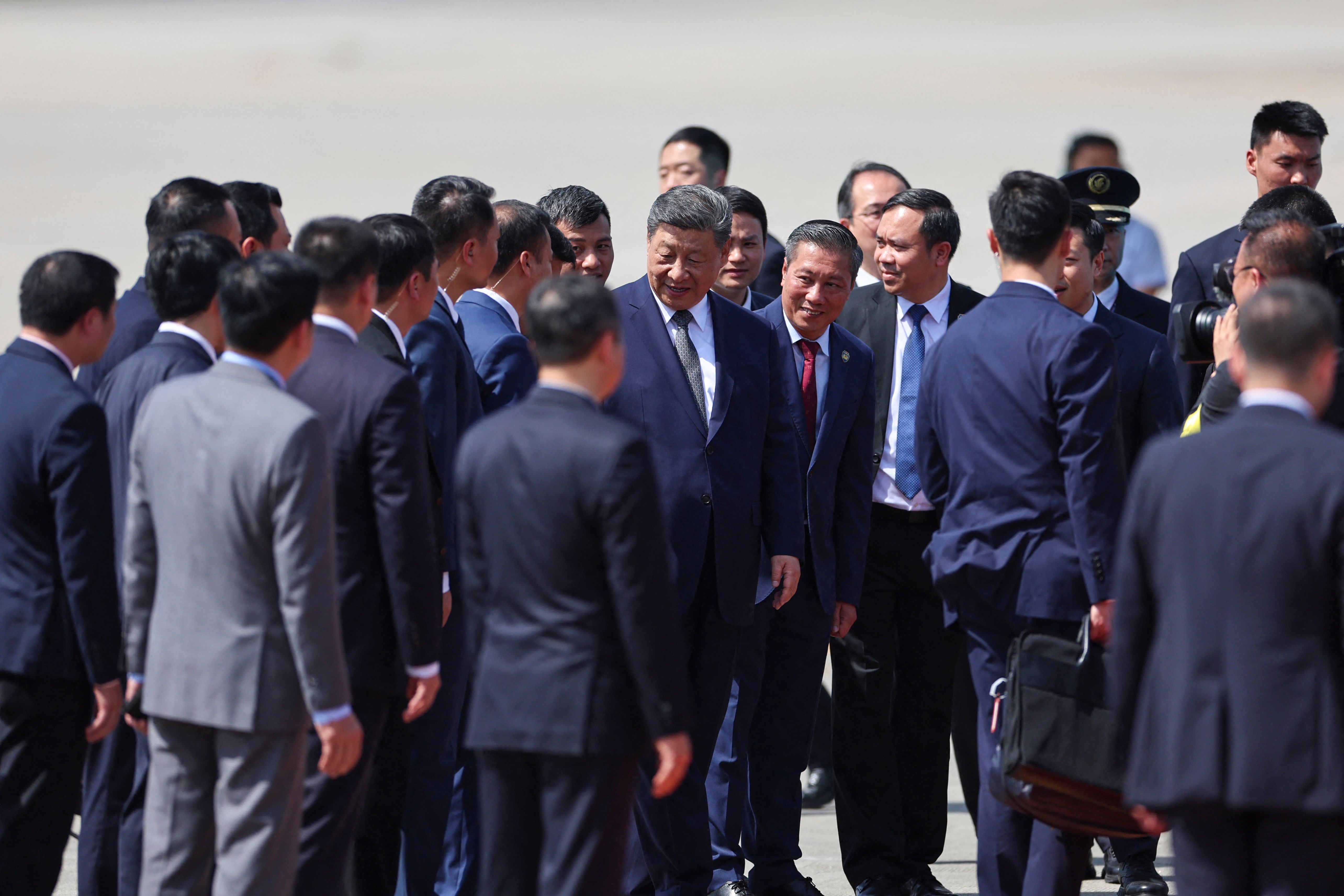
A Q&A series where we ask scholars from Southeast Asia for their insights on China’s influence and relations with the region.
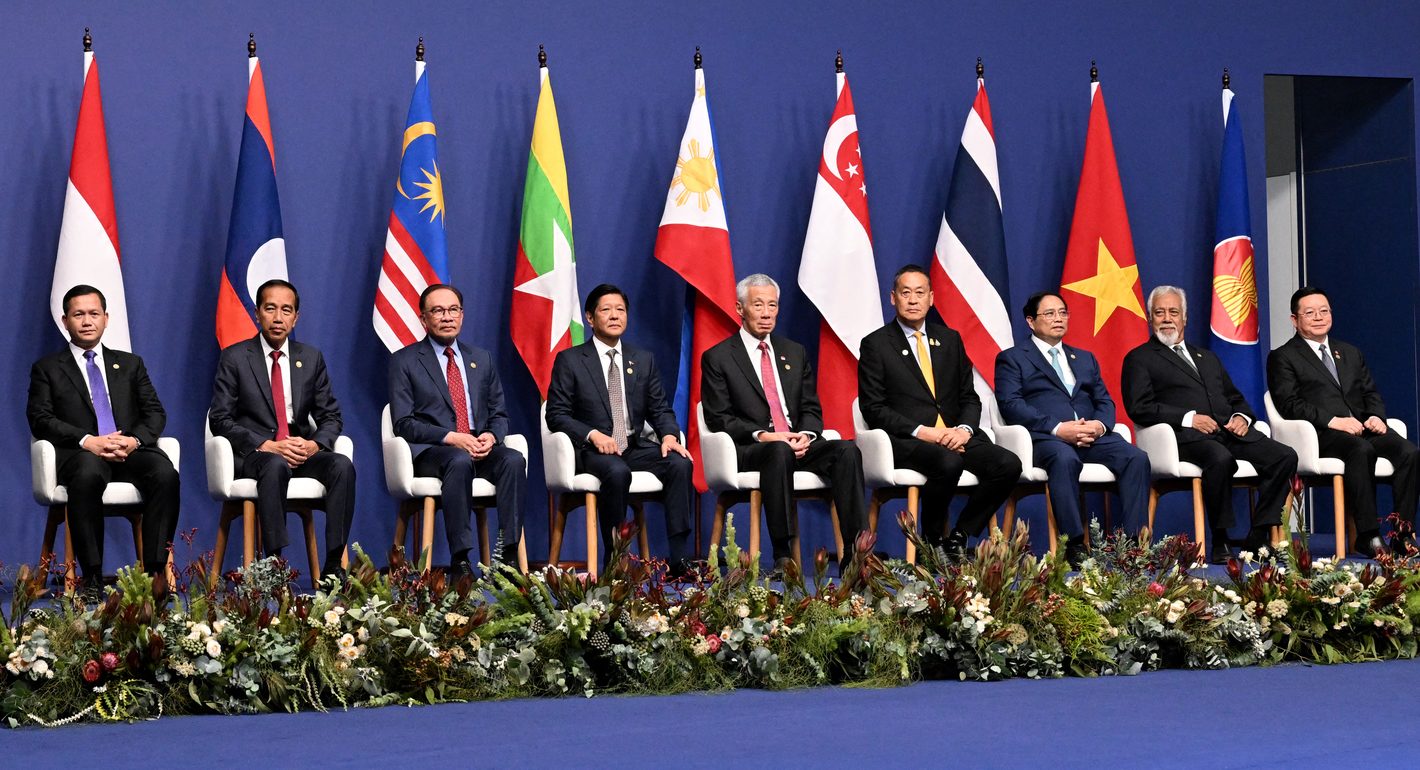
Over the past three years, Southeast Asia has witnessed a series of important leadership transitions. How will these new leaders approach China and how will they differ from their predecessors?

Charmaine Misalucha-Willoughby, Cheng-Chwee Kuik, Lak Chansok, …