

Article
Wang Tao
{
  "authors": [
    "Wang Tao"
  ],
  "type": "legacyinthemedia",
  "centerAffiliationAll": "",
  "centers": [
    "Carnegie Endowment for International Peace",
    "Carnegie China"
  ],
  "collections": [],
  "englishNewsletterAll": "",
  "nonEnglishNewsletterAll": "",
  "primaryCenter": "Carnegie China",
  "programAffiliation": "",
  "programs": [],
  "projects": [
    "Carnegie Oil Initiative"
  ],
  "regions": [
    "East Asia",
    "China"
  ],
  "topics": []
}
Source: Getty
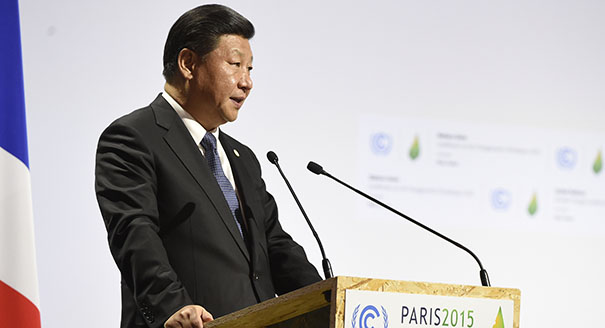
China’s commitment to addressing climate change may help serve as a bridge between the negotiating positions of developed and developing countries.
Source: CCTV America
Speaking on CCTV America, Carnegie–Tsinghua’s Wang Tao asserted that China is playing a constructive role in the Paris COP21 negotiations. A successful outcome will require all participating countries to set ambitious yet attainable emissions targets. Wang predicted that any agreement coming out of Paris would likely have some element of legal force, although he noted that the United States may try to downplay this aspect of the talks to limit Congress’s influence over the proceedings.
Wang pointed out that China may be uniquely positioned to serve as a bridge between the two sides’ negotiating positions. He explained that it will cost billions of dollars for countries to respond to climate change and that much of this funding must come from developed countries that have more fiscal resources, although China has also allocated $30 billion.
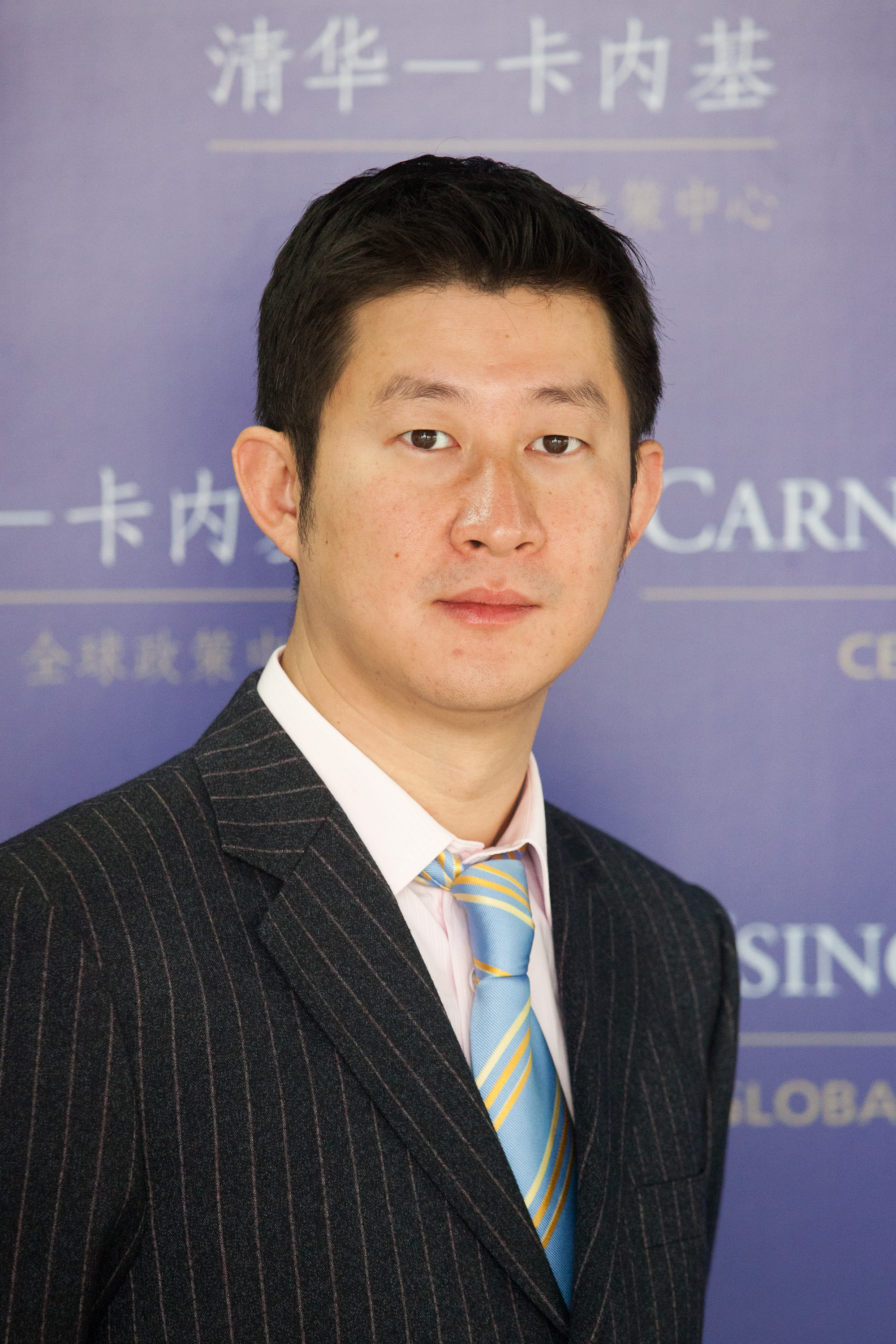
Former Nonresident Scholar, Carnegie-Tsinghua Center for Global Policy
Wang Tao was a nonresident scholar in the Energy and Climate Program based at the Carnegie–Tsinghua Center for Global Policy.
Recent Work
Wang Tao
Wang Tao, Yang Yifang

For Malaysia, the conjunction that works is “and” not “or” when it comes to the United States and China.

Elina Noor

ASEAN needs to determine how to balance perpetuating the benefits of technology cooperation with China while mitigating the risks of getting caught in the crosshairs of U.S.-China gamesmanship.
Elina Noor
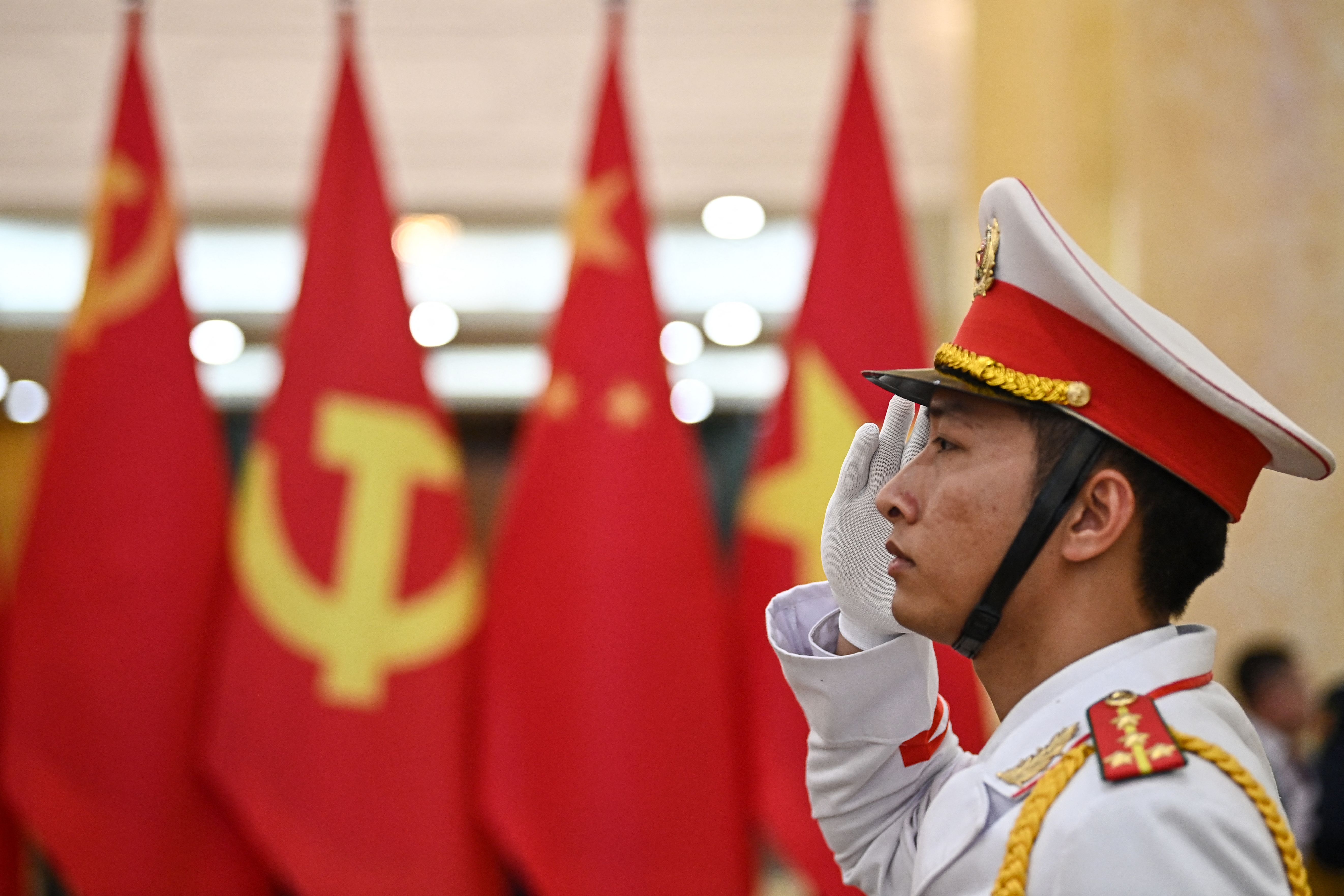
In July 2025, Vietnam and China held their first joint army drill, a modest but symbolic move reflecting Hanoi’s strategic hedging amid U.S.–China rivalry.

Nguyễn Khắc Giang
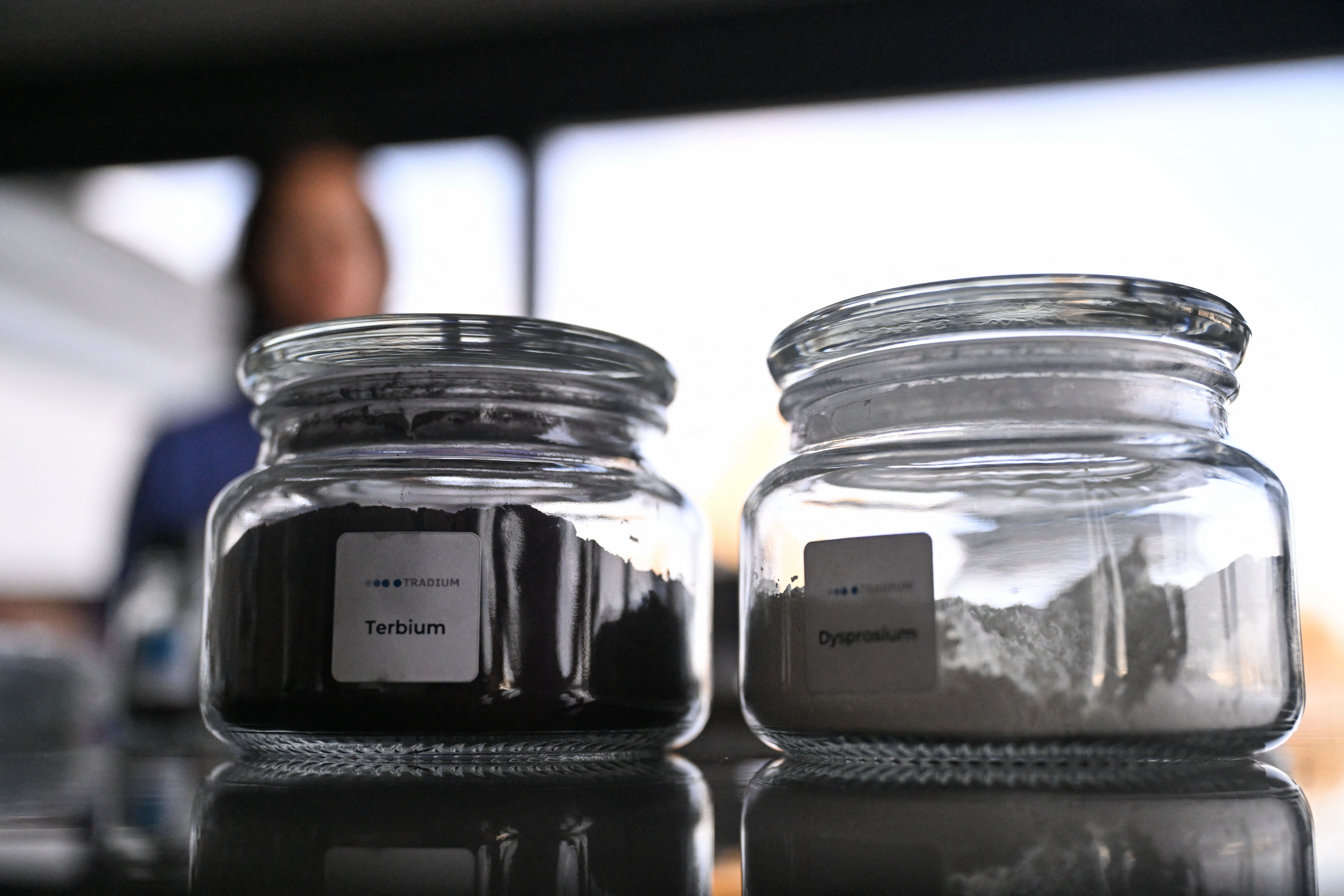
Regulation, not embargo, allows Beijing to shape how other countries and firms adapt to its terms.
Alvin Camba
Rather than climate ambitions, compatibility with investment and exports is why China supports both green and high-emission technologies.

Mathias Larsen