

Commentary
For Malaysia, the conjunction that works is “and” not “or” when it comes to the United States and China.
Elina Noor
{
  "authors": [
    "Matt Ferchen"
  ],
  "type": "legacyinthemedia",
  "centerAffiliationAll": "",
  "centers": [
    "Carnegie Endowment for International Peace",
    "Carnegie China"
  ],
  "collections": [
    "China and the Developing World",
    "China’s Foreign Relations"
  ],
  "englishNewsletterAll": "",
  "nonEnglishNewsletterAll": "",
  "primaryCenter": "Carnegie China",
  "programAffiliation": "",
  "programs": [],
  "projects": [],
  "regions": [
    "Southern, Eastern, and Western Africa",
    "East Asia",
    "China"
  ],
  "topics": [
    "Economy"
  ]
}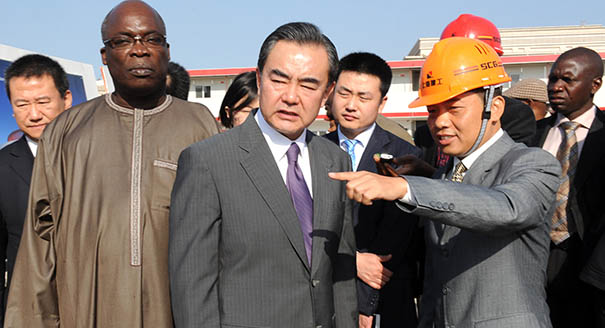
Understanding China’s investment in Africa through One Belt, One Road requires a familiarity with the country’s broader foreign policy and trade agendas.
Source: China Africa Project
Four years after the establishment of China’s One Belt, One Road (OBOR) initiative, investment in infrastructure projects on the African continent are beginning to gather steam. Countries in East Africa, including Kenya, Djibouti, and Tanzania, have played host to the first of China’s projects under the broader OBOR investment plan. While the initiative has been viewed by many as a demonstration of President Xi Jinping’s increasingly assertive foreign policy, it is in fact part of China’s “peaceful development” foreign policy agenda.
Carnegie–Tsingua’s Matt Ferchen joins Eric Olander and Cobus van Staden to discuss the strides OBOR investment has made in Africa and the potential for projects on the horizon.
This podcast was originally broadcasted by the China-Africa Project.
Carnegie does not take institutional positions on public policy issues; the views represented herein are those of the author(s) and do not necessarily reflect the views of Carnegie, its staff, or its trustees.

For Malaysia, the conjunction that works is “and” not “or” when it comes to the United States and China.

Elina Noor

ASEAN needs to determine how to balance perpetuating the benefits of technology cooperation with China while mitigating the risks of getting caught in the crosshairs of U.S.-China gamesmanship.
Elina Noor
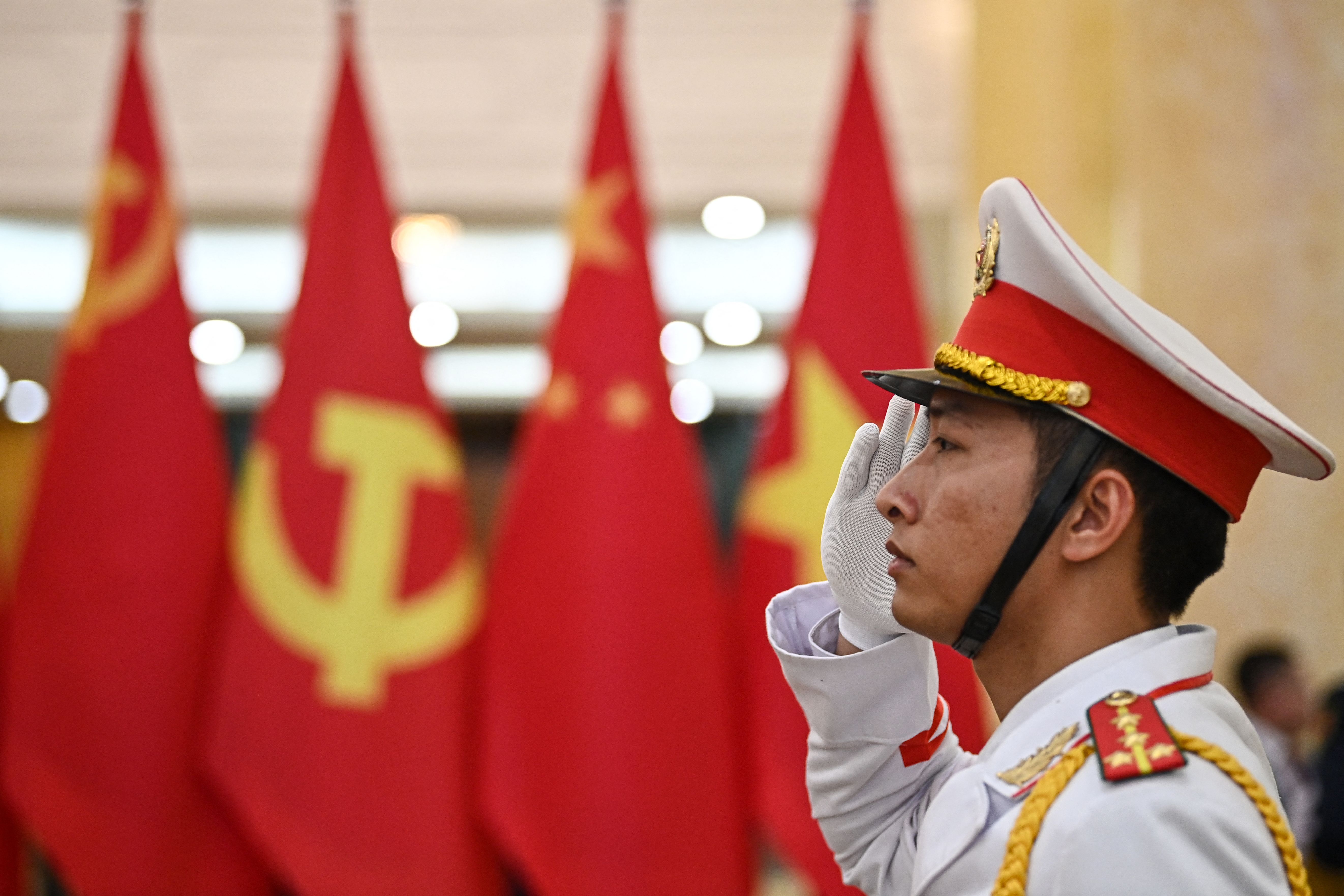
In July 2025, Vietnam and China held their first joint army drill, a modest but symbolic move reflecting Hanoi’s strategic hedging amid U.S.–China rivalry.

Nguyễn Khắc Giang

Regulation, not embargo, allows Beijing to shape how other countries and firms adapt to its terms.

Alvin Camba

Rather than climate ambitions, compatibility with investment and exports is why China supports both green and high-emission technologies.

Mathias Larsen