

Commentary
While China will remain a significant political and economic force in the Global South, its ambition to leverage the Global South as a counterbalance to the United States and the Global North is far from assured.
Xue Gong
{
  "authors": [
    "Ashley J. Tellis"
  ],
  "type": "other",
  "centerAffiliationAll": "",
  "centers": [
    "Carnegie Endowment for International Peace"
  ],
  "collections": [],
  "englishNewsletterAll": "",
  "nonEnglishNewsletterAll": "",
  "primaryCenter": "Carnegie Endowment for International Peace",
  "programAffiliation": "",
  "programs": [
    "South Asia"
  ],
  "projects": [],
  "regions": [
    "South Asia",
    "India"
  ],
  "topics": []
}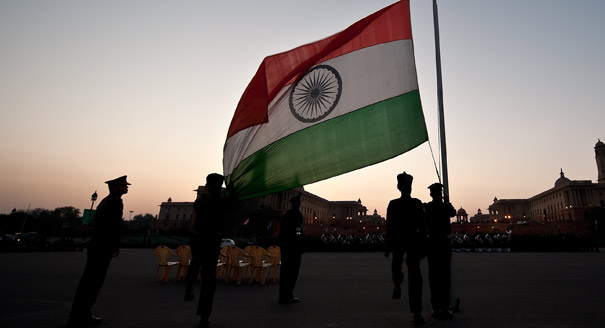
India will only become a leading power when its economic foundations, state institutions, and military capabilities are truly robust.
Source: Manthan
Prime Minister Narendra Modi’s call for India to become a leading power represents a change in how the country’s top political leadership conceives of its role in international politics. In Modi’s vision, a leading power is essentially a great power. However, India will only acquire this status when its economic foundations, its state institutions, and its military capabilities are truly robust. It will take concerted effort to reach this pinnacle—can India get there?
Carnegie does not take institutional positions on public policy issues; the views represented herein are those of the author(s) and do not necessarily reflect the views of Carnegie, its staff, or its trustees.
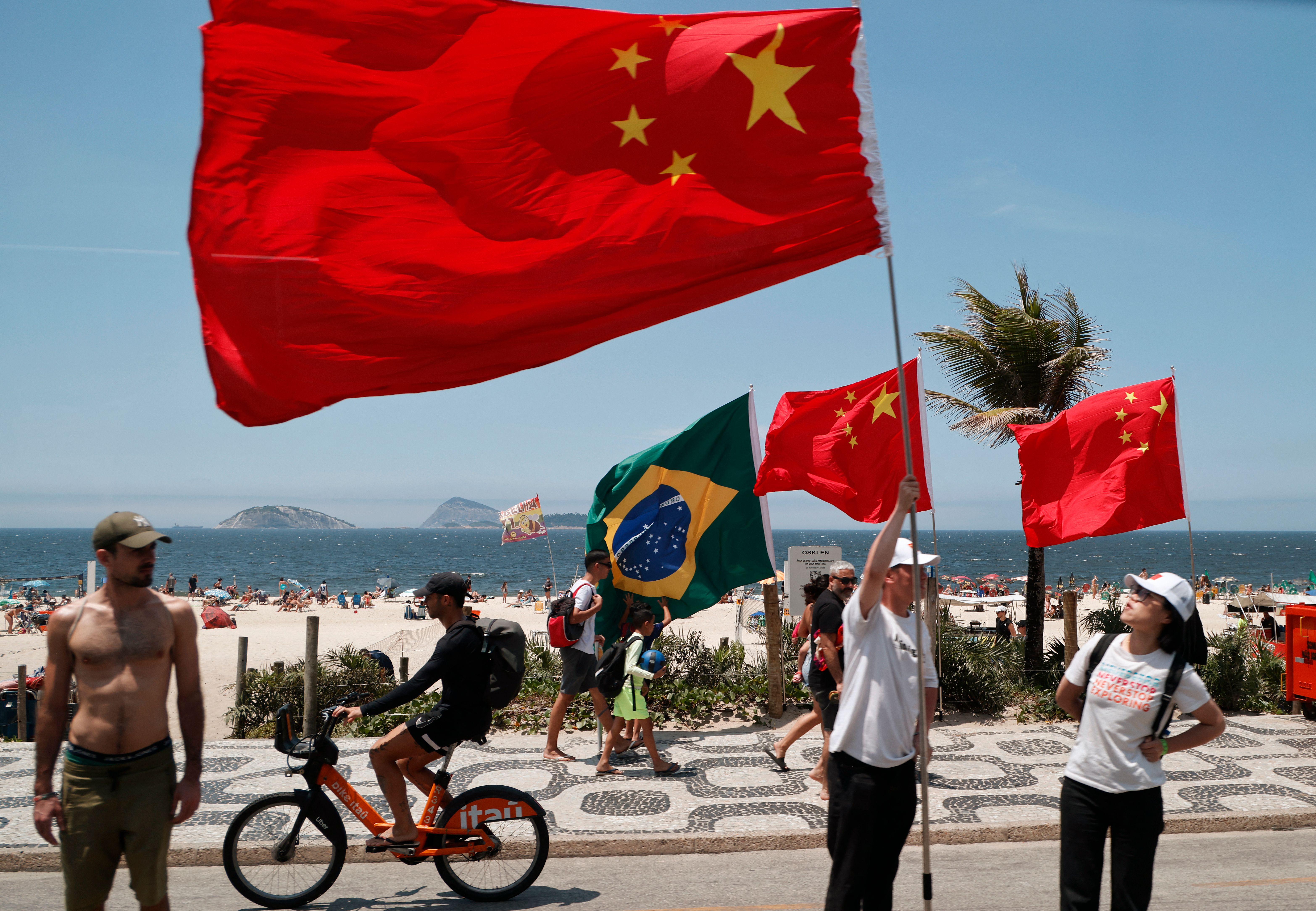
While China will remain a significant political and economic force in the Global South, its ambition to leverage the Global South as a counterbalance to the United States and the Global North is far from assured.

Xue Gong
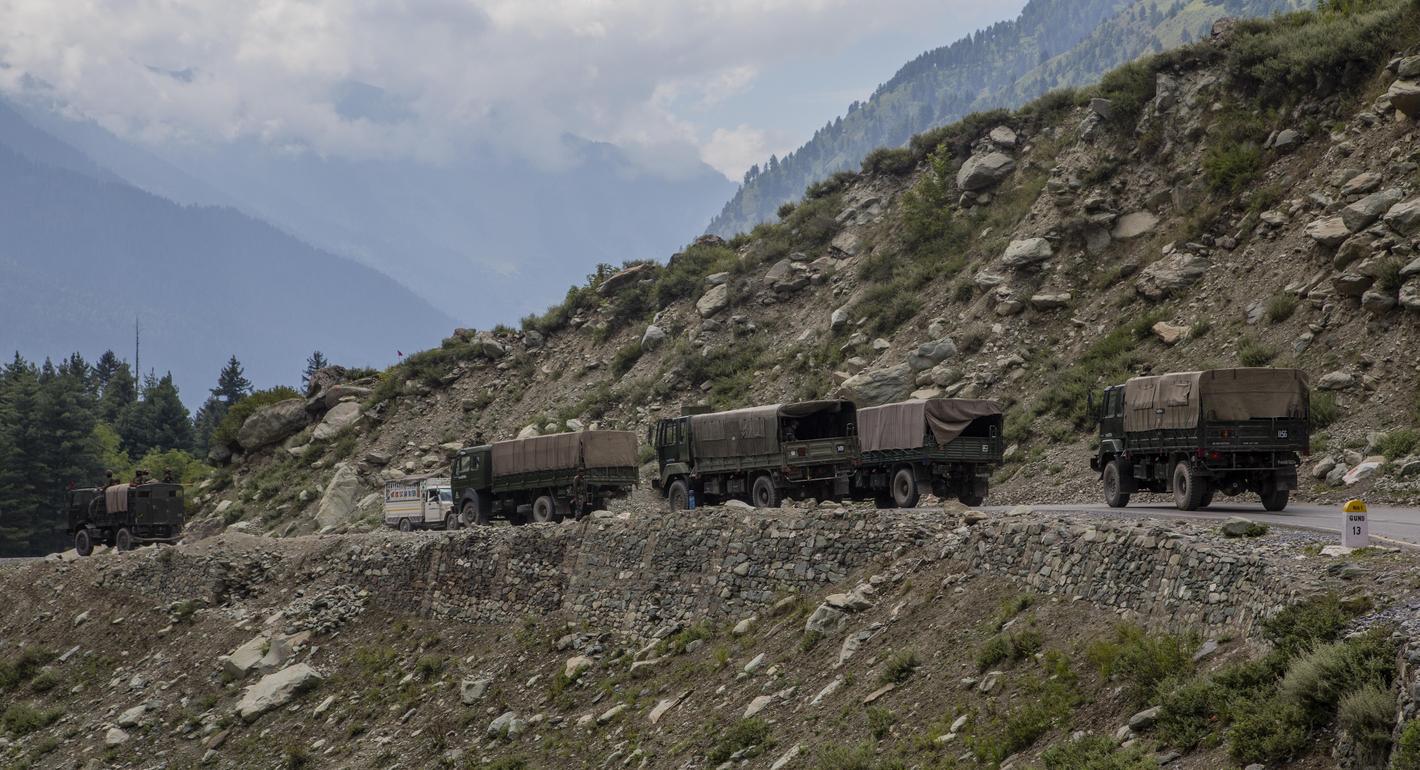
Can China and India disengage from contested territories along the border?

Paul Haenle, Ashley J. Tellis, Han Hua, …
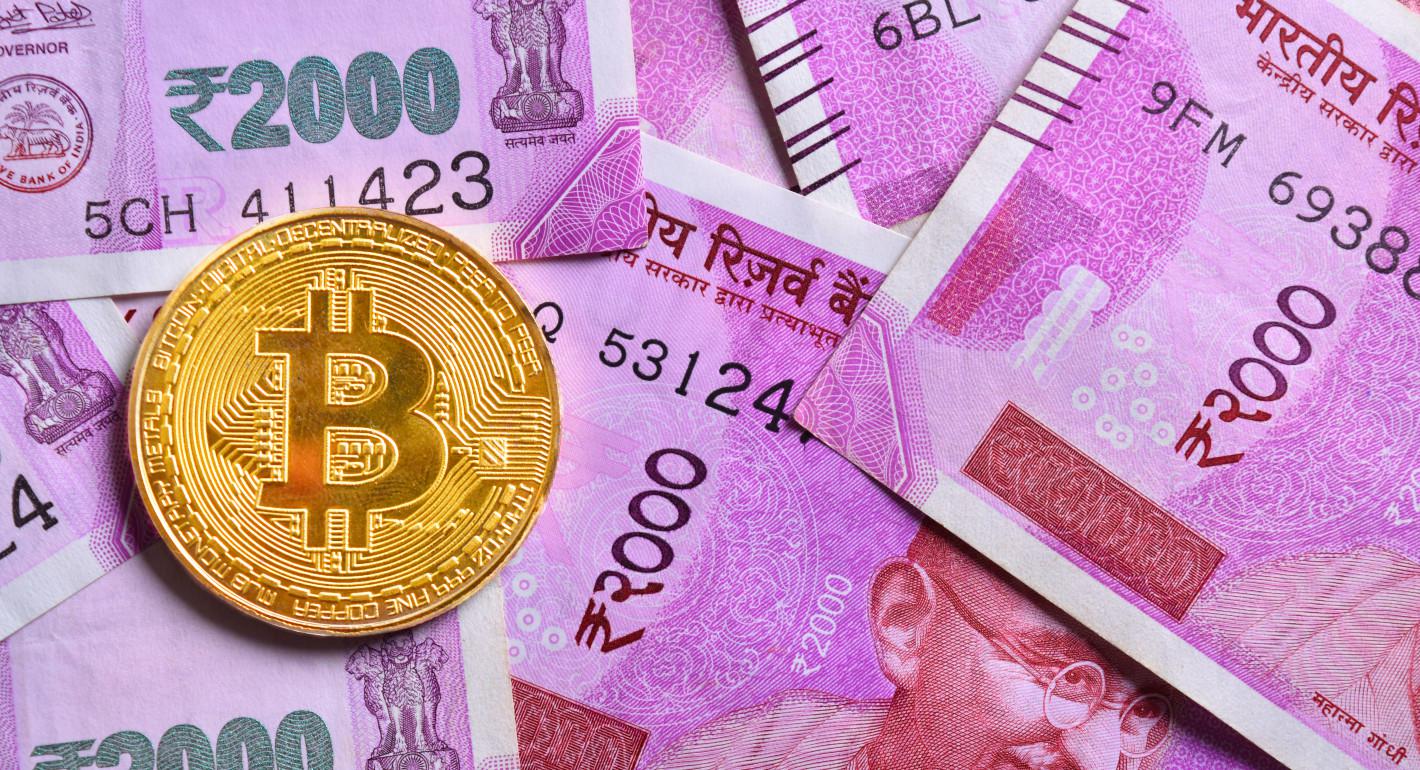
The government extends the uncertainty with its two new taxes and digital rupee.


Anirudh Burman, Priyadarshini D.
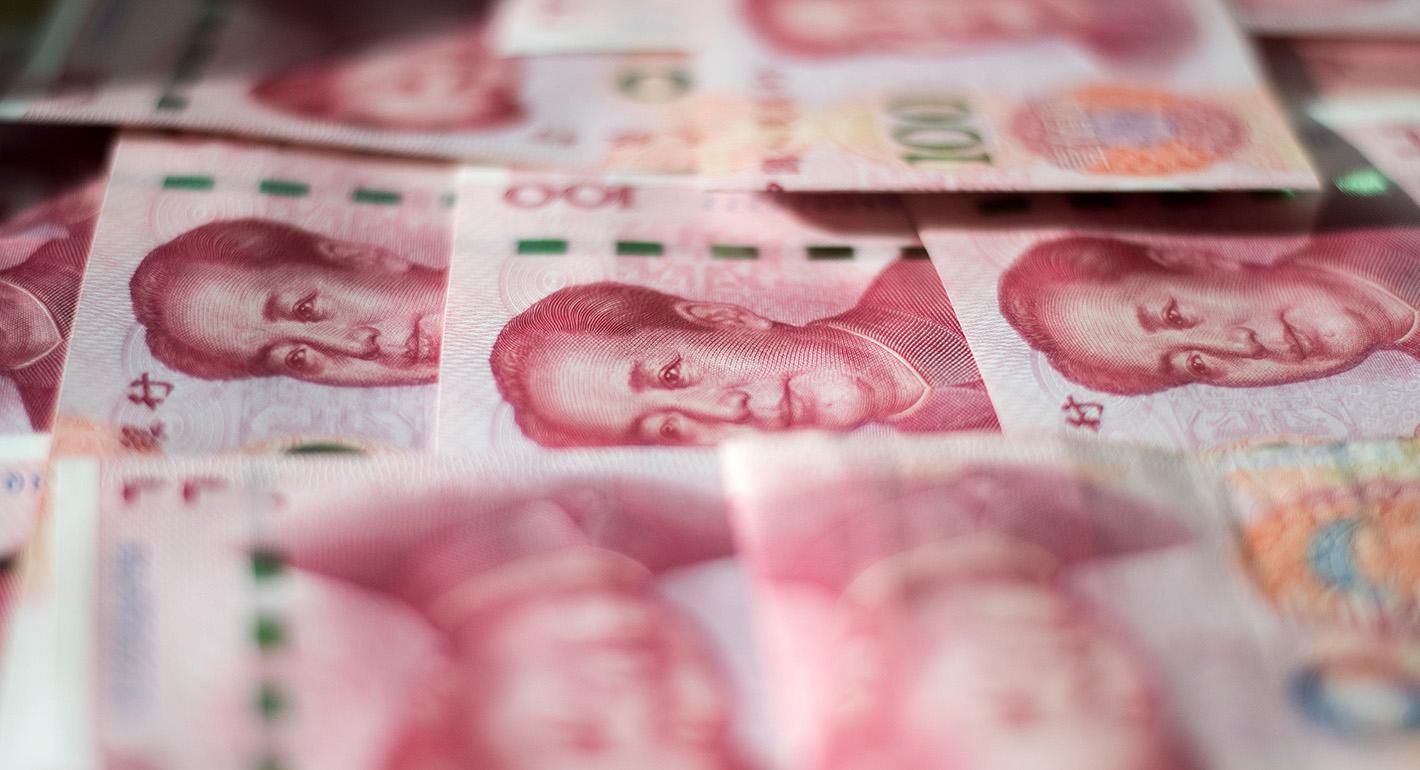
China and Pakistan should strive to build a RMB closed-chain cycle based on capital exports and trade returns.

Lu Yang
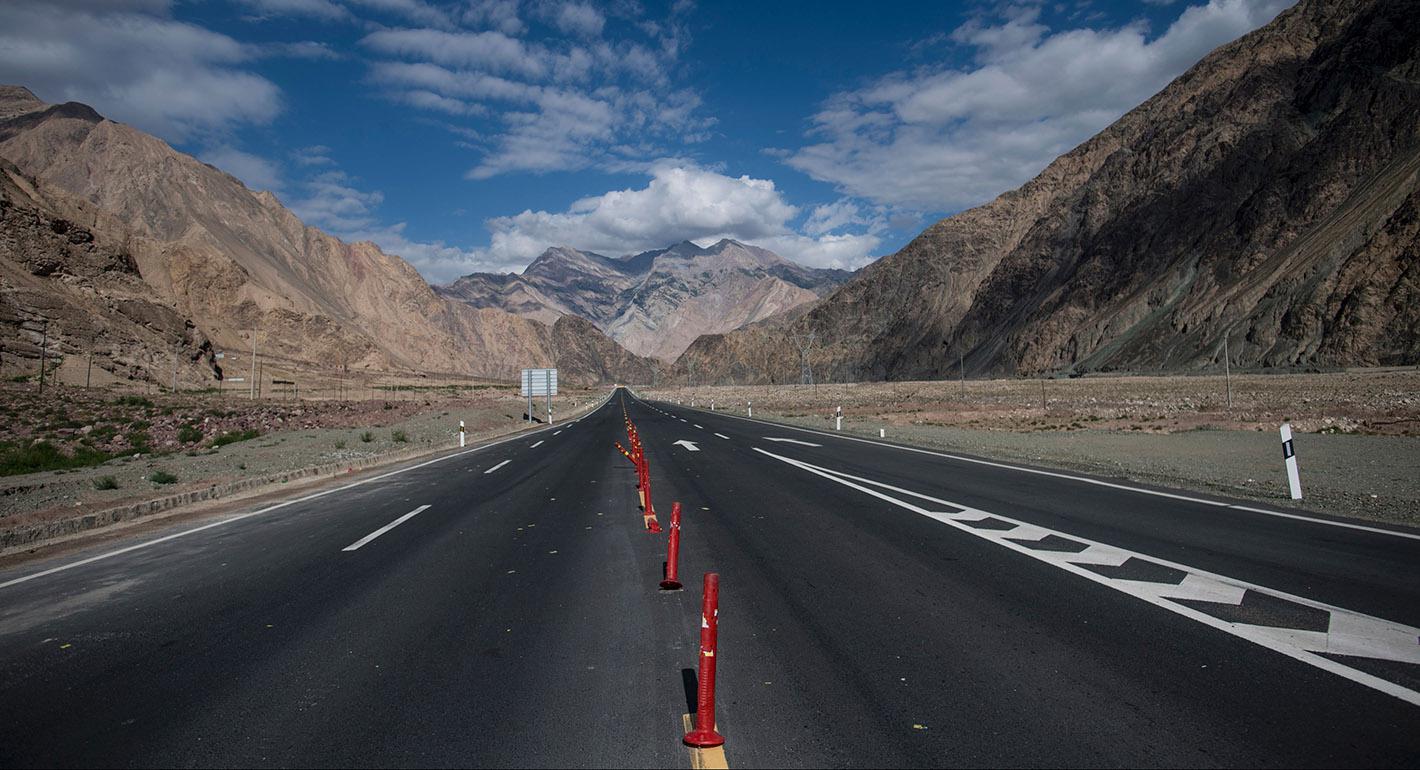
The Trump administration holds a decidedly critical view of China’s infrastructure initiatives in Pakistan. Although there is much to criticize in the China-Pakistan Economic Corridor, the administration’s fixation on commercial and economic issues threatens to distract U.S. policymakers from deeper concerns.
Daniel Markey