

Commentary
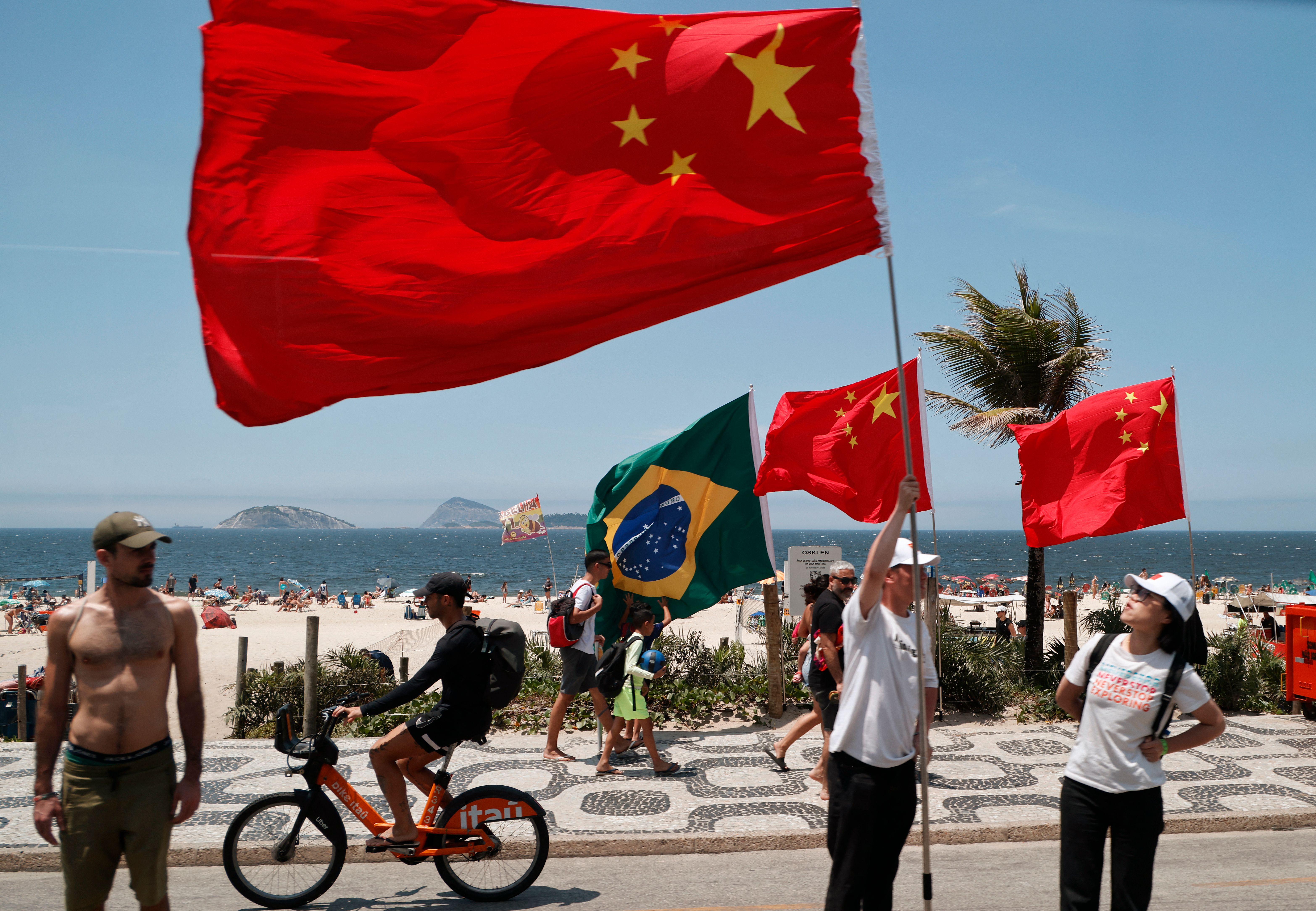
While China will remain a significant political and economic force in the Global South, its ambition to leverage the Global South as a counterbalance to the United States and the Global North is far from assured.
Xue Gong
{
  "authors": [
    "Milan Vaishnav"
  ],
  "type": "other",
  "centerAffiliationAll": "",
  "centers": [
    "Carnegie Endowment for International Peace"
  ],
  "collections": [],
  "englishNewsletterAll": "",
  "nonEnglishNewsletterAll": "",
  "primaryCenter": "Carnegie Endowment for International Peace",
  "programAffiliation": "",
  "programs": [
    "South Asia"
  ],
  "projects": [],
  "regions": [
    "South Asia",
    "India"
  ],
  "topics": [
    "Political Reform",
    "Democracy"
  ]
}
Indian voters do not elect criminals out of ignorance. Instead, candidates with serious criminal records are sometimes preferred because their criminality signals their credibility.
Source: Governance: An International Journal of Policy, Administration, and Institutions
In democracies around the world, candidates who stand accused or convicted of criminal misconduct routinely win elections and assume important positions. According to data collected by Transparência Brasil, 60% of Brazil’s federal legislators have either been convicted of a crime or are the subject of an ongoing criminal investigation. Ahead of Nigeria’s 2015 election, candidates openly brandished their allegiances to militia groups or criminal gangs while canvassing for votes. The cozy relationship between criminal malfeasance and democratic politics is by no means restricted to the developing world. A May 2016 report in the New York Times revealed that as many as 30 current and former state legislators in New York have been convicted, indicted, or accused of engaging in criminal wrongdoing in the past decade alone.....
Carnegie does not take institutional positions on public policy issues; the views represented herein are those of the author(s) and do not necessarily reflect the views of Carnegie, its staff, or its trustees.
While China will remain a significant political and economic force in the Global South, its ambition to leverage the Global South as a counterbalance to the United States and the Global North is far from assured.

Xue Gong
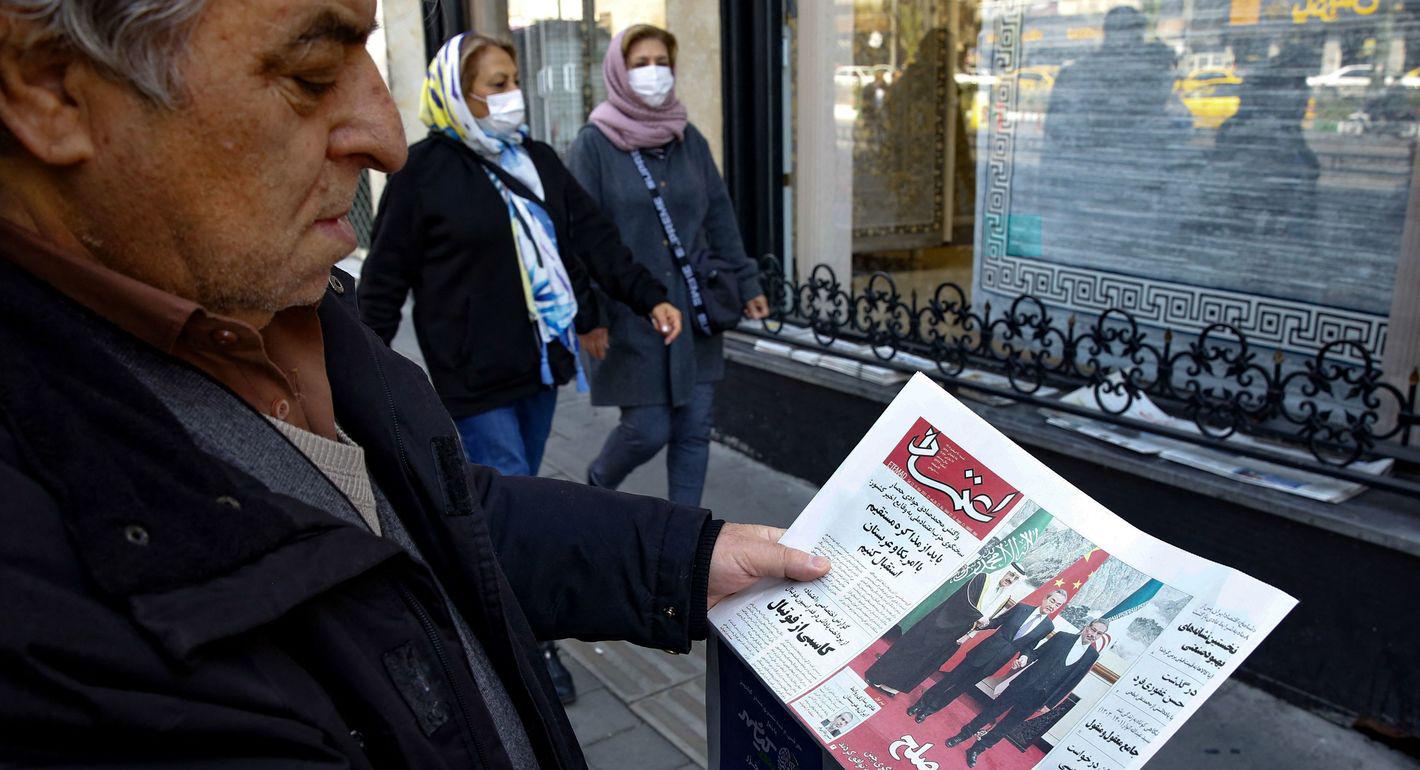
Transactional relationships are stable but can be shallow.


Paul Haenle, Maha Yahya, Benjamin Ho, …
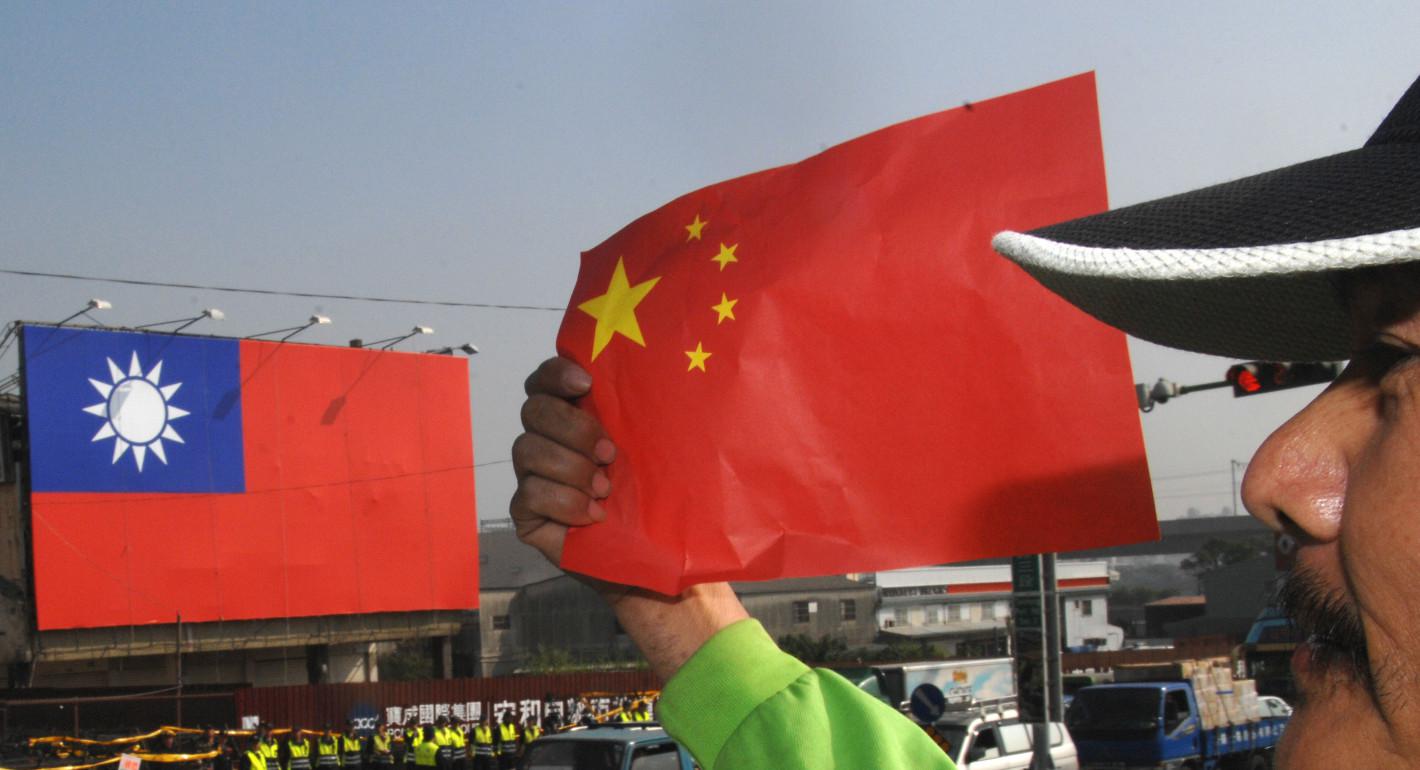
Beijing says that over 180 countries accept its “one China principle” regarding Taiwan, but the reality is more complicated.

Chong Ja Ian
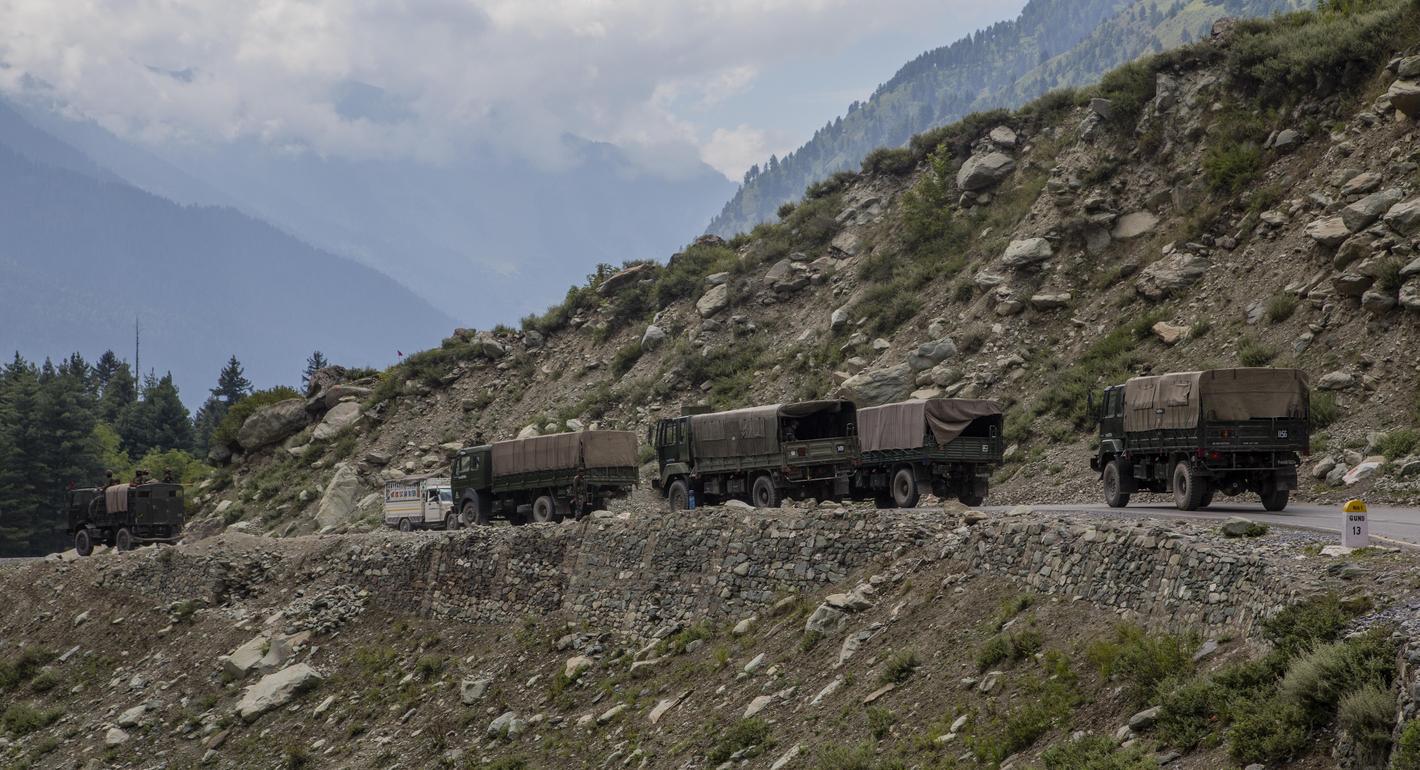
Can China and India disengage from contested territories along the border?
Paul Haenle, Ashley J. Tellis, Han Hua, …
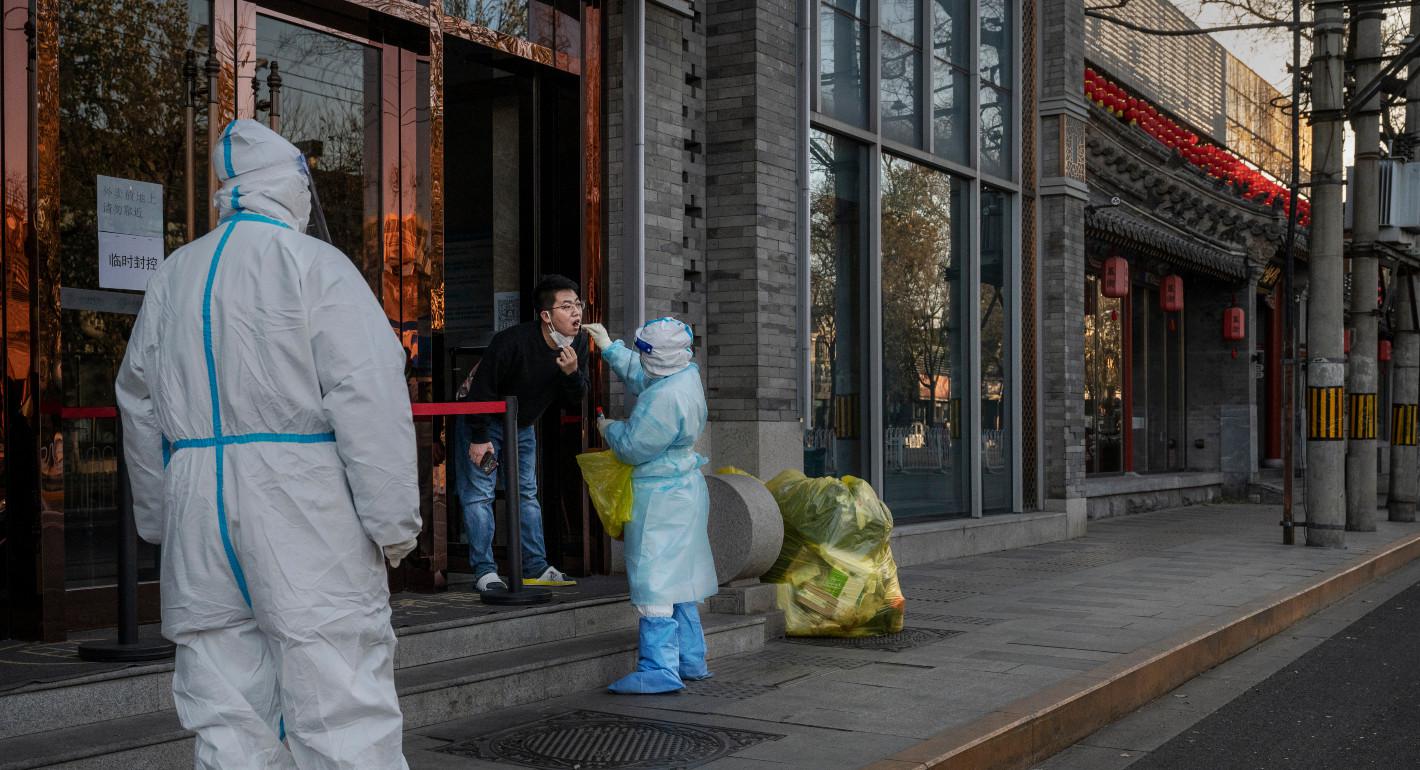
Beijing must choose between preserving its pandemic narrative or facing more unrest.
Paul Haenle