

Commentary
For Malaysia, the conjunction that works is “and” not “or” when it comes to the United States and China.
Elina Noor
{
  "authors": [
    "Yukon Huang"
  ],
  "type": "legacyinthemedia",
  "centerAffiliationAll": "",
  "centers": [
    "Carnegie Endowment for International Peace"
  ],
  "collections": [],
  "englishNewsletterAll": "",
  "nonEnglishNewsletterAll": "",
  "primaryCenter": "Carnegie Endowment for International Peace",
  "programAffiliation": "",
  "programs": [
    "Asia"
  ],
  "projects": [],
  "regions": [
    "East Asia",
    "China"
  ],
  "topics": [
    "Economy"
  ]
}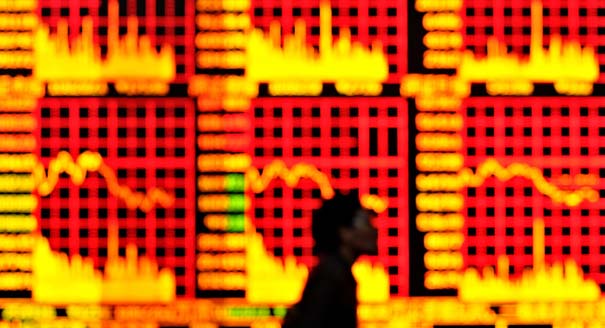
Data suggests that the Chinese economy has stabilized in spite of a global economic slowdown, with increased investment and rising property values signalling a stable, though slower, growth.
Source: CCTV America
Speaking on a three-person panel discussion with CCTV America, Carnegie’s Yukon Huang discussed how China can move forward as its economy shows signs of stabilizing. The panel of experts agreed that recent data supports the view that China is rebounding despite facing global economic slowdown, with key indicators such as growing public investment and a small housing boom pointing to stabilization. In addressing how China can sustain stable growth amidst the global slowdown, Huang pointed to the importance of the Chinese government fostering domestic demand. Huang noted that the government is already involved in areas such as a new urbanization initiative, which will foster growth in housing and social service sectors, guiding the country’s economy to become more domestic and service-oriented. Additionally, Huang argued that China could benefit from a more open, liberal investment environment that provides domestic alternatives for investors, which could continue to help stabilize growth.

For Malaysia, the conjunction that works is “and” not “or” when it comes to the United States and China.

Elina Noor

ASEAN needs to determine how to balance perpetuating the benefits of technology cooperation with China while mitigating the risks of getting caught in the crosshairs of U.S.-China gamesmanship.
Elina Noor
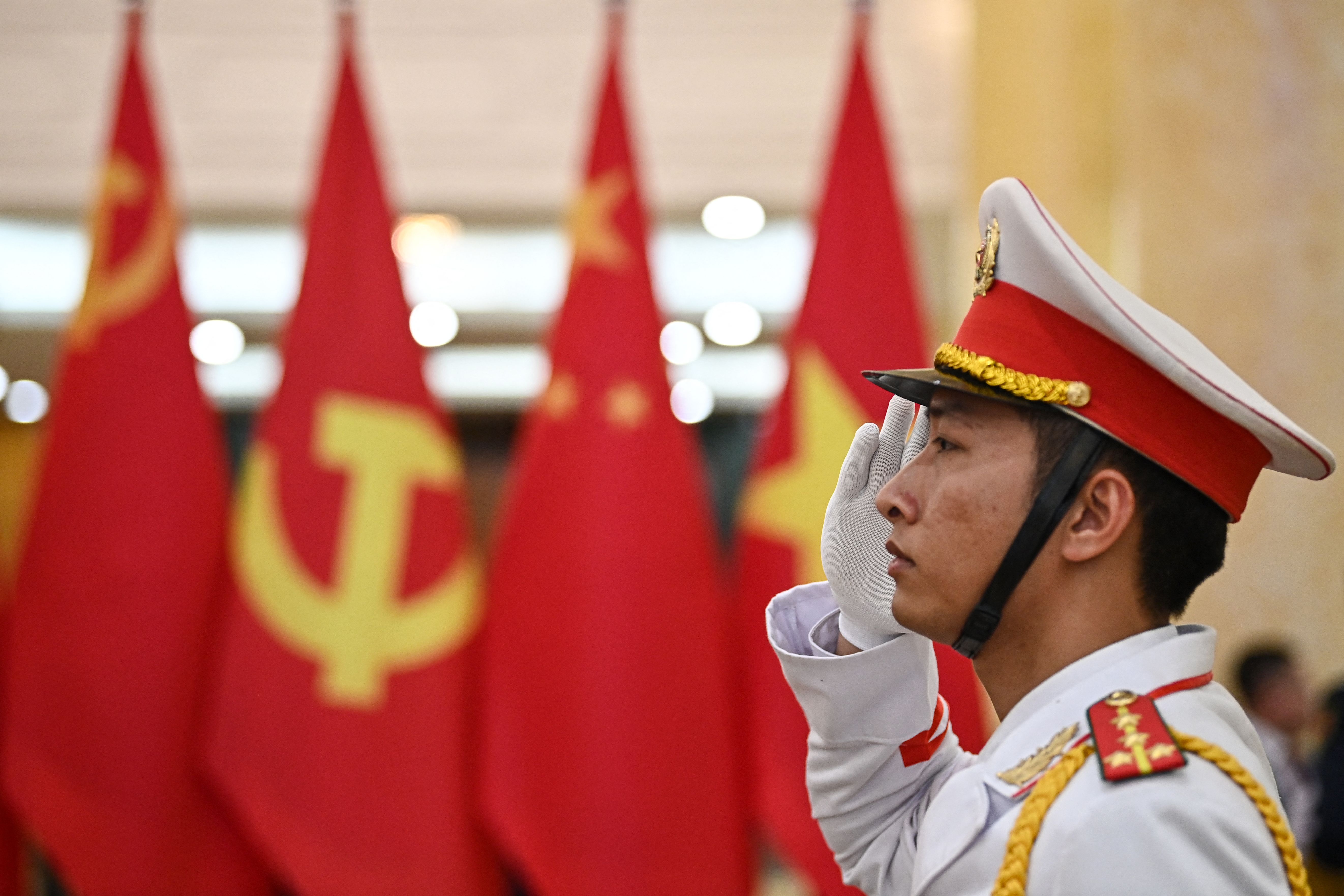
In July 2025, Vietnam and China held their first joint army drill, a modest but symbolic move reflecting Hanoi’s strategic hedging amid U.S.–China rivalry.

Nguyễn Khắc Giang

Regulation, not embargo, allows Beijing to shape how other countries and firms adapt to its terms.

Alvin Camba
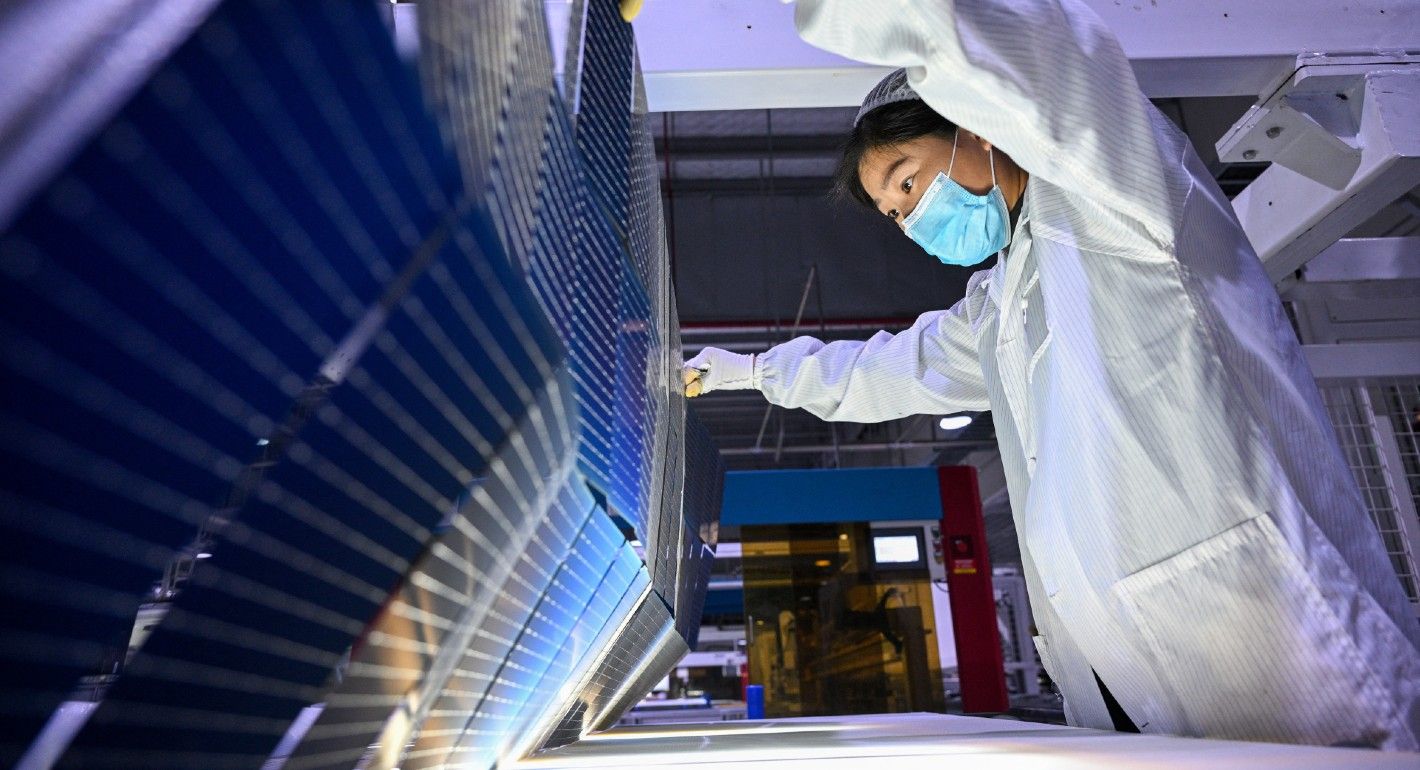
Rather than climate ambitions, compatibility with investment and exports is why China supports both green and high-emission technologies.

Mathias Larsen