

Commentary
For Malaysia, the conjunction that works is “and” not “or” when it comes to the United States and China.
Elina Noor
{
  "authors": [
    "Katherine Charlet"
  ],
  "type": "legacyinthemedia",
  "centerAffiliationAll": "",
  "centers": [
    "Carnegie Endowment for International Peace"
  ],
  "collections": [],
  "englishNewsletterAll": "",
  "nonEnglishNewsletterAll": "",
  "primaryCenter": "Carnegie Endowment for International Peace",
  "programAffiliation": "",
  "programs": [],
  "projects": [],
  "regions": [
    "North America",
    "United States"
  ],
  "topics": [
    "Security",
    "Military",
    "Technology"
  ]
}
Source: Getty
U.S. Cyber Command has been elevated to a full unified combatant command, putting CYBERCOM on an even playing field with the rest of the Defense Department’s combatant commands.
Source: Federal News Radio
The question of whether or not to elevate U.S. Cyber Command to a full unified combatant command has been under discussion for years. But the president and Congress have finally made the decision, putting CYBERCOM on an even playing field with the rest of the Defense Department’s combatant commands. Kate Charlet, program director for Technology and International Affairs at the Carnegie Endowment for International Peace, told Federal Drive with Tom Temin there are several other important implications to the decision.
This interview was originally broadcast on Federal News Radio.
Carnegie does not take institutional positions on public policy issues; the views represented herein are those of the author(s) and do not necessarily reflect the views of Carnegie, its staff, or its trustees.
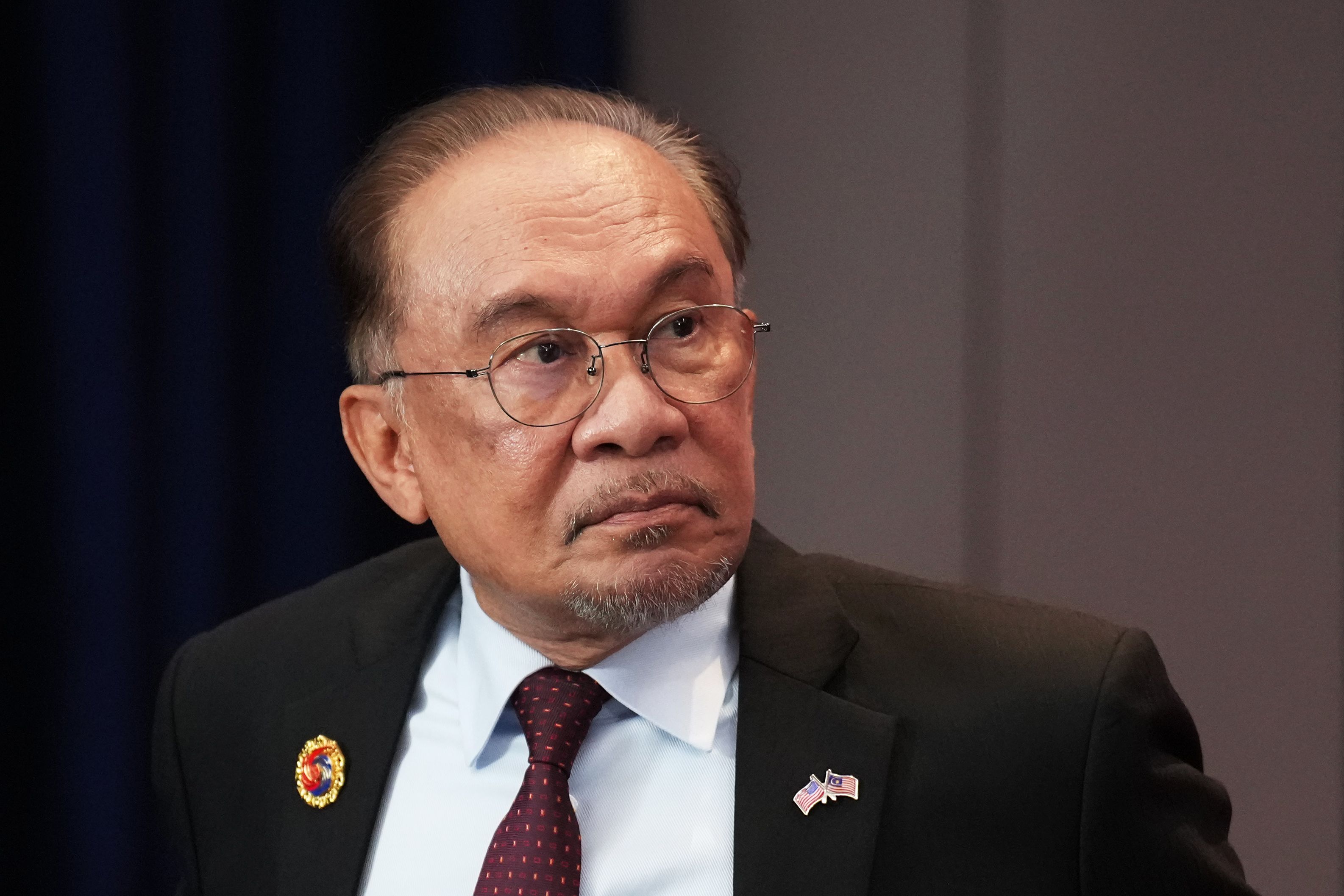
For Malaysia, the conjunction that works is “and” not “or” when it comes to the United States and China.

Elina Noor

ASEAN needs to determine how to balance perpetuating the benefits of technology cooperation with China while mitigating the risks of getting caught in the crosshairs of U.S.-China gamesmanship.
Elina Noor
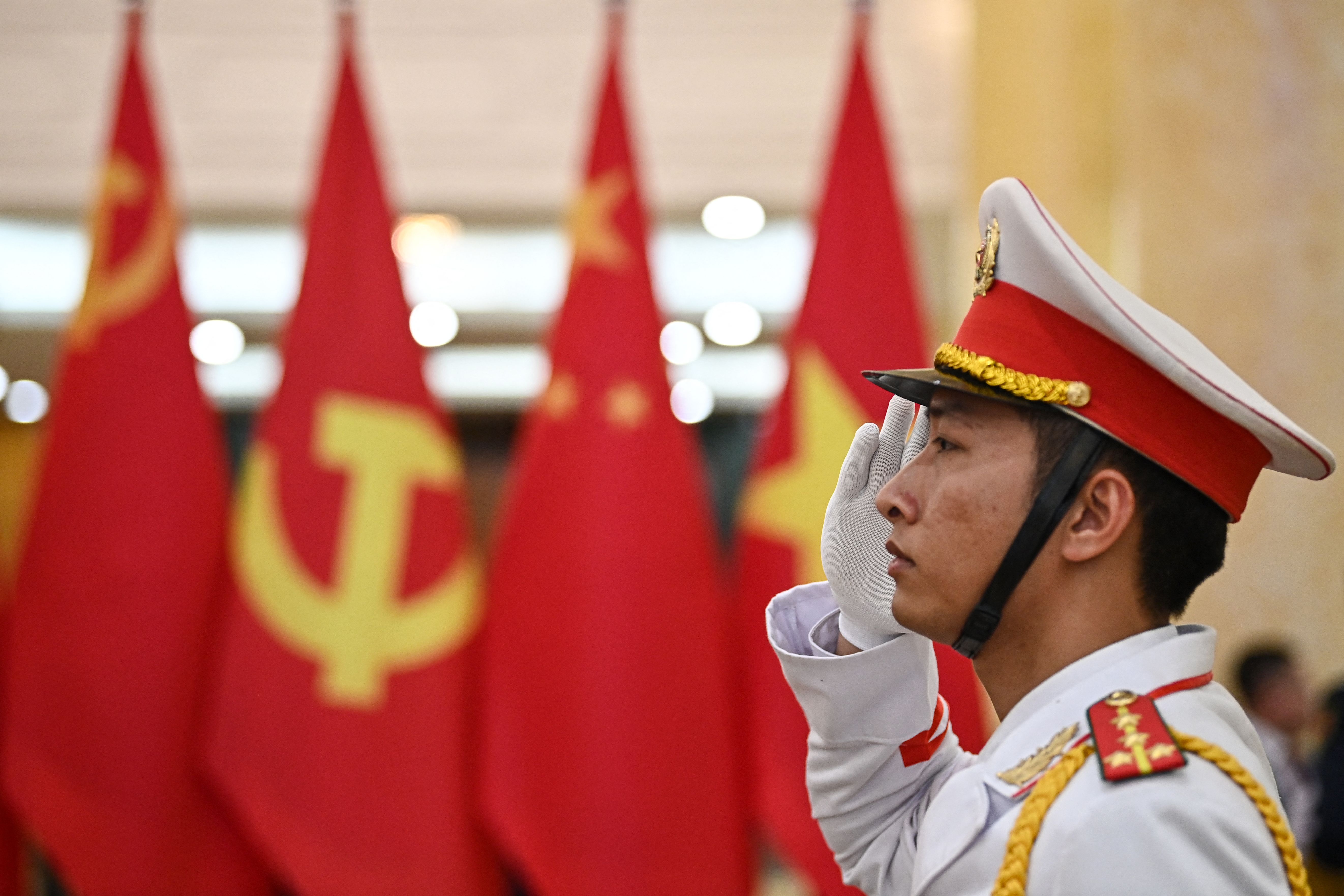
In July 2025, Vietnam and China held their first joint army drill, a modest but symbolic move reflecting Hanoi’s strategic hedging amid U.S.–China rivalry.

Nguyễn Khắc Giang

Regulation, not embargo, allows Beijing to shape how other countries and firms adapt to its terms.
Alvin Camba
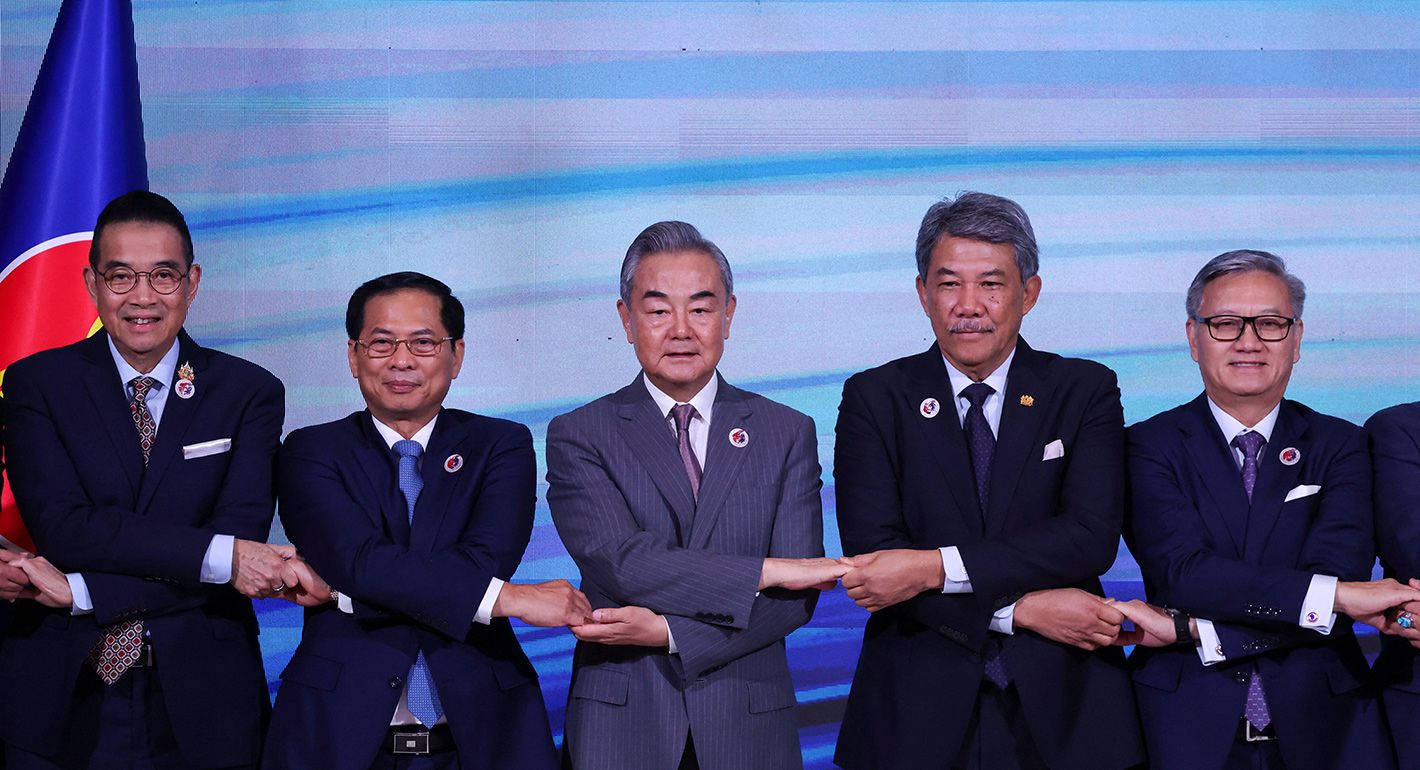
The Thai-Cambodian conflict highlights the limits to China's peacemaker ambition and the significance of this role on Southeast Asia’s balance of power.

Pongphisoot (Paul) Busbarat