

Commentary
Rather than climate ambitions, compatibility with investment and exports is why China supports both green and high-emission technologies.
Mathias Larsen
{
  "authors": [
    "Matt Ferchen"
  ],
  "type": "other",
  "centerAffiliationAll": "",
  "centers": [
    "Carnegie Endowment for International Peace",
    "Carnegie China"
  ],
  "collections": [
    "China and the Developing World",
    "China’s Foreign Relations"
  ],
  "englishNewsletterAll": "",
  "nonEnglishNewsletterAll": "",
  "primaryCenter": "Carnegie China",
  "programAffiliation": "",
  "programs": [],
  "projects": [],
  "regions": [],
  "topics": [
    "Economy"
  ]
}
Source: Getty
The recent expansion of China’s Belt and Road Initiative into Latin America and the Caribbean (LAC) is unlikely to bring fundamental change to China–LAC economic relations. It may, however, catalyze a more volatile LAC–China–US geopolitical relationship.
Source: International Institute of Strategic Studies
Until quite recently, Chinese officials claimed that Latin America and the Caribbean (LAC) were beyond the central geographic scope of both the continental Eurasian “belt” and the Asian and African maritime “road.” From 2017, however, an increasing number of countries in South and Central America, as well as in the Caribbean, have signed BRI-related memoranda of understanding and announced related business deals, signaling that the BRI has now extended to the Americas. Nevertheless, despite the hype and anxiety surrounding the BRI’s apparent extension to the region, it remains unclear whether its rollout there will change entrenched patterns, challenges and dysfunctions in the China–LAC relationship or merely deepen them. Moreover, at a time of growing U.S.-China strategic rivalry, the expansion of BRI-themed dealmaking in LAC is already playing into growing great power competition and tension.
Carnegie does not take institutional positions on public policy issues; the views represented herein are those of the author(s) and do not necessarily reflect the views of Carnegie, its staff, or its trustees.
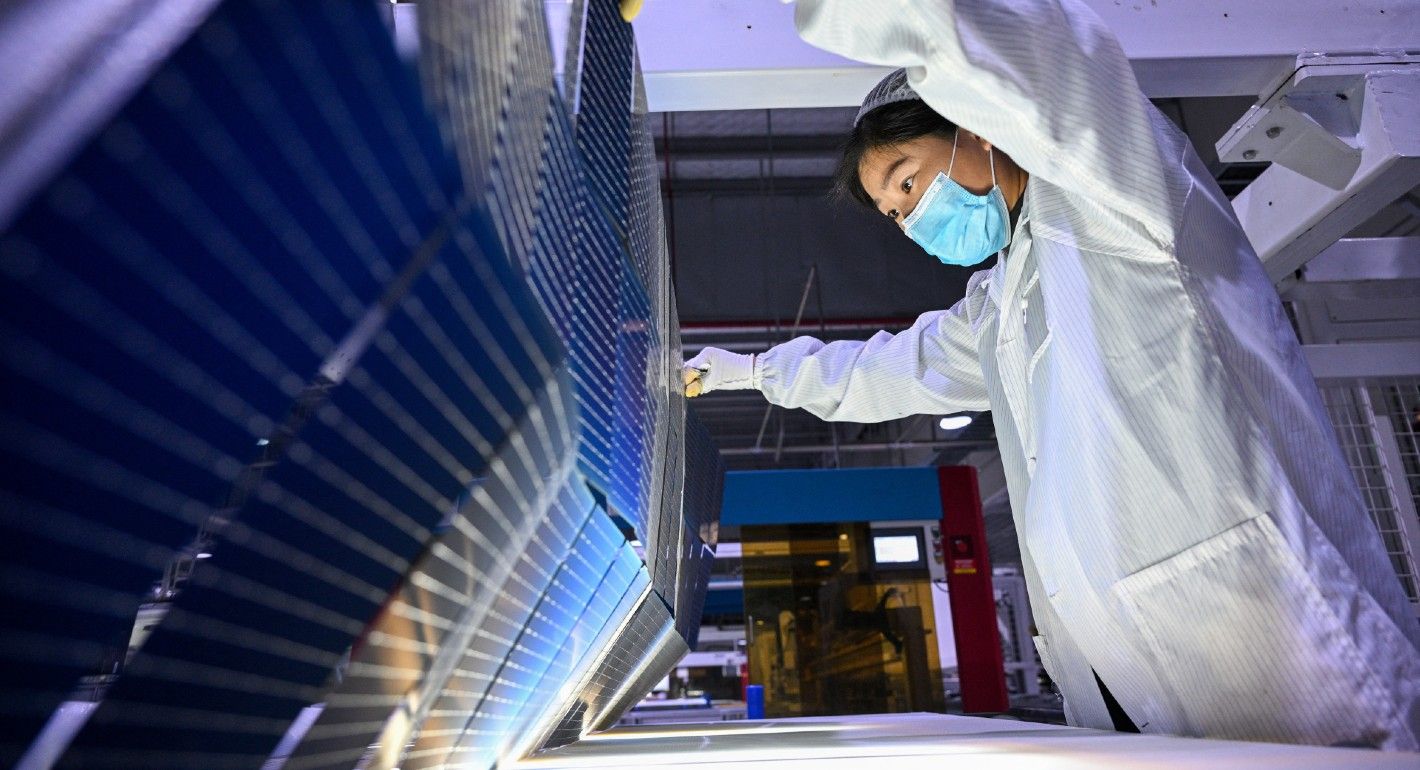
Rather than climate ambitions, compatibility with investment and exports is why China supports both green and high-emission technologies.

Mathias Larsen
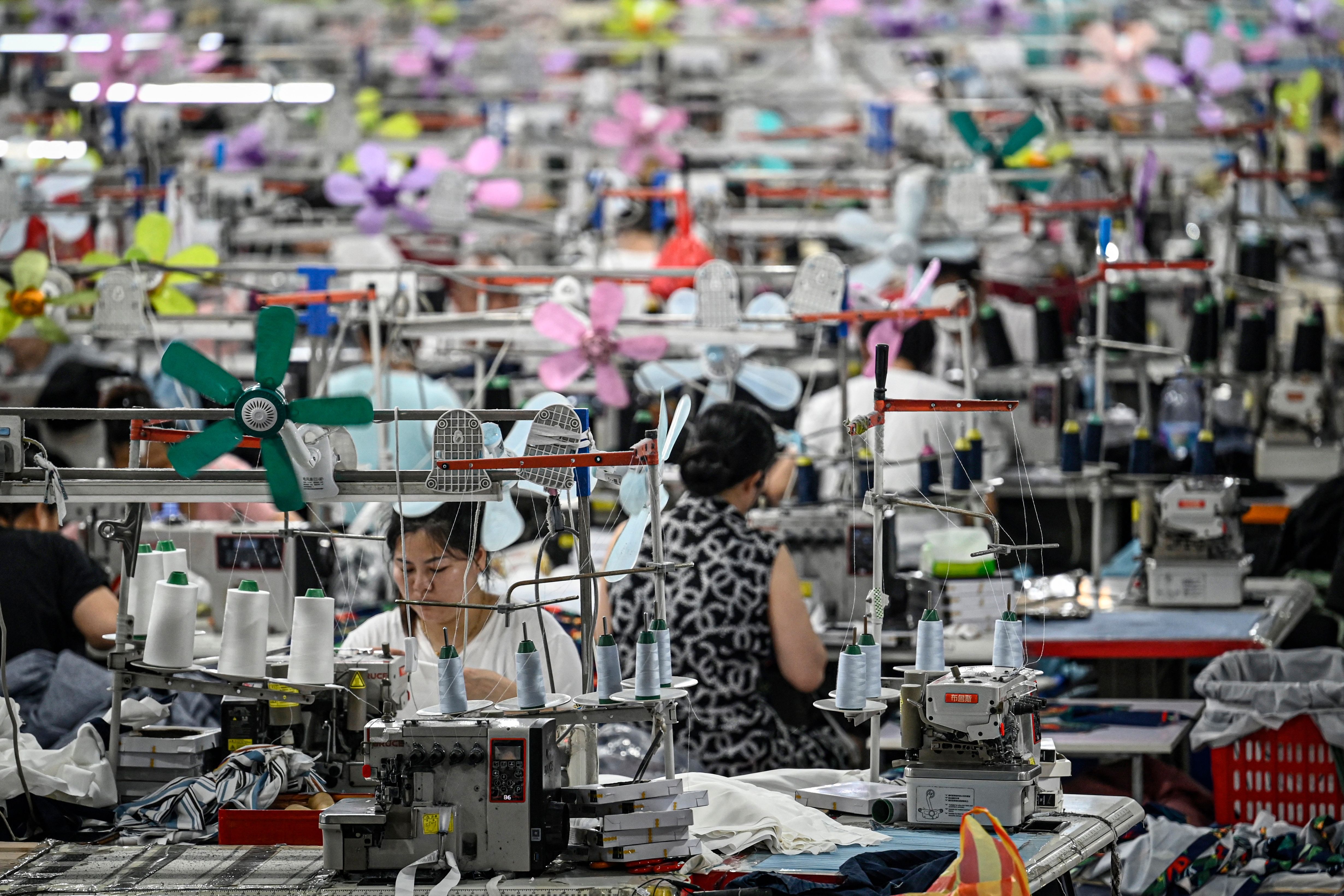
“Involution” is a new word for an old problem, and without a very different set of policies to rein it in, it is a problem that is likely to persist.

Michael Pettis

While China's investment story seems contradictory from the outside, the real answers to Beijing's high-quality growth ambitions are hiding in plain sight across the nation's cities.

Yuhan Zhang
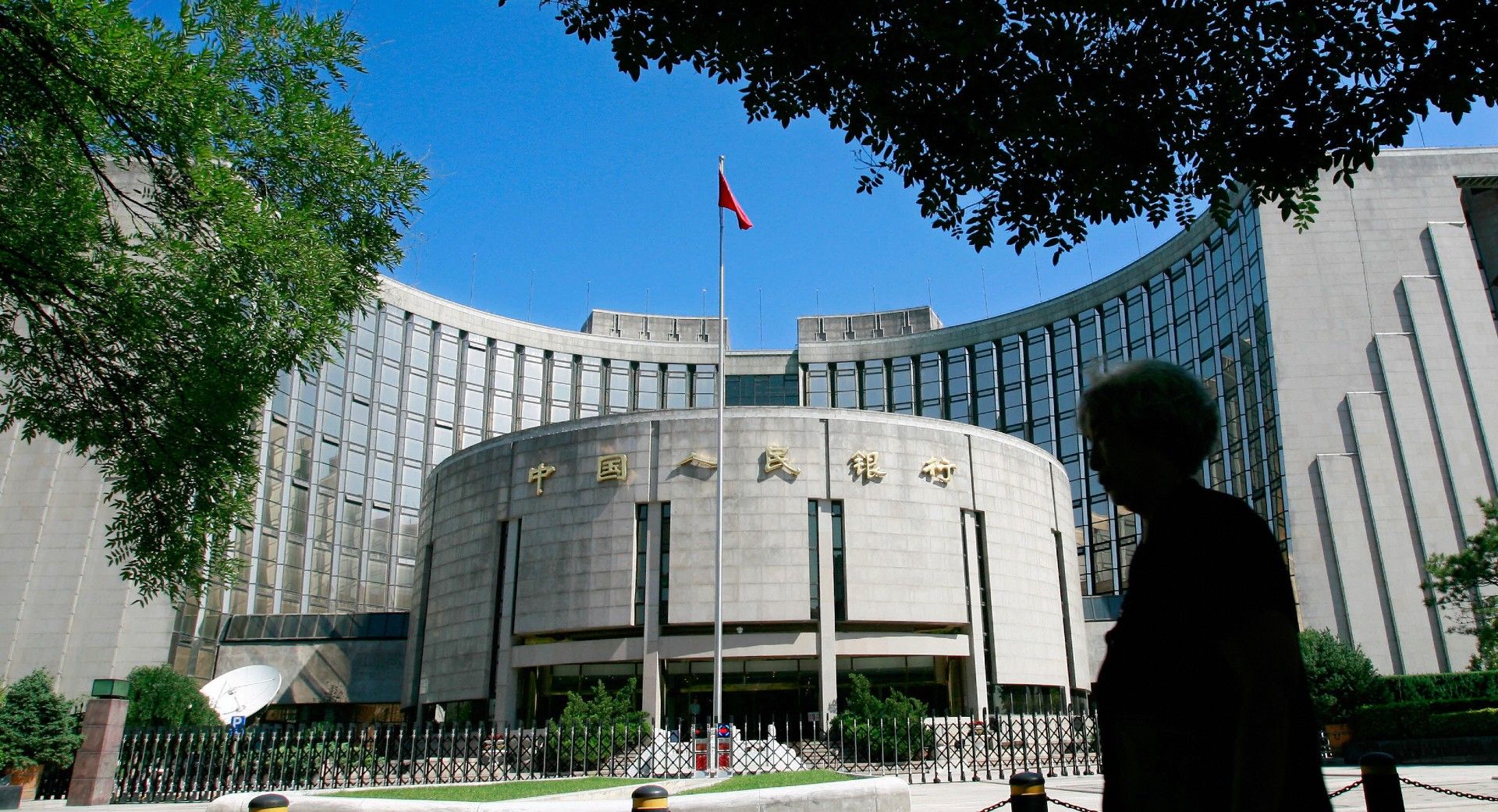
China's stimulus addiction cannot go on forever. Beijing still has policy space to clean up the country's massive debt issue, but time is running short.
Michael Pettis

A quick look at the complexities behind Beijing’s enduring Catch-22 situation with revaluing the Renminbi, despite advantages of a stronger currency.
Michael Pettis