

Commentary
The advantage that China has over other global powers, especially America, is that its foreign policy is closely aligned with those of many of the Middle Eastern countries.
Jin Liangxiang, Maha Yahya, Hesham Alghannam
{
  "authors": [
    "Michele Dunne"
  ],
  "type": "other",
  "centerAffiliationAll": "",
  "centers": [
    "Carnegie Endowment for International Peace",
    "Malcolm H. Kerr Carnegie Middle East Center"
  ],
  "collections": [
    "Arab Awakening"
  ],
  "englishNewsletterAll": "",
  "nonEnglishNewsletterAll": "",
  "primaryCenter": "Carnegie Endowment for International Peace",
  "programAffiliation": "",
  "programs": [
    "Middle East"
  ],
  "projects": [],
  "regions": [
    "Middle East",
    "North Africa"
  ],
  "topics": [
    "Political Reform",
    "Democracy"
  ]
}
Source: Getty
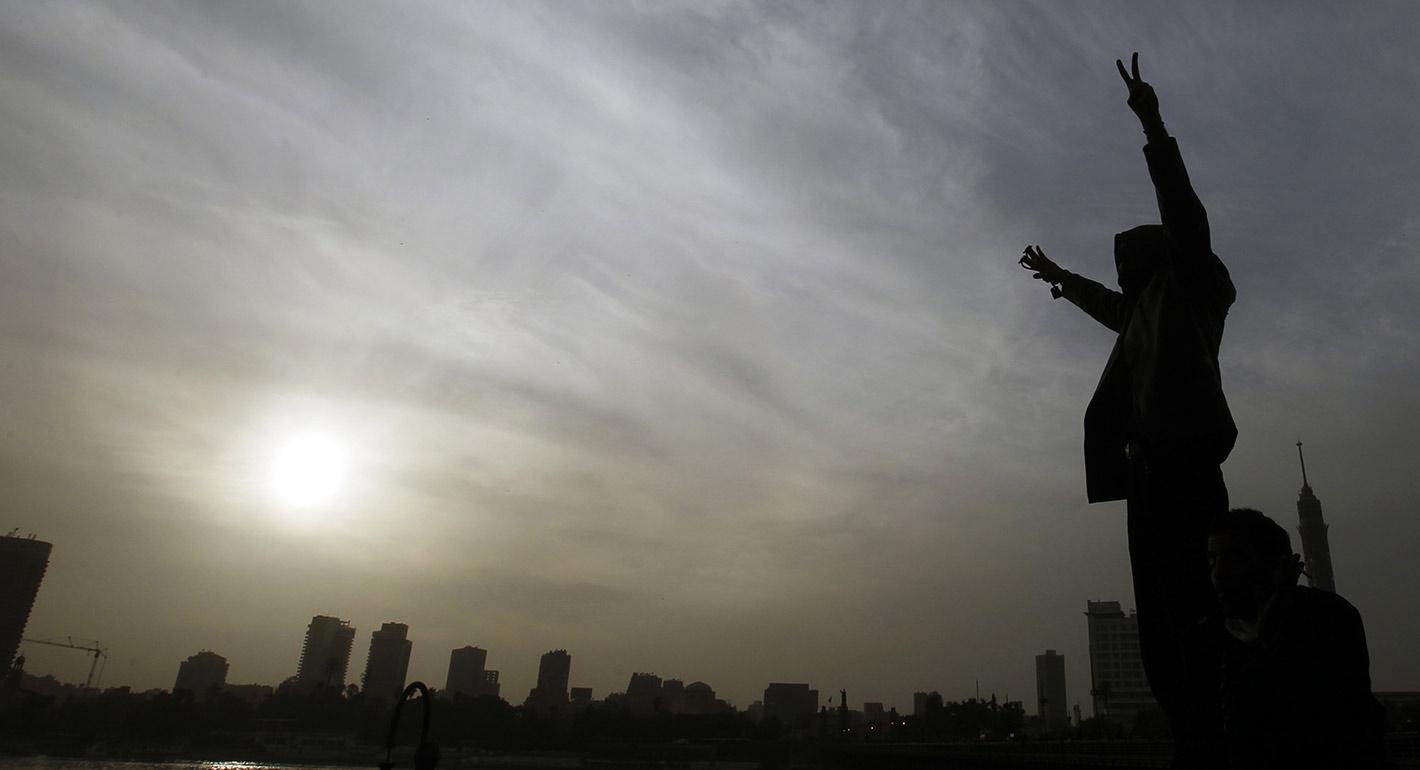
As the tenth anniversary of the first uprising of the Arab Spring approaches, massive and sustained popular uprisings in Sudan, Algeria, Iraq, and Lebanon have shown that the Arab world is far from finished with the question of democracy.
Source: Journal of Democracy
As the tenth anniversary of the first uprising of the Arab Spring approaches, massive and sustained popular uprisings in Sudan, Algeria, Iraq, and Lebanon have shown that the Arab world is far from finished with the question of democracy. In each of these countries, protesters have connected grievances about economic hardships and corruption to issues of governance. They have demanded changes to undemocratic aspects of current power structures: sectarian bargains in Iraq and Lebanon, and military dominance in Sudan and Algeria.
The struggle of citizens of Arab-majority countries for more responsive, accountable, and participatory governance has been long and difficult. Vested interests both foreign and domestic have pushed back, often with great brutality. In Lebanon, the Arab country in which citizens long had the most individual freedom, sectarianism erupted into civil war in 1975. Even after the fighting ended, sectarian divisions constrained political competition and undermined accountability; they also opened the country to ongoing foreign intervention. Algeria's experiment with political pluralism in the early 1990s led into a decade of horrific civil war.
This article was originally published in the Journal of Democracy.
Carnegie does not take institutional positions on public policy issues; the views represented herein are those of the author(s) and do not necessarily reflect the views of Carnegie, its staff, or its trustees.
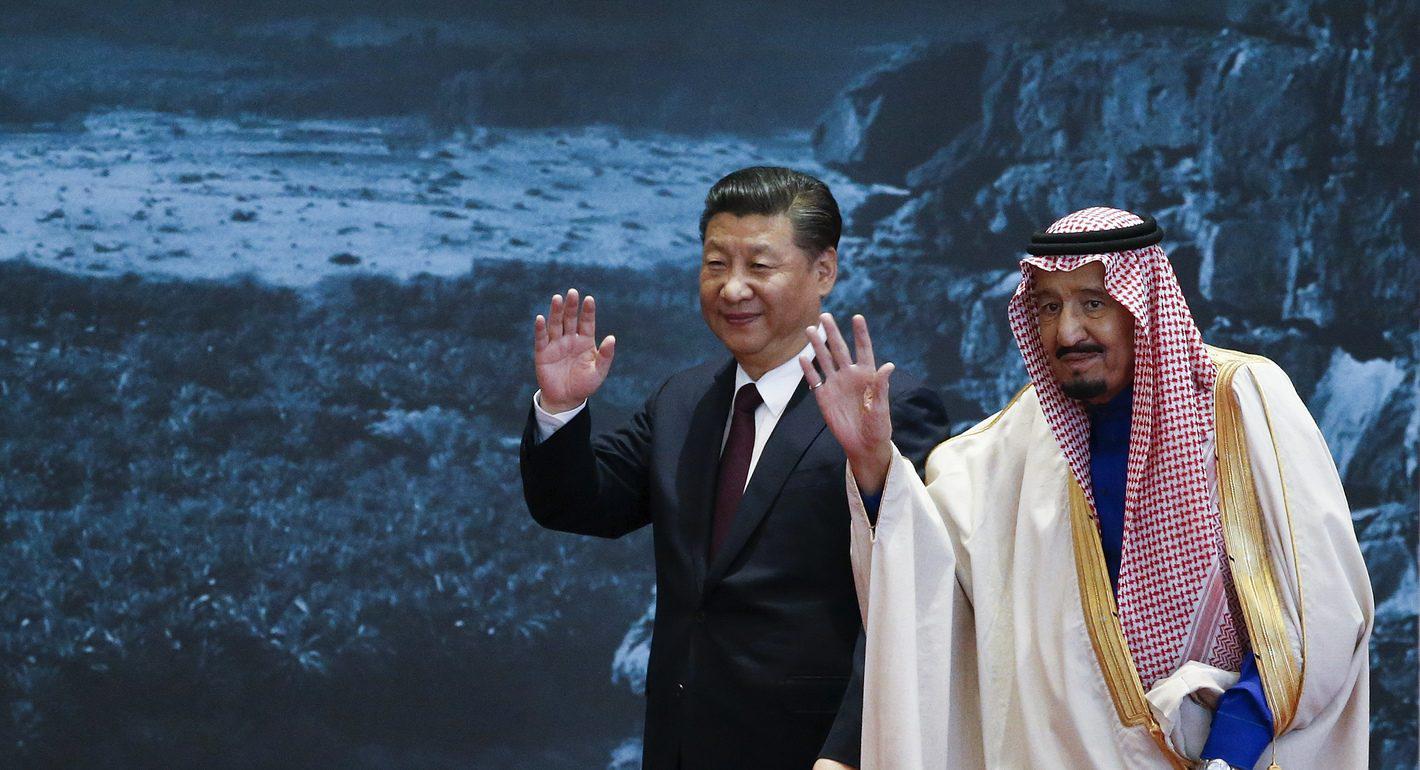
The advantage that China has over other global powers, especially America, is that its foreign policy is closely aligned with those of many of the Middle Eastern countries.

Jin Liangxiang, Maha Yahya, Hesham Alghannam
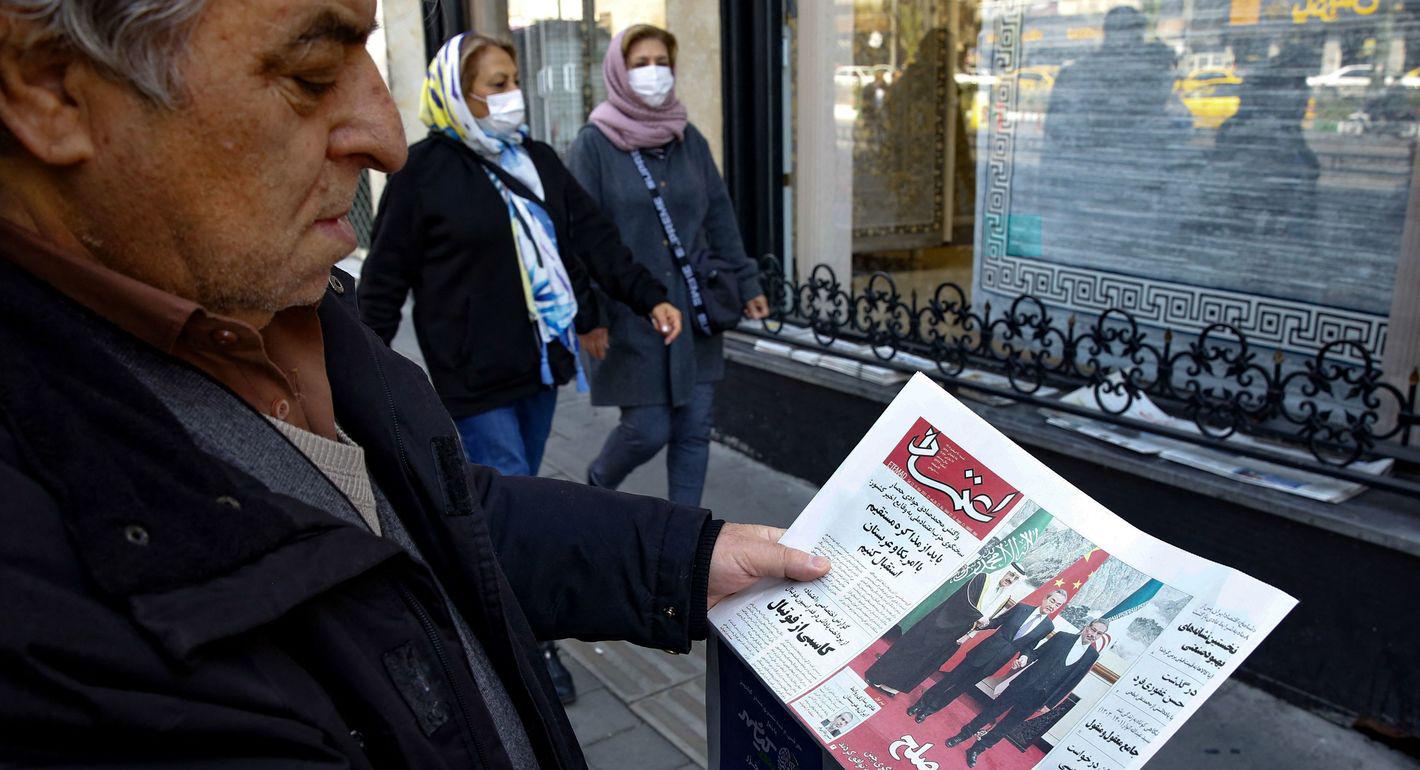
Transactional relationships are stable but can be shallow.


Paul Haenle, Maha Yahya, Benjamin Ho, …
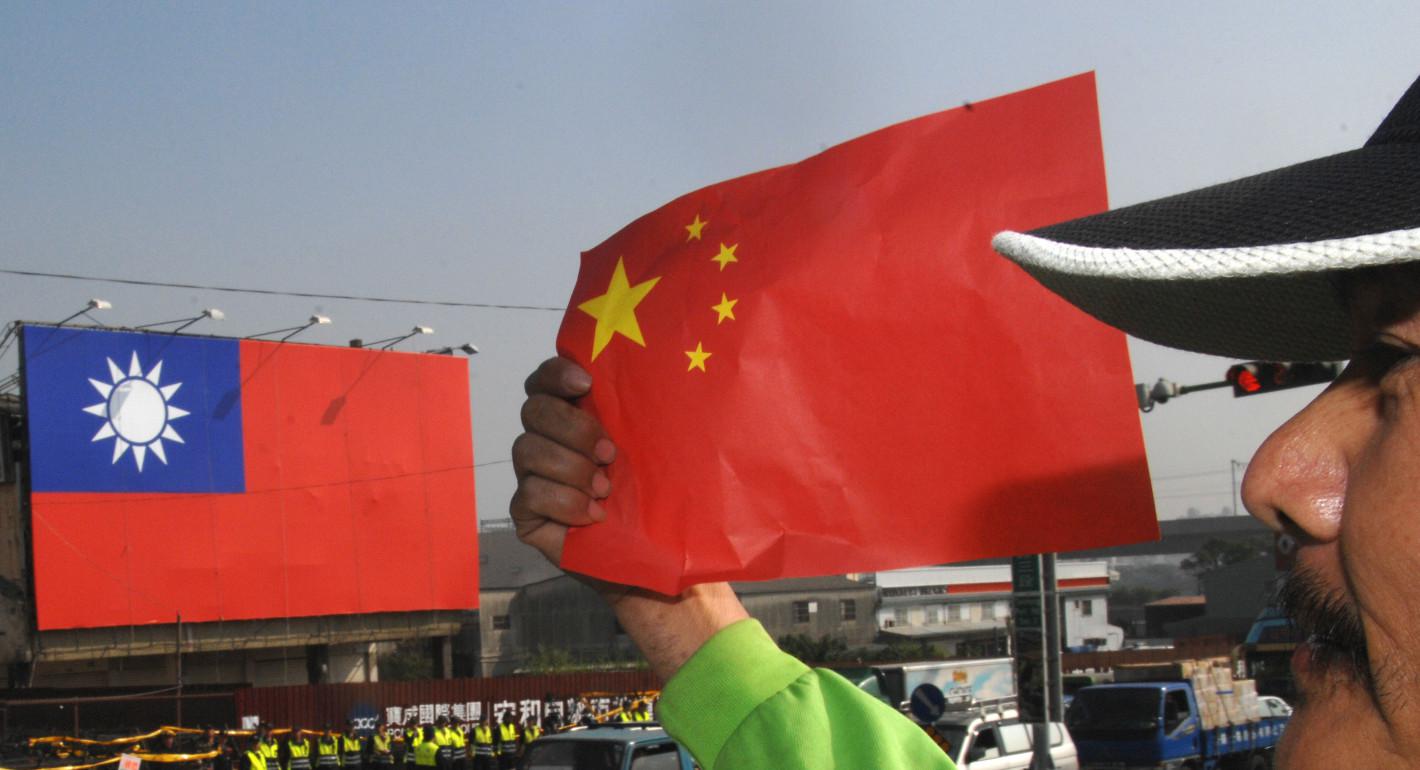
Beijing says that over 180 countries accept its “one China principle” regarding Taiwan, but the reality is more complicated.

Chong Ja Ian
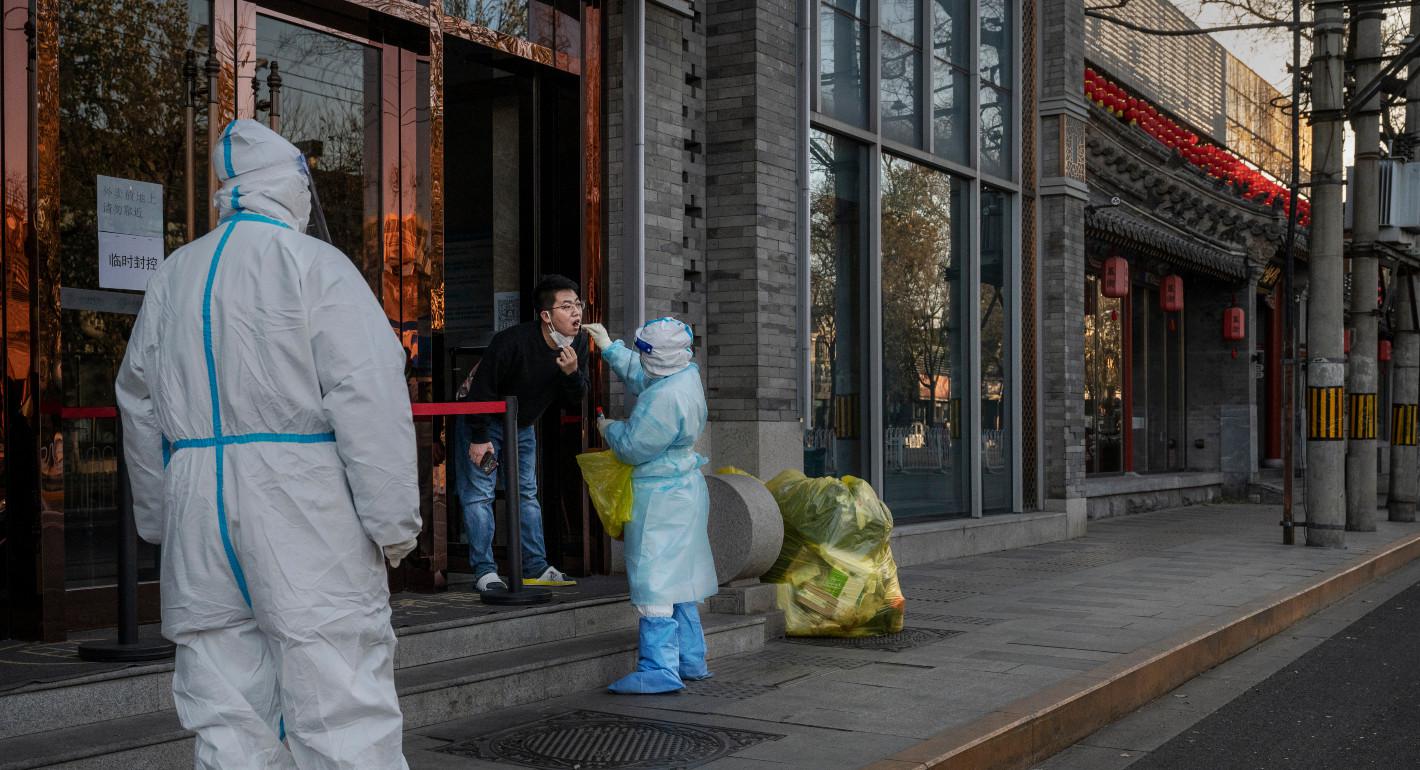
Beijing must choose between preserving its pandemic narrative or facing more unrest.
Paul Haenle
It’s about managing oil prices, bread prices, and strategic partnerships.

Amr Hamzawy, Karim Sadjadpour, Aaron David Miller, …