

Commentary
While the Trump administration is consumed with the coronavirus, China and North Korea are seizing the moment for strategic advantage.
Paul Haenle
{
  "authors": [
    "Tatiana Stanovaya"
  ],
  "type": "commentary",
  "centerAffiliationAll": "",
  "centers": [
    "Carnegie Endowment for International Peace",
    "Carnegie Russia Eurasia Center"
  ],
  "collections": [
    "Inside Russia",
    "Coronavirus"
  ],
  "englishNewsletterAll": "",
  "nonEnglishNewsletterAll": "",
  "primaryCenter": "Carnegie Endowment for International Peace",
  "programAffiliation": "",
  "programs": [],
  "projects": [],
  "regions": [],
  "topics": []
}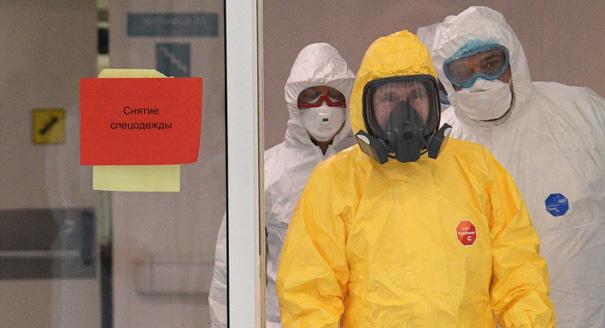
The fight against the new coronavirus in Russia is being led not by politicians oriented on the public mood, but by managers serving their boss. This is why the authorities’ actions appear first insufficient, then excessive; first belated, then premature.
The twentieth anniversary of Vladimir Putin’s ascendance to power in Russia has coincided with the worst crisis for the Putin system in all that time. A public vote on approving constitutional reform has been postponed, oil prices have plummeted, and the world as we know it is changing beyond recognition amid the coronavirus pandemic. No one knows how long it will last, or what the cost of the transition to this new reality will be. The durability of Putin’s regime is being put to the test.
One of the main subjects of discussion right now is why Putin is keeping such a low profile in the response to the coronavirus epidemic. He has only addressed the nation twice, both times briefly, and visited a hospital, but has not proposed an action plan, sticking instead to disjointed measures. There has been no dramatic appeal, no empathy or call to mobilize.
Putin’s absence in certain matters is often explained away as his reluctance to be associated with unpopular measures, and an attempt to shift responsibility onto subordinates. But there are two circumstances that undermine that explanation.
First, Putin has not particularly shied away from unpopular decisions in the past, such as raising the retirement age in 2018. He does what he considers necessary, regardless of the political risks, and without discussion or lengthy deliberation. The president can be criticized for many things, but being afraid to take responsibility is not one of them.
Second, who is to say that Putin’s involvement in the battle against the coronavirus would damage his ratings? If keeping his distance is meant to be a way of retaining his popularity, then its effectiveness is in doubt. In critical situations, presidents are expected to be present and decisive. The ratings of Angela Merkel in Germany, Emmanuel Macron in France, and Giuseppe Conte in Italy are on the rise, while appearing remote at a time like this smacks of weakness and confusion.
It seems, therefore, that a different perception of the situation might be behind the president’s behavior. Putin simply doesn’t see the threat from the epidemic as part of the presidential agenda. He is used to focusing on issues that, as he sees it, determine the country’s future in the global arena, its geopolitical position. Sending planeloads of aid to the United States and medical equipment to Italy is big politics at a presidential level. Deciding what quarantine measures should be put in place in which regions and what the fines should be for violating those measures is a job for less senior personnel.
There are two aspects to Putin’s actions right now. The first is delegation: the president intends to leave the routine work to the “professionals” and distance himself from it—not to save his ratings, but out of geopolitical arrogance. Following Russia’s annexation of Crimea, Putin ceased to be a politician, and began to consider himself a historical figure. Politicians are held accountable, stand for election, and are monitored. Historical figures are not held to account or monitored; they legitimize themselves through their historical achievements. Under this approach, any irritation from society is seen as the result of mistakes by the figure’s subordinates.
The second aspect of Putin’s behavior is an attempt to jump-start the state machinery, which has forgotten how to act independently. The fight against the coronavirus in Russia is being led not by politicians oriented on the public mood, but by managers serving their boss. This means that both no one and everyone is answerable for the final outcome, and this is why the authorities’ actions appear first insufficient, then excessive; first belated, then premature.
The president’s episodic appearances are not enough to overcome the disorientation of the state machinery. The further the crisis develops, the more noticeable it becomes that without Putin’s personal and detailed input, the power vertical descends into the chaos of uncoordinated decisions, when the left hand doesn’t know what the right is doing.
On March 14, the president approved the creation of a coordination council under the government to fight the epidemic. That council is headed by Prime Minister Mikhail Mishustin. But, almost immediately, Putin created a parallel structure—a working group under the State Council—and appointed Moscow Mayor Sergei Sobyanin its head.
Right from the start, the functions of Mishustin and Sobyanin were contradictory. The Moscow authorities are concerned with containing the coronavirus, while the prime minister was appointed to his job to bring about an economic breakthrough. Sobyanin’s policy of self-isolation and quarantine is thwarting the government’s efforts to mobilize the economy.
The prime minister is essentially a hostage of the regional governors who, in the absence of a comprehensible overall plan, are acting at their own discretion. The problem is not even that there is no one to take on the role of solutions coordinator who could determine the balance between priorities, i.e., between the economy and quarantine: Putin delegated that function to Mishustin. The problem is that the current system simply doesn’t provide for that kind of role for the prime minister.
The president expects efficiency from his subordinates, but they have gotten used to merely implementing decisions made by others, and have now forgotten how to generate their own. The authorities at all levels are inventing new norms because they don’t want to officially take responsibility or formalize actions that Putin might not like, and which could have legal consequences. The more lawlessness, the fewer rights your enemies have: this is the main safety net for Putin’s managers, from the security services to the governors.
There is no dialogue in Russia between society and the authorities, and the problem of the leadership deficit is not just managerial, but political. The state is becoming nothing more than a monitoring mechanism for coercion, and is losing its legitimacy.
In its twentieth year, the Putin system is closing in on itself and self-isolating from society. The fight against the epidemic will continue, but its aim is not to protect people, but to be able to serve each individual managerial cog in the machine.
Carnegie does not take institutional positions on public policy issues; the views represented herein are those of the author(s) and do not necessarily reflect the views of Carnegie, its staff, or its trustees.
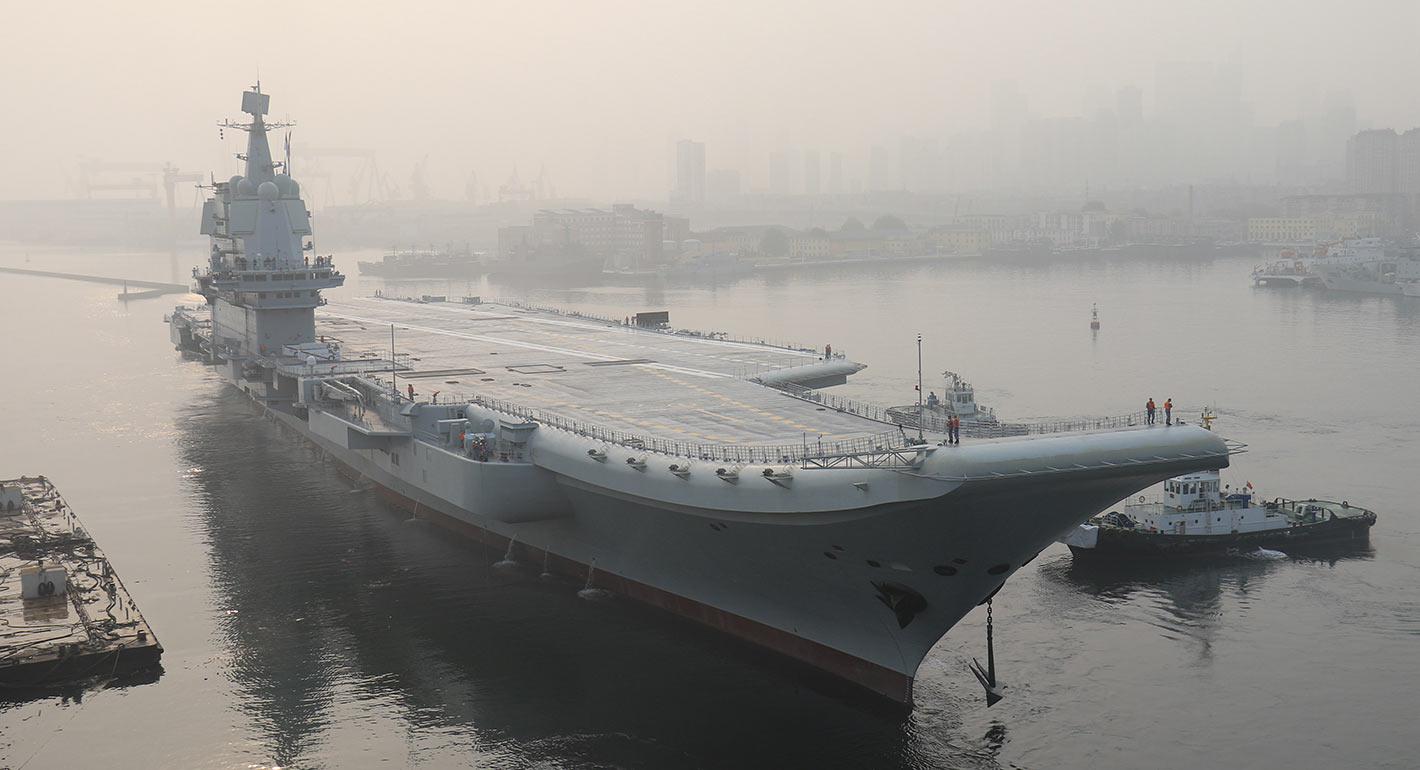
While the Trump administration is consumed with the coronavirus, China and North Korea are seizing the moment for strategic advantage.
Paul Haenle
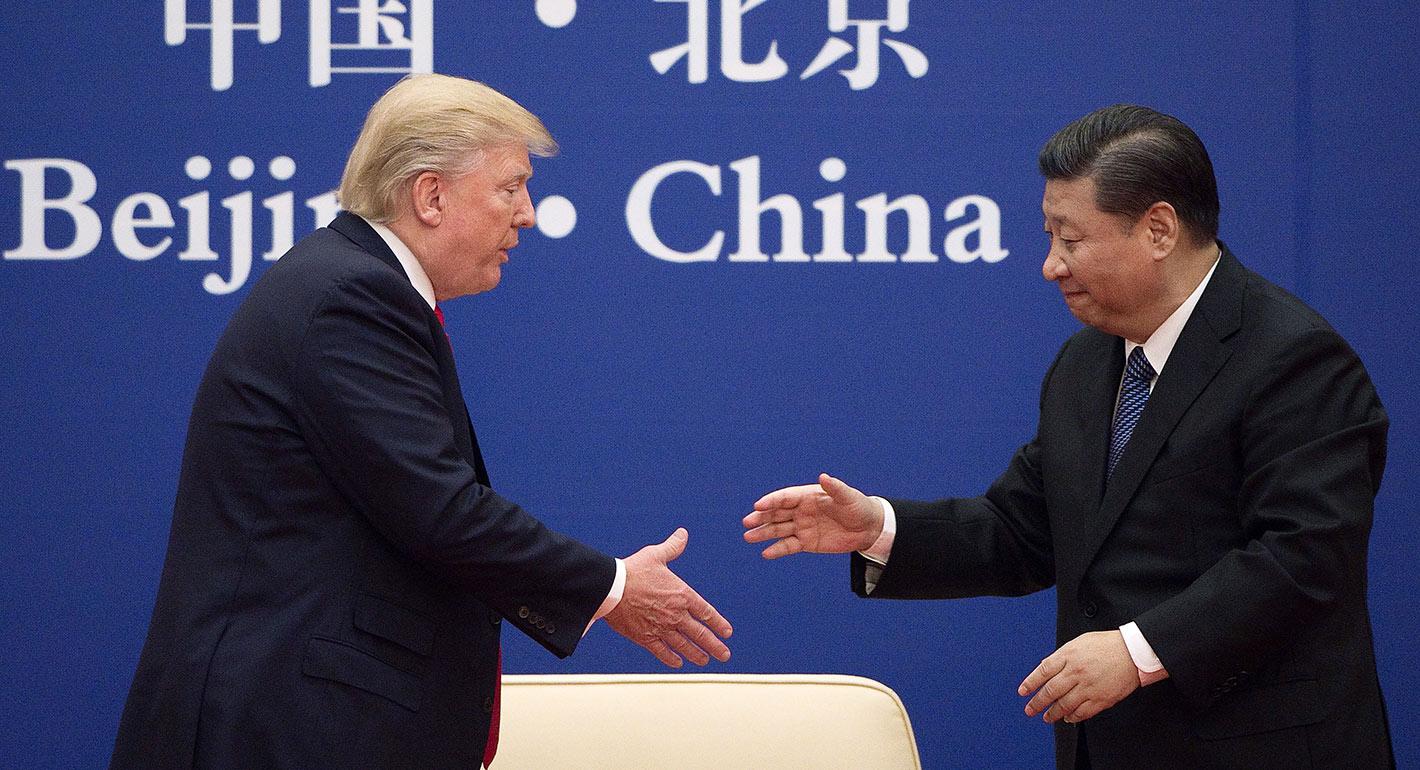
The United States and China worked together to combat the SARS and H5N1 outbreaks, but the new coronavirus has been met with finger-pointing and recrimination.
Paul Haenle, Lucas Tcheyan
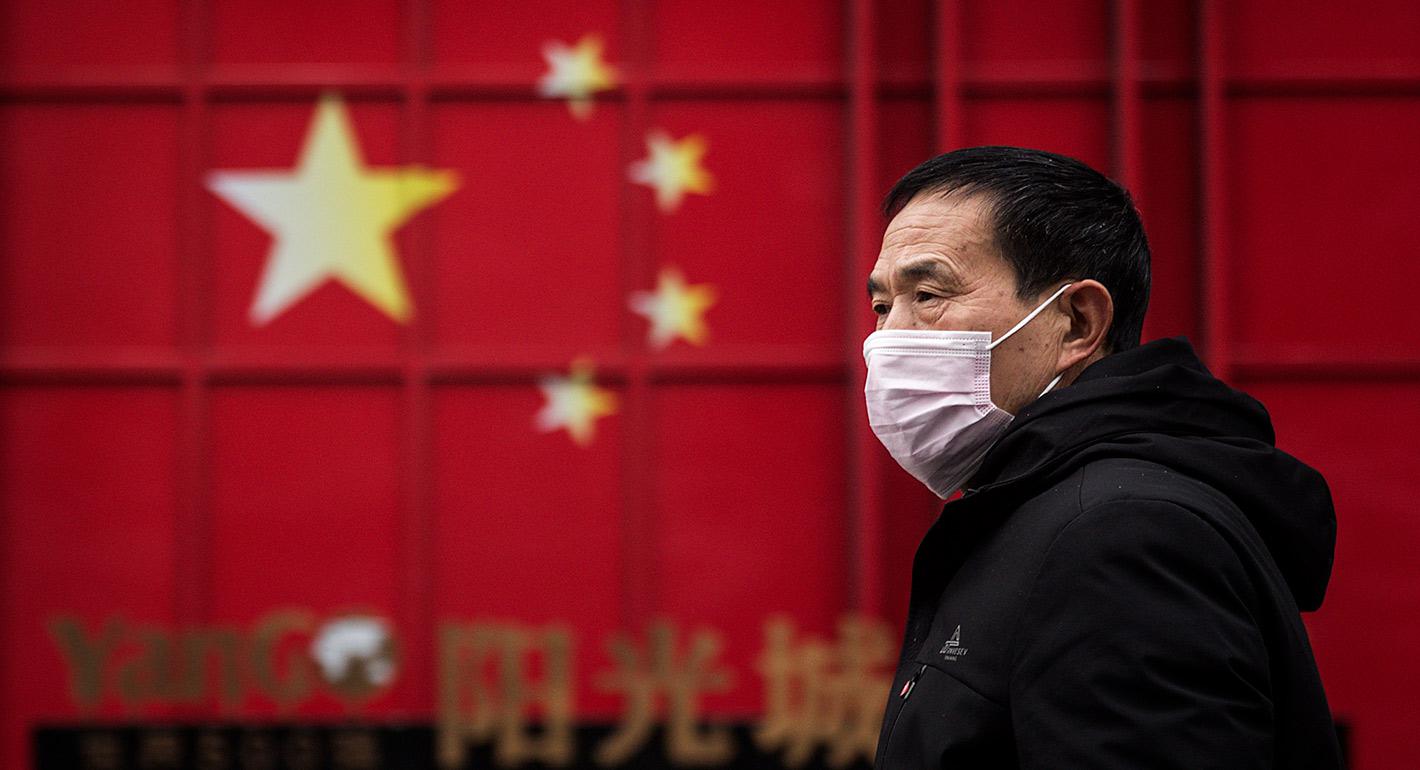
China has tried to carefully manage relations with the United States while deploying its expanded economic and military strength around the world. The coronavirus has further strained China’s ties with the United States and raised questions about Beijing’s global leadership.
Paul Haenle
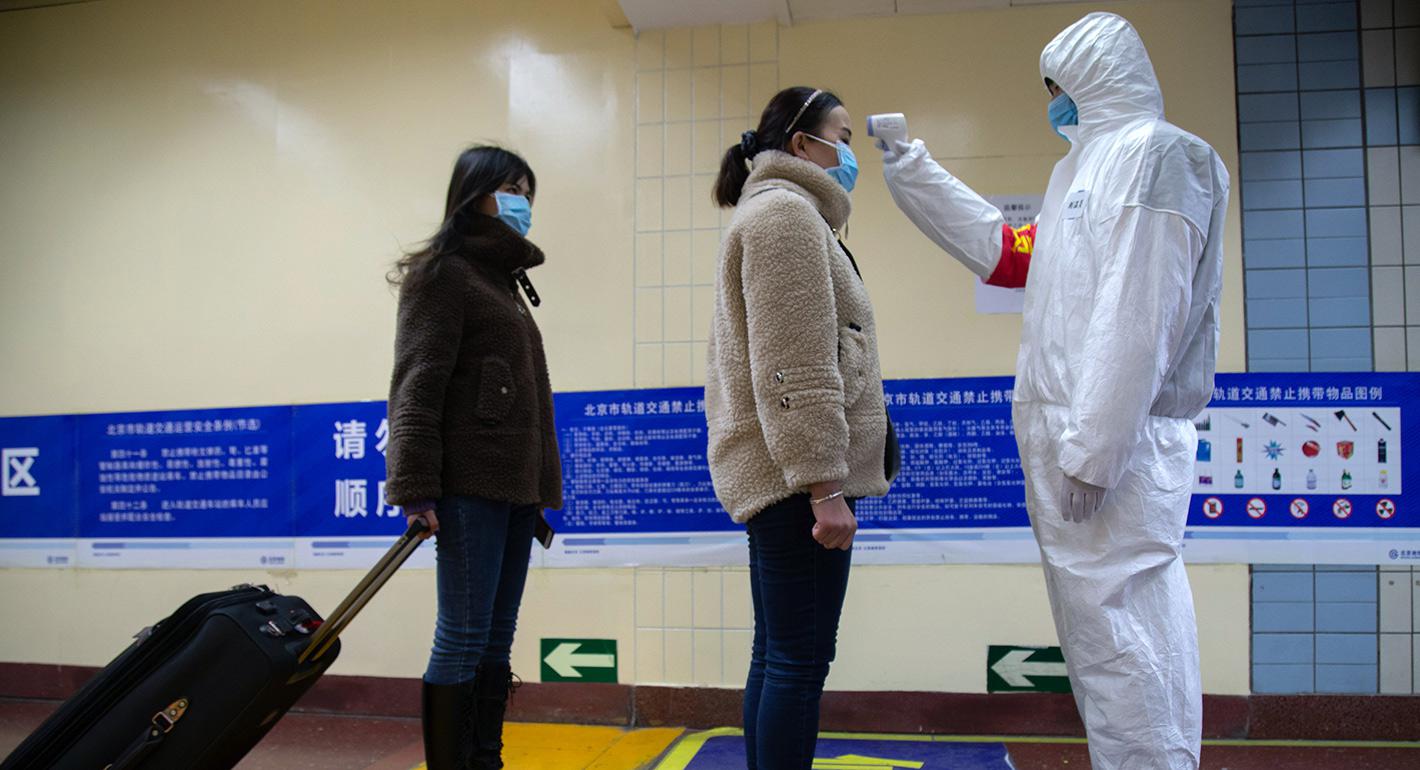
The coronavirus outbreak has exposed just how difficult it’s becoming for China and the United States to cooperate—even in situations when the lives of their citizens are at stake.
Paul Haenle, Lucas Tcheyan
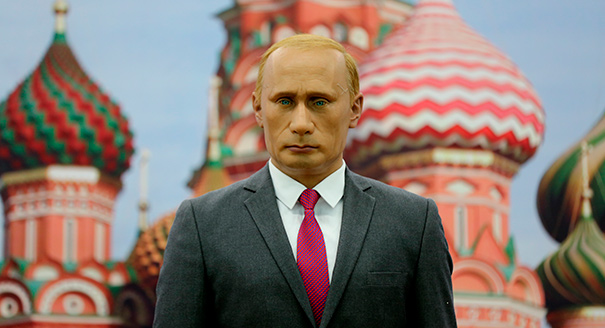
By co-opting the masses against the elite, the President Putin has shaped Russia to echo his values and grievances. And now he’s working to secure his legacy.
Dmitri Trenin