

Commentary
While China will remain a significant political and economic force in the Global South, its ambition to leverage the Global South as a counterbalance to the United States and the Global North is far from assured.
Xue Gong
{
  "authors": [
    "Milan Vaishnav",
    "Madhav Khosla"
  ],
  "type": "legacyinthemedia",
  "centerAffiliationAll": "",
  "centers": [
    "Carnegie Endowment for International Peace"
  ],
  "collections": [],
  "englishNewsletterAll": "",
  "nonEnglishNewsletterAll": "",
  "primaryCenter": "Carnegie Endowment for International Peace",
  "programAffiliation": "",
  "programs": [
    "South Asia"
  ],
  "projects": [],
  "regions": [
    "South Asia",
    "India"
  ],
  "topics": [
    "Democracy"
  ]
}
REQUIRED IMAGE
For more than seven decades, India’s Constitution has provided a framework for liberal democracy to flourish in one of the world’s most diverse societies. Legal changes and shifts in bureaucratic practices, however, have undermined the rule of law, equal citizenship, checks and balances, and democratic accountability.
Carnegie does not take institutional positions on public policy issues; the views represented herein are those of the author(s) and do not necessarily reflect the views of Carnegie, its staff, or its trustees.
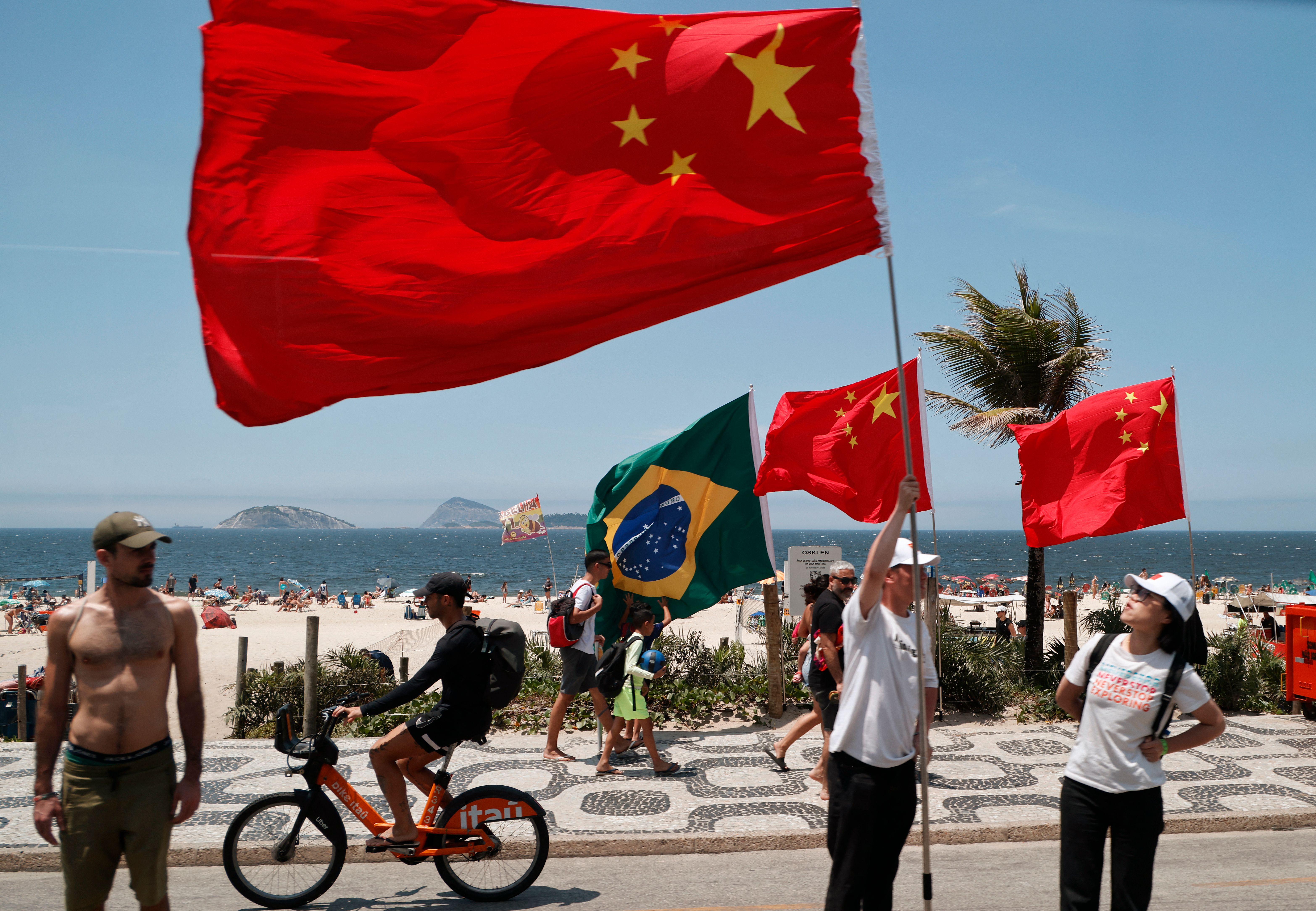
While China will remain a significant political and economic force in the Global South, its ambition to leverage the Global South as a counterbalance to the United States and the Global North is far from assured.
Xue Gong
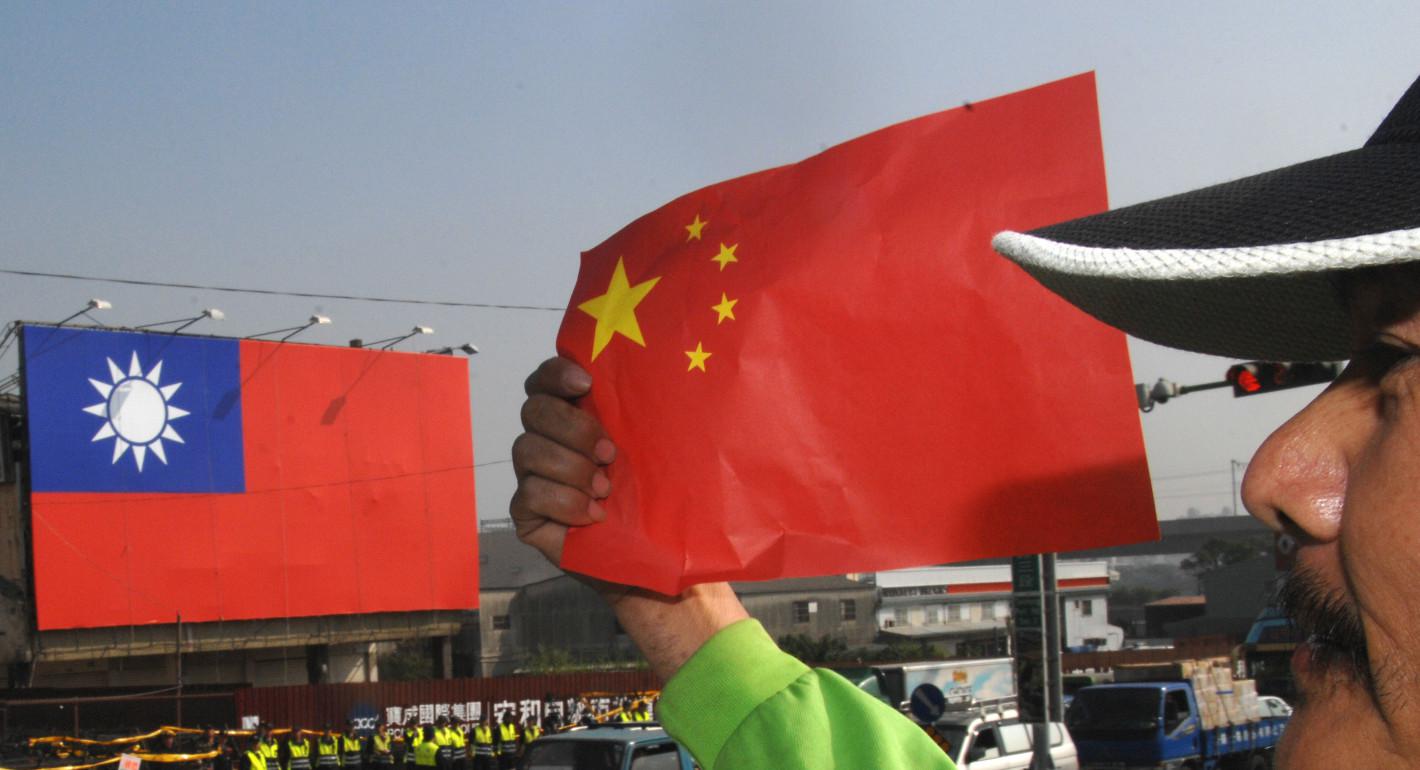
Beijing says that over 180 countries accept its “one China principle” regarding Taiwan, but the reality is more complicated.

Chong Ja Ian
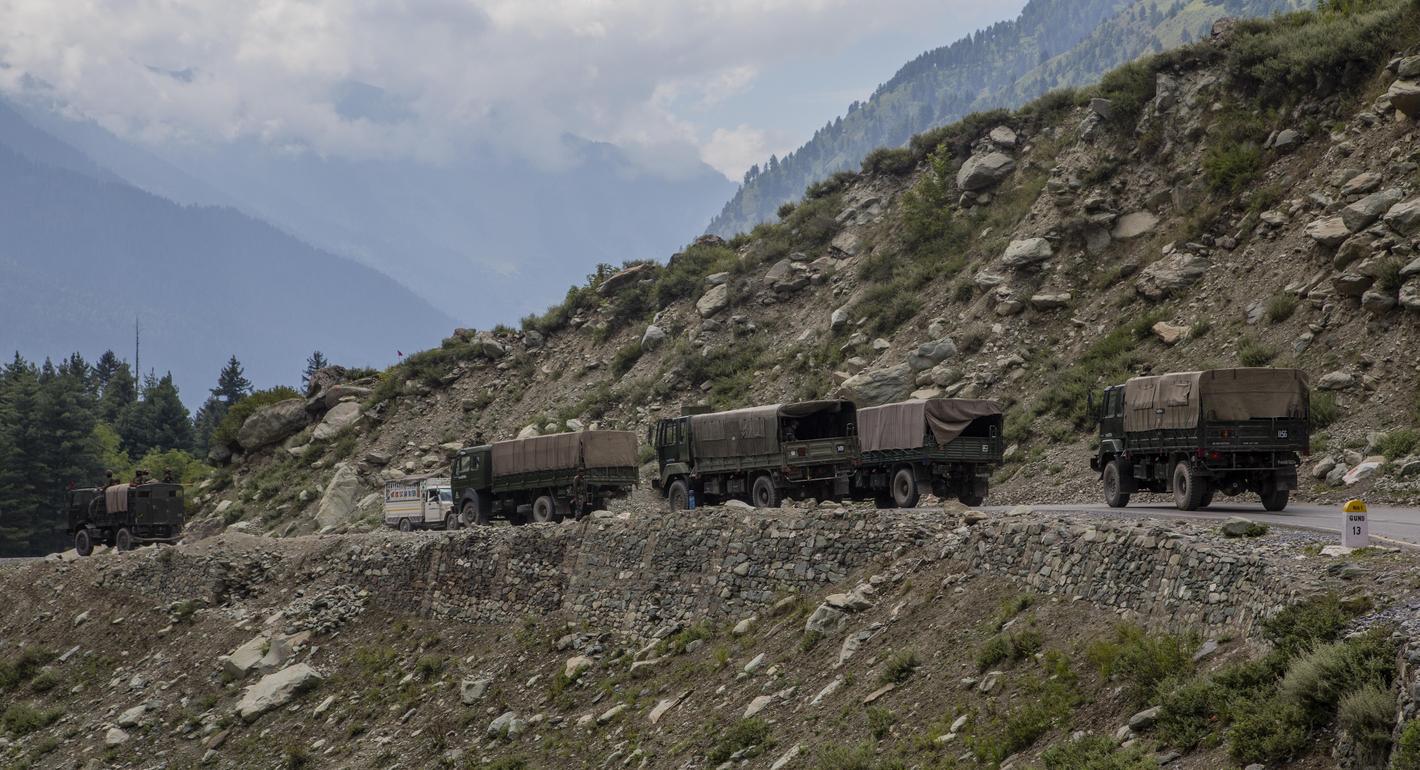
Can China and India disengage from contested territories along the border?

Paul Haenle, Ashley J. Tellis, Han Hua, …
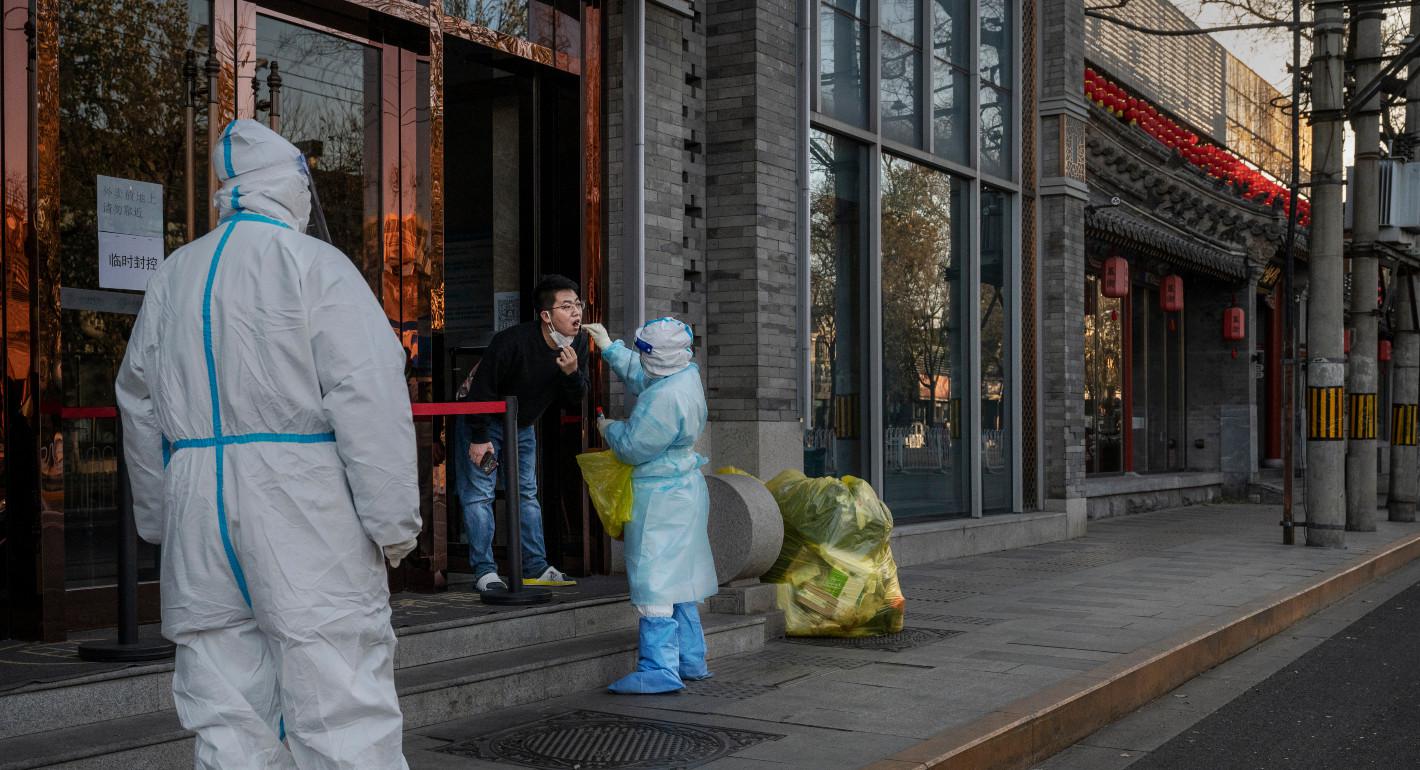
Beijing must choose between preserving its pandemic narrative or facing more unrest.
Paul Haenle
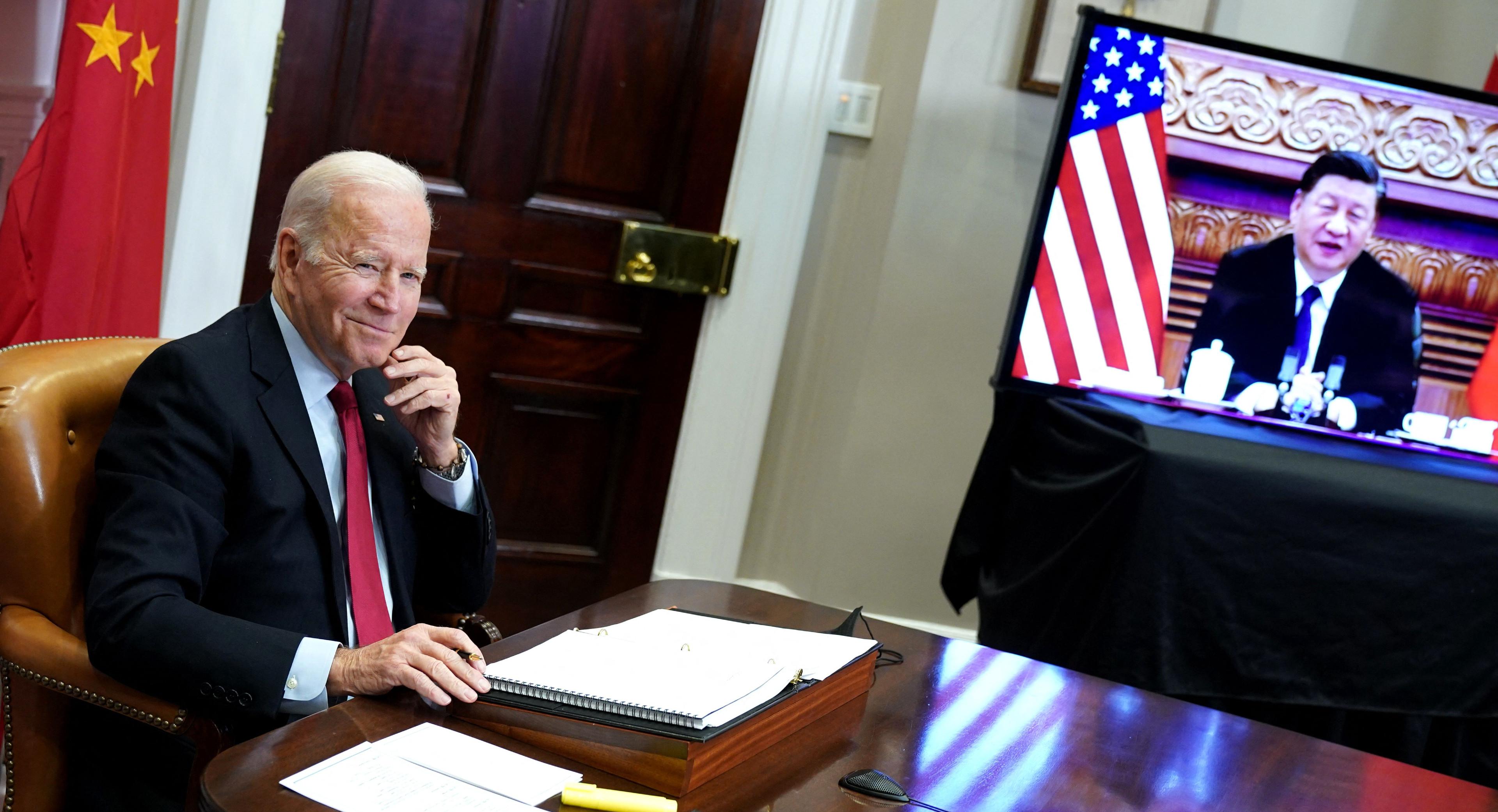
Three months after the Biden-Xi summit, the two sides’ divergent framings of the bilateral relationship are hindering progress.
Paul Haenle, Sam Bresnick