

Commentary
While the Trump administration is consumed with the coronavirus, China and North Korea are seizing the moment for strategic advantage.
Paul Haenle
{
  "authors": [
    "Alexander Gabuev",
    "Polina Ivanova",
    "Henry Foy"
  ],
  "type": "commentary",
  "centerAffiliationAll": "",
  "centers": [
    "Carnegie Endowment for International Peace",
    "Carnegie Russia Eurasia Center"
  ],
  "collections": [
    "Coronavirus"
  ],
  "englishNewsletterAll": "",
  "nonEnglishNewsletterAll": "",
  "primaryCenter": "Carnegie Endowment for International Peace",
  "programAffiliation": "",
  "programs": [],
  "projects": [],
  "regions": [],
  "topics": []
}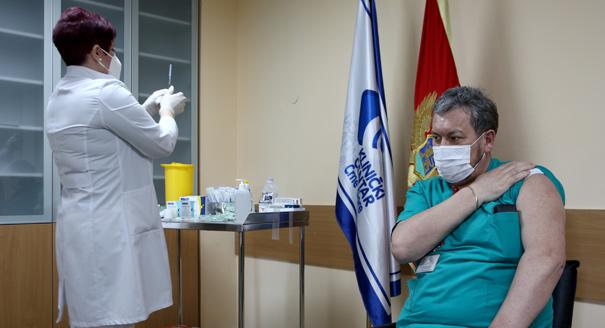
This episode looks at the domestic and international reception of Russia’s Sputnik V vaccine.
Is Russia’s Sputnik V coronavirus vaccine as successful as the Kremlin claims? Are political considerations really preventing it from getting approval in Western countries? Why is the vaccination rate so low in Russia, and why didn’t Putin get vaccinated sooner? Podcast host Alex Gabuev is joined by Henry Foy, Moscow bureau chief of the Financial Times; and Polina Ivanova, a special correspondent for Reuters in Moscow.
Listen or download: SoundCloud | Subscribe: iTunes, Google Podcasts, Google Play, Spotify, RSS
Carnegie does not take institutional positions on public policy issues; the views represented herein are those of the author(s) and do not necessarily reflect the views of Carnegie, its staff, or its trustees.

While the Trump administration is consumed with the coronavirus, China and North Korea are seizing the moment for strategic advantage.

Paul Haenle
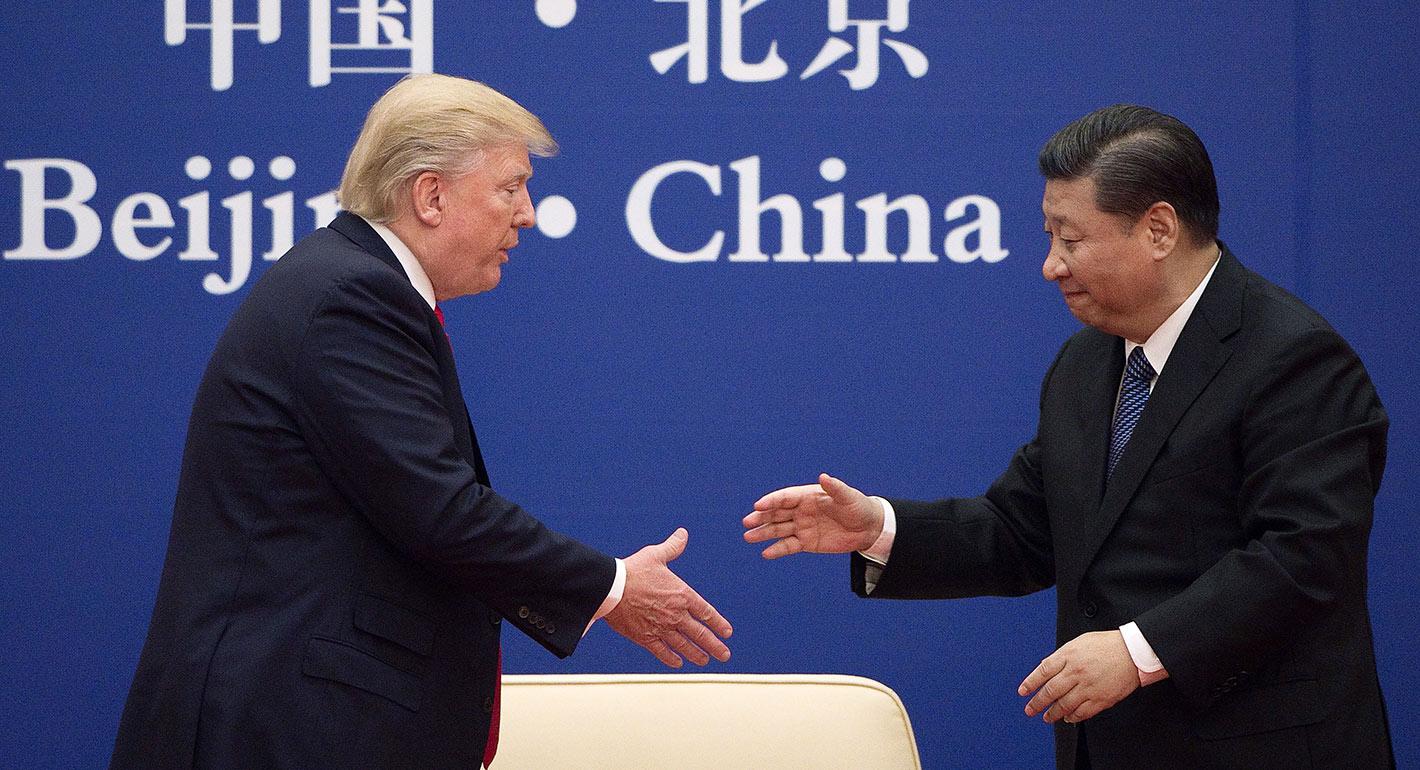
The United States and China worked together to combat the SARS and H5N1 outbreaks, but the new coronavirus has been met with finger-pointing and recrimination.
Paul Haenle, Lucas Tcheyan
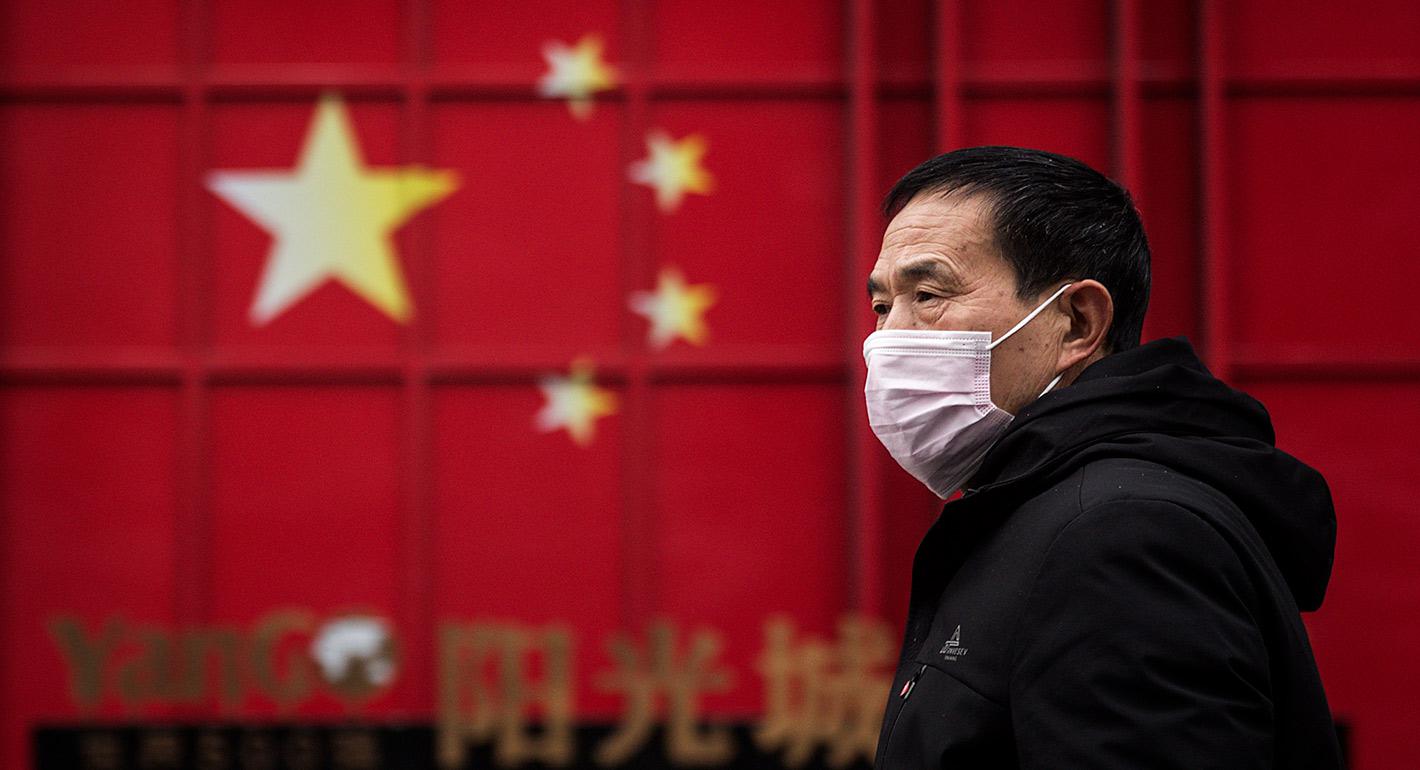
China has tried to carefully manage relations with the United States while deploying its expanded economic and military strength around the world. The coronavirus has further strained China’s ties with the United States and raised questions about Beijing’s global leadership.
Paul Haenle
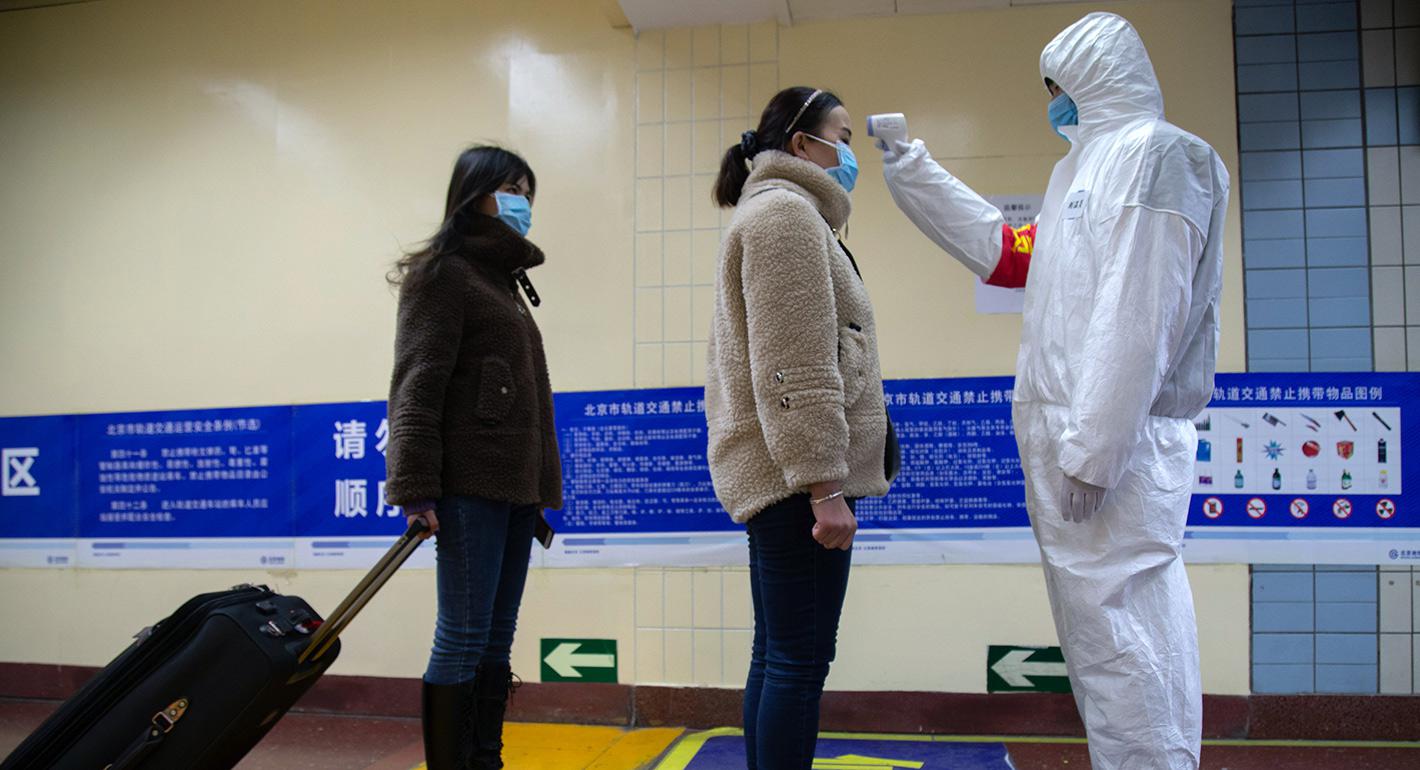
The coronavirus outbreak has exposed just how difficult it’s becoming for China and the United States to cooperate—even in situations when the lives of their citizens are at stake.
Paul Haenle, Lucas Tcheyan