

Commentary
Malaysia’s chairmanship sought to fend off short-term challenges while laying the groundwork for minimizing ASEAN’s longer-term exposure to external stresses.
Elina Noor
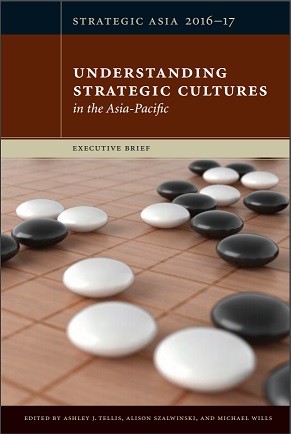
This book examines how the region’s major political powers view international politics and the use of military force.
Source: National Bureau of Asian Research
Co-edited and introduced by Ashley J. Tellis, Strategic Asia 2016-17: Understanding Strategic Cultures in the Asia-Pacific examines how the region's major powers view international politics and the use of military force. In each chapter, a leading expert analyzes the ideological and historical sources of a country's strategic culture, how strategic culture informs the thinking of the country's policymakers, and how these understandings lead to decisions about the pursuit of strategic objectives and national power.
Order this book, or read the introduction by Ashley J. Tellis for free.
Ashley J. Tellis is a senior associate at the Carnegie Endowment for International Peace and research director of the Strategic Asia Program at the National Bureau of Asian Research (NBR).
Alison Szalwinski is assistant director for political and security affairs at NBR.
Michael Wills is senior vice president of research and operations at NBR.
Carnegie does not take institutional positions on public policy issues; the views represented herein are those of the author(s) and do not necessarily reflect the views of Carnegie, its staff, or its trustees.
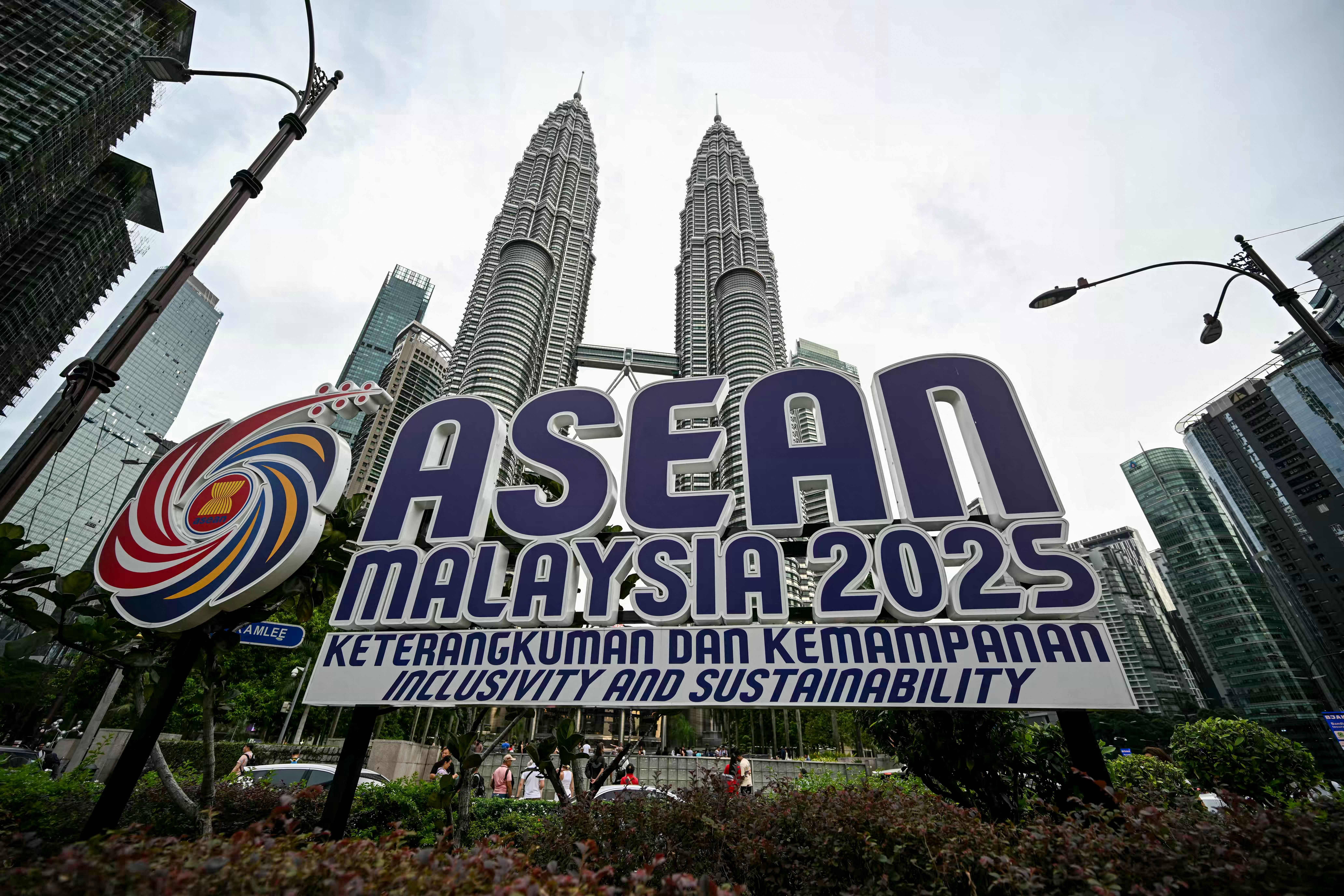
Malaysia’s chairmanship sought to fend off short-term challenges while laying the groundwork for minimizing ASEAN’s longer-term exposure to external stresses.

Elina Noor
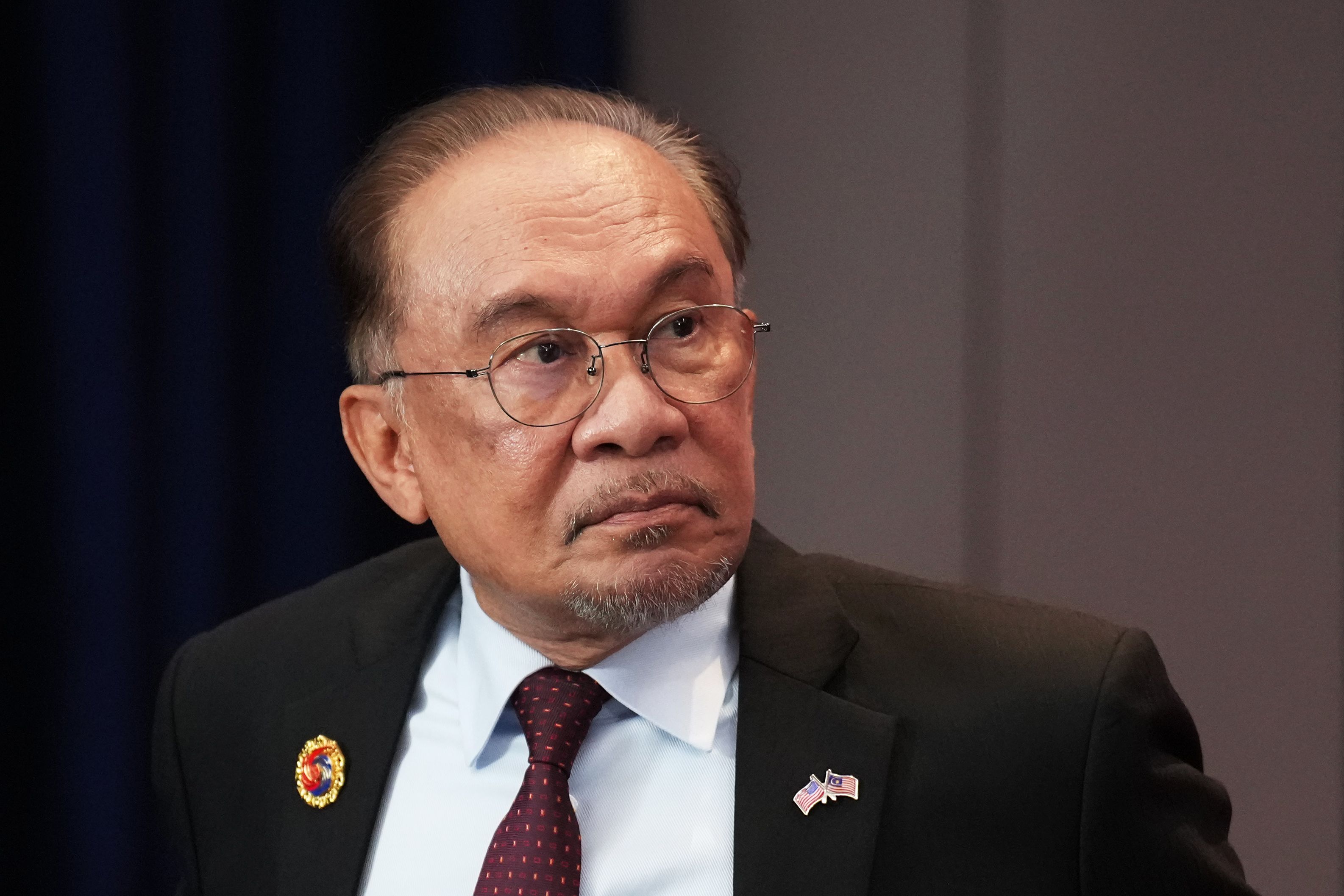
For Malaysia, the conjunction that works is “and” not “or” when it comes to the United States and China.
Elina Noor

ASEAN needs to determine how to balance perpetuating the benefits of technology cooperation with China while mitigating the risks of getting caught in the crosshairs of U.S.-China gamesmanship.
Elina Noor
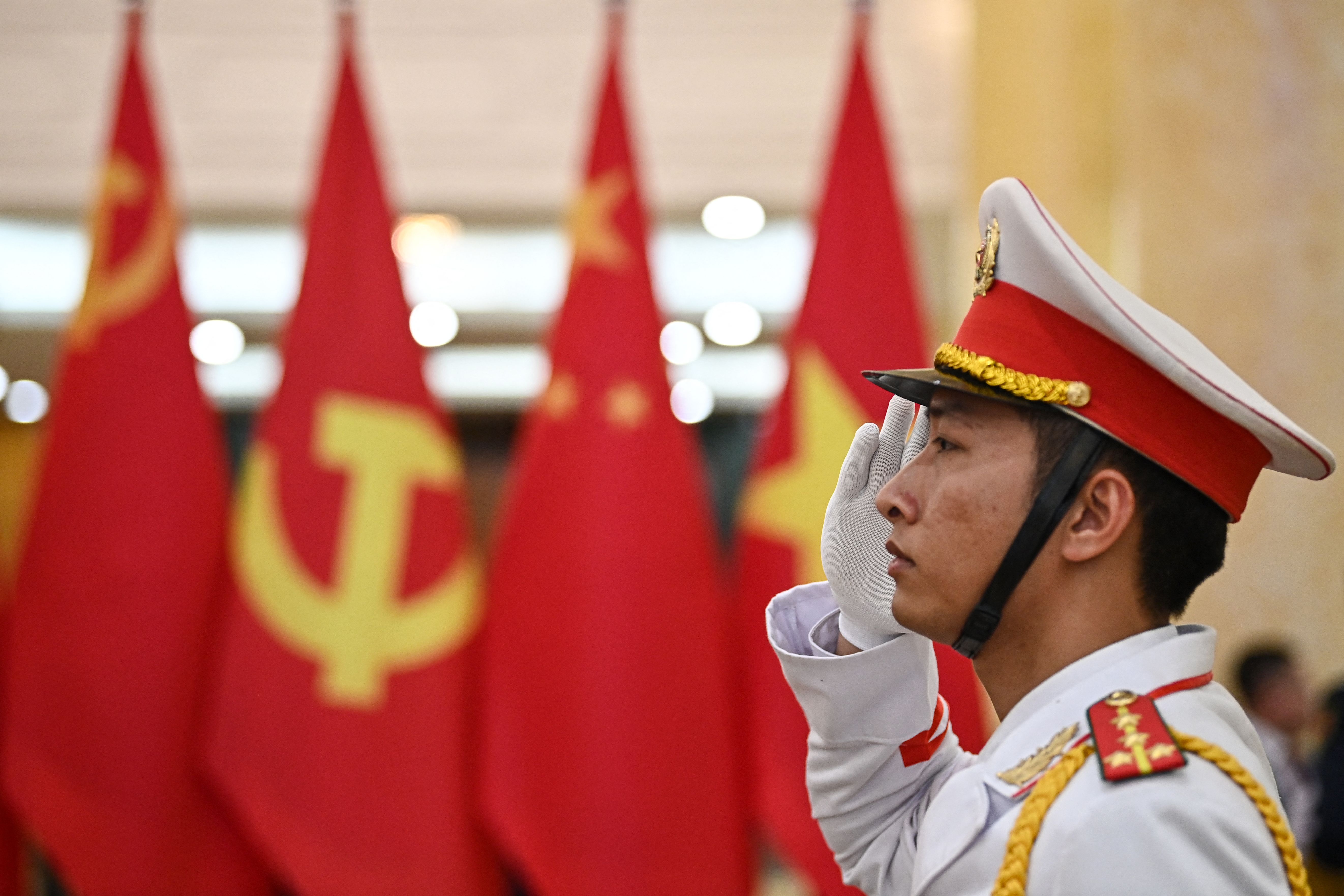
In July 2025, Vietnam and China held their first joint army drill, a modest but symbolic move reflecting Hanoi’s strategic hedging amid U.S.–China rivalry.

Nguyễn Khắc Giang

Regulation, not embargo, allows Beijing to shape how other countries and firms adapt to its terms.
Alvin Camba