• Research
  • About
  • Experts
Carnegie India logoCarnegie lettermark logo
Technology
{
  "authors": [
    "Marina Ottaway",
    "Amr Hamzawy"
  ],
  "type": "other",
  "centerAffiliationAll": "",
  "centers": [
    "Carnegie Endowment for International Peace"
  ],
  "collections": [],
  "englishNewsletterAll": "",
  "nonEnglishNewsletterAll": "",
  "primaryCenter": "Carnegie Endowment for International Peace",
  "programAffiliation": "",
  "programs": [
    "Democracy, Conflict, and Governance",
    "Middle East"
  ],
  "projects": [],
  "regions": [
    "Middle East"
  ],
  "topics": [
    "Political Reform",
    "Democracy",
    "Economy",
    "Foreign Policy"
  ]
}
REQUIRED IMAGE

REQUIRED IMAGE

Other

Political Reform in the Middle East: Can the United States and Europe Work Together?

Although the United States and Europe share in interest in promoting political reform in the Middle East, they have not yet worked out whether they can work productively together on this task. Recent efforts to forge joint initiatives have demonstrated a tendency to devolve into lowest common denominator approaches that generate only lukewarm commitment.

Link Copied
By Marina Ottaway and Amr Hamzawy
Published on Dec 10, 2004

Although the United States and Europe share in interest in promoting political reform in the Middle East, they have not yet worked out whether they can work productively together on this task. Recent efforts to forge joint initiatives have demonstrated a tendency to devolve into lowest common denominator approaches that generate only lukewarm commitment. A better way forward is for the United States and Europe to pursue separate but complementary policies that emphasize the respective strengths of each side—in the case of the United States, its power, in the case of Europe, its credibility in the Arab world.
Click link at right for full text.

Click on the link above for the full text of this Policy Outlook.

About the Authors
Marina Ottaway is a senior associate in the Democracy and Rule of Law Project at the Carnegie Endowment for International Peace. She works on problems of democratization and post-conflict transitions.
Amr Hamzawy is a senior associate in the Democracy and Rule of Law Project at the Carnegie Endowment for International Peace. He works on issues of political reform in the Middle East.

Authors

Marina Ottaway
Former Senior Associate, Middle East Program
Marina Ottaway
Amr Hamzawy
Director, Middle East Program
Amr Hamzawy
Political ReformDemocracyEconomyForeign PolicyMiddle East

Carnegie India does not take institutional positions on public policy issues; the views represented herein are those of the author(s) and do not necessarily reflect the views of Carnegie, its staff, or its trustees.

More Work from Carnegie India

  • Commentary
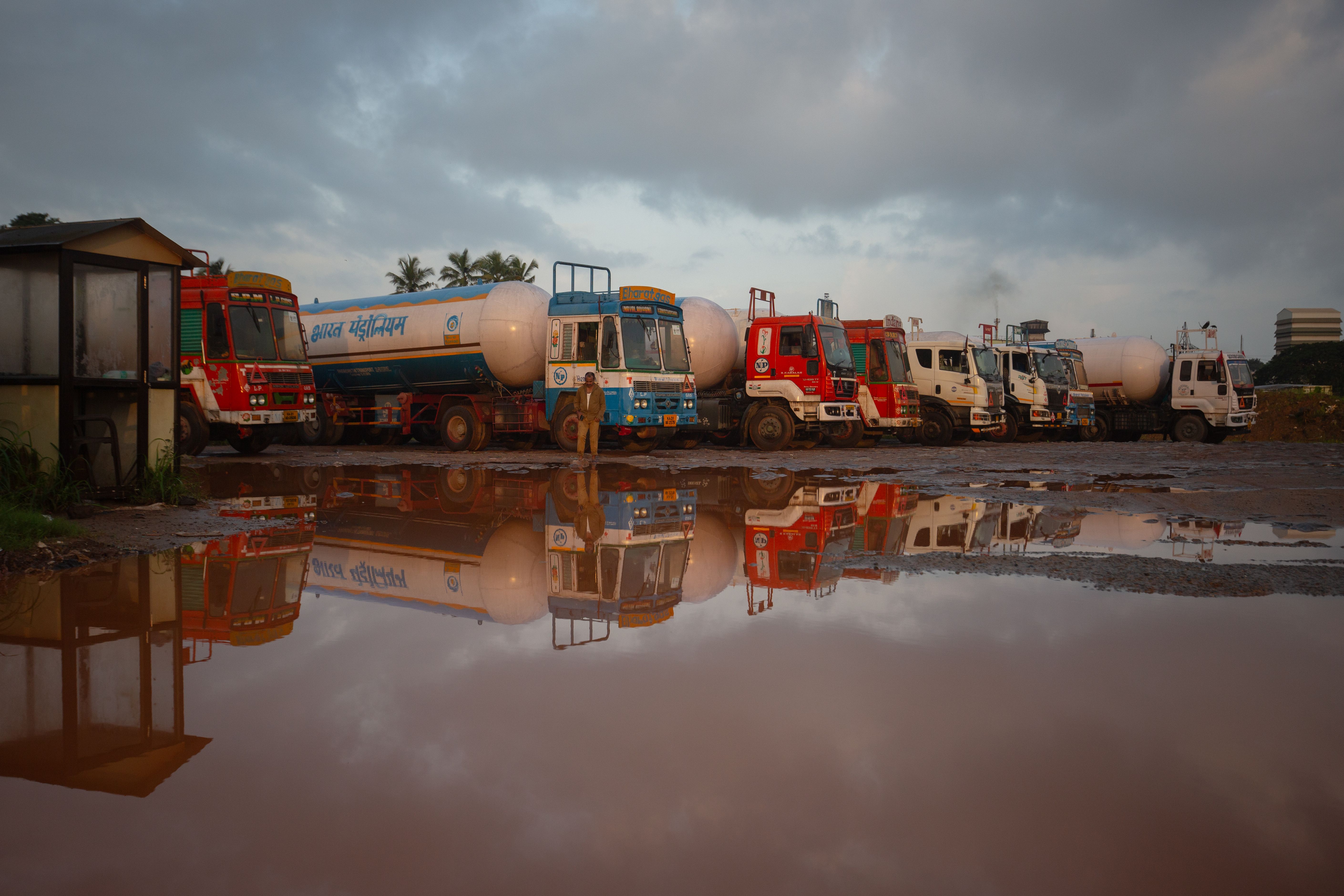
    The Impact of U.S. Sanctions and Tariffs on India’s Russian Oil Imports

    This piece examines India’s response to U.S. sanctions and tariffs, specifically assessing the immediate market consequences, such as alterations in import costs, and the broader strategic implications for India’s energy security and foreign policy orientation.

      Vrinda Sahai
  • Paper
    India-China Economic Ties: Determinants and Possibilities

    This paper examines the evolution of India-China economic ties from 2005 to 2025. It explores the impact of global events, bilateral political ties, and domestic policies on distinct spheres of the economic relationship.

      Santosh Pai

  • Commentary
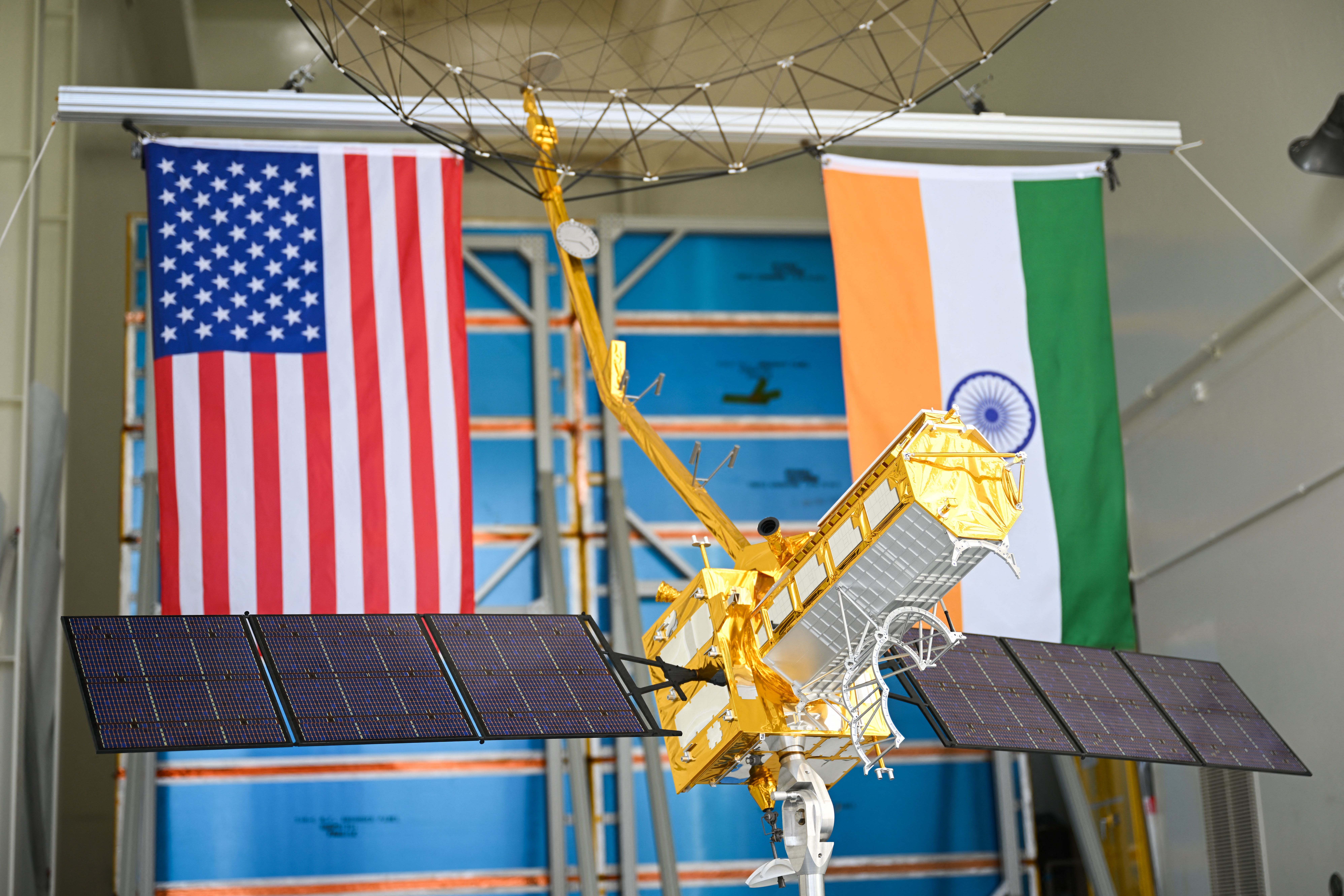
    NISAR Soars While India-U.S. Tariff Tensions Simmer

    On July 30, 2025, the United States announced 25 percent tariffs on Indian goods. While diplomatic tensions simmered on the trade front, a cosmic calm prevailed at the Sriharikota launch range. Officials from NASA and ISRO were preparing to launch an engineering marvel into space—the NASA-ISRO Synthetic Aperture Radar (NISAR), marking a significant milestone in the India-U.S. bilateral partnership.

      Tejas Bharadwaj

  • Commentary
    TRUST and Tariffs

    The India-U.S. relationship currently appears buffeted between three “Ts”—TRUST, Tariffs, and Trump.

      Arun K. Singh

  • Commentary
    Indian Airstrikes in Pakistan: May 7, 2025

    On May 7, 2025, between 1:05 and 1:30 a.m. (IST), airstrikes carried out by the Indian Air Force hit nine locations inside Pakistan and Pakistan occupied Kashmir (PoK). It was codenamed Operation Sindoor.

      Rudra Chaudhuri

Get more news and analysis from
Carnegie India
Carnegie India logo, white
Unit C-4, 5, 6, EdenparkShaheed Jeet Singh MargNew Delhi – 110016, IndiaPhone: 011-40078687
  • Research
  • About
  • Experts
  • Projects
  • Events
  • Contact
  • Careers
  • Privacy
  • For Media
Get more news and analysis from
Carnegie India
© 2026 Carnegie Endowment for International Peace. All rights reserved.