• Research
  • About
  • Experts
Carnegie India logoCarnegie lettermark logo
Technology
{
  "authors": [
    "Ashley J. Tellis"
  ],
  "type": "legacyinthemedia",
  "centerAffiliationAll": "",
  "centers": [
    "Carnegie Endowment for International Peace"
  ],
  "collections": [
    "U.S. Nuclear Policy"
  ],
  "englishNewsletterAll": "",
  "nonEnglishNewsletterAll": "",
  "primaryCenter": "Carnegie Endowment for International Peace",
  "programAffiliation": "",
  "programs": [
    "Nuclear Policy",
    "South Asia"
  ],
  "projects": [],
  "regions": [
    "North America",
    "United States",
    "India"
  ],
  "topics": [
    "Nuclear Policy"
  ]
}

Source: Getty

In The Media

U.S.-India Nuclear Disagreement

Link Copied
By Ashley J. Tellis
Published on Apr 23, 2007

Source: The Kojo Nnamdi Show

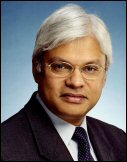
The United States and India made headlines in 2005 when they announced a deal to share U.S. civilian nuclear technology. Now, the agreement seems to be on the rocks, and officials from both countries are scrambling to salvage the deal. In an interview on The Kojo Nnamdi Show, Ashley Tellis, Senior Associate at the Carnegie Endowment, joined Edward Luce, Washington Bureau Chief of the Financial Times, to discuss the dispute and its impact on security in an increasingly strategic region.

Click here to listen to the audio or order a transcript.

Ashley J. Tellis
Former Senior Fellow
Nuclear PolicyNorth AmericaUnited StatesIndia

Carnegie India does not take institutional positions on public policy issues; the views represented herein are those of the author(s) and do not necessarily reflect the views of Carnegie, its staff, or its trustees.

More Work from Carnegie India

  • Commentary
    The PSLV Setback: Restoring India’s Workhorse

    On January 12, 2026, India's "workhorse," the Polar Satellite Launch Vehicle, experienced a consecutive mission failure for the first time in its history. This commentary explores the implications of this incident on India’s space sector and how India can effectively address issues stemming from the incident.

      Tejas Bharadwaj

  • Commentary
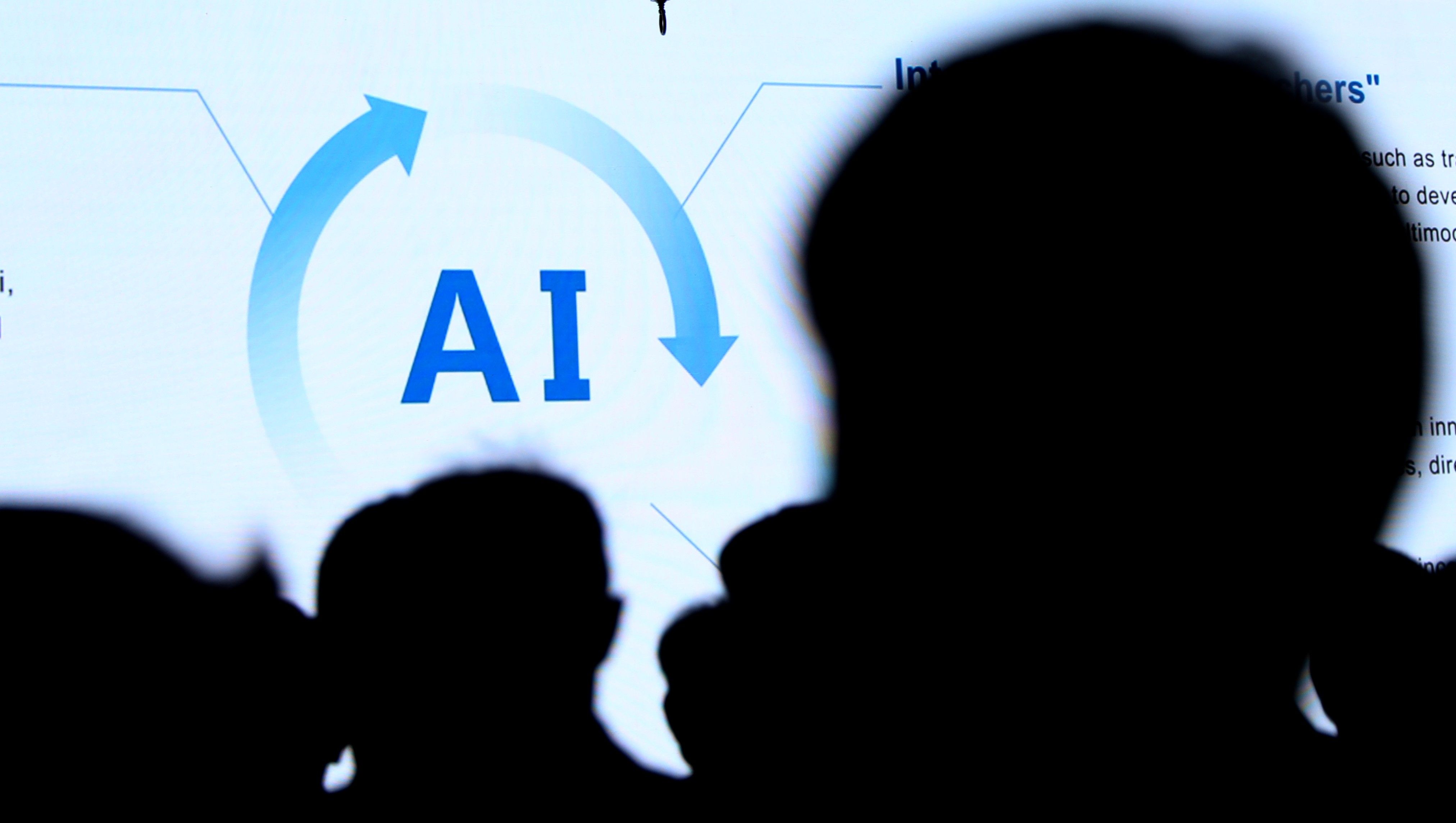
    AI Adoption Journey for Population Scale

    Connecting real-world AI use cases across sectors such as health, education, agriculture, and livelihoods can help policymakers, innovators, and institutions align around a shared goal. This article looks at a framework ensuring that AI works for everyone.

      Shalini Kapoor, Tanvi Lall

  • Commentary
    The Impact of U.S. Sanctions and Tariffs on India’s Russian Oil Imports

    This piece examines India’s response to U.S. sanctions and tariffs, specifically assessing the immediate market consequences, such as alterations in import costs, and the broader strategic implications for India’s energy security and foreign policy orientation.

      Vrinda Sahai

  • Article
    Revisiting the Usage of Refurbished Equipment in India’s Semiconductor Ecosystem

    This article looks at the progress of the Semiconductor Laboratory fab modernization plan based on publicly available documents, and potential learnings for future upgrades to government-owned fabs and India’s larger semiconductor ecosystem, especially regarding the use of refurbished equipment.

      Shruti Mittal, Konark Bhandari

  • Article
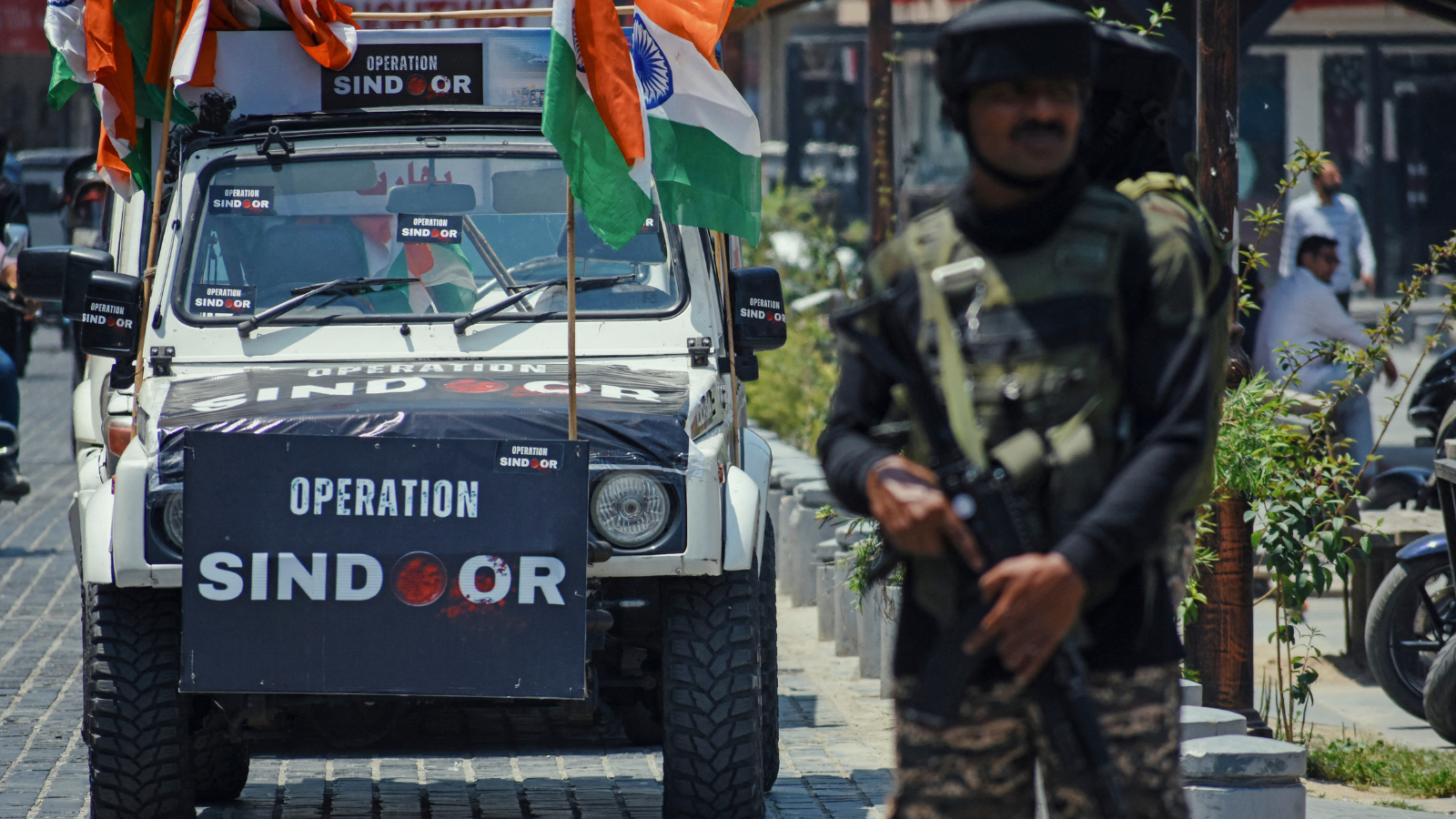
    Military Lessons from Operation Sindoor

    The India-Pakistan conflict that played out between May 6 and May 10, 2025, offers several military lessons. This article presents key takeaways from Operation Sindoor and breaks down how India’s preparations shaped the outcome and what more is needed to strengthen future readiness.

      Dinakar Peri

Get more news and analysis from
Carnegie India
Carnegie India logo, white
Unit C-4, 5, 6, EdenparkShaheed Jeet Singh MargNew Delhi – 110016, IndiaPhone: 011-40078687
  • Research
  • About
  • Experts
  • Projects
  • Events
  • Contact
  • Careers
  • Privacy
  • For Media
Get more news and analysis from
Carnegie India
© 2026 Carnegie Endowment for International Peace. All rights reserved.