{
  "authors": [
    "James M. Acton",
    "Elbridge A. A. Colby"
  ],
  "type": "legacyinthemedia",
  "centerAffiliationAll": "",
  "centers": [
    "Carnegie Endowment for International Peace"
  ],
  "collections": [
    "U.S. Nuclear Policy"
  ],
  "englishNewsletterAll": "",
  "nonEnglishNewsletterAll": "",
  "primaryCenter": "Carnegie Endowment for International Peace",
  "programAffiliation": "",
  "programs": [
    "Nuclear Policy"
  ],
  "projects": [],
  "regions": [
    "North America",
    "United States",
    "Caucasus",
    "Russia"
  ],
  "topics": [
    "Nuclear Policy"
  ]
}
In The Media
Nuclear Weapons—Something We Can All Agree On
The future of U.S. nuclear weapons is being hotly contested in Congressional debates over the budget. The result is serious uncertainty in defense planning, and that comes with a cost.
The future of U.S. nuclear weapons is being hotly contested in bitter Congressional debates over the budget. The result is serious uncertainty in defense planning, and that comes with a cost. When nuclear policy is left to be blown about by erratic political winds, there are frequent and sharp changes in direction—changes that are expensive for the American taxpayer, reduce the effectiveness of what we procure, confuse allies, and risk unnecessarily exacerbating tensions with potential foes.
We are two nuclear experts who disagree on a lot, including whether the United States should pursue the eventual abolition of nuclear weapons. In spite of these differences, however, we both agree the U.S. nuclear enterprise must be modernized and additional arms control measures should be pursued. And what we can agree on, if implemented consistently, would provide some much needed stability in the U.S. approach to the weighty issues of nuclear weapons.
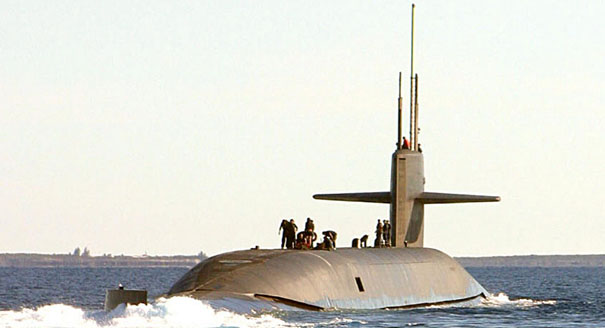
The United States must remain capable of delivering a devastating retaliatory strike under even the most stressing conditions. To this end, it should replace the most survivable of its delivery systems, the Ohio class ballistic missile submarines, with a full complement of twelve new vessels and develop and deploy a modern nuclear command and control system. It is also critical for the president to have limited options as well as the ability to signal credibly in a crisis. For this reason, the United States should procure a next generation nuclear-capable bomber armed with a new penetrating cruise missile. And to ensure the continued safety and reliability of warheads for these delivery systems, robust life extension programs are needed.
The aging complex that maintains U.S. nuclear weapons is also in need of attention. The president’s commitments to revitalize the complex made in connection with ratification of New START need to be fully funded and implemented. Transparency should be a design criterion of the new plutonium- and uranium-handling facilities to facilitate future visits, on a reciprocal basis, by Russia. These investments will make further arms reduction possible because U.S. requirements for reserve warheads will decrease with a modern, sophisticated infrastructure.
We also agree that the United States should simultaneously pursue arms control efforts to enhance strategic stability and national security. Former Secretary of Defense James Schlesinger observed in 2010 during the New START ratification hearings that, for the foreseeable future, it is not realistic for U.S. ballistic missile defenses to deny Russia or China their basic nuclear retaliatory capability. The United States should therefore, as Schlesinger recommended, avoid giving these powers the impression that it seeks to do so.
And as Senator Kyl recently observed, “American missile defenses aren’t targeted at Russia—they’re meant to defend against strikes by Iran and North Korea (and accidental or rogue launches, whatever their origin).”
To this end, while still vigorously pursuing missile defenses against emerging threats to the homeland and its allies and forces, the United States should return to the policy of the George W. Bush administration by publicly tying the deployment of defenses against longer-range missiles to developments in the threat from Iran, North Korea, and elsewhere. It should also continue to pursue cooperation with Russia without accepting limits on U.S. missile defense programs. Inviting Russia to observe U.S. ballistic missile defense tests so it can verify that U.S. interceptors are not capable of undermining Russia’s nuclear deterrent is a useful first step so long as the security of U.S. missile defense technology is protected.
The United States should also seek, at an appropriate stage, a new arms control treaty with Russia. New START limits only deployed strategic warheads. A new treaty should impose an overall numerical limit on all nuclear warheads. This approach would capture two notable classes of Russian weapons that are currently outside of arms control accountability: its short-range systems that concern American allies, and its longer-range submarine-launched cruise missiles that could reach the United States.
We believe this dual agenda is in the interests of the United States and should be pursued whoever the next president is and whatever the composition of the next Congress. Of course, proposing this agenda does not imply we see eye to eye on everything. In fact, we disagree on a host of important issues, such as whether the United States should develop a follow-on land-based intercontinental ballistic missile, ratify the Comprehensive Test Ban Treaty, extend the lives of its gravity bombs, reduce the number of missiles carried by the next generation submarine, develop nuclear warheads with more tailored capabilities, seek to negotiate further reductions in strategic forces, increase missile defense spending in light of the threats from Iran and North Korea, and focus missile defense efforts on limited strategic strikes from any quarter.
These points should all be argued out, and each of us hopes his position wins out. In fact, let’s focus on them, because that’s where the real disagreement is. But while we have that debate let’s get going with the agenda we can agree on.
Carnegie India does not take institutional positions on public policy issues; the views represented herein are those of the author(s) and do not necessarily reflect the views of Carnegie, its staff, or its trustees.
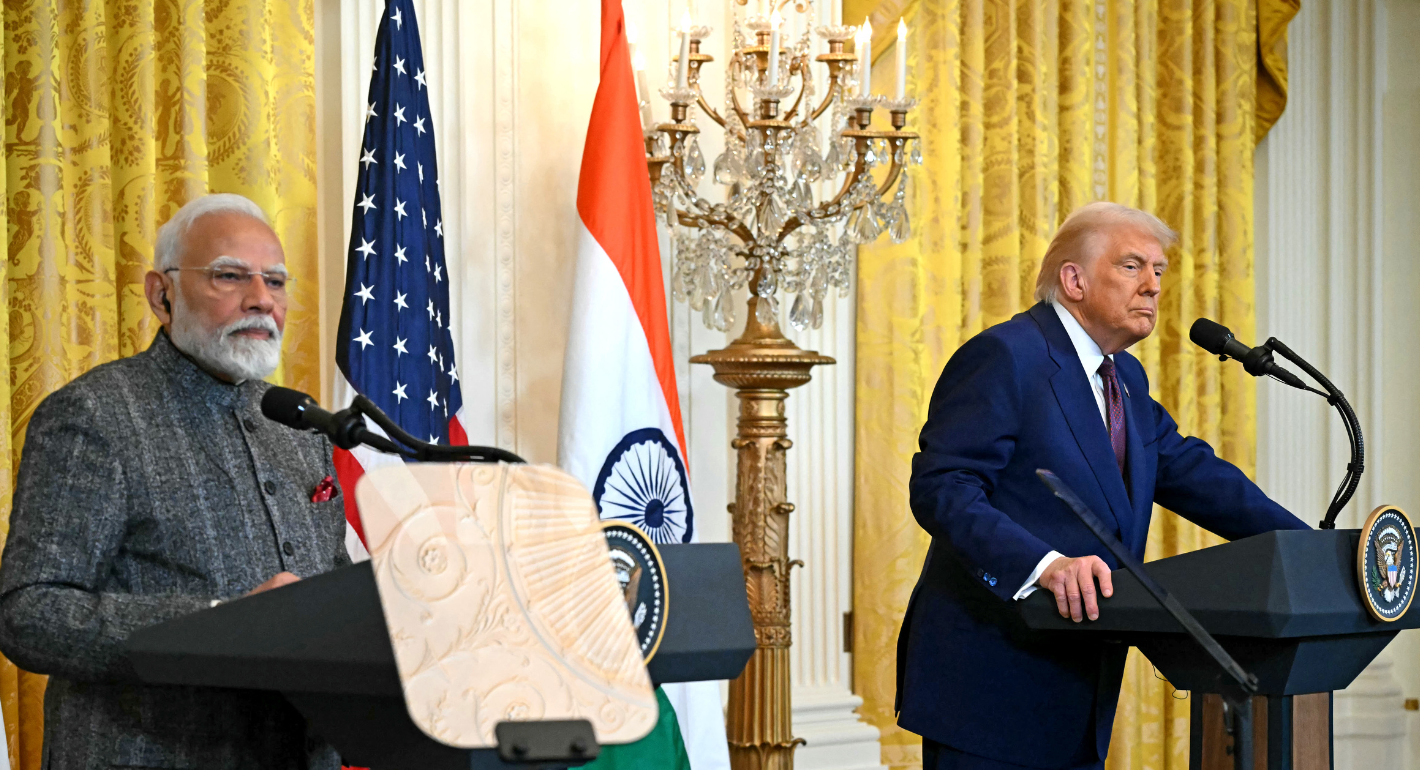
This piece examines India’s response to U.S. sanctions and tariffs, specifically assessing the immediate market consequences, such as alterations in import costs, and the broader strategic implications for India’s energy security and foreign policy orientation.
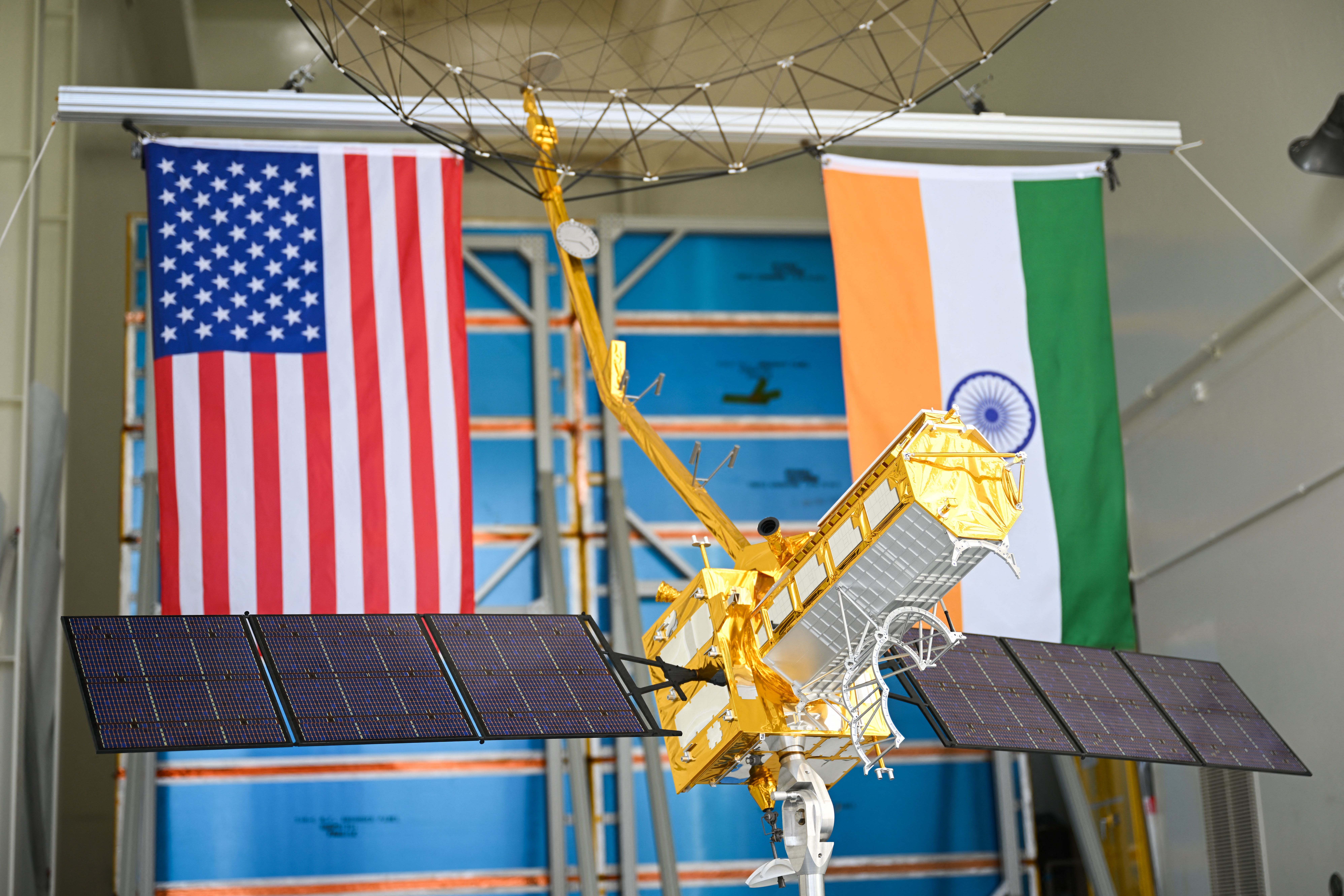
On July 30, 2025, the United States announced 25 percent tariffs on Indian goods. While diplomatic tensions simmered on the trade front, a cosmic calm prevailed at the Sriharikota launch range. Officials from NASA and ISRO were preparing to launch an engineering marvel into space—the NASA-ISRO Synthetic Aperture Radar (NISAR), marking a significant milestone in the India-U.S. bilateral partnership.
As part of the TRUST initiative, leaders of the two countries committed to building trusted and resilient supply chains, including for semiconductors and critical minerals. India and the United States have made steady progress in this area over the years. This essay explores the takeaways from discussions on semiconductor supply chains that took place at Carnegie India’s 9th Global Technology Summit.
This essay takes stock of the early momentum generated by the joint leaders’ commitment to catalyze public and private investments in building Indian manufacturing capacity—both domestically and in the United States—for active pharmaceutical ingredients (APIs) for critical medicines.