
• Research
  • About
  • Experts
Carnegie India logoCarnegie lettermark logo
Technology
{
  "authors": [
    "James M. Acton"
  ],
  "type": "other",
  "centerAffiliationAll": "",
  "centers": [
    "Carnegie Endowment for International Peace"
  ],
  "collections": [
    "U.S. Nuclear Policy"
  ],
  "englishNewsletterAll": "",
  "nonEnglishNewsletterAll": "",
  "primaryCenter": "Carnegie Endowment for International Peace",
  "programAffiliation": "",
  "programs": [
    "Nuclear Policy"
  ],
  "projects": [],
  "regions": [
    "North America",
    "United States"
  ],
  "topics": [
    "Nuclear Policy",
    "Arms Control"
  ]
}
Other

International Verification and Intelligence

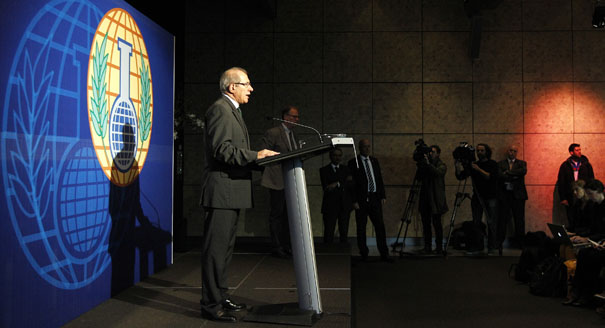
While intelligence sharing creates risks for both national intelligence agencies and international verification organizations, it is ultimately critical to the effective verification of arms control agreements.

Link Copied
By James M. Acton
Published on Jun 4, 2014

Source: Intelligence and National Security

Both national intelligence agencies (NIAs) and international verification organizations (IVOs) attempt to assess compliance with arms control treaties. Their strengths and weaknesses are complementary. Because IVOs are seen as legitimate, they are able to conduct on-site inspections to verify declared activities and to confirm or disprove allegations of clandestine cheating. 

NIAs are more flexible and have a greater ability to uncover preliminary evidence of clandestine activities on which further investigations can be based. Such investigations require NIAs to share intelligence with IVOs. While this kind of intelligence sharing is generally permitted by arms control agreements, it is controversial.

Nonetheless, it appears to have become more common in recent years, particularly during the International Atomic Energy Agency’s investigation of Iran’s nuclear program. While intelligence sharing creates risks for both IVOs and NIAs, it is ultimately critical to the effective verification of arms control agreements and steps can and should be taken to ensure it becomes more common and less controversial....

The chapter "International Verification and Intelligence" was originally published in the special issue "Intelligence and Nuclear Proliferation" of Intelligence and National Security. 

James M. Acton
Jessica T. Mathews Chair, Co-director, Nuclear Policy Program
James M. Acton
Nuclear PolicyArms ControlNorth AmericaUnited States

Carnegie India does not take institutional positions on public policy issues; the views represented herein are those of the author(s) and do not necessarily reflect the views of Carnegie, its staff, or its trustees.

More Work from Carnegie India

  • Commentary
    The Impact of U.S. Sanctions and Tariffs on India’s Russian Oil Imports

    This piece examines India’s response to U.S. sanctions and tariffs, specifically assessing the immediate market consequences, such as alterations in import costs, and the broader strategic implications for India’s energy security and foreign policy orientation.

      Vrinda Sahai
  • Commentary
    NISAR Soars While India-U.S. Tariff Tensions Simmer

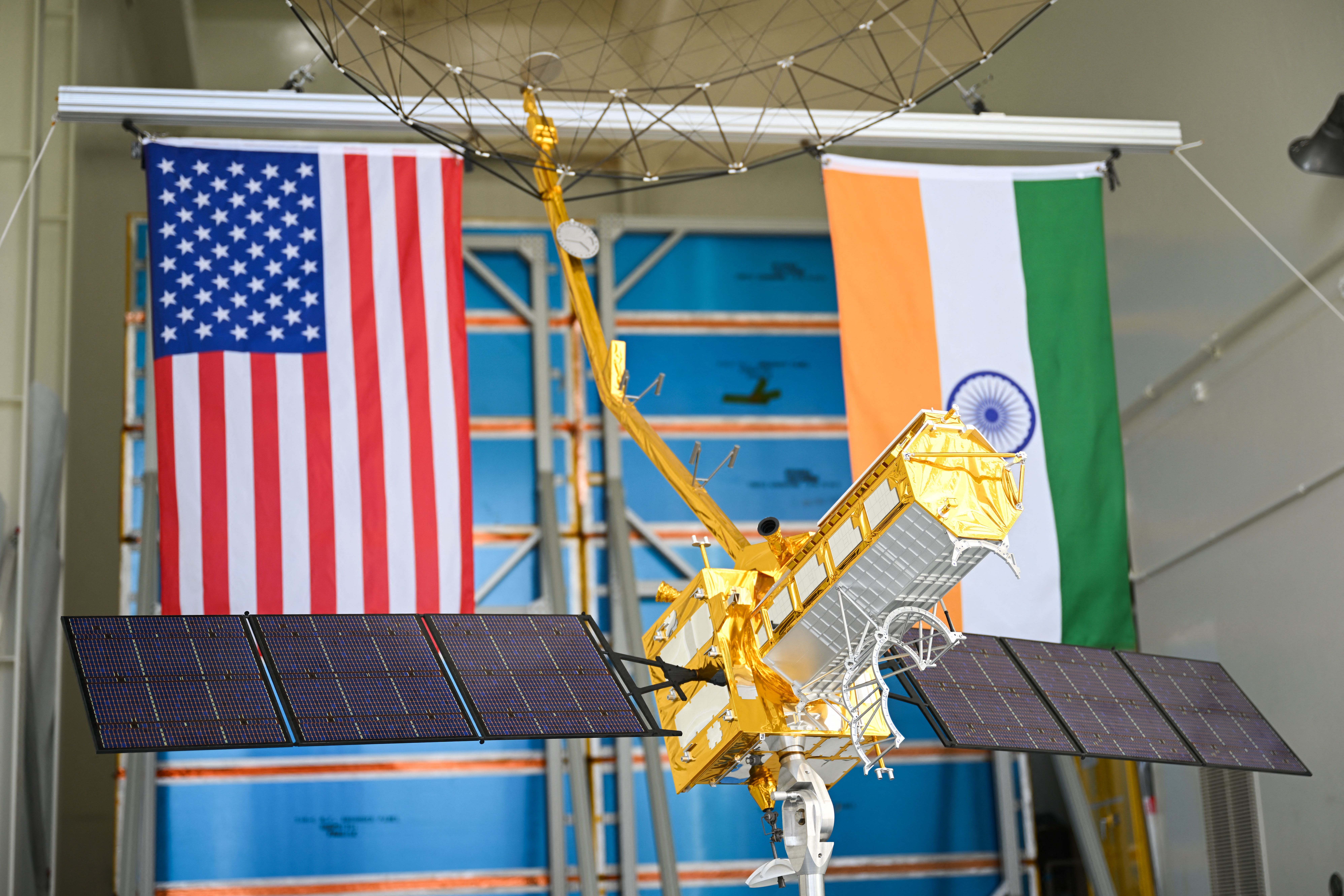
    On July 30, 2025, the United States announced 25 percent tariffs on Indian goods. While diplomatic tensions simmered on the trade front, a cosmic calm prevailed at the Sriharikota launch range. Officials from NASA and ISRO were preparing to launch an engineering marvel into space—the NASA-ISRO Synthetic Aperture Radar (NISAR), marking a significant milestone in the India-U.S. bilateral partnership.

      Tejas Bharadwaj

  • Commentary
    TRUST and Tariffs

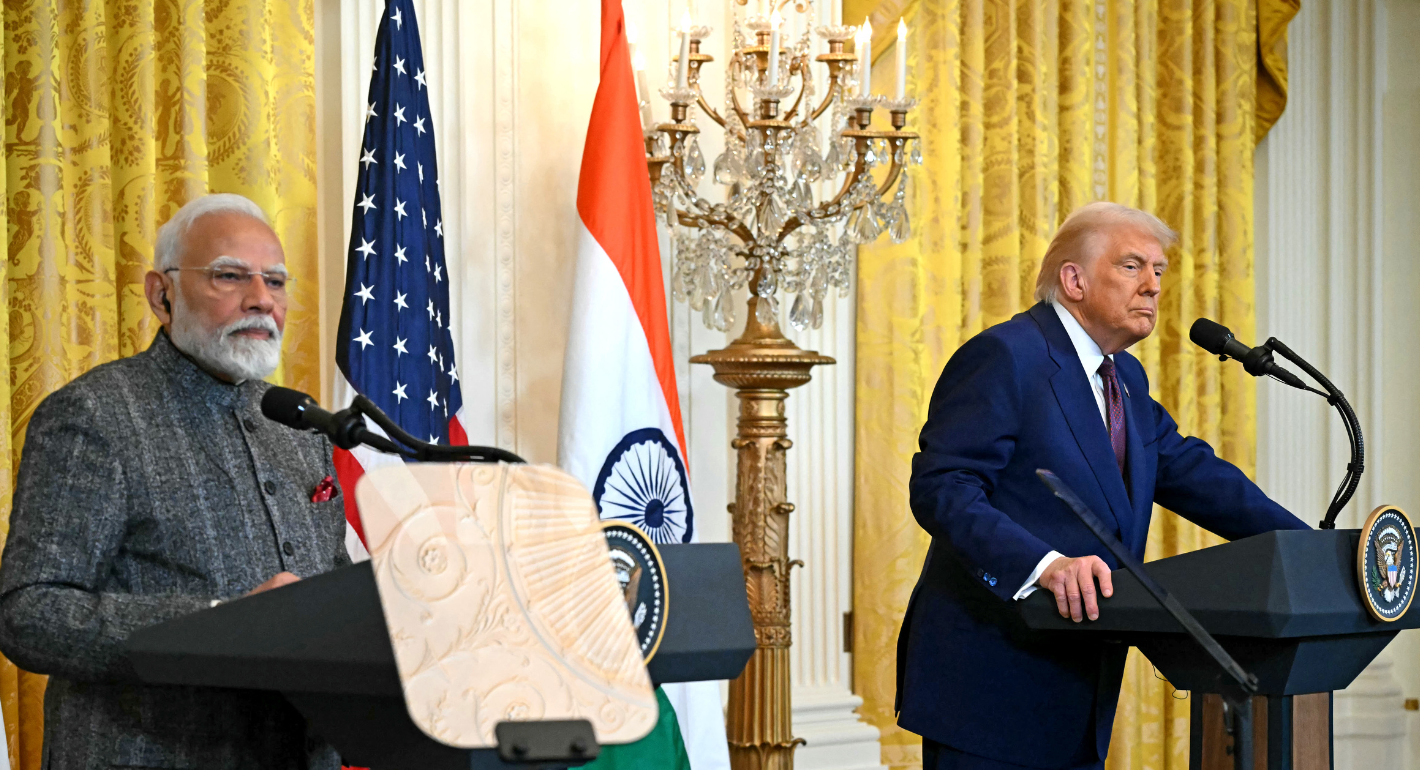
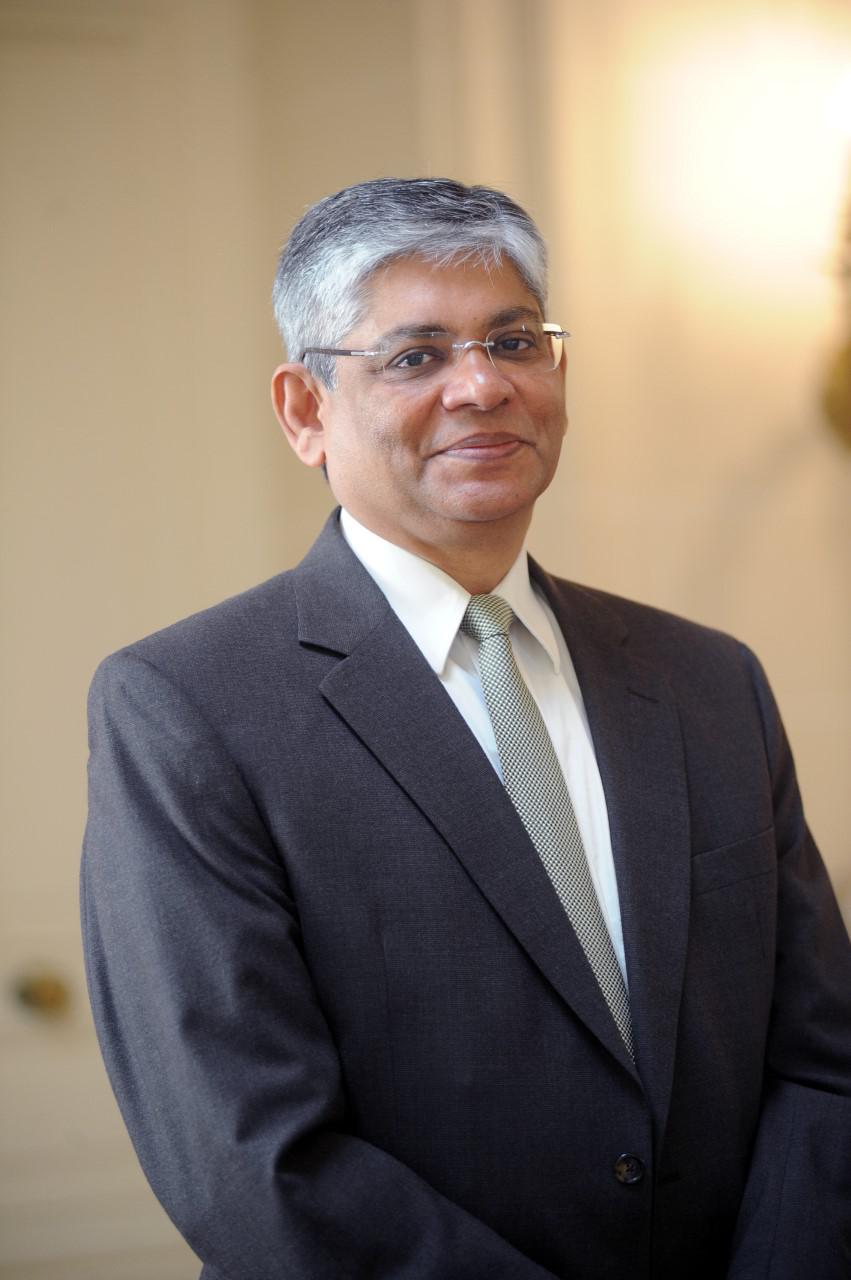
    The India-U.S. relationship currently appears buffeted between three “Ts”—TRUST, Tariffs, and Trump.

      Arun K. Singh

  • Commentary
    The India-U.S. TRUST Initiative: Advancing Semiconductor Supply Chain Cooperation

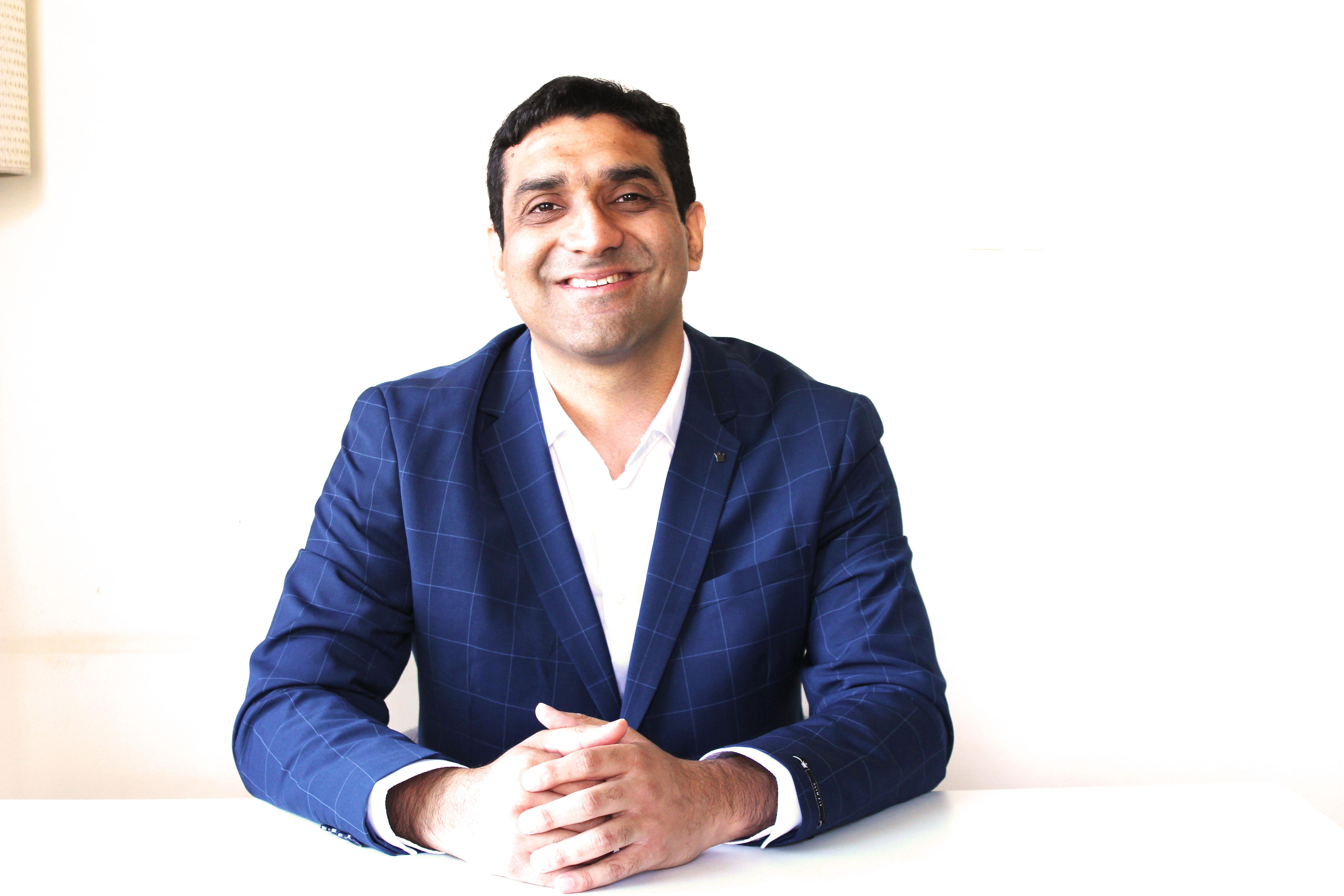
    As part of the TRUST initiative, leaders of the two countries committed to building trusted and resilient supply chains, including for semiconductors and critical minerals. India and the United States have made steady progress in this area over the years. This essay explores the takeaways from discussions on semiconductor supply chains that took place at Carnegie India’s 9th Global Technology Summit.

      Konark Bhandari

  • Commentary
    The India-U.S. TRUST Initiative: A Resilient Pharma Supply Chain

    This essay takes stock of the early momentum generated by the joint leaders’ commitment to catalyze public and private investments in building Indian manufacturing capacity—both domestically and in the United States—for active pharmaceutical ingredients (APIs) for critical medicines.

      Shruti Sharma

Get more news and analysis from
Carnegie India
Carnegie India logo, white
Unit C-4, 5, 6, EdenparkShaheed Jeet Singh MargNew Delhi – 110016, IndiaPhone: 011-40078687
  • Research
  • About
  • Experts
  • Projects
  • Events
  • Contact
  • Careers
  • Privacy
  • For Media
Get more news and analysis from
Carnegie India
© 2026 Carnegie Endowment for International Peace. All rights reserved.