WASHINGTON—The Carnegie Endowment for International Peace announced today that Carnegie India, its sixth international center, will open in April 2016.
Based in New Delhi, Carnegie India will produce high-quality public policy research about critical national, regional, and global issues. As with Carnegie’s centers in Beijing, Beirut, Brussels, Moscow, and Washington, Carnegie India will be staffed and led by local experts who will collaborate extensively with colleagues around the world.
The center’s research and programmatic focus will include the political economy of reform in India, foreign and security policy, and the role of innovation and technology in India’s internal transformation and international relations. It will build on decades of scholarship on India and South Asia across Carnegie’s programs, in particular the work of Vice President for Studies George Perkovich, Senior Associate Ashley J. Tellis, and Associate Milan Vaishnav, while placing special emphasis on developing a cadre of young, up-and-coming Indian scholars.
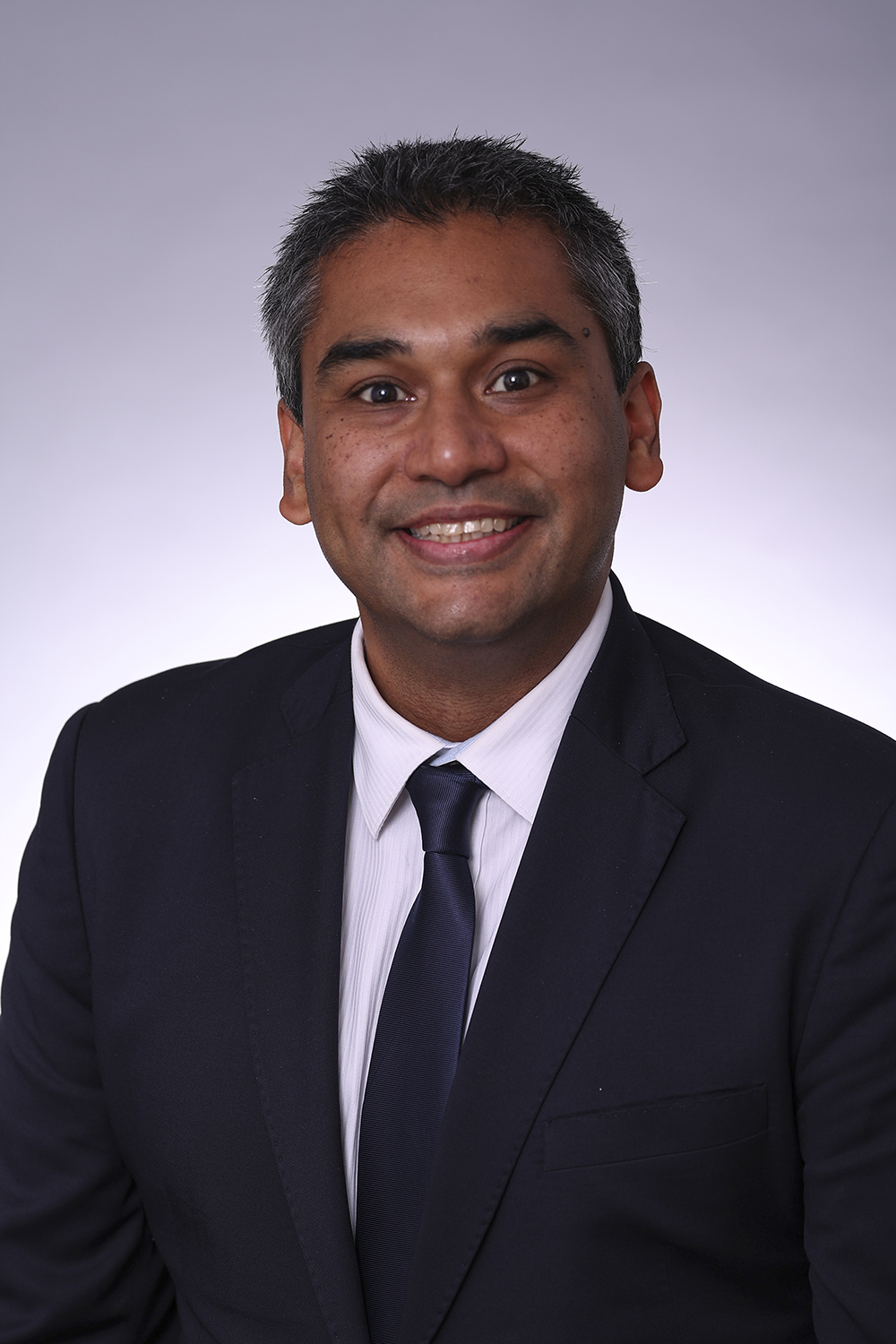
C. Raja Mohan will serve as the founding director of Carnegie India. Mohan has been a nonresident senior associate at Carnegie since 2012, as well as a distinguished fellow at the Observer Research Foundation in New Delhi, and a visiting research professor at the Institute of South Asian Studies, National University of Singapore. He also served as a member of India’s National Security Advisory Board. From 2009 to 2010, Mohan was the Henry Alfred Kissinger Chair in Foreign Policy and International Relations at the U.S. Library of Congress. Previously, he was a professor of South Asian studies at the Jawaharlal Nehru University in New Delhi and the Rajaratnam School of International Studies in Singapore. He is a columnist for the Indian Express and previously worked as the diplomatic editor and Washington correspondent of the Hindu.
“I am deeply honored to serve as the center’s founding director and to work even more closely with longtime Carnegie colleagues across the world. I look forward to the center contributing to India’s rich intellectual tradition through the in-depth, nonpartisan research of our scholars,” Mohan said. “I am confident that Carnegie India will add to Carnegie’s global reputation for quality, integrity, and independence.”
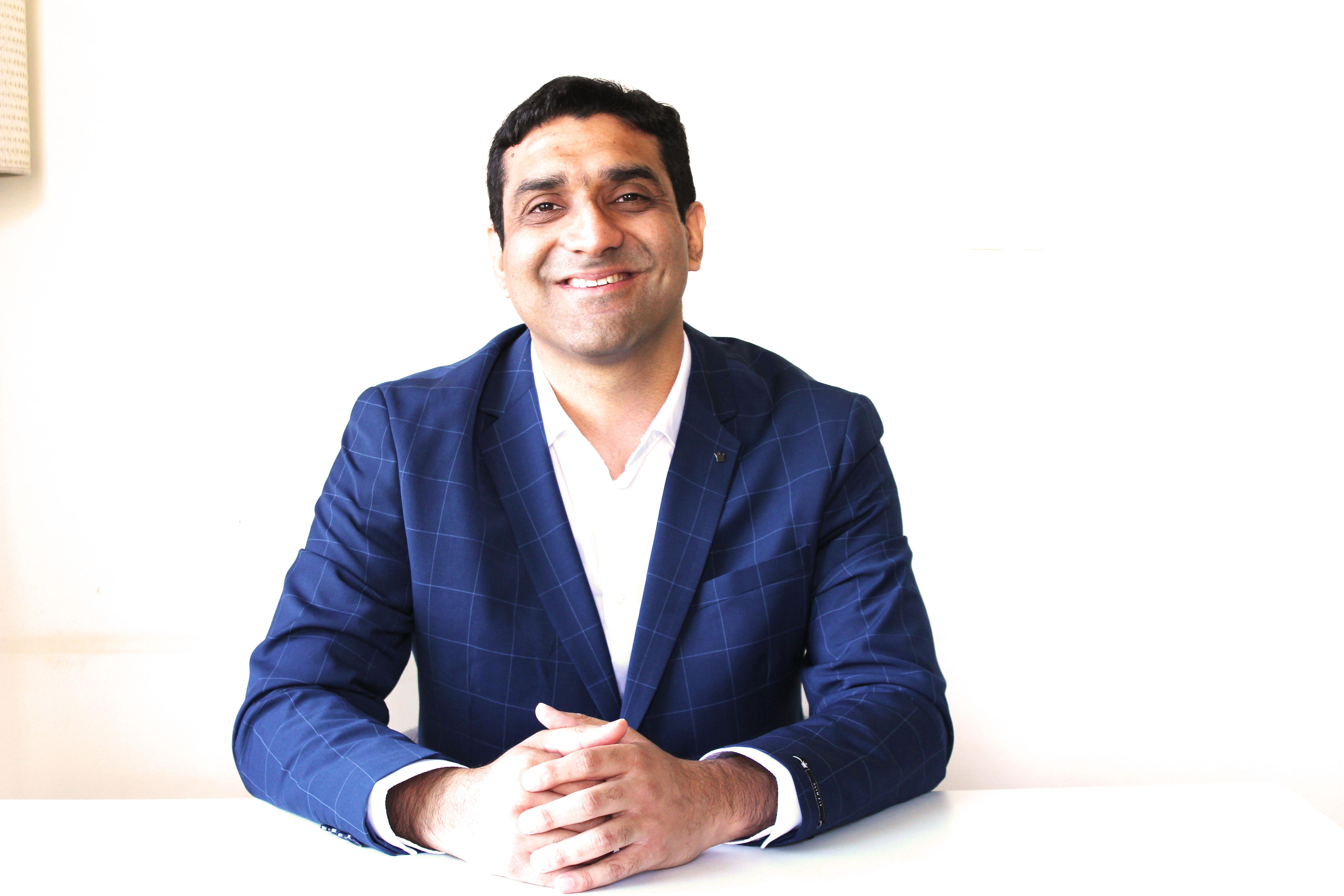
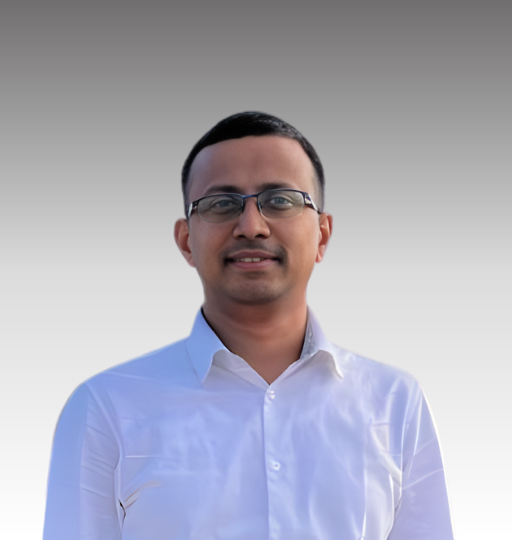
Shivnath Thukral will serve as Carnegie India’s managing director. He was group president of corporate branding and strategic initiatives at Essar, a $35 billion corporation. He spent fifteen years as a TV anchor and business analyst for India’s premier English TV news channel New Delhi Television, and was managing editor of the business television news channel NDTV Profit. A graduate of the Delhi School of Economics, he interned at the U.S. Senate and was awarded the Eisenhower Fellowship in 2012.
The center’s creation has been supported by Carnegie India’s Founders Committee, a group of Indian and international donors co-chaired by former cabinet secretary and Indian ambassador to the United States, Naresh Chandra, and former United States ambassador to India, Frank Wisner.
“On behalf of the entire Founders Committee, we want to congratulate Carnegie on the formal launch of Carnegie India,” said ambassadors Chandra and Wisner. “India—with its strategic partnership with the United States and its growing role in the Asia-Pacific and around the world—is a significant development on the international landscape and a natural area of focus for Carnegie.”
President of the Carnegie Endowment for International Peace, Williams J. Burns, said, “We are very proud to add Carnegie India to Carnegie’s network of international centers. We are especially proud to have Raja Mohan serve as its founding director and grateful for the generous support of our donors and Founders Committee members that made this milestone possible.”
Press Contact: Clara Hogan | +1 202 939 2233 | chogan@ceip.org