• Research
  • About
  • Experts
Carnegie India logoCarnegie lettermark logo
Technology
{
  "authors": [
    "Paul Stronski"
  ],
  "type": "other",
  "centerAffiliationAll": "",
  "centers": [
    "Carnegie Endowment for International Peace"
  ],
  "collections": [],
  "englishNewsletterAll": "",
  "nonEnglishNewsletterAll": "",
  "primaryCenter": "Carnegie Endowment for International Peace",
  "programAffiliation": "",
  "programs": [
    "Russia and Eurasia"
  ],
  "projects": [],
  "regions": [
    "Caucasus",
    "Russia",
    "Georgia"
  ],
  "topics": [
    "Foreign Policy"
  ]
}
Other

“The Biggest Recruiting Tool for Extremist Groups is Disenfranchisement”

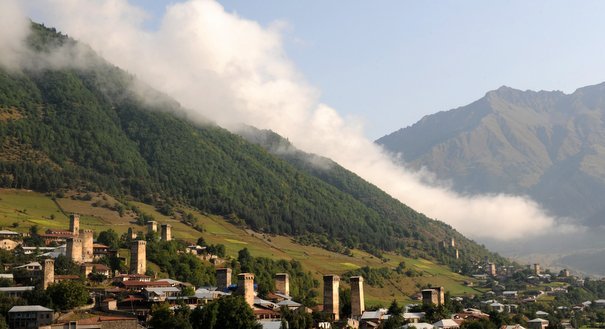
Russia’s military intervention and recent withdrawal from Syria have had far-reaching effects. Georgia is watching closely as events unfold.

Link Copied
By Paul Stronski
Published on Mar 30, 2016

Source: Accent

"I consider the objectives that have been set for the Defence Ministry to be generally accomplished,” Russian President Vladimir Putin said on March 14. However, Moscow’s stated objective of fighting terrorism has clearly not been accomplished; Isis is still very much there. In your opinion, what could cause such a sudden move of Russia?

Russia’s stated objective of fighting terrorism was not its main objective from the start. Russia’s campaign focused mostly on shoring up the Assad regime with attacks on the more moderate opposition rebels in Syria. Russia’s real objectives in Syria seem to be securing the Asad regime’s ability to survive and jumpstarting diplomatic negotiations on Syria with Russia at the table. It achieved those objectives. Russia also withdrew in part because of the enormous costs of the campaign. Russia is already funding another war in Ukraine and has enormous obligations due to the need to integrate Crimea into the Russian economy. This is occurring at a time when the Russian economy is in severe trouble due to persistently low oil prices. The withdrawal was announced before the Russian public became aware of the true costs of this war – a war that was not universally popular.

According to Russian media, the withdrawal of Russian troops from Syria could lead to end of sanctions against Russia. What do you think about it?

On the withdrawal of Russian troops leading to the end of sanctions, I doubt it, particularly regarding U.S. sanctions. They are in place because of the annexation of Crimea and the war in Ukraine. As long as those issues remain unresolved, U.S. sanctions will continue. Regarding European sanctions, that is a bit more complex. EU unity over sanctions is fraying, but that has less to do with Syria and more to do with internal European issues and certain countries concerns about the economic impact of sanctions to European businesses.

Georgian citizens as well as citizens of Russia and many European countries have left for Syria to join Islamic State. In 2014 the Georgian government amended the Criminal Code to criminalize participation in international terrorism, recruitment for membership in a terrorist organization, and failing to hinder a terrorist incident. In addition, Georgia’s Defence Ministry offered contractual military service to young people living in the Pankisi Gorge. In your opinion, what additional preventive measures should the Georgian government take to stop its citizens travelling to Syria?

The biggest recruiting tool for extremist groups is disenfranchisement. When minority groups feel oppressed and either economically or socially disenfranchised, they are more likely to fall prey to extremist messages. In addition to offering contractual military service to people in the Pankisi Gorge, any efforts to improve the economy and employment opportunities beyond the military would be a good idea. It is also important not to marginalize any ethnic groups in the country. Marginalization of Muslim minorities often pushes youth towards extremism, so it is not just what the government can do in the short term, but what it can do to make sure that Georgian society remains open, pluralistic and tolerant of all citizens of Georgia.  

This interview originally appeared in Accent. 

Paul Stronski
Former Senior Fellow, Russia and Eurasia Program
Paul Stronski
Foreign PolicyCaucasusRussiaGeorgia

Carnegie India does not take institutional positions on public policy issues; the views represented herein are those of the author(s) and do not necessarily reflect the views of Carnegie, its staff, or its trustees.

More Work from Carnegie India

  • Commentary
    The Impact of U.S. Sanctions and Tariffs on India’s Russian Oil Imports

    This piece examines India’s response to U.S. sanctions and tariffs, specifically assessing the immediate market consequences, such as alterations in import costs, and the broader strategic implications for India’s energy security and foreign policy orientation.

      Vrinda Sahai
  • Commentary
    NISAR Soars While India-U.S. Tariff Tensions Simmer

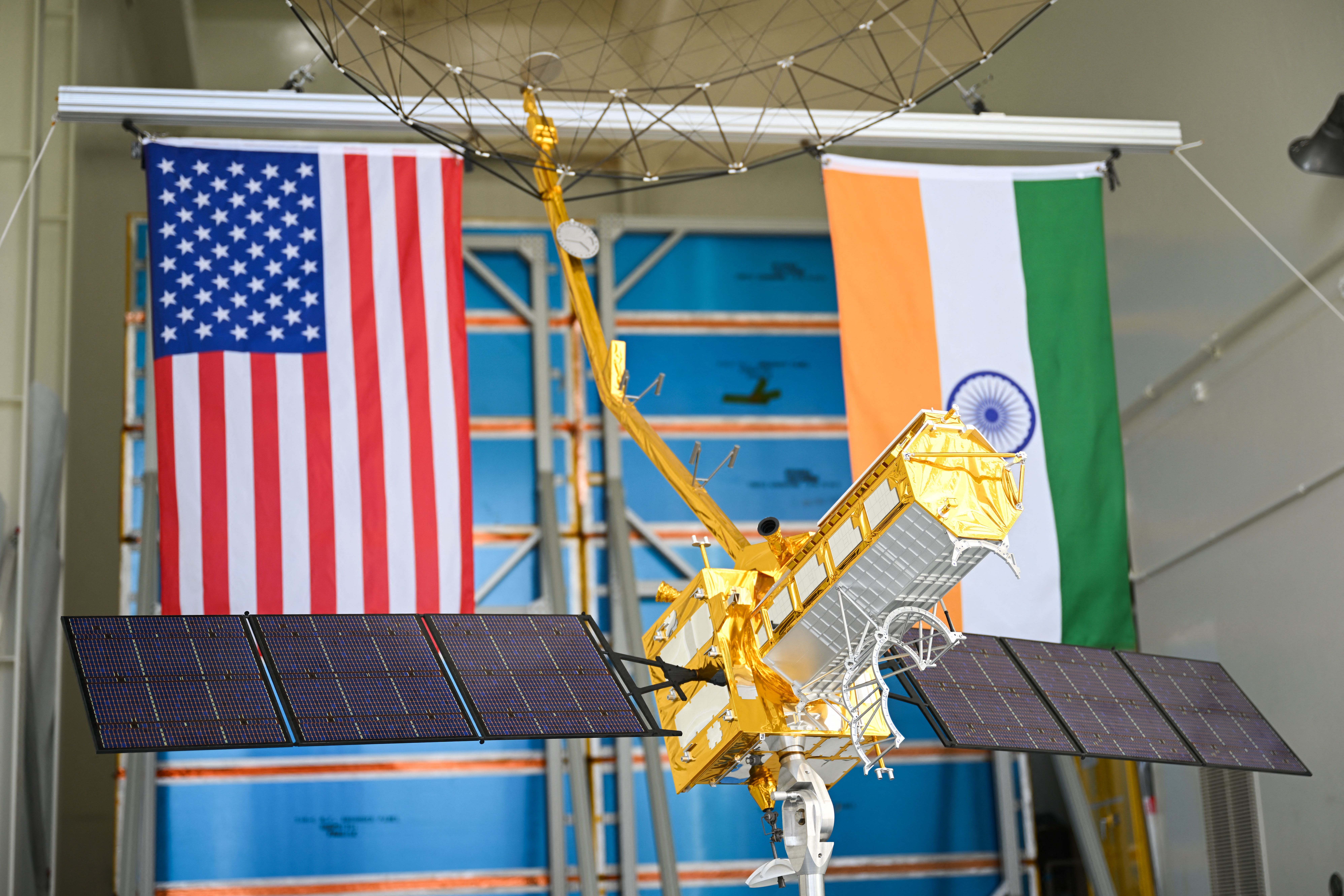
    On July 30, 2025, the United States announced 25 percent tariffs on Indian goods. While diplomatic tensions simmered on the trade front, a cosmic calm prevailed at the Sriharikota launch range. Officials from NASA and ISRO were preparing to launch an engineering marvel into space—the NASA-ISRO Synthetic Aperture Radar (NISAR), marking a significant milestone in the India-U.S. bilateral partnership.

      Tejas Bharadwaj

  • Commentary
    Indian Airstrikes in Pakistan: May 7, 2025

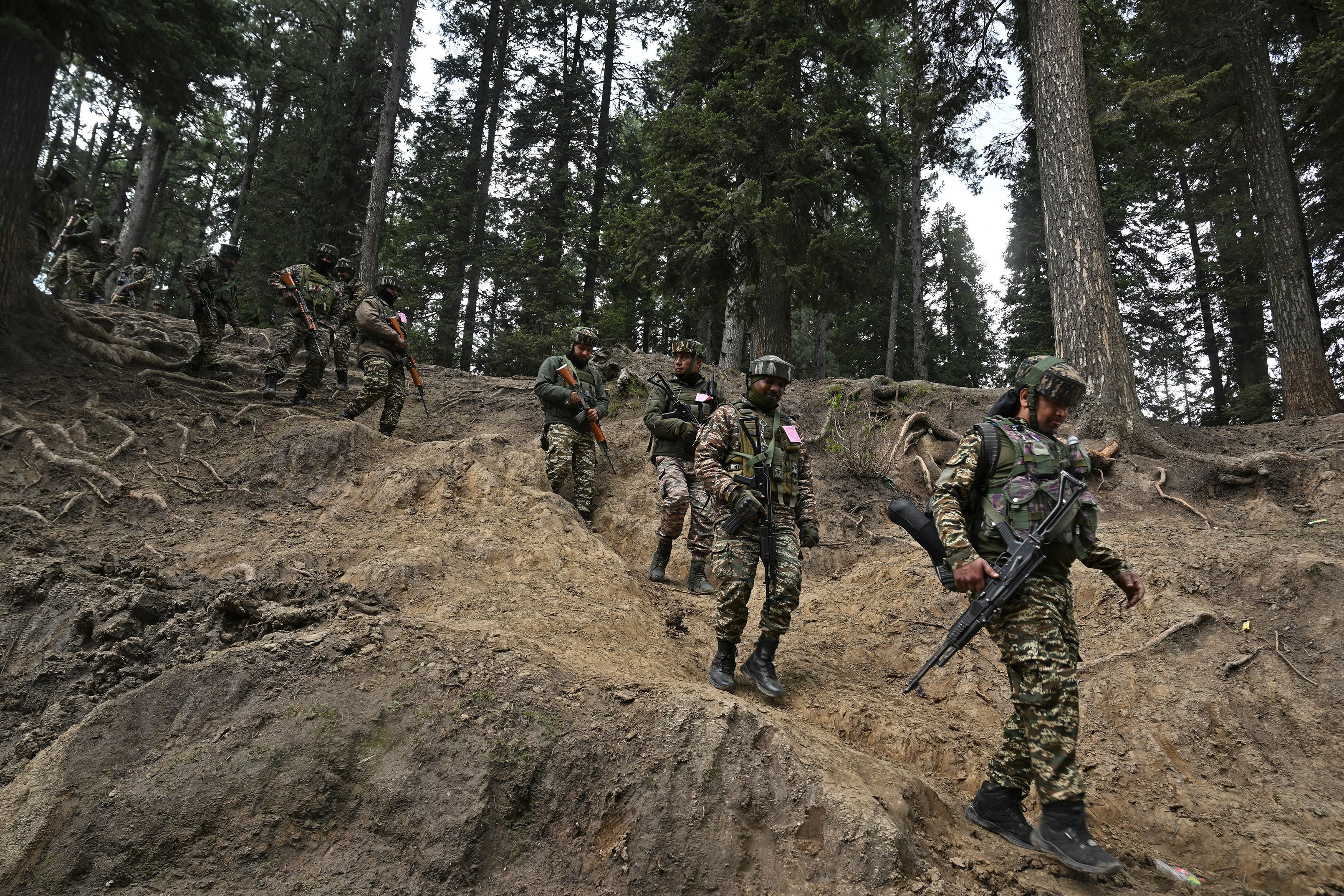
    On May 7, 2025, between 1:05 and 1:30 a.m. (IST), airstrikes carried out by the Indian Air Force hit nine locations inside Pakistan and Pakistan occupied Kashmir (PoK). It was codenamed Operation Sindoor.

      Rudra Chaudhuri

  • Research
    Views From Taipei: Essays by Young Indian Scholars on China

    This compendium brings together three essays by scholars who participated in Carnegie India's Security Studies Dialogue in 2024, each examining a different aspect of China’s policies. Drawing on their expertise and research, the authors offer fresh perspectives on key geopolitical challenges.

      • +1

      Vijay Gokhale, Suyash Desai, Amit Kumar, …

  • Commentary
    The India-U.S. TRUST Initiative: Advancing Semiconductor Supply Chain Cooperation

    As part of the TRUST initiative, leaders of the two countries committed to building trusted and resilient supply chains, including for semiconductors and critical minerals. India and the United States have made steady progress in this area over the years. This essay explores the takeaways from discussions on semiconductor supply chains that took place at Carnegie India’s 9th Global Technology Summit.

      Konark Bhandari

Get more news and analysis from
Carnegie India
Carnegie India logo, white
Unit C-4, 5, 6, EdenparkShaheed Jeet Singh MargNew Delhi – 110016, IndiaPhone: 011-40078687
  • Research
  • About
  • Experts
  • Projects
  • Events
  • Contact
  • Careers
  • Privacy
  • For Media
Get more news and analysis from
Carnegie India
© 2026 Carnegie Endowment for International Peace. All rights reserved.