• Research
  • About
  • Experts
Carnegie India logoCarnegie lettermark logo
Technology
{
  "authors": [
    "Ulrich Kühn",
    "Tristan Volpe"
  ],
  "type": "other",
  "centerAffiliationAll": "",
  "centers": [
    "Carnegie Endowment for International Peace"
  ],
  "collections": [],
  "englishNewsletterAll": "",
  "nonEnglishNewsletterAll": "",
  "primaryCenter": "Carnegie Endowment for International Peace",
  "programAffiliation": "",
  "programs": [
    "Nuclear Policy"
  ],
  "projects": [],
  "regions": [
    "Western Europe",
    "Germany"
  ],
  "topics": [
    "Nuclear Policy"
  ]
}
Other

Keine Atombombe, Bitte: Why Germany Should Not Go Nuclear

Nuclear weapons will not solve Europe’s current security woes, but Washington should not dismiss German nuclear yearnings, as they reflect a growing sense of uncertainty in Berlin.

Link Copied
By Ulrich Kühn and Tristan Volpe
Published on Jun 13, 2017

Source: Foreign Affairs

The election of U.S. President Donald Trump last November confounded Berlin. What, German politicians, policymakers, and journalists wondered, should they make of Trump’s vague or even hostile stances toward the EU and NATO or his apparent embrace of Russia? Some hoped that Trump meant to push NATO members to spend more on defense but would, in the end, leave the long-standing U.S. guarantee of European security intact. Others, less optimistic, argued that the days when Germany could rely on the United States for its defense were over—and that the country must start looking out for itself.

Those fears have given new life to an old idea: a European nuclear deterrent. Just days after Trump’s election, Roderich Kiesewetter, a senior member of Chancellor Angela Merkel’s Christian Democratic Union, said that if the United States no longer wanted to provide a nuclear shield, France and the United Kingdom should combine their nuclear arsenals into an EU deterrent, financed through a joint EU military budget. Then, in February, Jaroslaw Kaczynski, the leader of Poland’s ruling Law and Justice party, spoke out in favor of the idea of the eu as a “nuclear superpower,” as long as any EU deterrent matched Russian capabilities. 

Some German commentators even suggested that those proposing a British-French deterrent under the auspices of the EU didn’t go far enough. Berthold Kohler, one of the publishers of the influential conservative newspaper Frankfurter Allgemeine Zeitung, argued that the British and French arsenals were too weak to take on Russia. He suggested that Germany consider “an indigenous nuclear deterrent which could ward off doubts about America’s guarantees.” Other German analysts, such as Thorsten Benner, head of the Global Public Policy Institute, in Berlin, and Maximilian Terhalle, a scholar of international relations, have come to the same conclusion. “Germany needs nuclear weapons,” Terhalle wrote in Foreign Policy in April.

For now, those calling for a German bomb are a fringe minority. For decades, Germany has stood as one of the world’s staunchest supporters of nuclear nonproliferation and global disarmament. In February, a spokesperson for Merkel told the press, “There are no plans for nuclear armament in Europe involving the federal government.” She and others evidently recognize that such plans are a bad idea: a German arsenal would destabilize EU-Russian relations and heighten the risk that other countries would attempt to go nuclear. 

But even though Germany’s current nuclear flirtation may reflect nothing more than a passing reaction to Trump’s presidency, it reveals a deeper problem: insecurity in Berlin, caused by years of meandering U.S. policy toward Russia and Europe. To solve this problem, Germany and the United States must work together. Merkel’s government should encourage the EU to coordinate more effectively on defense. The Trump administration, meanwhile, should double down on the U.S. commitment to the success of the EU and NATO while also pushing for broader negotiations with Russia over the future of European security....

Read Full Text

This article was originally published in Foreign Affairs

Authors

Ulrich Kühn
Nonresident Scholar, Nuclear Policy Program
Ulrich Kühn
Tristan Volpe
Nonresident Fellow, Nuclear Policy Program
Tristan Volpe
Nuclear PolicyWestern EuropeGermany

Carnegie India does not take institutional positions on public policy issues; the views represented herein are those of the author(s) and do not necessarily reflect the views of Carnegie, its staff, or its trustees.

More Work from Carnegie India

  • Commentary
    What Can India, France, and Australia Achieve Together?

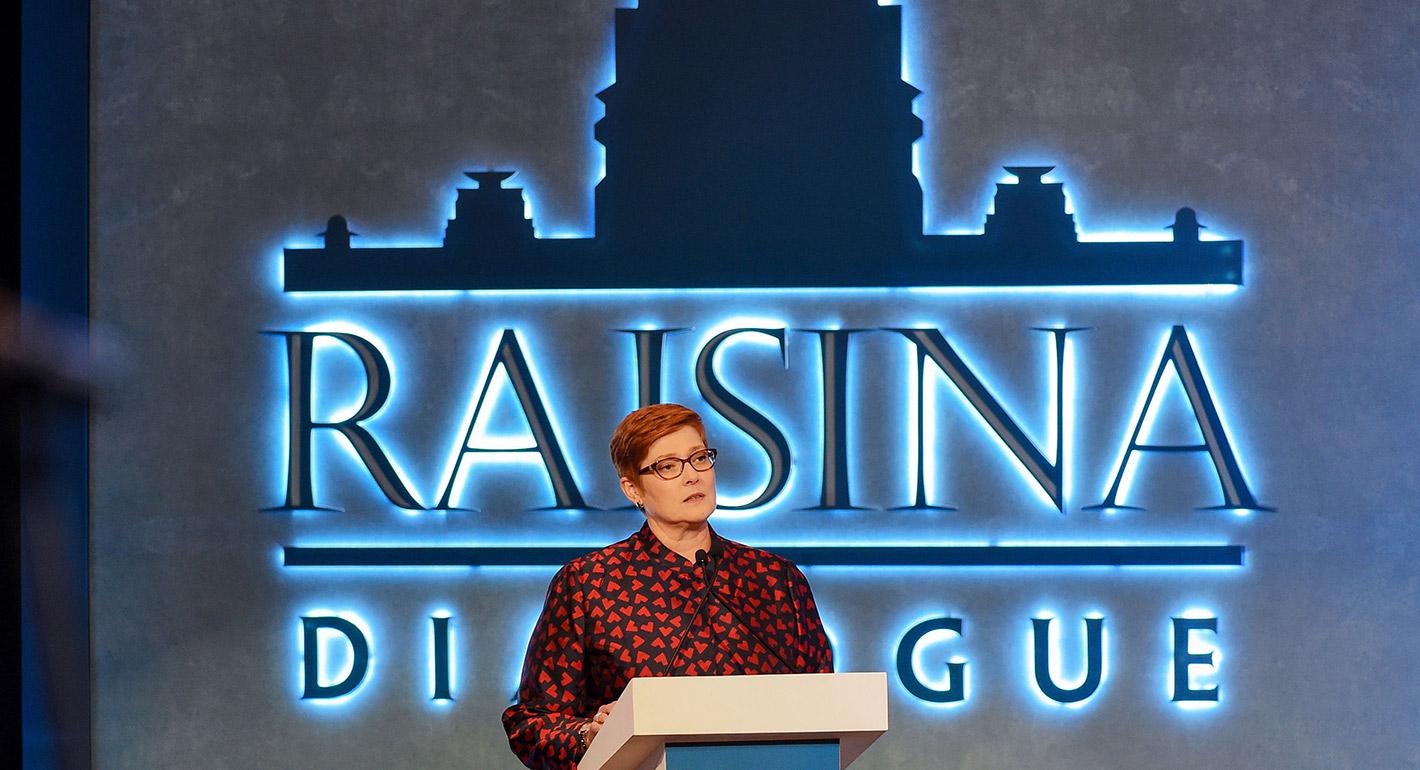
    Foreign ministers from India, France, and Australia recently met (virtually) at the Raisina Dialogue, India’s flagship annual conference on geopolitics and geoeconomics. What can they get done if they work together?

      Rudra Chaudhuri, Shibani Mehta

  • Commentary
    After the Border Clash, Will China-India Competition Go Nuclear?

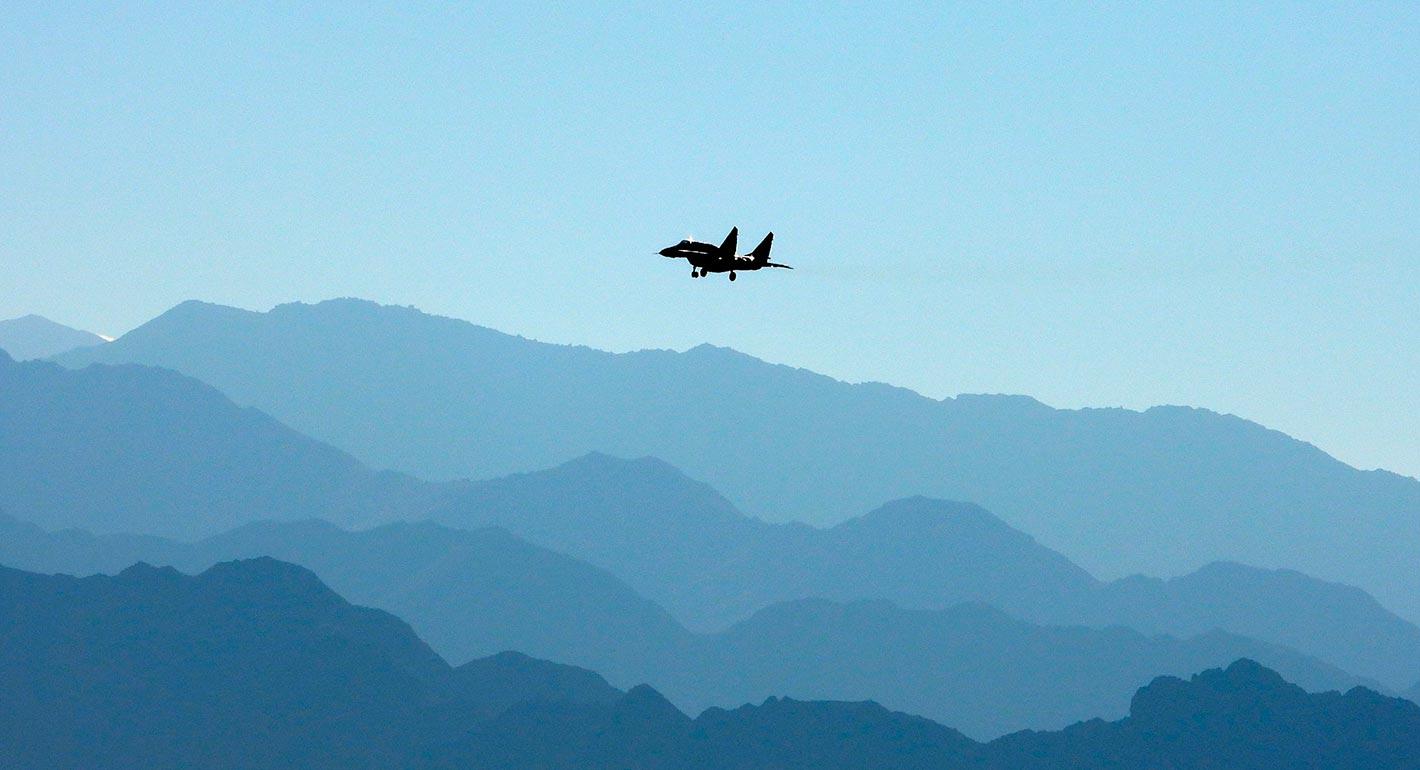
    Asia’s two largest nuclear powers have never threatened each other with nuclear weapons. How much will the recent deadly border clashes between China and India change the security landscape?

      Toby Dalton, Tong Zhao, Rukmani Gupta

  • Commentary
    Introduction to Europe in the Indo-Pacific: Moving from Periphery to the Centre?

    Europe’s huge stakes in the economic stability of Asia, the sea lines of communication connecting Europe and Asia through the Indo-Pacific, and threat of U.S. retrenchment may force Europe to reconsider its role in Asia. Asia needs a robust European contribution to connectivity and security.

      C. Raja Mohan, John J. Vater

  • Commentary
    How Are Various Countries Responding to China’s Belt and Road Initiative?

    Pitched as a new Silk Road sweeping from Asia to Europe, China’s enormous Belt and Road Initiative is an ambitious, multinational infrastructure project. Experts from four Carnegie global centers explain other countries’ perspectives.

      • Alexander Gabuev
      • +4

      Paul Haenle, Dmitri Trenin, Alexander Gabuev, …

  • Commentary
    Re-reading the Indian Emergency: Britain, the United States, and India’s Constitutional Autocracy, 1975–1977

    The period known as the “Emergency” in India—June 1975 to March 1977—is widely recognized as one of the darkest episodes in the nation’s 70-year history.

      Rudra Chaudhuri

Get more news and analysis from
Carnegie India
Carnegie India logo, white
Unit C-4, 5, 6, EdenparkShaheed Jeet Singh MargNew Delhi – 110016, IndiaPhone: 011-40078687
  • Research
  • About
  • Experts
  • Projects
  • Events
  • Contact
  • Careers
  • Privacy
  • For Media
Get more news and analysis from
Carnegie India
© 2026 Carnegie Endowment for International Peace. All rights reserved.