
• Research
  • About
  • Experts
Carnegie India logoCarnegie lettermark logo
Technology
{
  "authors": [
    "Matt Ferchen"
  ],
  "type": "legacyinthemedia",
  "centerAffiliationAll": "",
  "centers": [
    "Carnegie Endowment for International Peace",
    "Carnegie China"
  ],
  "collections": [
    "China and the Developing World",
    "China’s Foreign Relations"
  ],
  "englishNewsletterAll": "",
  "nonEnglishNewsletterAll": "",
  "primaryCenter": "Carnegie China",
  "programAffiliation": "",
  "programs": [],
  "projects": [],
  "regions": [
    "North America",
    "United States",
    "South America",
    "East Asia",
    "China"
  ],
  "topics": [
    "Economy",
    "Trade",
    "Foreign Policy"
  ]
}
In The Media
Carnegie China

Do Latin America’s Ties With China Come “at a Price”?

It is Trump administration policies and attitudes that have provided China a rhetorical opening in Latin America at a time when China’s economic and political relations with the region face serious challenges.

Link Copied
By Matt Ferchen
Published on Feb 20, 2018

Source: Latin America Advisor

Inter-American Dialogue:  Peruvian Trade Minister Eduardo Ferreyros on Feb. 6 defended China as a good trade partner for the South American country. His comments came days after U.S. Secretary of State Rex Tillerson said in a speech that “China’s offer always comes at a price” and cautioned Latin American countries against reliance on “new imperial powers that seek only to benefit their own people.” Are Latin American countries relying too much on China? What are the main benefits and drawbacks countries are experiencing from their economic and political links with China? What factors have led to increased Chinese investment and influence in Latin America? How does China’s approach to engagement with Latin America differ from that of the United States?

Matt Ferchen: Secretary Tillerson’s warning to Latin American countries to be wary of China’s role in the region is best understood as part of a broader pushback by the Trump administration against the perceived threats of China’s mercantilist economic statecraft around the world. Yet the timing and content of his comments are both misconceived. American credibility with its southern neighbors is at a low ebb, given President Trump’s hostility toward Mexico and toward Latino immigrants in general. At the same time, claims of Chinese mercantilist practices in Latin America are largely off base given that trade ties, which in some South American cases certainly have exacerbated concerns about heightened commodity dependency, have mostly capitalized on simple comparative advantage. No matter the timing, American lectures to Latin Americans on how to conduct their foreign policy are self-defeating. If anything, it is Trump administration policies and attitudes that have provided China a rhetorical opening in Latin America at a time when China’s economic and political relations with the region face serious challenges. In the post commodity boom era, the ‘win-win’ trade story is no longer as easy to sell to Latin American publics, while promises of Chinese investment and infrastructure deals often fail to meet the hype. But as always, Venezuela remains the most difficult economic and political challenge for China, and it is here where the trading of diplomatic jibes between the United States and China is most unproductive. Along with Venezuela’s Latin American neighbors, American and Chinese interests in helping Venezuela move off the path of self-immiseration should create, not foreclose, an opening for creative diplomacy.

This piece was republished with permission from the Inter-American Dialogue’s daily Latin America Advisor.

Matt Ferchen
Former Nonresident Scholar, Carnegie-Tsinghua Center for Global Policy
Matt Ferchen
EconomyTradeForeign PolicyNorth AmericaUnited StatesSouth AmericaEast AsiaChina

Carnegie India does not take institutional positions on public policy issues; the views represented herein are those of the author(s) and do not necessarily reflect the views of Carnegie, its staff, or its trustees.

More Work from Carnegie India

  • Commentary
    The Impact of U.S. Sanctions and Tariffs on India’s Russian Oil Imports

    This piece examines India’s response to U.S. sanctions and tariffs, specifically assessing the immediate market consequences, such as alterations in import costs, and the broader strategic implications for India’s energy security and foreign policy orientation.

      Vrinda Sahai
  • Paper
    India-China Economic Ties: Determinants and Possibilities

    This paper examines the evolution of India-China economic ties from 2005 to 2025. It explores the impact of global events, bilateral political ties, and domestic policies on distinct spheres of the economic relationship.

      Santosh Pai

  • Commentary
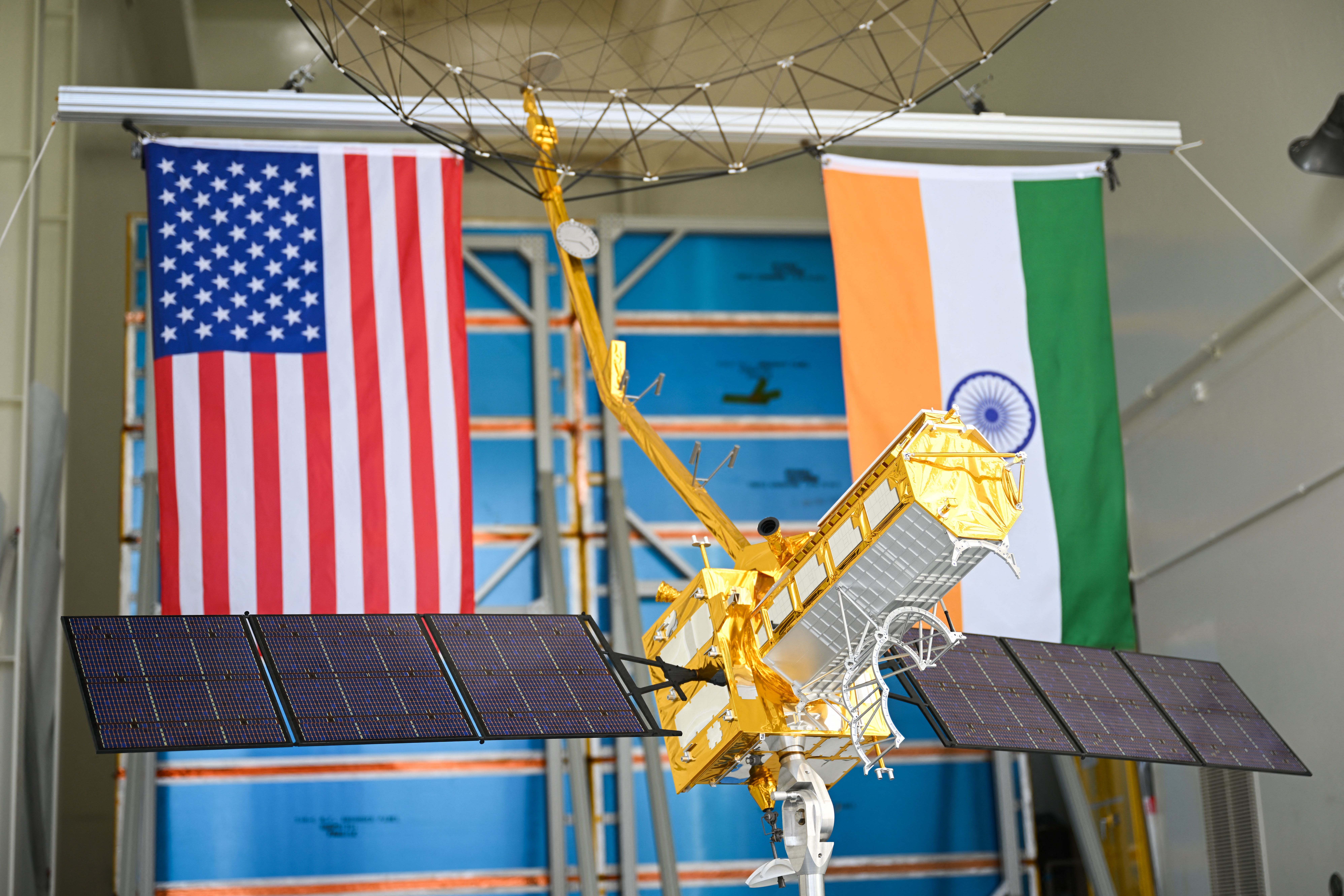
    NISAR Soars While India-U.S. Tariff Tensions Simmer

    On July 30, 2025, the United States announced 25 percent tariffs on Indian goods. While diplomatic tensions simmered on the trade front, a cosmic calm prevailed at the Sriharikota launch range. Officials from NASA and ISRO were preparing to launch an engineering marvel into space—the NASA-ISRO Synthetic Aperture Radar (NISAR), marking a significant milestone in the India-U.S. bilateral partnership.

      Tejas Bharadwaj

  • Article
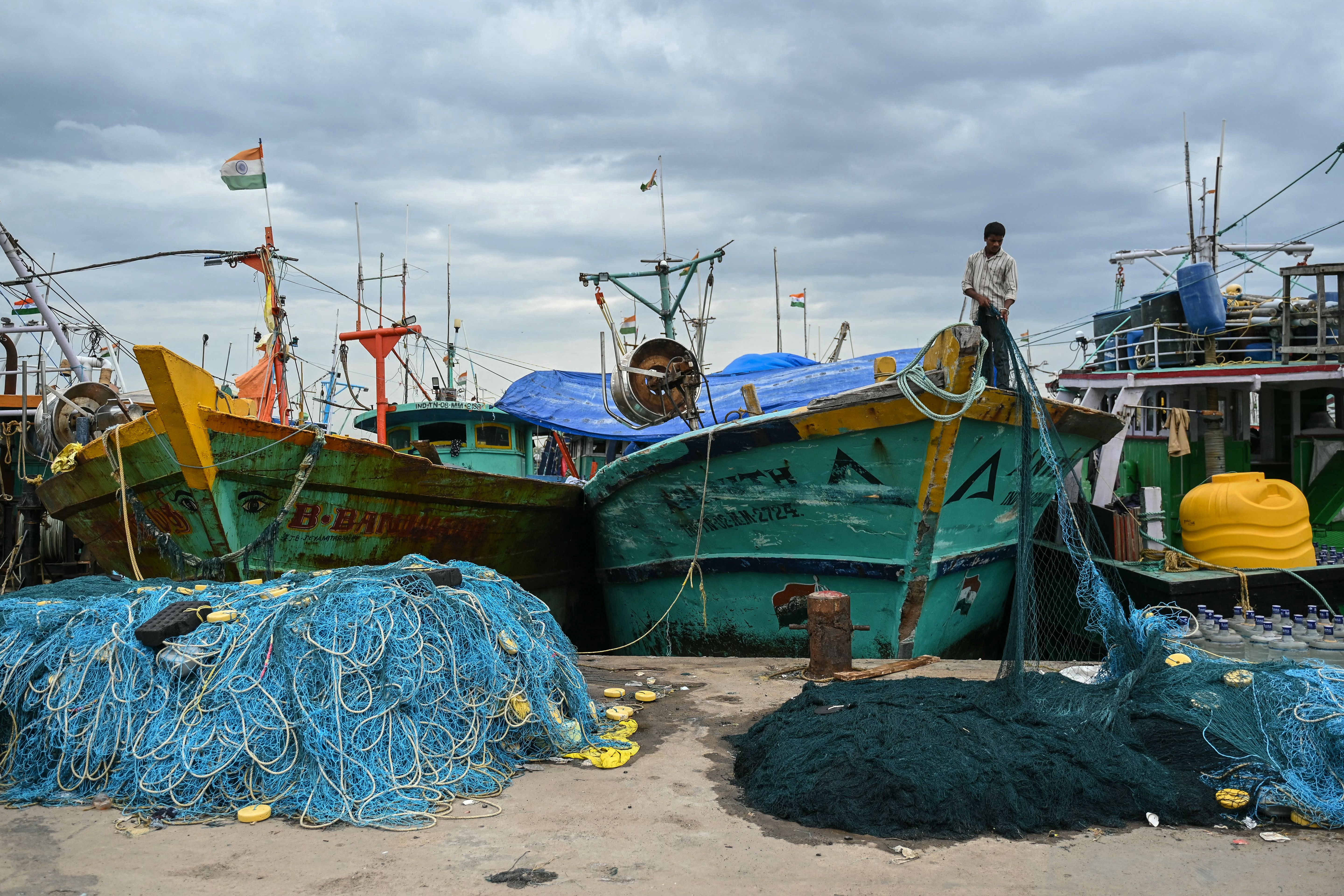
    Hidden Tides: IUU Fishing and Regional Security Dynamics for India

    This article examines the scale and impact of Chinese IUU fishing operations globally and identifies the nature of the challenge posed by IUU fishing in the Indian Ocean Region (IOR). It also investigates why existing maritime law and international frameworks have struggled to address this growing threat.

      Ajay Kumar, Charukeshi Bhatt

  • Commentary
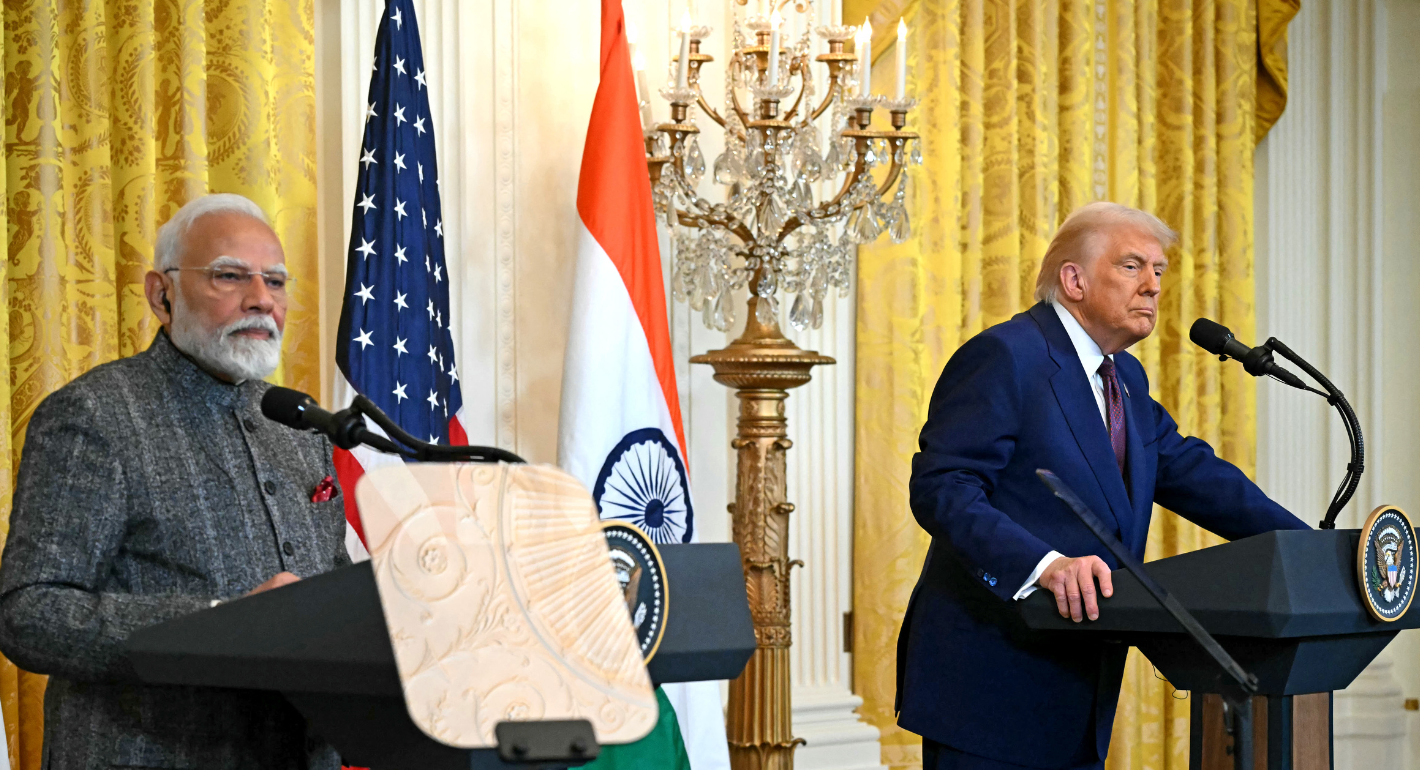
    TRUST and Tariffs

    The India-U.S. relationship currently appears buffeted between three “Ts”—TRUST, Tariffs, and Trump.

      Arun K. Singh

Get more news and analysis from
Carnegie India
Carnegie India logo, white
Unit C-4, 5, 6, EdenparkShaheed Jeet Singh MargNew Delhi – 110016, IndiaPhone: 011-40078687
  • Research
  • About
  • Experts
  • Projects
  • Events
  • Contact
  • Careers
  • Privacy
  • For Media
Get more news and analysis from
Carnegie India
© 2026 Carnegie Endowment for International Peace. All rights reserved.