
• Research
  • About
  • Experts
Carnegie India logoCarnegie lettermark logo
Technology
{
  "authors": [
    "Paul Haenle",
    "Chong Ja Ian"
  ],
  "type": "questionAnswer",
  "centerAffiliationAll": "",
  "centers": [
    "Carnegie Endowment for International Peace",
    "Carnegie China"
  ],
  "collections": [
    "Carnegie China Commentaries"
  ],
  "englishNewsletterAll": "",
  "nonEnglishNewsletterAll": "",
  "primaryCenter": "Carnegie China",
  "programAffiliation": "",
  "programs": [],
  "projects": [],
  "regions": [
    "North America",
    "United States",
    "East Asia",
    "China",
    "Southeast Asia"
  ],
  "topics": []
}
Q&A
Carnegie China

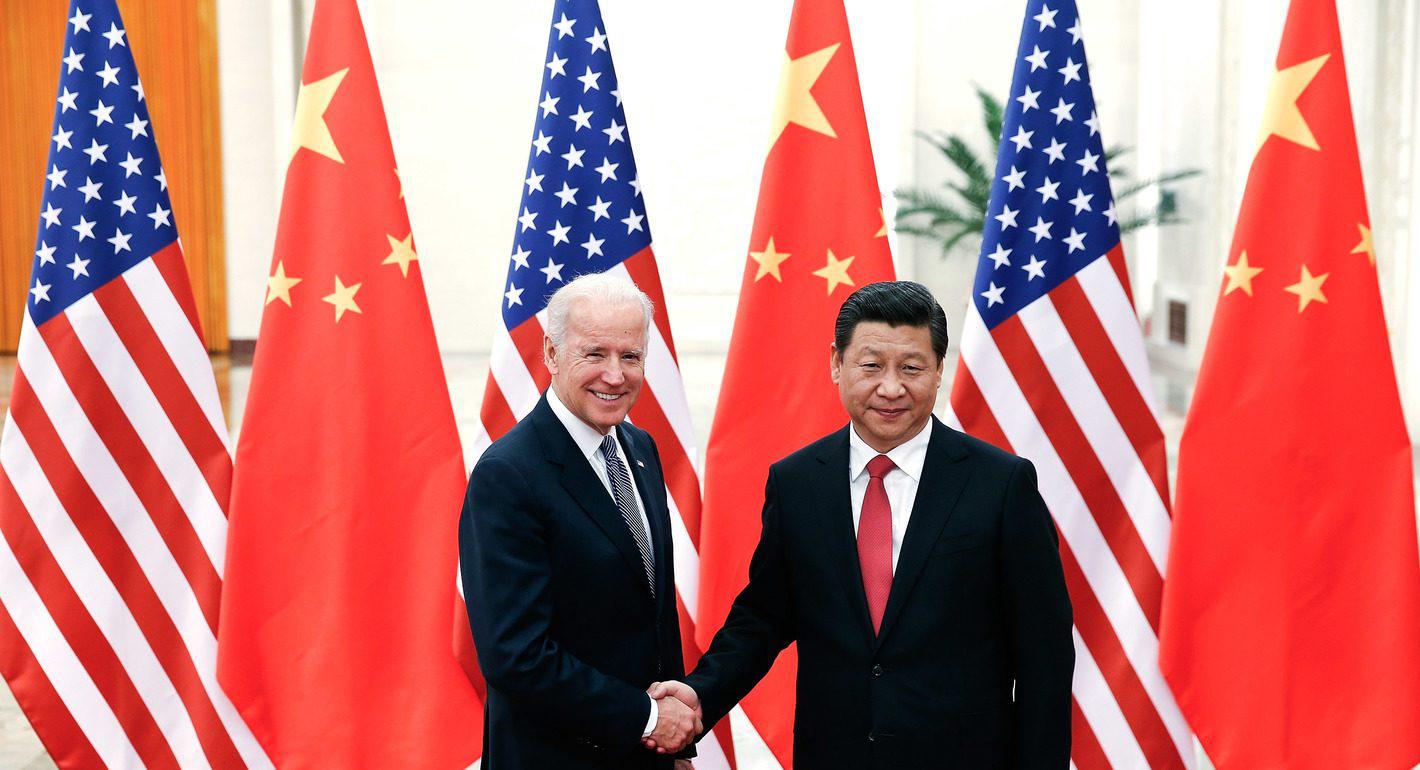
Biden and Xi Meet at APEC

Southeast Asian capitals would prefer that the U.S. and PRC manage their relationship, if not get along.

Link Copied
By Paul Haenle and Chong Ja Ian
Published on Nov 14, 2023

On a recent episode of the China in the Worldpodcast, Paul Haenle spoke with Ian Chong, nonresident fellow at Carnegie China, about Southeast Asian views of the Biden-Xi meeting. A portion of their conversation, which has been edited and condensed for clarity, is below.

Paul Haenle: ASEAN countries have a lot at stake in U.S.-China relations. Southeast Asian countries watch very closely the U.S.-China relationship because it is so consequential to them. The Singapore Prime Minister Lee Hsien Loong said recently, “You need a meeting to head in the right direction, but you don’t expect a meeting to make everything sweetness and light.” What, in your view, would ASEAN countries see as a successful meeting between President Xi and Biden?

Ian Chong: In ASEAN capitals, the Biden-Xi meeting itself does not necessarily signify anything substantial. If you recall, at last year’s G20 meeting, it appeared that Biden and Xi had a very good conversation. However, the subsequent balloon incident led to an immediate downward spiral in bilateral relations.

Southeast Asian capitals would prefer that the U.S. and PRC manage their relationship, if not get along. They will be looking to see if there is real momentum behind the recent economic and political dialogues, and if there will be effort to move forward on military-to-military dialogues. They will also be watching to see how far the PRC side is willing to go in softening its positions on regional security. Before he was removed, General Li Shangfu claimed that there had been an increase in maritime and aerial patrols in and near PRC waters. This, of course, is a matter of dispute. The PRC’s excessive claims put a lot of pressure on Southeast Asian capitals. So they will be watching to see if, as a result of the forward movement in U.S.-China relations, the PRC is willing to dial back its rhetoric and behavior in relation to its excessive regional claims.

To listen to the full episode, use the player below, or subscribe in your favorite podcast app.

Authors

Paul Haenle
Former Maurice R. Greenberg Director’s Chair, Carnegie China
Paul Haenle
Chong Ja Ian
Nonresident Scholar, Carnegie China
Chong Ja Ian
North AmericaUnited StatesEast AsiaChinaSoutheast Asia

Carnegie India does not take institutional positions on public policy issues; the views represented herein are those of the author(s) and do not necessarily reflect the views of Carnegie, its staff, or its trustees.

More Work from Carnegie India

  • Commentary
    The Impact of U.S. Sanctions and Tariffs on India’s Russian Oil Imports

    This piece examines India’s response to U.S. sanctions and tariffs, specifically assessing the immediate market consequences, such as alterations in import costs, and the broader strategic implications for India’s energy security and foreign policy orientation.

      Vrinda Sahai
  • Paper
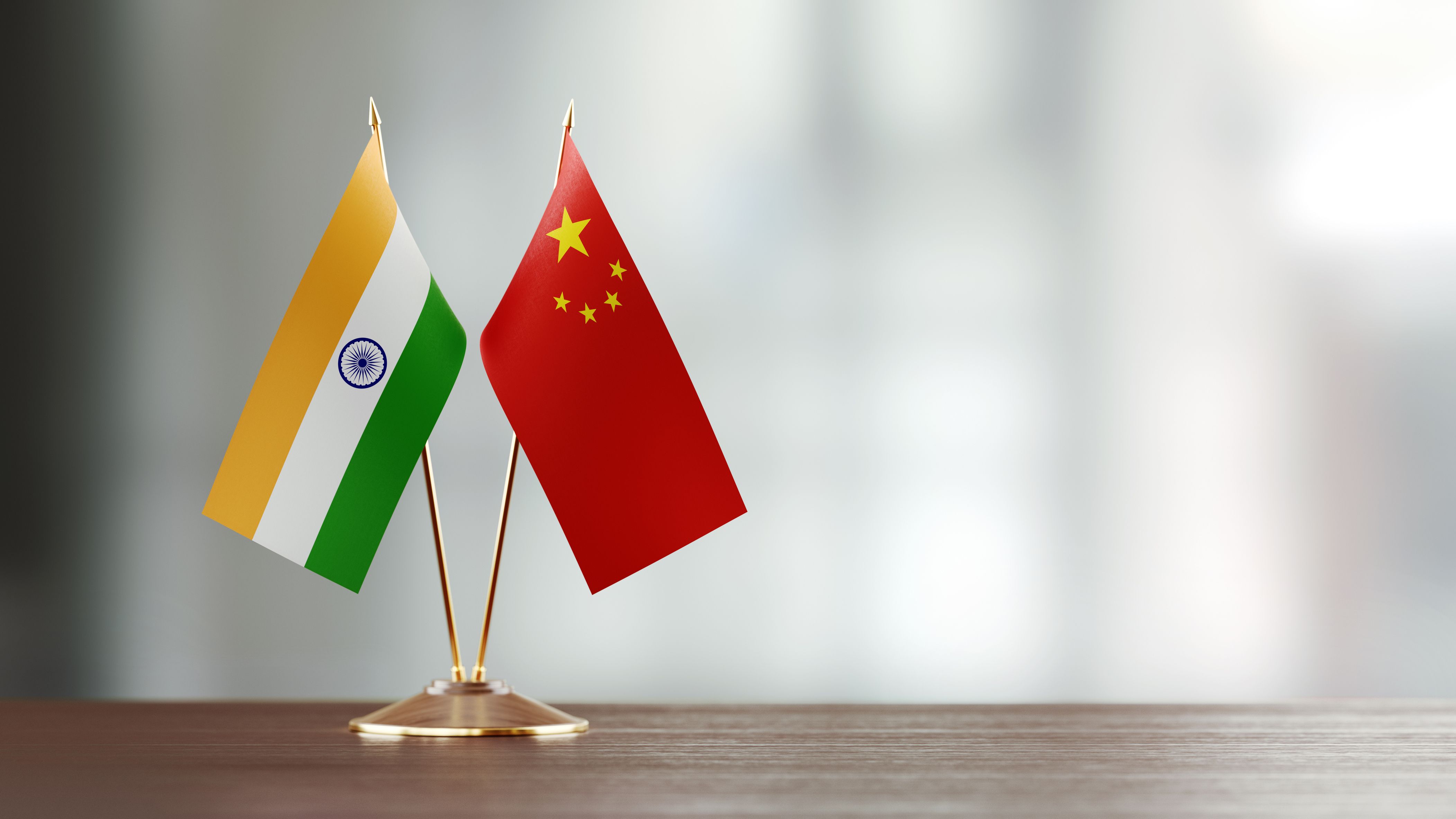
    India-China Economic Ties: Determinants and Possibilities

    This paper examines the evolution of India-China economic ties from 2005 to 2025. It explores the impact of global events, bilateral political ties, and domestic policies on distinct spheres of the economic relationship.

      Santosh Pai

  • Commentary
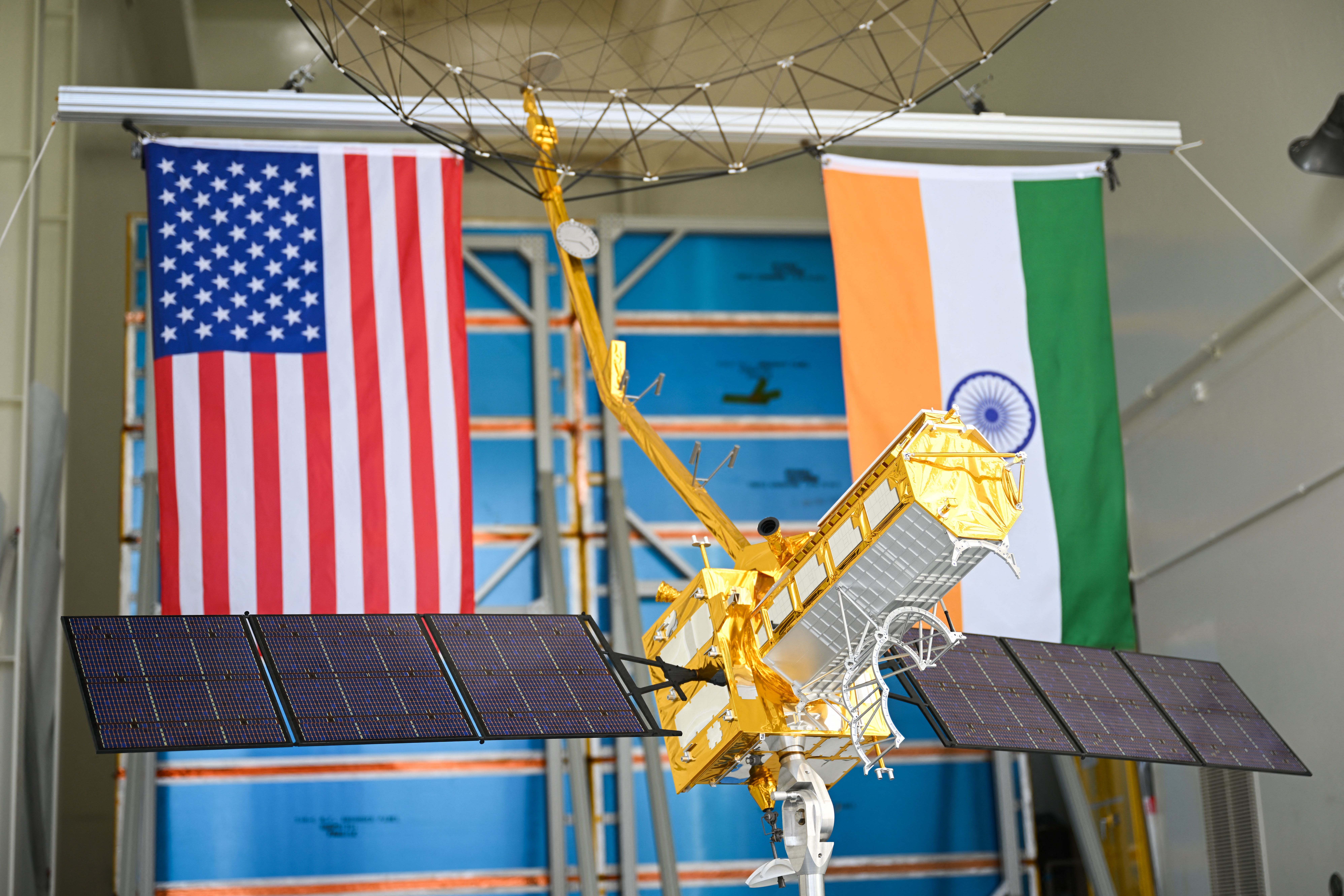
    NISAR Soars While India-U.S. Tariff Tensions Simmer

    On July 30, 2025, the United States announced 25 percent tariffs on Indian goods. While diplomatic tensions simmered on the trade front, a cosmic calm prevailed at the Sriharikota launch range. Officials from NASA and ISRO were preparing to launch an engineering marvel into space—the NASA-ISRO Synthetic Aperture Radar (NISAR), marking a significant milestone in the India-U.S. bilateral partnership.

      Tejas Bharadwaj

  • Article
    Hidden Tides: IUU Fishing and Regional Security Dynamics for India

    This article examines the scale and impact of Chinese IUU fishing operations globally and identifies the nature of the challenge posed by IUU fishing in the Indian Ocean Region (IOR). It also investigates why existing maritime law and international frameworks have struggled to address this growing threat.

      Ajay Kumar, Charukeshi Bhatt

  • Commentary
    TRUST and Tariffs

    The India-U.S. relationship currently appears buffeted between three “Ts”—TRUST, Tariffs, and Trump.

      Arun K. Singh

Get more news and analysis from
Carnegie India
Carnegie India logo, white
Unit C-4, 5, 6, EdenparkShaheed Jeet Singh MargNew Delhi – 110016, IndiaPhone: 011-40078687
  • Research
  • About
  • Experts
  • Projects
  • Events
  • Contact
  • Careers
  • Privacy
  • For Media
Get more news and analysis from
Carnegie India
© 2026 Carnegie Endowment for International Peace. All rights reserved.