When it comes to digital transformation, representatives from across regions—from the Caribbean to the Indo-Pacific, often ask, “What choices do we have?” These countries are faced with a difficult decision—either pay the high cost charged by global vendors for deploying these systems or opt for significantly cheaper solutions from firms sometimes subsidized by undemocratic states. For nations where price is an important factor, there is often no option but the latter, despite the democratic risk and lack of clarity on how these firms operate and manage their data. These systems are becoming increasingly embedded in the digital transformation of governance across the world.
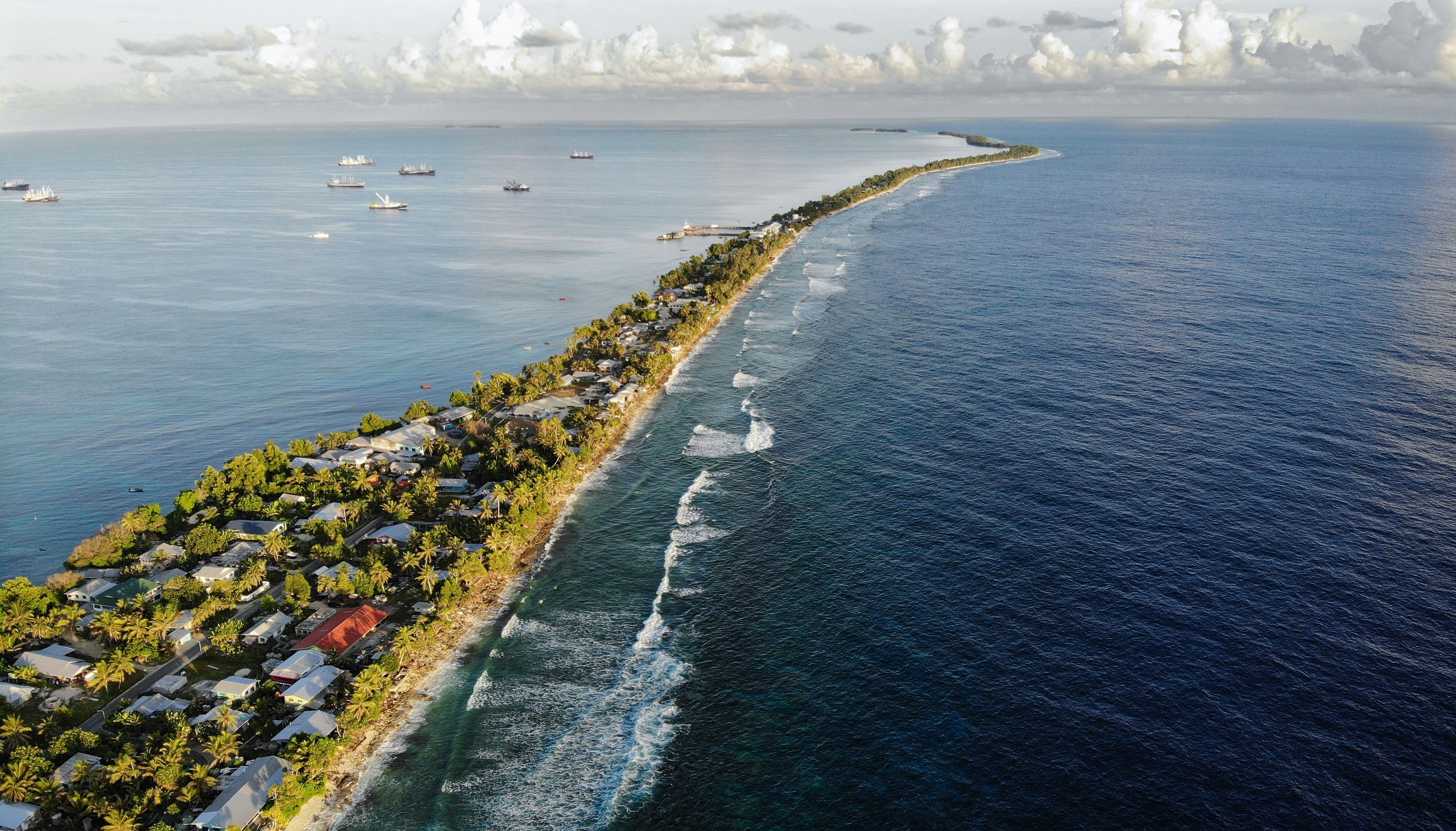
What can be done to tilt the scales away from this geotechnical challenge to a more democratic infrastructure—away from the risk of external control and towards a more transparent digital transformation? How do we build digital infrastructure that strengthens rather than weakens sovereign rights in Big Ocean states and others that are increasingly at the center of the ever-sharpening geopolitics of sensitive regions?
There is an alternative.
Digital public infrastructure (DPI) offers a cost-effective alternative to digital transformation, allowing nations to retain sovereign control over their digital infrastructure. If the Quad can embrace DPI and actively support its adoption, there is a chance for democratic public infrastructure to shape the fortunes of large parts of the Indo-Pacific and beyond.
DPI and the Quad: Current State of Play
The DPI approach offers countries a way to build digital solutions for public services designed to remain under their sovereign control. They can be customized and configured based on the country’s unique requirements. The DPI approach leverages interoperable and reusable building blocks. The total cost of operations can also be significantly lower than what is otherwise available. Essentially, the DPI approach offers shareable technology building blocks that can be reused depending on the requirements of each country.
For instance, data-sharing infrastructure integrated with digital ID systems can almost seamlessly integrate with health platforms, allowing individuals to quickly share critical information with healthcare professionals. Credentialing services that verify critical documents, such as driving licenses, tax cards, and school certificates, can minimize identity fraud allowing countries to do more with paperless processes.
Almost every large technology firm, from Palo Alto and Rio to Bengaluru and Manila, is actively engaged in or is preparing to engage with some form of DPI. Fast payment products like the Unified Payments Interface (UPI) and PayNow, built on top of DPI systems, would not exist in large markets like India and Singapore had these countries not chosen the DPI approach. There are similar real-world examples in the Philippines, Thailand, Estonia, and elsewhere. The DPI approach has also opened significant opportunities for cloud providers looking to support DPI adoption across the world.
At least fifty countries, many located in the Indo-Pacific, are looking at shareable technologies to build their own democratic public infrastructures and need support. We estimate that a pilot in a country with a population under twenty-five million should not cost more than $2–3 million.
The Quad and DPI: Taking Action in Delaware
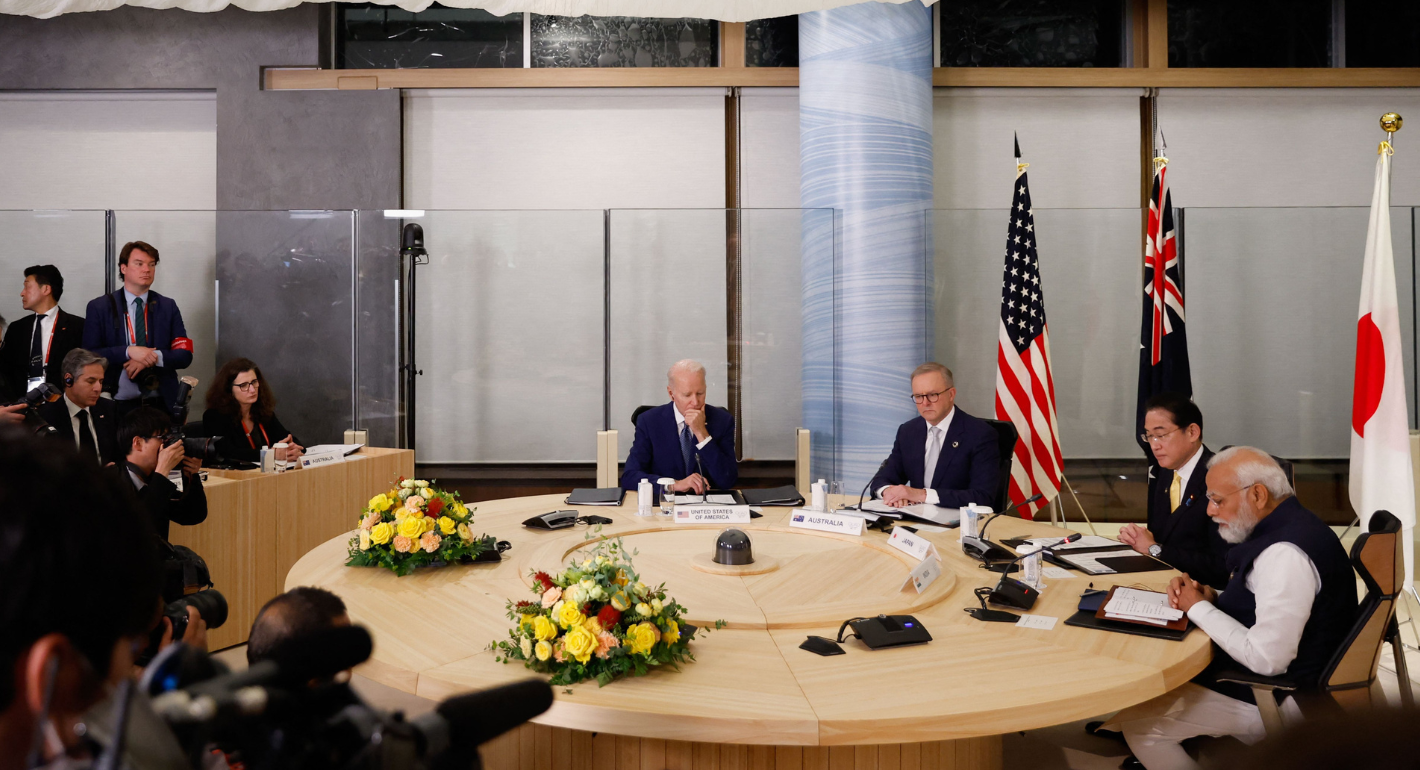
A joint statement following the third in-person Quad Leader’s Summit in Hiroshima in May 2023, read—“We recognise the transformative power of technology, including digital public infrastructure, to support sustainable development in the Indo-Pacific and deliver economic and social benefits.” There is an urgent need to move from recognizing potential to delivering tangible support in the Indo-Pacific and beyond.
The upcoming Quad Leaders’ Summit on September 21 in Wilmington, Delaware, presents an opportunity for leaders and negotiators of the four countries to outline the path ahead. We understand that joint statements are difficult with every word carefully negotiated. However, adding stronger language towards joint DPI adoption will go a long way to creating the pathway for further action that could be galvanized for the next Quad leader’s meeting in early 2025 in India.
In Wilmington, the negotiating teams and even the leaders might find space to discuss this pathway to better appreciate how all sides can work collectively, regardless of what a joint statement might spotlight. Below are three action points that could be executed in the time between the upcoming Leaders’ Summits in Wilmington and the next one in India.
First, as one of the authors has previously written, a Quad discussion on DPI governance is essential. Our understanding is that Australia and Japan will require this to firmly support DPI adoption at any level. This effort could be built on the language and criteria that were agreed upon by the four countries during India’s G20 presidency and should be completed prior to the 2025 Leader’s Summit in India.
Second, all four countries could shortlist a set of states actively looking for DPI adoption. This process should be done simultaneously with the discussion on principles, not sequentially.
Lastly, a task force could be created in Wilmington under the existing Infrastructure Working Group with experts and officials from all four countries. This process can also help connect existing hard infrastructure commitments with those on DPI. Announcing an intent for a task force in Wilmington would send the right signals to states wanting to adopt DPI. As ambitious as they may seem, the outcomes of the task force should provide the substantive basis for action by the time the Leader’s Summit in India commences.
These outcomes ought to include actual financial commitments to states in the DPI pipeline and different ways to support capacity-building efforts. Not all Quad states need to agree on everything; different lines of effort could be parcelled out and funding need not be pooled. The aim should be to build the architecture for a collective effort to see DPI come to life in parts of the world that are increasingly impatient about their own futures and choices.