• Research
  • About
  • Experts
Carnegie India logoCarnegie lettermark logo
Technology
REQUIRED IMAGE
Report

Taiwan's Management of Relations with the United States During the First Chen Shui-bian Administration

This report was prepared for a conference on the first Chen Shui-bian Administration, held in Annapolis Maryland in May 2005, and sponsored by Harvard University and the School of Oriental and African Studies, University of London.

Link Copied
By Michael D. Swaine
Published on May 5, 2005

Additional Links

Full Text

During his first administration, Taiwan President Chen Shui-bian traversed the full spectrum of relations with the United States: from trusted democratic friend and quasi-ally with increasingly convergent views, to highly distrusted and disliked leader, viewed by Washington as potentially disruptive of some vital U.S. interests.  Shortly after entering office, President Chen received an unprecedented level of political---and military---support from the recently elected President George W. Bush.  At that time (2001-2002), Chen was regarded by Washington as an energetic democrat with strong support from the Taiwan public and a close, consultative and cooperative relationship with the White House (the last point was in contrast to his predecessor, Lee Teng-hui).  However, by the end of his first term in office, Chen was regarded by Bush as extremely untrustworthy and a potential source of significant new problems for a U.S. president preoccupied with Iraq, his reelection campaign, and the agenda for a prospective second term.

Such a radical reversal came about as a result of a combination of broad shifts in U.S. foreign policy priorities, domestic political forces in Taiwan, the inexperience and immaturity of the Chen Administration, and perhaps most importantly, a series of personal blunders by President Chen in respect to his management of relations with the White House, and with President Bush in particular.  Fundamentally, the mistakes of the first Chen Administration derived to a large extent from a misreading of the U.S. policy dynamic involving Taiwan.  Chen placed narrower, short-term domestic political calculations above those fundamental, enduring strategic imperatives that confront every Taiwan government---especially the imperative of maintaining reasonably close and cooperative relations with the U.S.

Michael D. Swaine
Former Senior Fellow, Asia Program
Michael D. Swaine
North AmericaUnited StatesEast AsiaChinaTaiwanSecurityMilitaryForeign Policy

Carnegie India does not take institutional positions on public policy issues; the views represented herein are those of the author(s) and do not necessarily reflect the views of Carnegie, its staff, or its trustees.

More Work from Carnegie India

  • Commentary
    The Impact of U.S. Sanctions and Tariffs on India’s Russian Oil Imports

    This piece examines India’s response to U.S. sanctions and tariffs, specifically assessing the immediate market consequences, such as alterations in import costs, and the broader strategic implications for India’s energy security and foreign policy orientation.

      Vrinda Sahai
  • Article
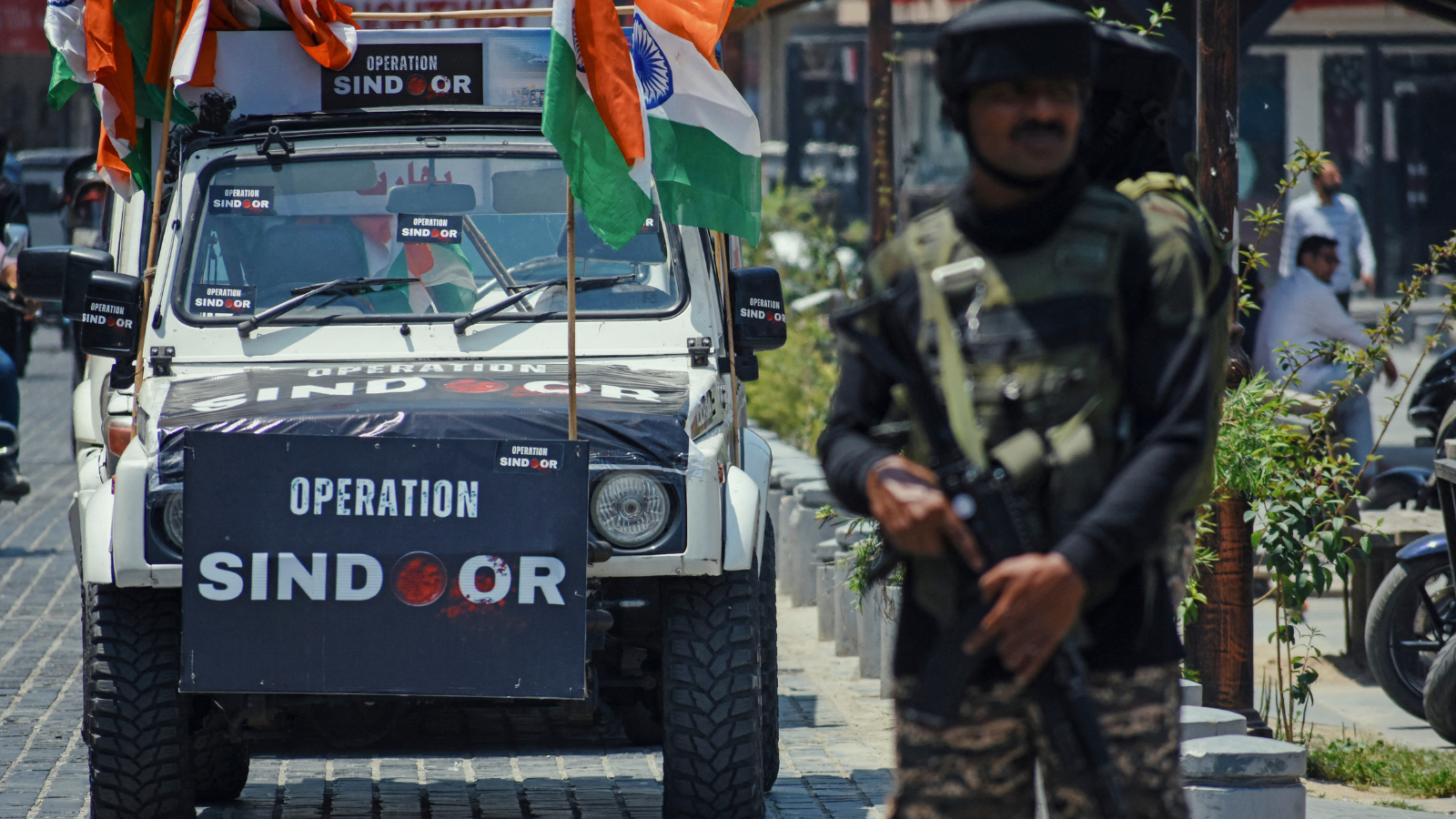
    Military Lessons from Operation Sindoor

    The India-Pakistan conflict that played out between May 6 and May 10, 2025, offers several military lessons. This article presents key takeaways from Operation Sindoor and breaks down how India’s preparations shaped the outcome and what more is needed to strengthen future readiness.

      Dinakar Peri

  • Book
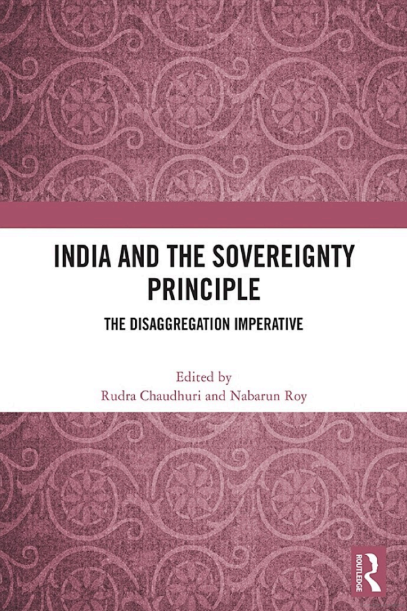
    India and the Sovereignty Principle: The Disaggregation Imperative

    This book offers a comprehensive analysis of India's evolving relationship with sovereignty in a complex global order. Moving beyond conventional narratives, it examines how the sovereignty principle shapes India's behavior across four critical domains—from traditional military power to contemporary data governance.

      Rudra Chaudhuri, Nabarun Roy

  • Paper
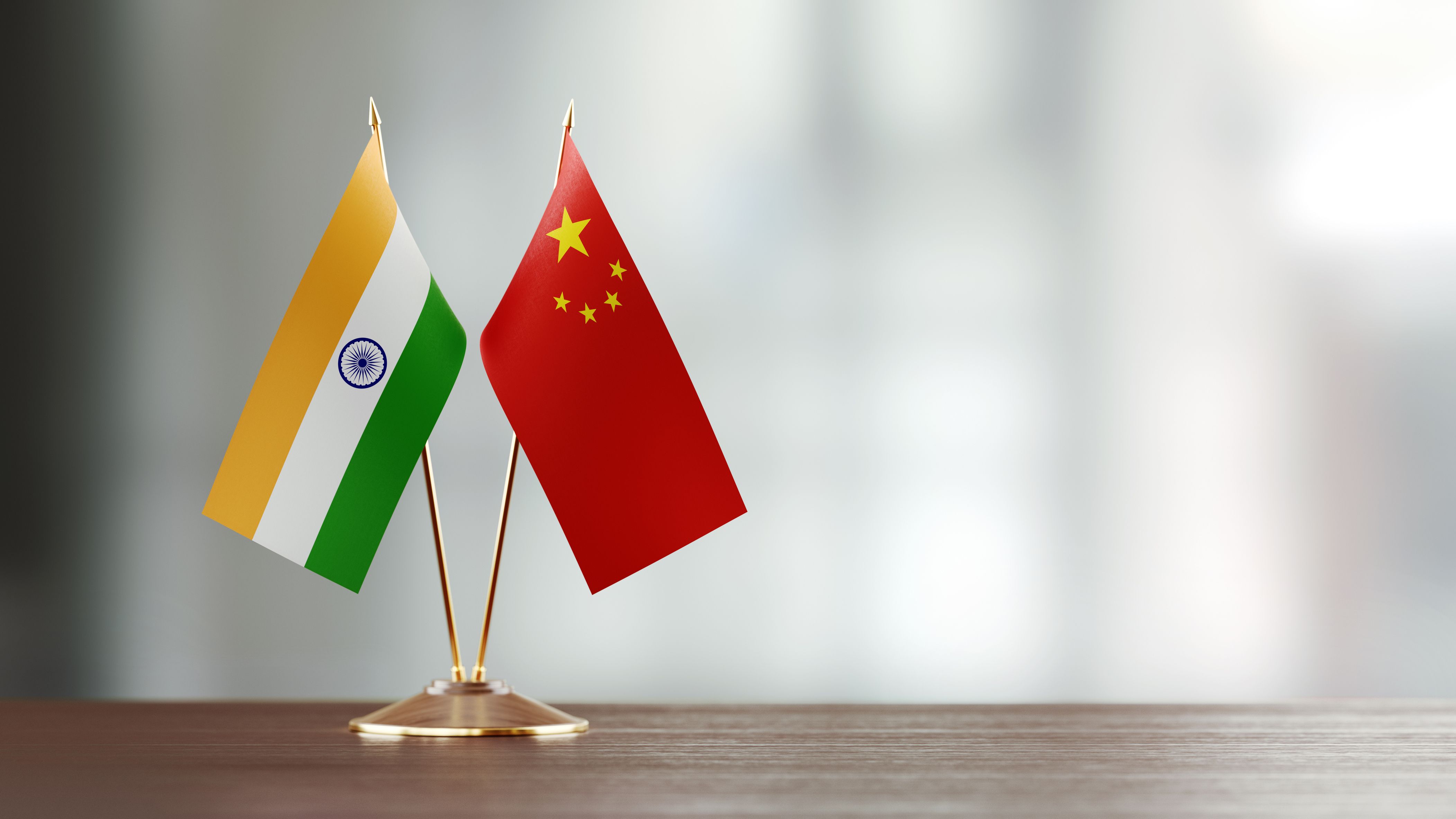
    India-China Economic Ties: Determinants and Possibilities

    This paper examines the evolution of India-China economic ties from 2005 to 2025. It explores the impact of global events, bilateral political ties, and domestic policies on distinct spheres of the economic relationship.

      Santosh Pai

  • Commentary
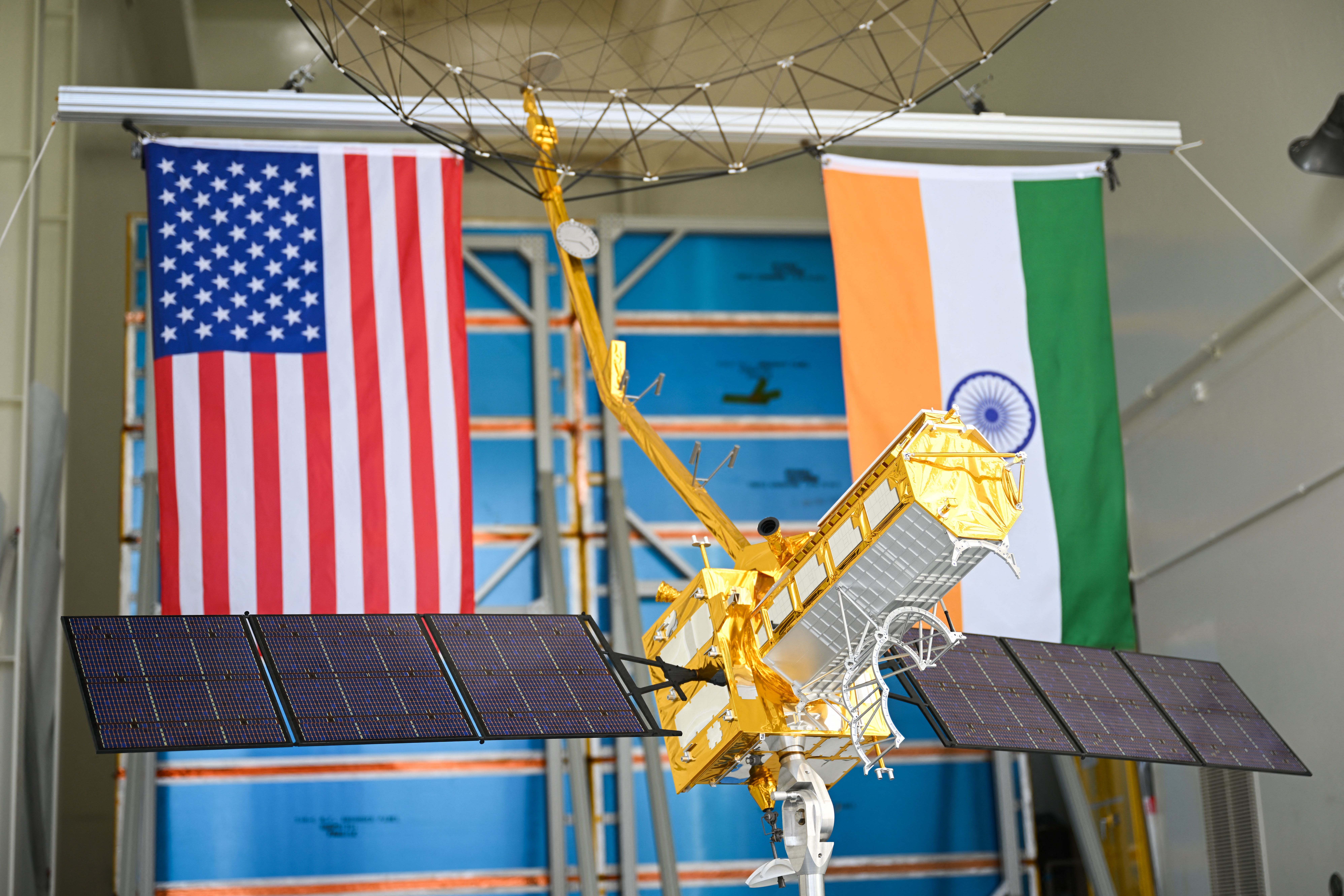
    NISAR Soars While India-U.S. Tariff Tensions Simmer

    On July 30, 2025, the United States announced 25 percent tariffs on Indian goods. While diplomatic tensions simmered on the trade front, a cosmic calm prevailed at the Sriharikota launch range. Officials from NASA and ISRO were preparing to launch an engineering marvel into space—the NASA-ISRO Synthetic Aperture Radar (NISAR), marking a significant milestone in the India-U.S. bilateral partnership.

      Tejas Bharadwaj

Get more news and analysis from
Carnegie India
Carnegie India logo, white
Unit C-4, 5, 6, EdenparkShaheed Jeet Singh MargNew Delhi – 110016, IndiaPhone: 011-40078687
  • Research
  • About
  • Experts
  • Projects
  • Events
  • Contact
  • Careers
  • Privacy
  • For Media
Get more news and analysis from
Carnegie India
© 2026 Carnegie Endowment for International Peace. All rights reserved.