
• Research
  • About
  • Experts
Carnegie India logoCarnegie lettermark logo
Technology
Challenges to Democracy Promotion: The Case of Bolivia

Source: Getty

Paper

Challenges to Democracy Promotion: The Case of Bolivia

Bolivia has embarked on a democratic experiment which differs in significant ways from Western liberal models. While this poses a challenge to traditional democracy promotion efforts, external actors still have the potential to play a constructive role in the country.

Link Copied
By Jonas Wolff
Published on Mar 30, 2011

Additional Links

Full Text

Bolivia offers a critical, but atypical, case for international democracy promotion. The ongoing political transformation initiated by President Evo Morales constitutes one of the few experiences in the world of a serious effort to build a democracy different from the existing Western liberal models. And this presents a significant challenge to democracy promotion efforts. 

The United States and Germany—two main external actors in Bolivia—have been compelled to react to this challenge. In the case of the United States, an initial phase of wait-and-see escalated in 2008 into an open crisis in bilateral relations. Attempts to adjust U.S. democracy assistance to the evolving political situation in Bolivia failed and by the end of 2009 USAID’s democracy program was closed on demand of the Bolivian government. The German government, on the other hand, explicitly supported the political changes initiated by Morales. Bilateral relations between Bolivia and Germany are characterized by general continuity and in terms of democracy assistance Germany largely adjusted its programs to the preferences of the new Bolivian government.

International democracy promoters often argue that they are not trying to impose a specific form of democracy from the outside and Bolivia has tested the U.S. and German commitments to this ideal. In fact, both governments have not stuck dogmatically to their particular models or concepts of democracy, but have shown some surprising flexibility. Negative reactions to Morales, especially in the case of the United States, were actually triggered by disagreements on specific policy issues.
Bolivia’s ongoing democratic transformation suggests that the best external democracy promoters can do under such circumstances is to support processes of inclusive dialogue and constructive conflict resolution. Instead of focusing on a specific political end point—a given model of democracy—support should push for a peaceful and inclusive political process of constructing a model appropriate for Bolivia. This, however, requires external actors to unequivocally respect Bolivia’s claim to democratic self-determination that encompasses not just the shape of its political system but also its foreign, economic, and narcotics policies.
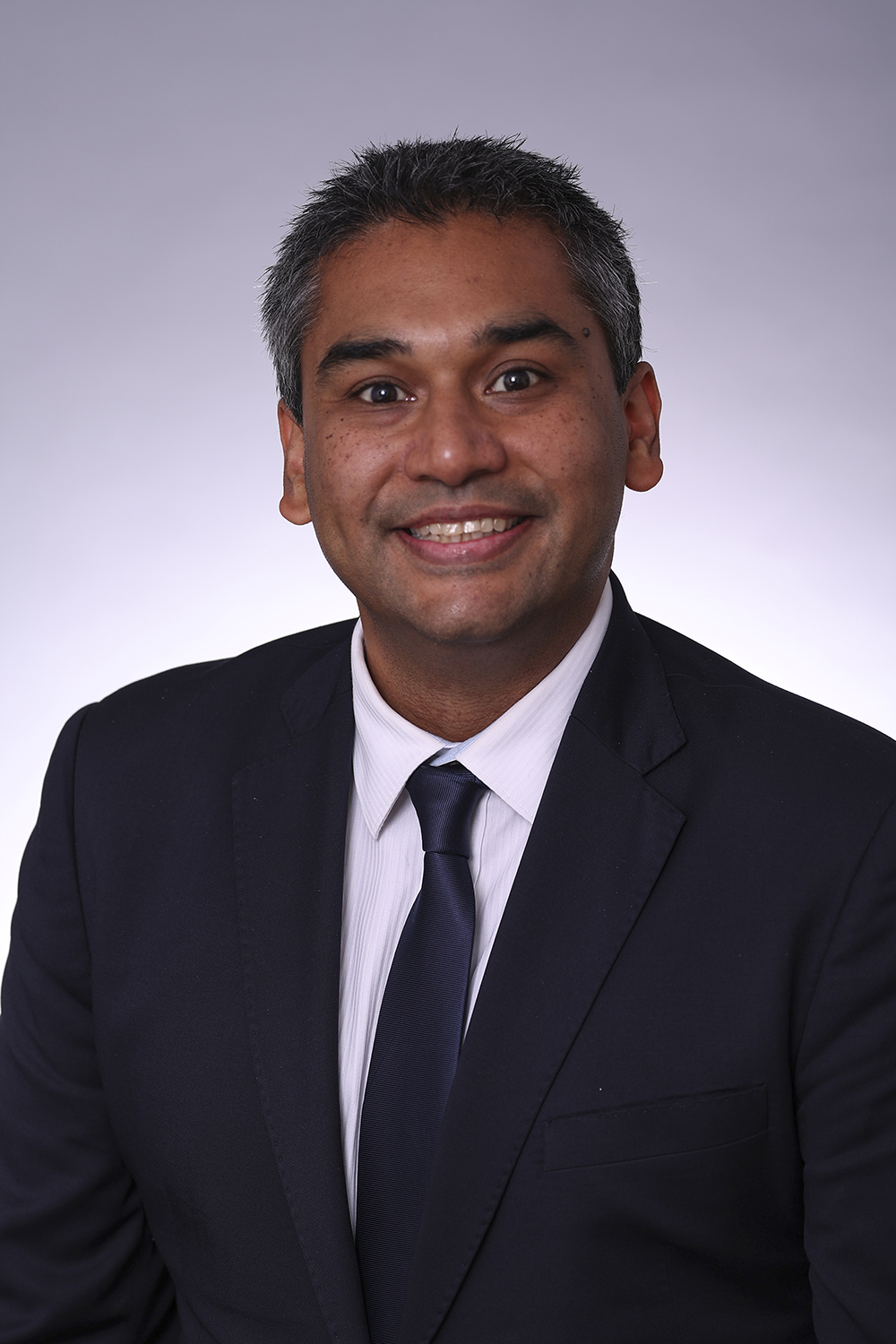
Jonas Wolff

Wolff is an executive board member and the head of the Intrastate Conflict research department at the Peace Research Institute Frankfurt.

Jonas Wolff
North AmericaSouth AmericaPolitical ReformDemocracy

Carnegie India does not take institutional positions on public policy issues; the views represented herein are those of the author(s) and do not necessarily reflect the views of Carnegie, its staff, or its trustees.

More Work from Carnegie India

  • Source: iStock
    Commentary
    What’s Next for U.S. AI Policy?

    This commentary explores the likely actions of the Trump administration and driving forces on issues of deregulation, the United States’ leadership in AI, national security, and global engagements on AI safety.

      Shatakratu Sahu, Amlan Mohanty

  • Article
    One Year of the INDUS-X: Defense Innovation Between India and the U.S.

    Since its launch nearly a year ago, the INDUS-X has marked many milestones in the India-U.S. relationship. Much has been achieved, but there is room to further enhance defense cooperation between the two countries in the coming years.

      Ajay Kumar, Tejas Bharadwaj

  • Article
    What is the United States-India Initiative on Critical and Emerging Technology (iCET)?

    This article explicates what iCET is and what it should not be mistaken for. The initiative is not designed to deliver a single deal. Instead, it involves multiple streams for cooperation and collaboration between the United States and India on critical and emerging technologies.

      Rudra Chaudhuri

  • Article
    Biotechnology Collaboration Through the iCET: A New Beginning

    Based on preliminary research and stakeholder discussions, this article features four areas of biosafety and biosecurity that could potentially become concrete agenda items for collaboration between the United States and India under the iCET.

      Shruti Sharma

  • Article
    The U.S.-India Initiative on Critical and Emerging Technology (iCET): The Way Forward

    The article highlights critical takeaways from the unofficial discussions led by Carnegie India on the iCET with officials from both the countries, industry leaders, technologists, fund managers, entrepreneurs, and academics.

      Rudra Chaudhuri, Konark Bhandari, Ashima Singh

Get more news and analysis from
Carnegie India
Carnegie India logo, white
Unit C-4, 5, 6, EdenparkShaheed Jeet Singh MargNew Delhi – 110016, IndiaPhone: 011-40078687
  • Research
  • About
  • Experts
  • Projects
  • Events
  • Contact
  • Careers
  • Privacy
  • For Media
Get more news and analysis from
Carnegie India
© 2026 Carnegie Endowment for International Peace. All rights reserved.