• Research
  • About
  • Experts
Carnegie India logoCarnegie lettermark logo
Technology
Abstract image for artificial intelligence
Research

AI Agents and Democratic Resilience

Autonomous AI agents are arriving at a moment of acute vulnerability for liberal democratic orders. Amid deep uncertainty about agents’ prospective capabilities and impacts, this essay considers how they might both accelerate and mitigate the structural pressures loosening democracy’s screws—and how to ensure the robust protection of democratic values in the age of agentic AI. 

Link Copied
By Seth Lazar and Mariano-Florentino (Tino) Cuéllar
Published on Sep 4, 2025
Read Full Paper

Autonomous AI agents are arriving at a moment of acute vulnerability for liberal democratic orders. Amid deep uncertainty about agents’ prospective capabilities and impacts, this essay considers how they might both accelerate and mitigate the structural pressures loosening democracy’s screws—and how to ensure the robust protection of democratic values in the age of agentic AI. 

AI agents fuse perception, memory, planning, and tool use. After some early stumbles, they may soon be able to perform almost any digital task humans can tackle, potentially at lightning speed and vast scale. We argue that this prospect would magnify every existing democratic fault line: accelerating white-collar displacement and feeding populist anger; ceding unprecedented leverage over the state to a handful of firms; giving would-be autocrats precision surveillance and other resources for “autocratic legalism”; and flooding the public sphere until real people flee a wasteland of mistrust.

Highly capable agents would also mint fresh hazards. Agentic AI companions can cultivate intimacy then weaponize it, scaling social manipulation. Coordinated swarms may prosecute cyber attacks that cripple democratic infrastructure. A perfectly obedient, AI-run bureaucracy would let leaders wear the state like an exoskeleton, sidestepping human checks and balances.

Agents could also advance democratic values. If democratic states adequately support open and decentralized access to frontier models, agents could serve as cognitive prosthetics guiding people through complexity, as shields detecting manipulation, and as advocates mobilizing collective power against corporate or governmental overreach. They can be part of the cure as well as the cause. But core democratic functions—agenda-setting, will-formation, definitive choice—cannot be outsourced without undermining what makes them worthwhile. Ultimately, even the best agent ecosystem will fail without urgent work to shore up the institutions and civic habits constitutive of democratic resilience.

The full paper is published on the Knight foundation website and can be found here.

Authors

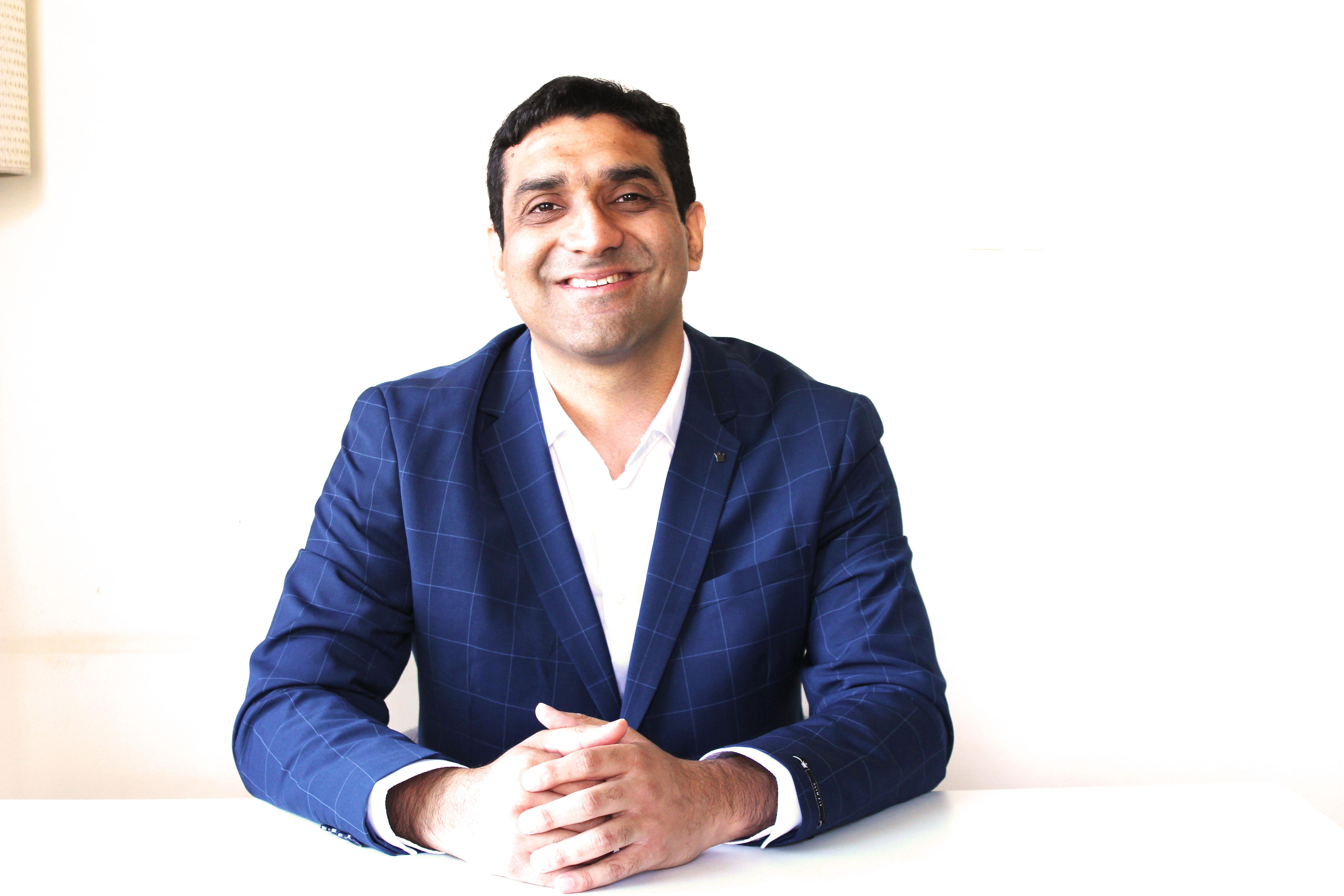
Seth Lazar
Nonresident Scholar, Technology and International Affairs Program
Seth Lazar
Mariano-Florentino (Tino) Cuéllar
President, Carnegie Endowment for International Peace
Mariano-Florentino (Tino) Cuéllar
TechnologyAIDemocracy

Carnegie India does not take institutional positions on public policy issues; the views represented herein are those of the author(s) and do not necessarily reflect the views of Carnegie, its staff, or its trustees.

More Work from Carnegie India

  • Commentary
    The PSLV Setback: Restoring India’s Workhorse

    On January 12, 2026, India's "workhorse," the Polar Satellite Launch Vehicle, experienced a consecutive mission failure for the first time in its history. This commentary explores the implications of this incident on India’s space sector and how India can effectively address issues stemming from the incident.

      Tejas Bharadwaj

  • Commentary
    AI Adoption Journey for Population Scale

    Connecting real-world AI use cases across sectors such as health, education, agriculture, and livelihoods can help policymakers, innovators, and institutions align around a shared goal. This article looks at a framework ensuring that AI works for everyone.

      Shalini Kapoor, Tanvi Lall

  • Article
    The State of Digital Transformation in Pacific Island Countries

    Pacific Island Countries are at a pivotal moment in their digital journeys. Across the region, there is growing recognition of digital transformation as a key driver of economic growth, resilience, and global connectivity.

      Shruti Mittal, Adarsh Ranjan

  • Article
    Revisiting the Usage of Refurbished Equipment in India’s Semiconductor Ecosystem

    This article looks at the progress of the Semiconductor Laboratory fab modernization plan based on publicly available documents, and potential learnings for future upgrades to government-owned fabs and India’s larger semiconductor ecosystem, especially regarding the use of refurbished equipment.

      Shruti Mittal, Konark Bhandari

  • Article
    Military Lessons from Operation Sindoor

    The India-Pakistan conflict that played out between May 6 and May 10, 2025, offers several military lessons. This article presents key takeaways from Operation Sindoor and breaks down how India’s preparations shaped the outcome and what more is needed to strengthen future readiness.

      Dinakar Peri

Get more news and analysis from
Carnegie India
Carnegie India logo, white
Unit C-4, 5, 6, EdenparkShaheed Jeet Singh MargNew Delhi – 110016, IndiaPhone: 011-40078687
  • Research
  • About
  • Experts
  • Projects
  • Events
  • Contact
  • Careers
  • Privacy
  • For Media
Get more news and analysis from
Carnegie India
© 2026 Carnegie Endowment for International Peace. All rights reserved.