

Commentary
The government’s gains in the northwest will have an echo nationally, but will they alter Israeli calculations?
Armenak Tokmajyan
{
  "authors": [
    "Aron Lund"
  ],
  "type": "commentary",
  "blog": "Diwan",
  "centerAffiliationAll": "",
  "centers": [
    "Carnegie Endowment for International Peace"
  ],
  "collections": [],
  "englishNewsletterAll": "",
  "nonEnglishNewsletterAll": "",
  "primaryCenter": "Carnegie Endowment for International Peace",
  "programAffiliation": "",
  "programs": [],
  "projects": [],
  "regions": [
    "Syria"
  ],
  "topics": []
}
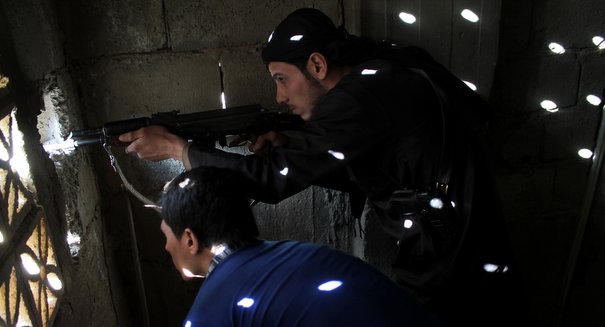
On November 6, 2013, a statement was released by Syrian rebels declaring the creation of “the Greater Damascus Operations Room.”
The term “operation room” (ghurfat amaliyat) refers to a type of cooperative arrangement that has emerged during the Syrian civil war. It is a tactical alliance of factions working to control a particular area or to accomplish a specific objective; the “room” is not necessarily a fixed physical space, but rather represents an institutionalization of their relations. Although the operations room concept has been particularly popular among the Islamist factions, the “rooms” do not generally publicize political goals. Instead, they are practical constructions designed to disburse funds and equipment and to coordinate around military goals.
In many ways, the operations room structure is similar to the military councils promoted since 2012 by Gulf and Western interests to form the spine of a Free Syrian Army. While they are in many ways complementary, the operations room concept can also be construed as a rival method of organization since the “rooms” conduct operations outside of the official FSA council structure. The operations rooms, too, are typically sponsored by a foreign backer (or several), who take it upon themselves to fund their members’ joint operations. Often, these will be private Islamist donors in the Persian Gulf, although many of these donations maybe given with tacit state backing.
There are several such operations rooms already up and running in the Damascus area and the statement on November 6 describes a merging of nine of them under a region-wide umbrella, the Greater Damascus Operations Room. For a complete list, see the end of this post. If we trust the statement to be correct, that makes for a total of twelve member factions, although some are involved through multiple operations rooms.
The first four of these groups are among the biggest rebel factions in the countryside around Damascus and a few of the others are also significant entities in their own areas. All present themselves as Islamist, to varying degrees. Several lean strongly to Salafi ideologies, like Ahrar al-Sham. One, the Palestinian-backed Aknaf Beit al-Maqdes Brigade, has been rumored to be supported by members of Hamas, a Muslim Brotherhood faction, although there’s little hard evidence for this.
Apart from the operations rooms, several of these groups have also been involved with political alliances. Some, like al-Habib al-Mustafa, used to describe themselves as part of the Free Syrian Army and many still seem to be involved with the Supreme Military Command of Salim Idriss. Currently, Ahrar al-Sham is a member of the non-FSA Syrian Islamic Front, while a few of the other, like Sahaba and al-Habib al-Mustafa, are in a semi-defunct Damascus Islamist alliance called the Ansar al-Islam Gathering.
The Greater Damascus Operations Room is undoubtedly the biggest collaborative project in the area so far, although only time will tell how well it holds together–it could fall apart tomorrow. As such, it also represents a step away from the FSA/SMC structure of Salim Idriss and a strengthening of the Islamist-led rebellion against the National Coalition and the Geneva talks that took off on September 24. One participant in the Greater Damascus Operations Room even calls it the “killing blow” against an already dysfunctional FSA military council structure in Damascus.
But Brig. Gen. Idriss and his Damascus deputies are not the only ones excluded from the new structure. Many other groups have affiliates in the Damascus region that could have been on the list, like perhaps, the Quneitra-centered Furqan Brigades. And when reading the list of factions involved, three names in particular are conspicuously absent.
More on that tomorrow, in Part 2 of this post.
This is a list of the participating operations rooms and their list of members, as declared in the statement of November 6, 2013, with their approximate locations added in parenthesis.
Carnegie does not take institutional positions on public policy issues; the views represented herein are those of the author(s) and do not necessarily reflect the views of Carnegie, its staff, or its trustees.
The government’s gains in the northwest will have an echo nationally, but will they alter Israeli calculations?
Armenak Tokmajyan
The country’s leadership is increasingly uneasy about multiple challenges from the Levant to the South Caucasus.
Armenak Tokmajyan
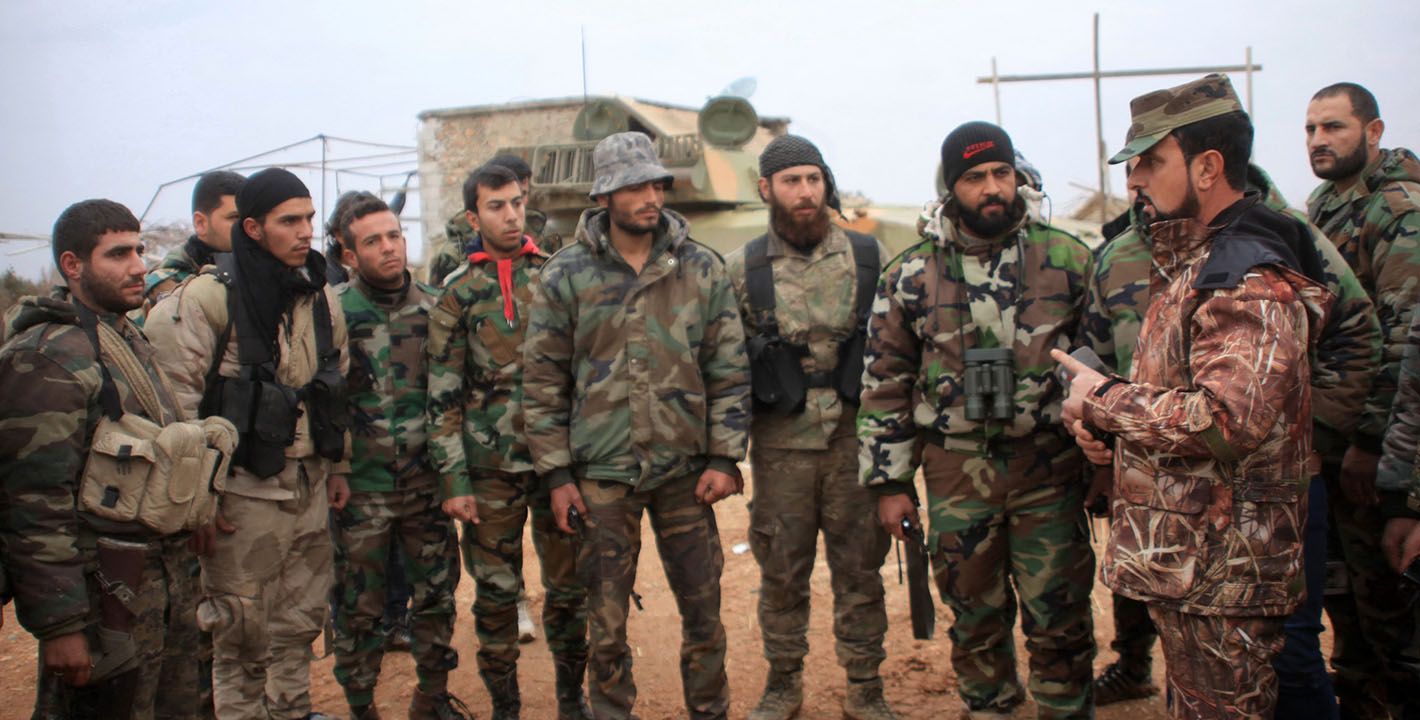
Recent leaks made public by Al-Jazeera suggest that this is the case, but the story may be more complicated.
Mohamad Fawaz
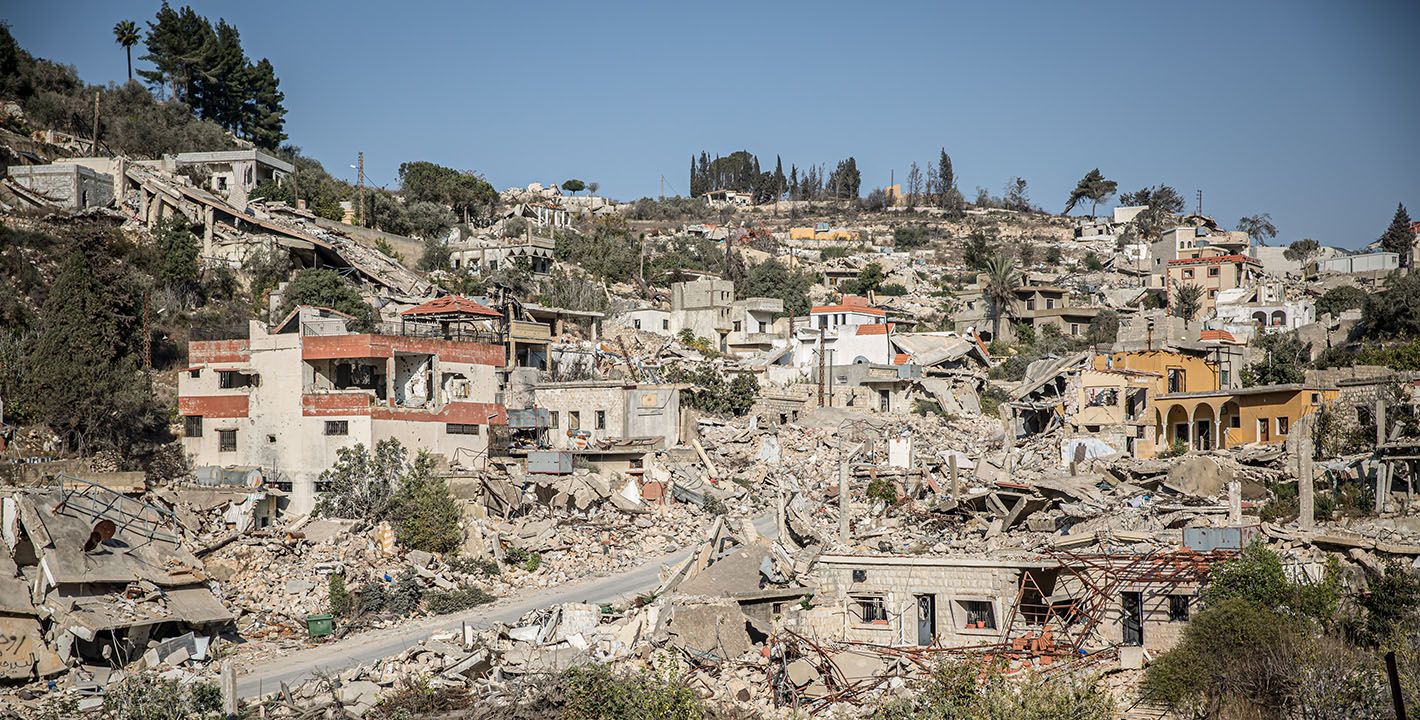
The U.S. is trying to force Lebanon and Syria to normalize with Israel, but neither country sees an advantage in this.
Michael Young
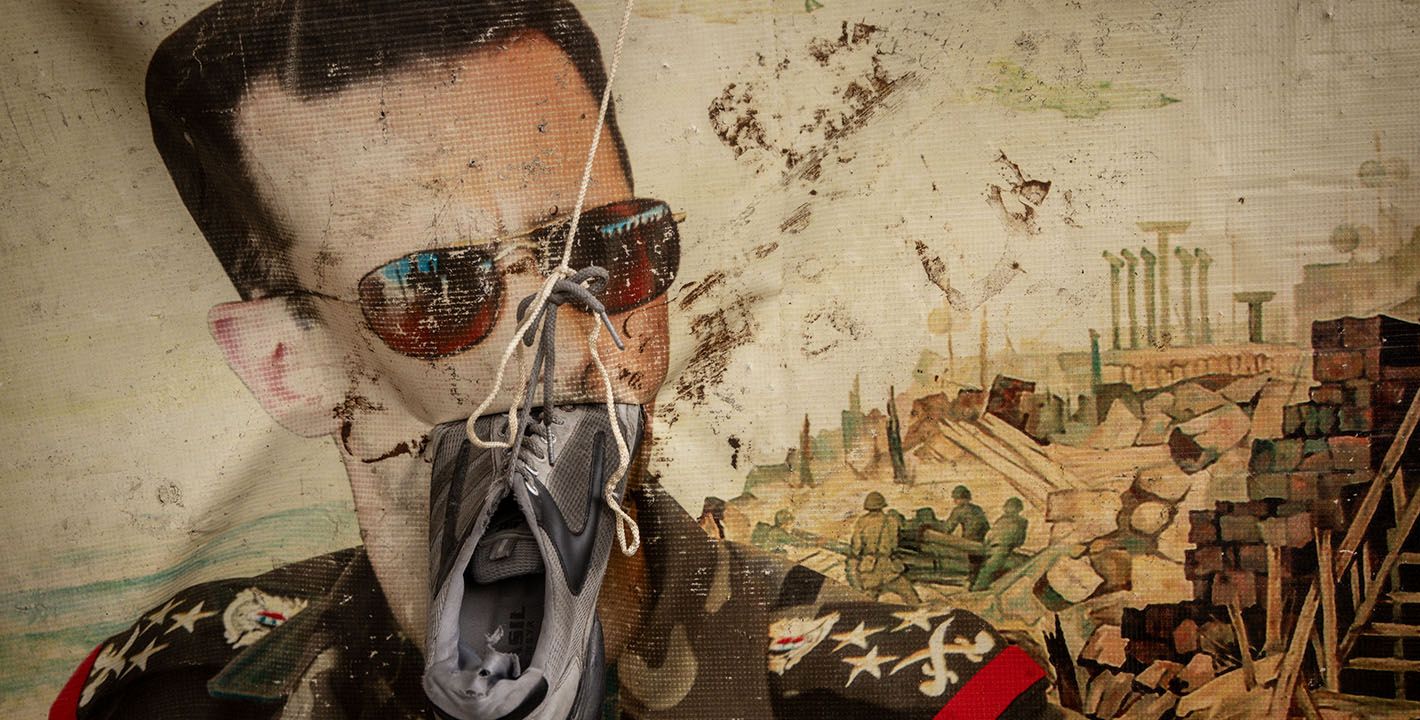
A regular survey of experts on matters relating to Middle Eastern and North African politics and security.
Michael Young