

Commentary
The countries in the region are managing the fallout from Iranian strikes in a paradoxical way.
Angie Omar
{
  "authors": [
    "Amr Hamzawy",
    "Marina Ottaway"
  ],
  "type": "legacyinthemedia",
  "centerAffiliationAll": "",
  "centers": [
    "Carnegie Endowment for International Peace",
    "Malcolm H. Kerr Carnegie Middle East Center"
  ],
  "collections": [],
  "englishNewsletterAll": "",
  "nonEnglishNewsletterAll": "",
  "primaryCenter": "Carnegie Endowment for International Peace",
  "programAffiliation": "",
  "programs": [],
  "projects": [],
  "regions": [
    "Egypt",
    "Gulf",
    "Levant",
    "Maghreb"
  ],
  "topics": [
    "Political Reform"
  ]
}
Source: Getty
Islamist parties and movements in Arab countries have gained political influence by making the difficult strategic decision to participate in the existing legal political process, forcing them to confront thorny ideological issues.
Source: The Fletcher Forum of World Affairs


Director, Middle East Program
Amr Hamzawy is a senior fellow and the director of the Carnegie Middle East Program. His research and writings focus on governance in the Middle East and North Africa, social vulnerability, and the different roles of governments and civil societies in the region.

Former Senior Associate, Middle East Program
Before joining the Endowment, Ottaway carried out research in Africa and in the Middle East for many years and taught at the University of Addis Ababa, the University of Zambia, the American University in Cairo, and the University of the Witwatersrand in South Africa.
Carnegie does not take institutional positions on public policy issues; the views represented herein are those of the author(s) and do not necessarily reflect the views of Carnegie, its staff, or its trustees.
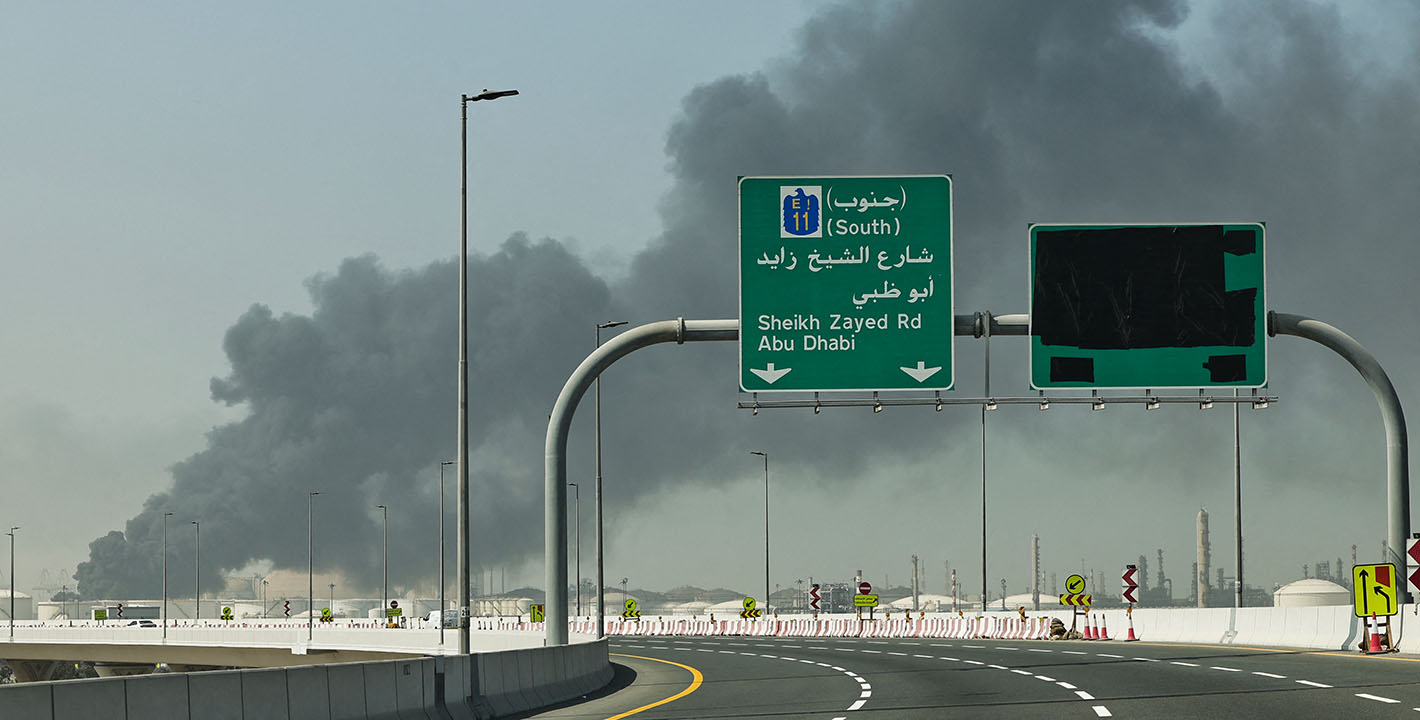
The countries in the region are managing the fallout from Iranian strikes in a paradoxical way.

Angie Omar

In an interview, Hassan Mneimneh discusses the ongoing conflict and the myriad miscalculations characterizing it.

Michael Young
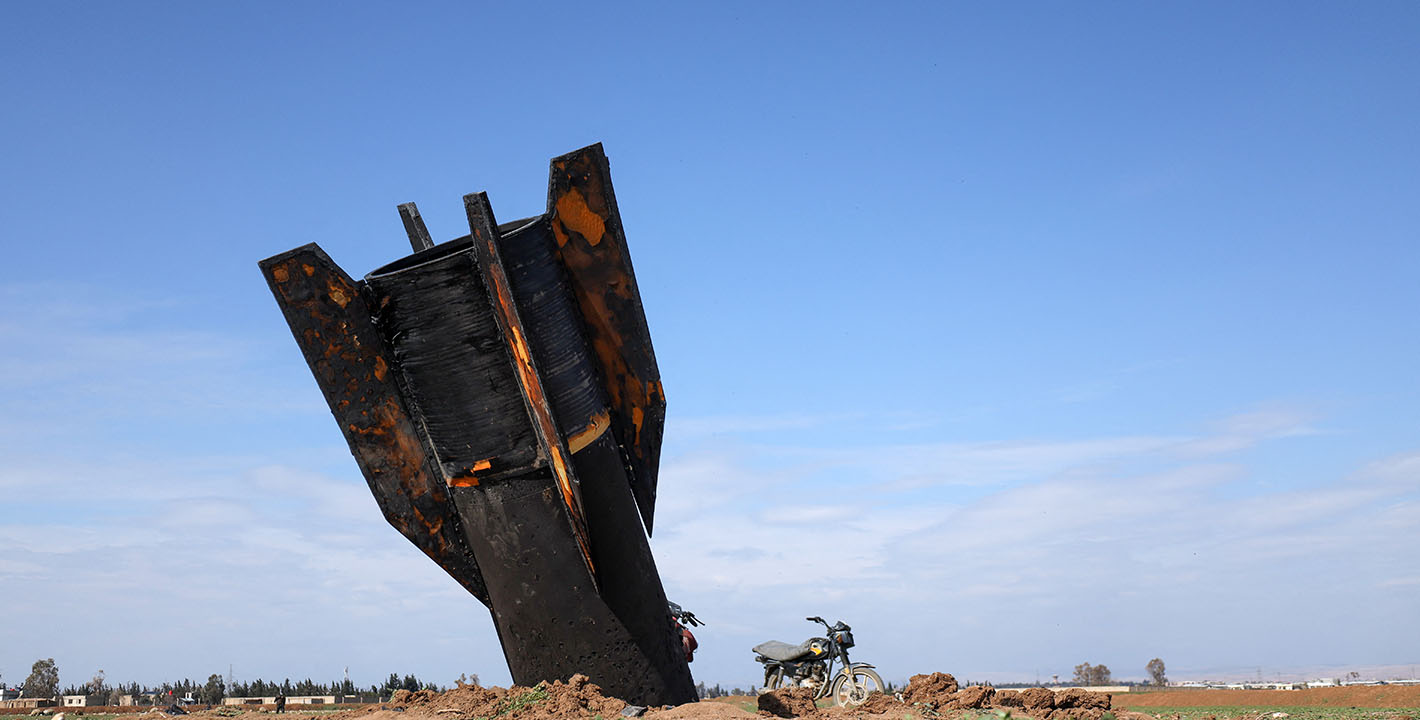
In an interview, Nicole Grajewski discusses the military dimension of the U.S. and Israeli attacks on Iran.
Michael Young

In an interview, Naysan Rafati assesses the first week that followed the U.S. and Israeli attack on Iran.
Michael Young
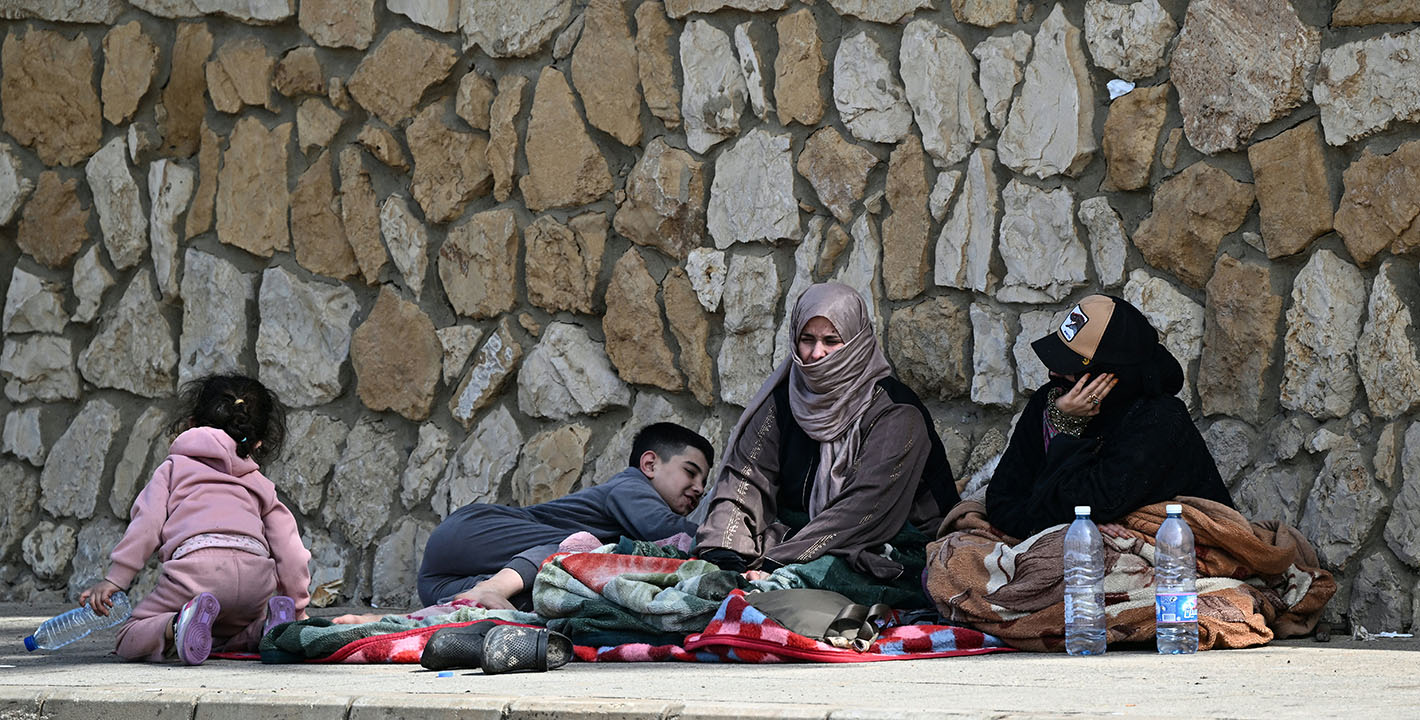
At heart, to impose unconditional surrender on Hezbollah and uproot the party among its coreligionists.

Yezid Sayigh