

Article
The UN Support Mission in the country should reassess its approach so that consensus between the warring parties becomes the eventual goal, rather than a procedural matter that dogs the negotiating process at every turn.
Soraya Rahem
{
  "authors": [],
  "type": "other",
  "centerAffiliationAll": "",
  "centers": [
    "Carnegie Endowment for International Peace"
  ],
  "collections": [],
  "englishNewsletterAll": "",
  "nonEnglishNewsletterAll": "",
  "primaryCenter": "Carnegie Endowment for International Peace",
  "programAffiliation": "",
  "programs": [],
  "projects": [],
  "regions": [
    "North Africa",
    "Egypt"
  ],
  "topics": []
}
A backgrounder on the Egyptian Popular Current.
This resource was published on 09/03/2013 and is not updated to reflect changing circumstances.
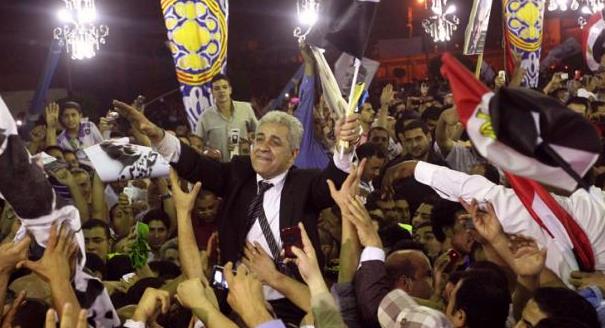
The Egyptian Popular Current (EPC) is a political movement that was founded by Hamdeen Sabahi, a leftist politician who finished third in the 2012 Egyptian presidential election. The EPC became a key player in the secular opposition to former Egyptian president Mohamed Morsi, participating in the National Salvation Front and supporting the protests that resulted in military intervention to remove Morsi on July 3.
Hamdeen Sabahi: founder and former presidential candidate
Hussein Abdel Ghani: prominent prorevolution journalist
Hamdi Qandil: prominent prorevolution journalist
Kamal Abu Eita: head of the Egyptian Federation of Independent Trade Unions
Abdel Hakim Abdel Nasser: grandson of former Egyptian president Gamal Abdel Nasser
Mostafa El-Guindy: Prominent politician
Sabahi announced the formation of the EPC on September 21, 2012. The movement attempted to capitalize on Sabahi’s support from the presidential elections to further its aim of uniting secular organizations in opposition to the Islamist political parties and the government of then president Morsi. As a populist movement with roots in Nasserist, socialist, and nationalist strains of Egyptian politics, the EPC’s goals emphasized freedom, social justice, and dignity. In pursuit of those ends, the movement stressed the following three objectives:
Despite its political goals, the organization decided to structure itself as a movement rather than as a party and to emphasize social activism instead of traditional politics. As a result, the EPC adopted a relatively decentralized and flexible structure focused on the mobilization of grassroots activists at the local level. The upper echelons of the movement consist of a seventeen-member executive bureau staffed by youth activists and a larger council of trustees formed by issue experts who contributed to Sabahi’s presidential campaign.
Sabahi and the EPC fiercely opposed an IMF loan that was being negotiated with the Egyptian government during Morsi’s time in office. Sabahi criticized the IMF for impoverishing the countries in which it intervenes and argued that proposed austerity measures set to accompany the loan would lead to economic devastation. In response to criticisms that the opposition had no plans to propose, only criticisms of the government, the EPC launched an economic conference on April 7 titled “Saving the Egyptian Economy: Toward an Alternative Program.”
The EPC was a founding member of the National Salvation Front, an opposition coalition that was established on November 24, 2012, to oppose Morsi’s government. From December 2012 to July 2013, the front frequently participated in protests against the president’s administration. Sabahi and the EPC also supported Egypt’s Rebel Movement in its attempt to bring down Morsi’s government through popular protest and demands for early presidential elections.
Since Morsi’s removal from office, Sabahi and the EPC have been outspoken critics of the Muslim Brotherhood. They have generally been supportive of the interim government led by former chief justice of the supreme constitutional court Adly Mansour.
Carnegie does not take institutional positions on public policy issues; the views represented herein are those of the author(s) and do not necessarily reflect the views of Carnegie, its staff, or its trustees.
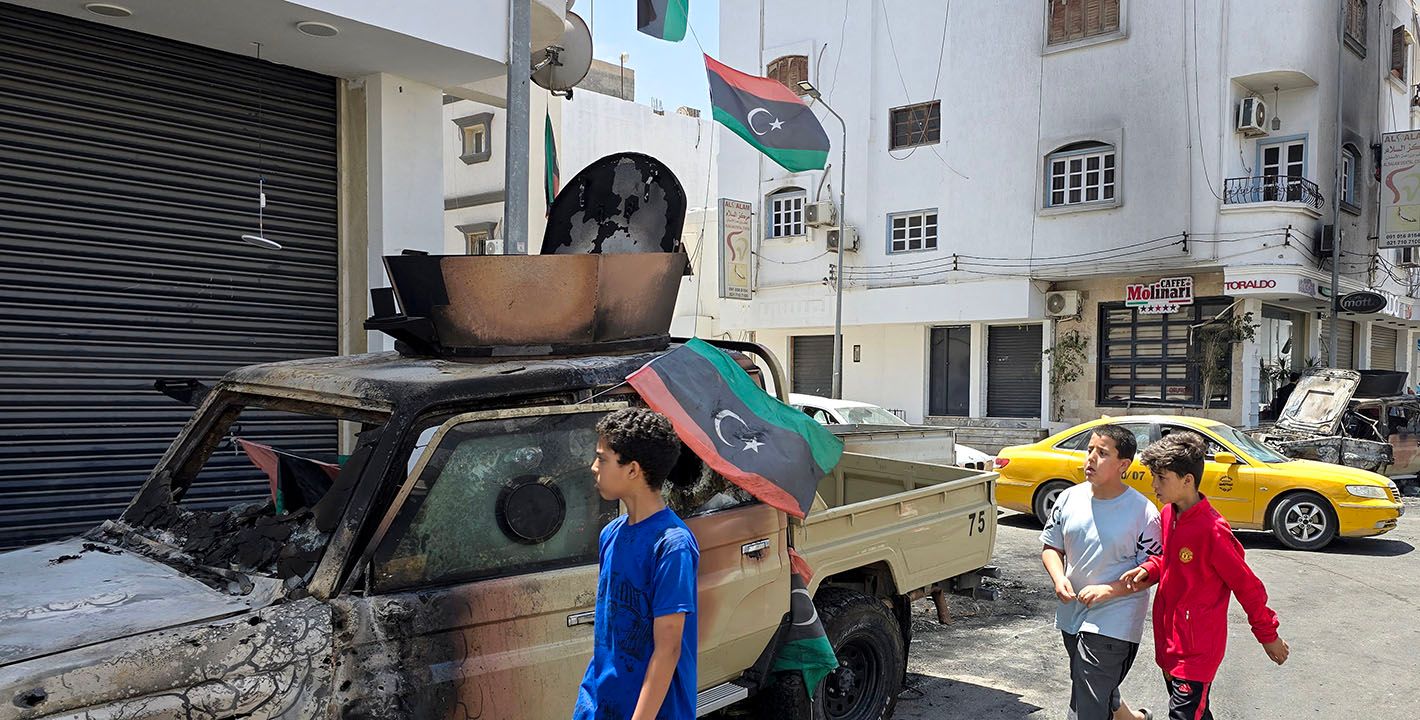
The UN Support Mission in the country should reassess its approach so that consensus between the warring parties becomes the eventual goal, rather than a procedural matter that dogs the negotiating process at every turn.
Soraya Rahem
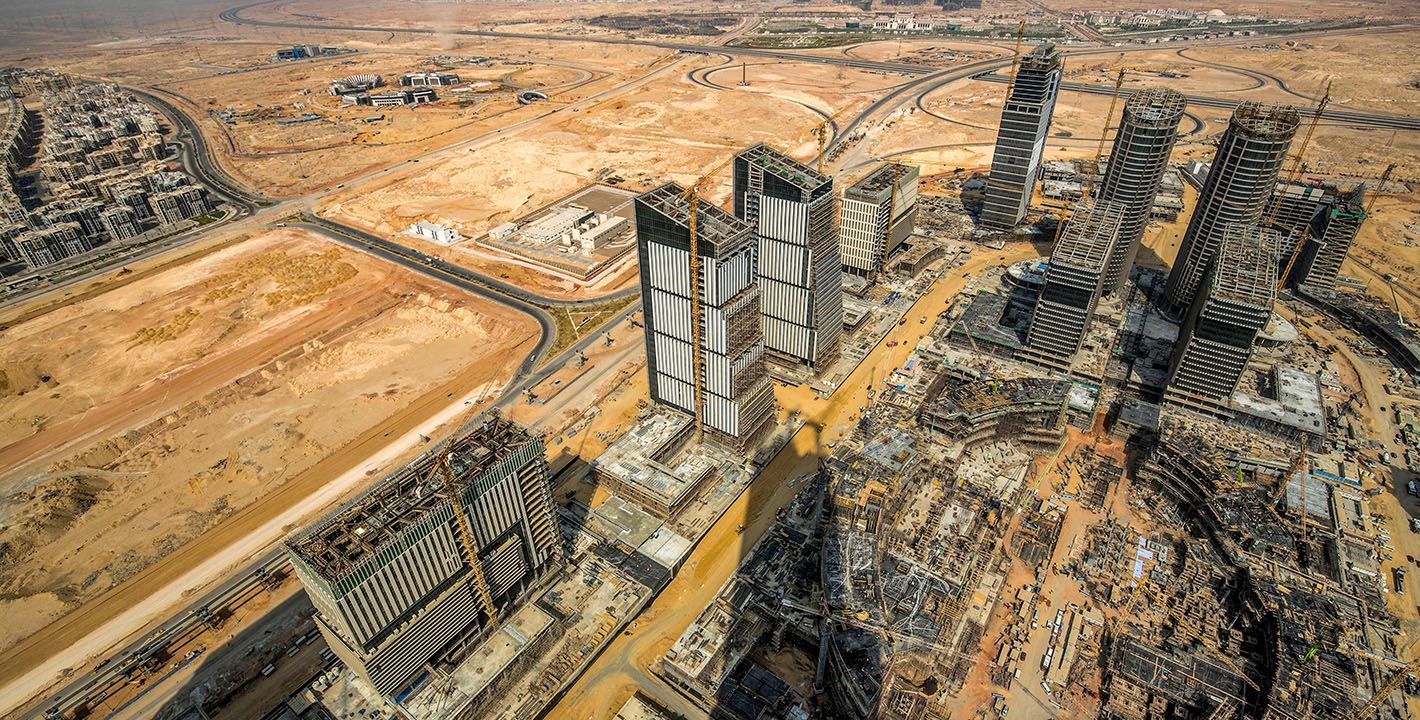
Mustaqbal Misr has expanded its portfolio with remarkable speed, but a lack of transparency remains.
Yezid Sayigh
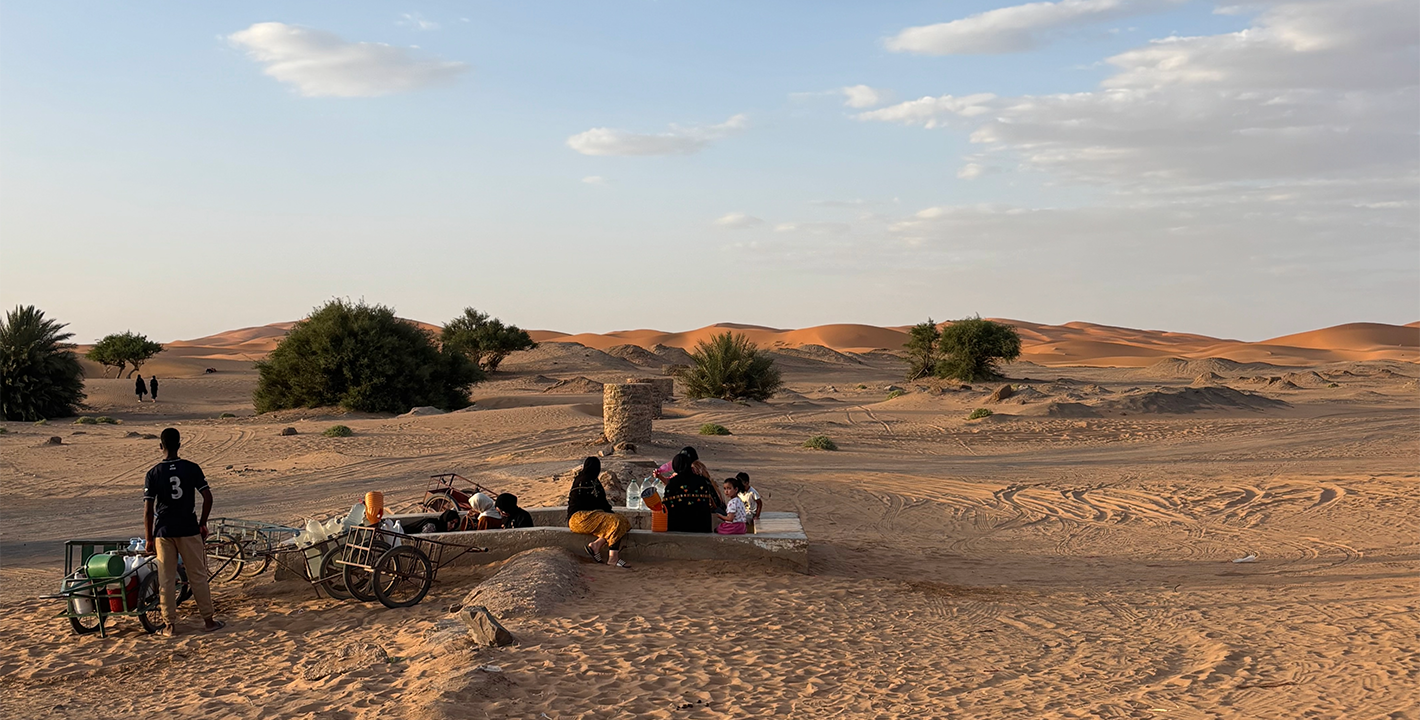
The burden of environmental degradation is felt not only through physical labor but also emotional and social loss.

Yasmine Zarhloule, Ella Williams

For the traditionally nomadic Amazigh pastoralists in the Draa-Tafilalet region, environmental change has exacerbated long-standing inequities, forcing the community to adapt, which has laid bare the blind spots of state-centered climate policy frameworks.
Yasmine Zarhloule, Ella Williams
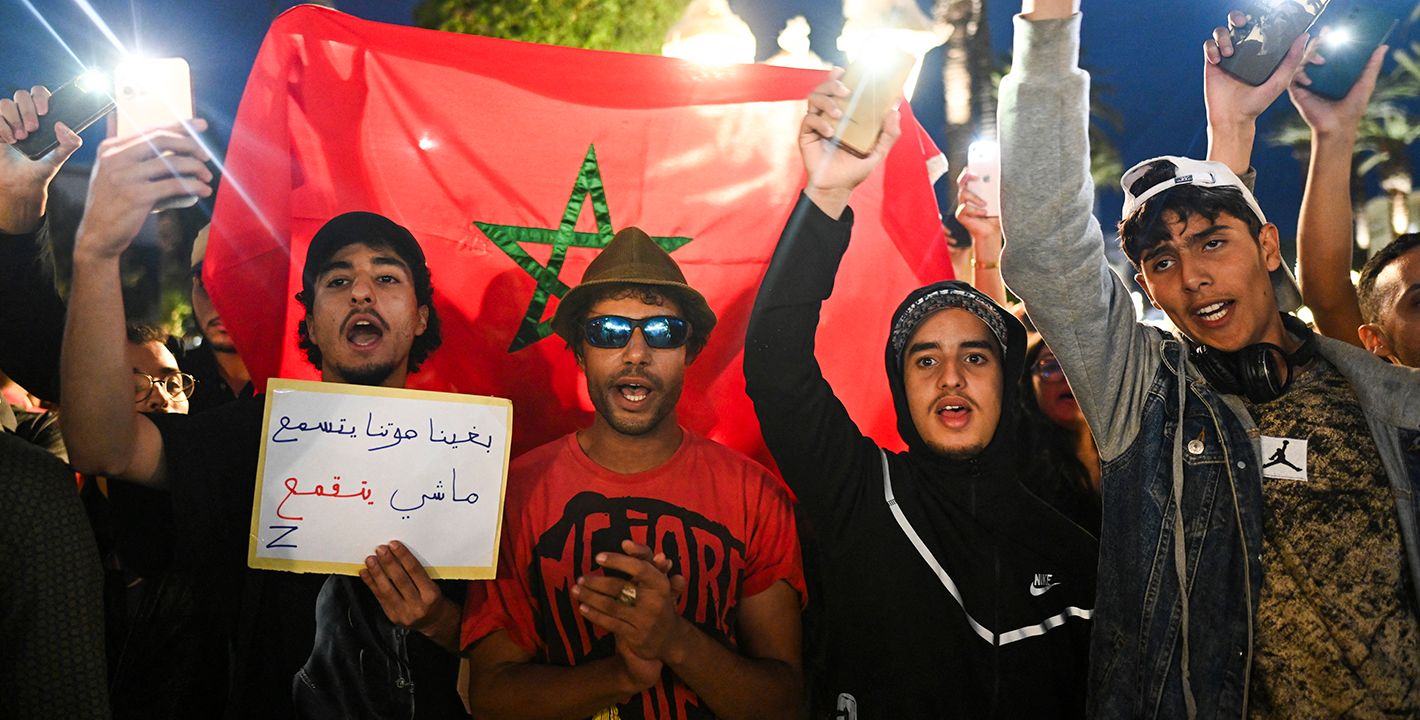
The country’s youthful protest movement is seeking economic improvement, social justice, and just a little hope.
Yasmine Zarhloule