

Commentary
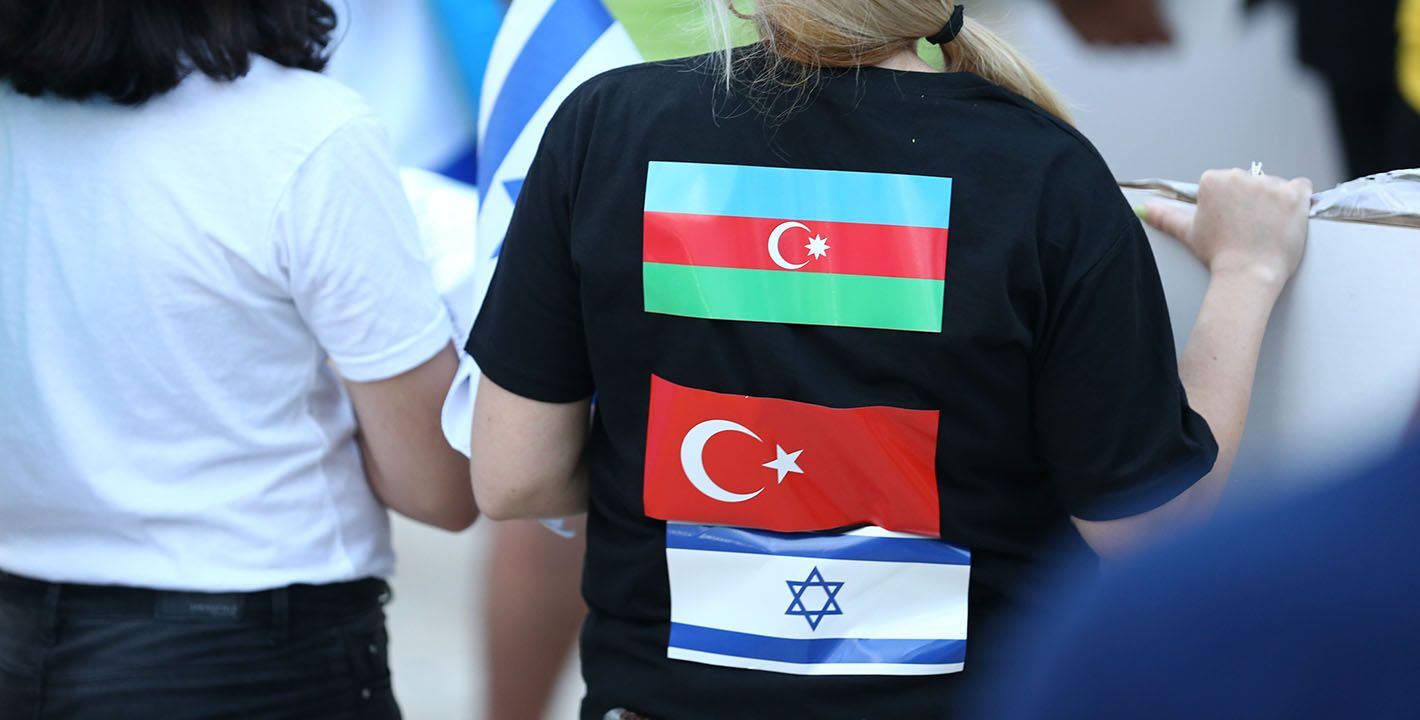
The country’s leadership is increasingly uneasy about multiple challenges from the Levant to the South Caucasus.
Armenak Tokmajyan
{
  "authors": [
    "Andrew S. Weiss"
  ],
  "type": "legacyinthemedia",
  "centerAffiliationAll": "",
  "centers": [
    "Carnegie Endowment for International Peace"
  ],
  "collections": [],
  "englishNewsletterAll": "",
  "nonEnglishNewsletterAll": "",
  "primaryCenter": "Carnegie Endowment for International Peace",
  "programAffiliation": "",
  "programs": [
    "Russia and Eurasia"
  ],
  "projects": [],
  "regions": [
    "Russia"
  ],
  "topics": []
}
Source: Getty
American perceptions of Russia differ greatly from the reality in the country and the changes that have occurred since the collapse of the Soviet Union.
Source: MSNBC’s Weekends With Alex Witt
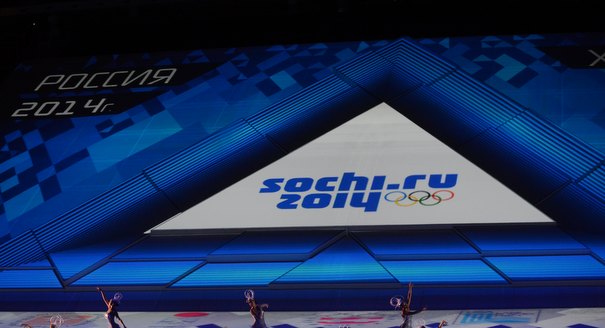
Speaking with MSNBC’s Alex Witt, Carnegie’s Andrew Weiss explained that the corruption in Sochi can largely be attributed to the “Klondike”-like atmosphere tied with a such a major development project. “Anyone who could get one of this construction contracts, anyone whose relatives could get involved in the construction projects seized on that opportunity,” he said. At the same time, Weiss emphasized that American perceptions of Russia differ greatly from the reality in the country and the changes that have occurred since the collapse of the Soviet Union. There are still serious problems in Russia, but many people still have a “frozen in time” image of the country that is not accurate. “It’s amazing Russia has $50 billion to spend on an Olympics at the moment,” Weiss said. “That’s not something that any of the people in the field would have anticipated ten year [or] twenty years ago.”
Carnegie does not take institutional positions on public policy issues; the views represented herein are those of the author(s) and do not necessarily reflect the views of Carnegie, its staff, or its trustees.
The country’s leadership is increasingly uneasy about multiple challenges from the Levant to the South Caucasus.
Armenak Tokmajyan
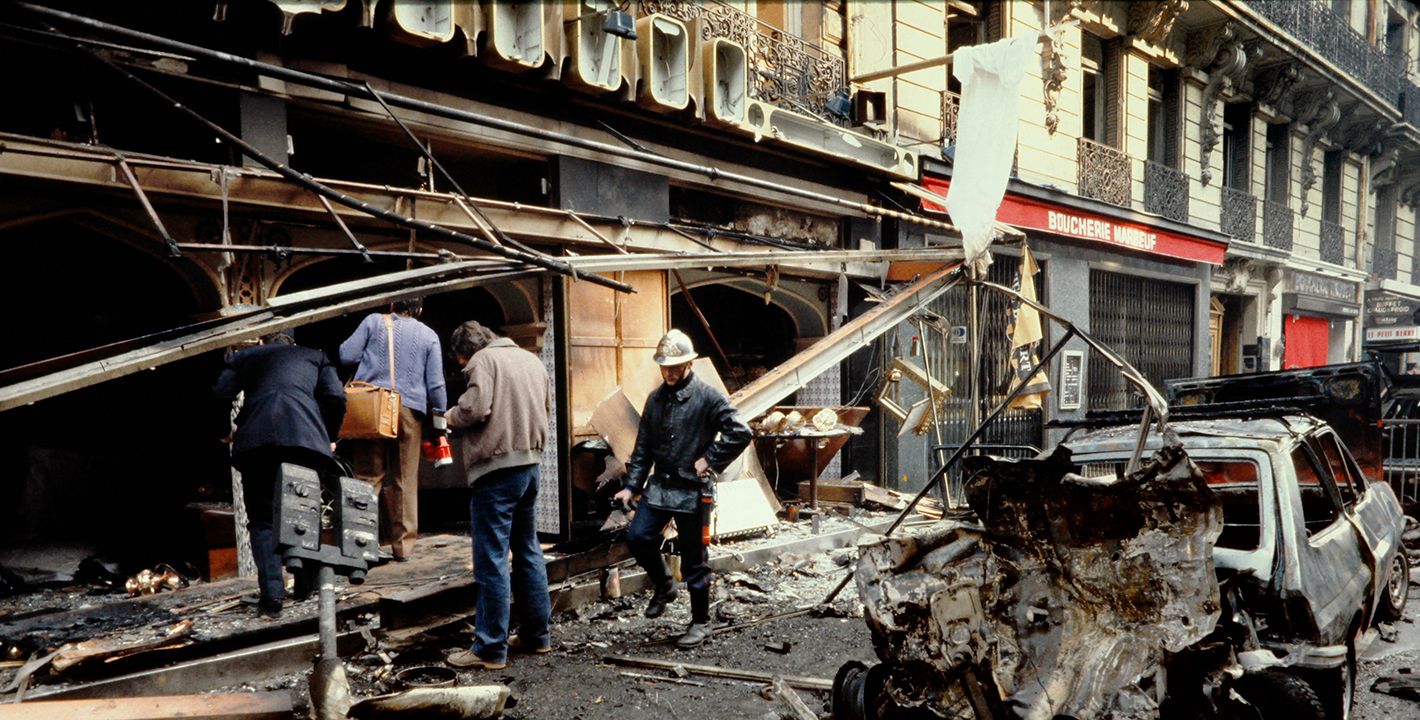
In an interview, Daniela Richterova speaks about her book on Czechoslovakia’s Cold War ties to Palestinian groups and others.
Michael Young
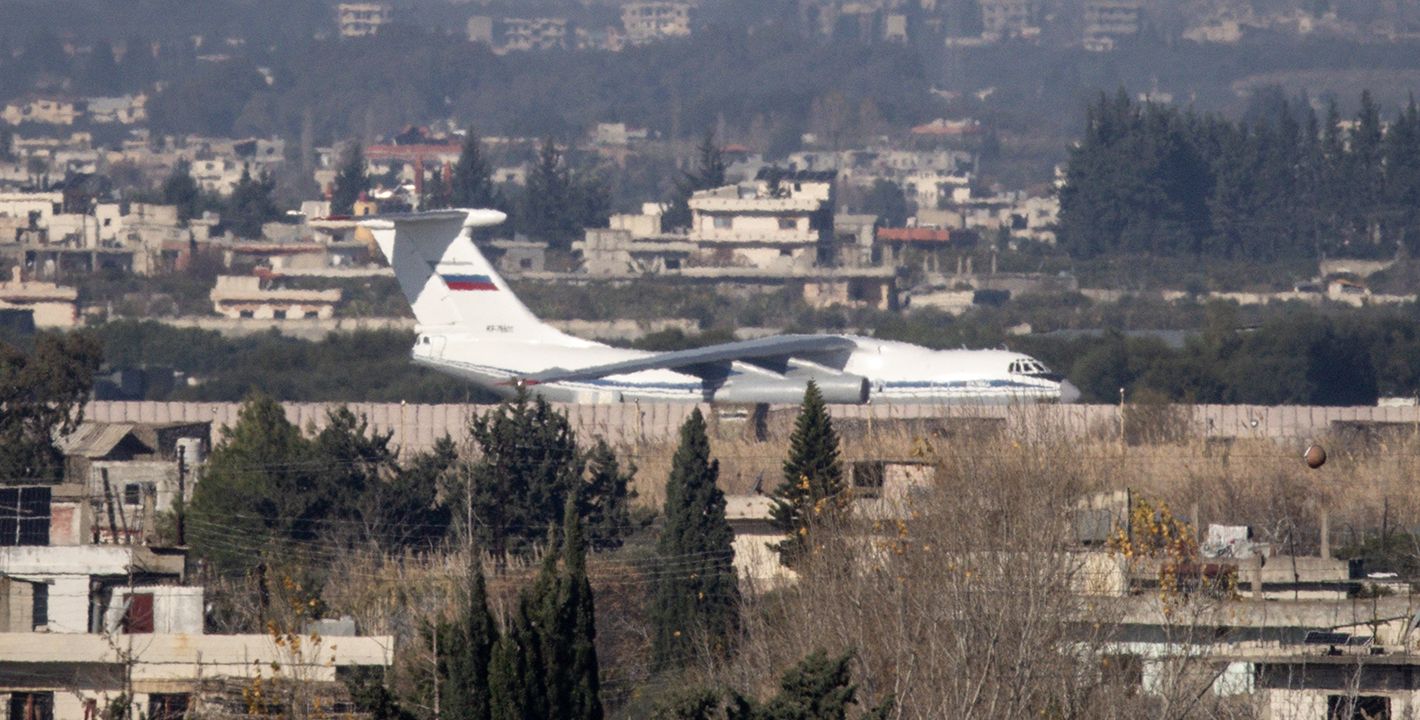
The downfall of the Assad regime represented a setback, but Russia’s primary focus remains Ukraine.
Sergei Melkonian
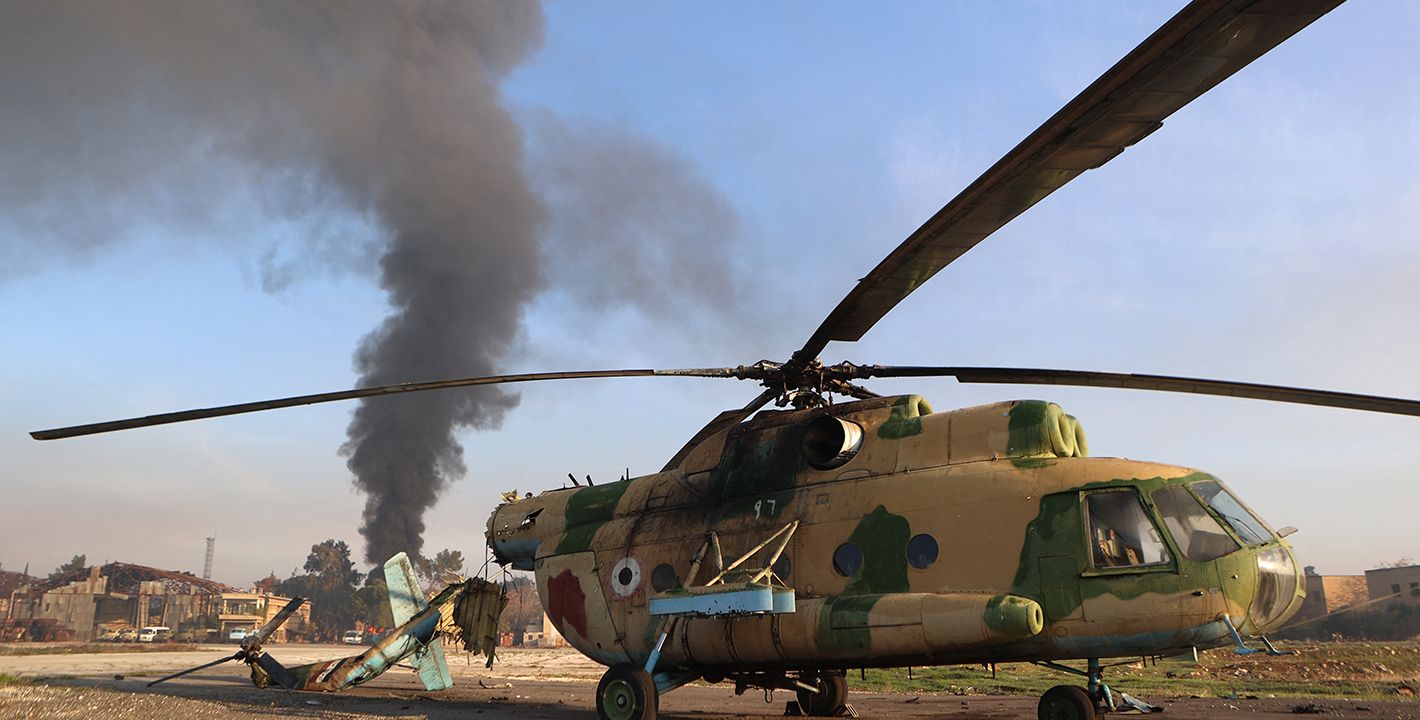
Why did Bashar al-Assad’s armed forces fail to act, unlike those in Egypt, Libya, Algeria, and Sudan?
Yezid Sayigh
Spot analysis from Carnegie scholars on events relating to the Middle East and North Africa.
Armenak Tokmajyan