

Commentary
In an interview, Ishac Diwan looks at the merits and flaws in the draft legislation distributing losses from the financial collapse.
Michael Young
{
  "authors": [
    "Yukon Huang"
  ],
  "type": "legacyinthemedia",
  "centerAffiliationAll": "",
  "centers": [
    "Carnegie Endowment for International Peace"
  ],
  "collections": [],
  "englishNewsletterAll": "",
  "nonEnglishNewsletterAll": "",
  "primaryCenter": "Carnegie Endowment for International Peace",
  "programAffiliation": "",
  "programs": [
    "Asia"
  ],
  "projects": [],
  "regions": [
    "East Asia",
    "China"
  ],
  "topics": [
    "Economy"
  ]
}
Data suggests that the Chinese economy has stabilized in spite of a global economic slowdown, with increased investment and rising property values signalling a stable, though slower, growth.
Source: CCTV America
Speaking on a three-person panel discussion with CCTV America, Carnegie’s Yukon Huang discussed how China can move forward as its economy shows signs of stabilizing. The panel of experts agreed that recent data supports the view that China is rebounding despite facing global economic slowdown, with key indicators such as growing public investment and a small housing boom pointing to stabilization. In addressing how China can sustain stable growth amidst the global slowdown, Huang pointed to the importance of the Chinese government fostering domestic demand. Huang noted that the government is already involved in areas such as a new urbanization initiative, which will foster growth in housing and social service sectors, guiding the country’s economy to become more domestic and service-oriented. Additionally, Huang argued that China could benefit from a more open, liberal investment environment that provides domestic alternatives for investors, which could continue to help stabilize growth.
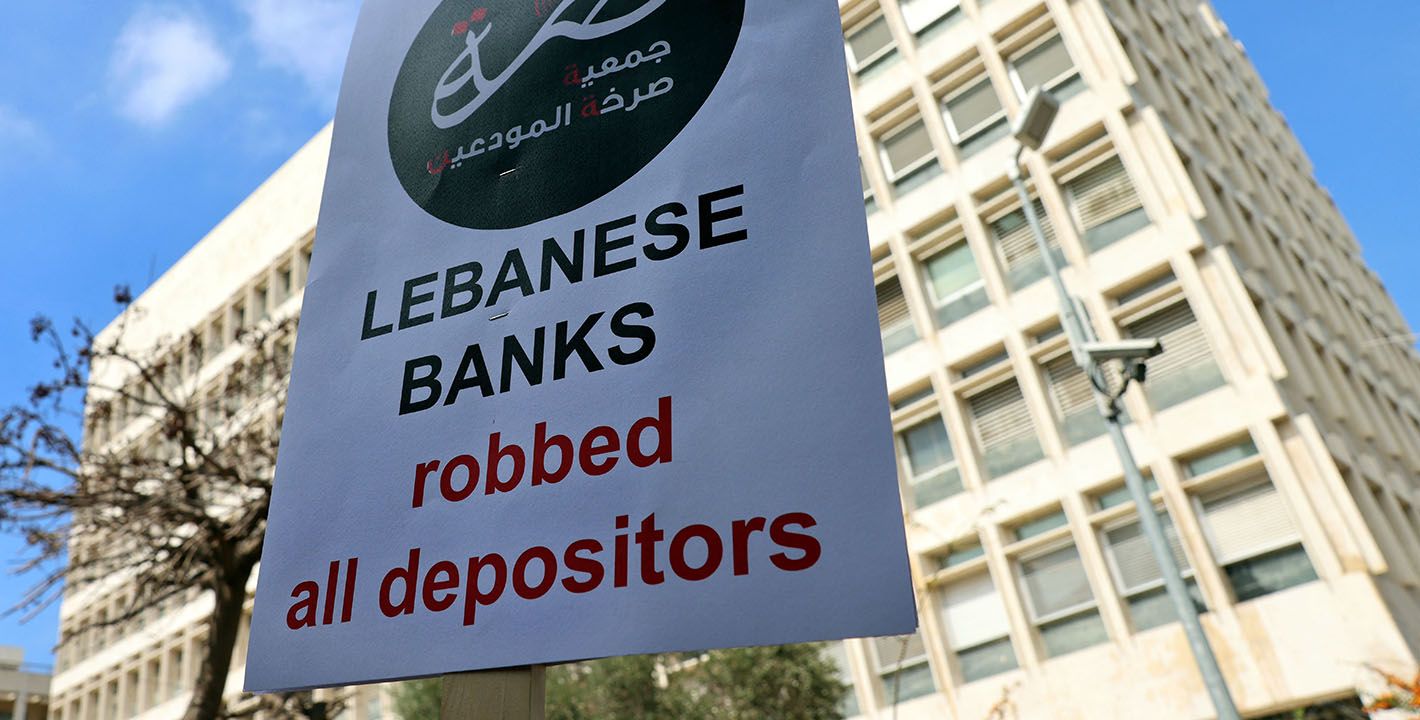
In an interview, Ishac Diwan looks at the merits and flaws in the draft legislation distributing losses from the financial collapse.
Michael Young
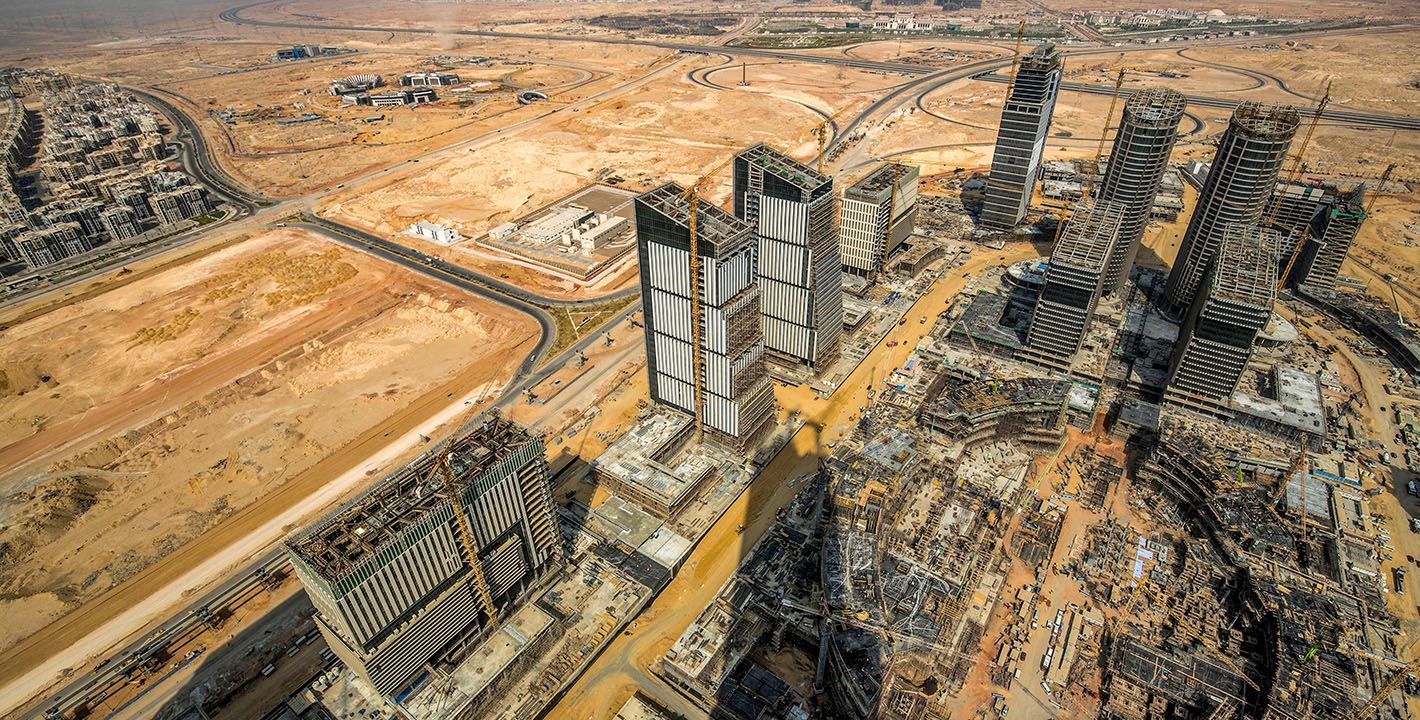
Mustaqbal Misr has expanded its portfolio with remarkable speed, but a lack of transparency remains.
Yezid Sayigh
Arab diaspora business communities in Egypt often mirror the same systemic challenges facing Egyptian businesses.
Nur Arafeh, Yezid Sayigh, Qaboul al-Absi, …

Largely characterized thus far by a single-minded focus on extractivism, Riyadh must commit to greater equitability in its approach to investment and development deals with Sudan, Ethiopia, and Eritrea.
Hesham Alghannam
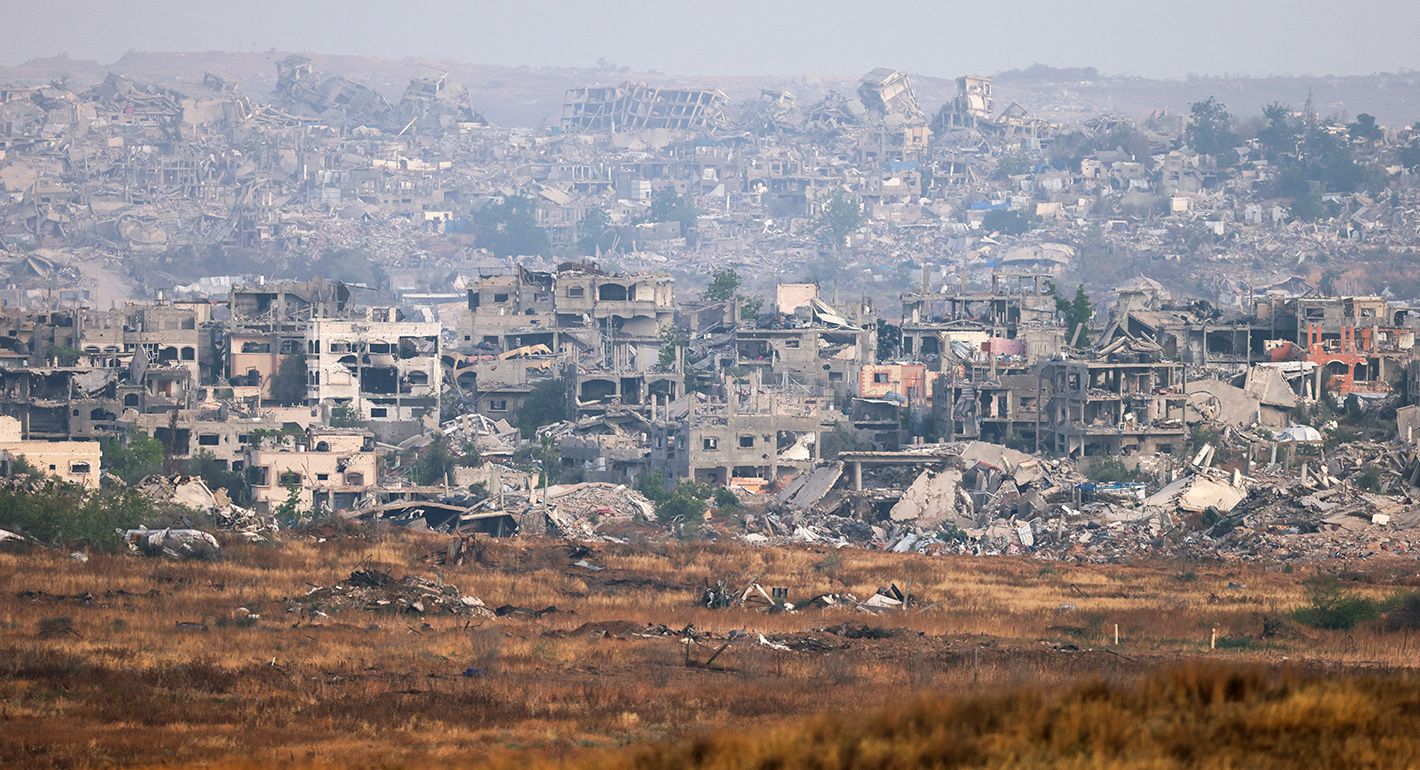
Once Israel’s war in the territory is brought to an end, the foundational principles guiding reconstruction should be Palestinian self-determination, local agency, and sovereignty.
Nur Arafeh, Mandy Turner