

Commentary
In an interview, Ishac Diwan looks at the merits and flaws in the draft legislation distributing losses from the financial collapse.
Michael Young
{
  "authors": [
    "Matt Ferchen"
  ],
  "type": "other",
  "centerAffiliationAll": "",
  "centers": [
    "Carnegie Endowment for International Peace",
    "Carnegie China"
  ],
  "collections": [
    "China and the Developing World",
    "China’s Foreign Relations"
  ],
  "englishNewsletterAll": "",
  "nonEnglishNewsletterAll": "",
  "primaryCenter": "Carnegie China",
  "programAffiliation": "",
  "programs": [],
  "projects": [],
  "regions": [],
  "topics": [
    "Economy"
  ]
}
Source: Getty
The recent expansion of China’s Belt and Road Initiative into Latin America and the Caribbean (LAC) is unlikely to bring fundamental change to China–LAC economic relations. It may, however, catalyze a more volatile LAC–China–US geopolitical relationship.
Source: International Institute of Strategic Studies
Until quite recently, Chinese officials claimed that Latin America and the Caribbean (LAC) were beyond the central geographic scope of both the continental Eurasian “belt” and the Asian and African maritime “road.” From 2017, however, an increasing number of countries in South and Central America, as well as in the Caribbean, have signed BRI-related memoranda of understanding and announced related business deals, signaling that the BRI has now extended to the Americas. Nevertheless, despite the hype and anxiety surrounding the BRI’s apparent extension to the region, it remains unclear whether its rollout there will change entrenched patterns, challenges and dysfunctions in the China–LAC relationship or merely deepen them. Moreover, at a time of growing U.S.-China strategic rivalry, the expansion of BRI-themed dealmaking in LAC is already playing into growing great power competition and tension.
Carnegie does not take institutional positions on public policy issues; the views represented herein are those of the author(s) and do not necessarily reflect the views of Carnegie, its staff, or its trustees.
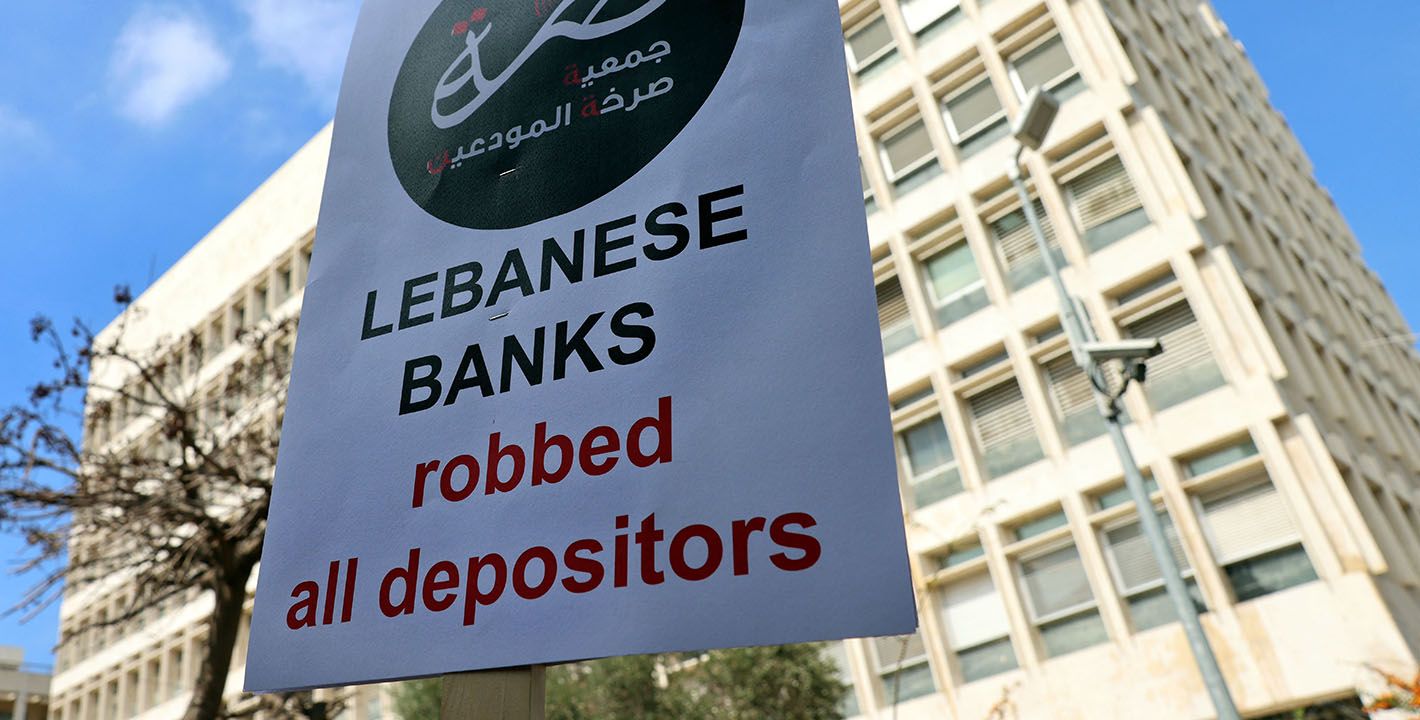
In an interview, Ishac Diwan looks at the merits and flaws in the draft legislation distributing losses from the financial collapse.
Michael Young
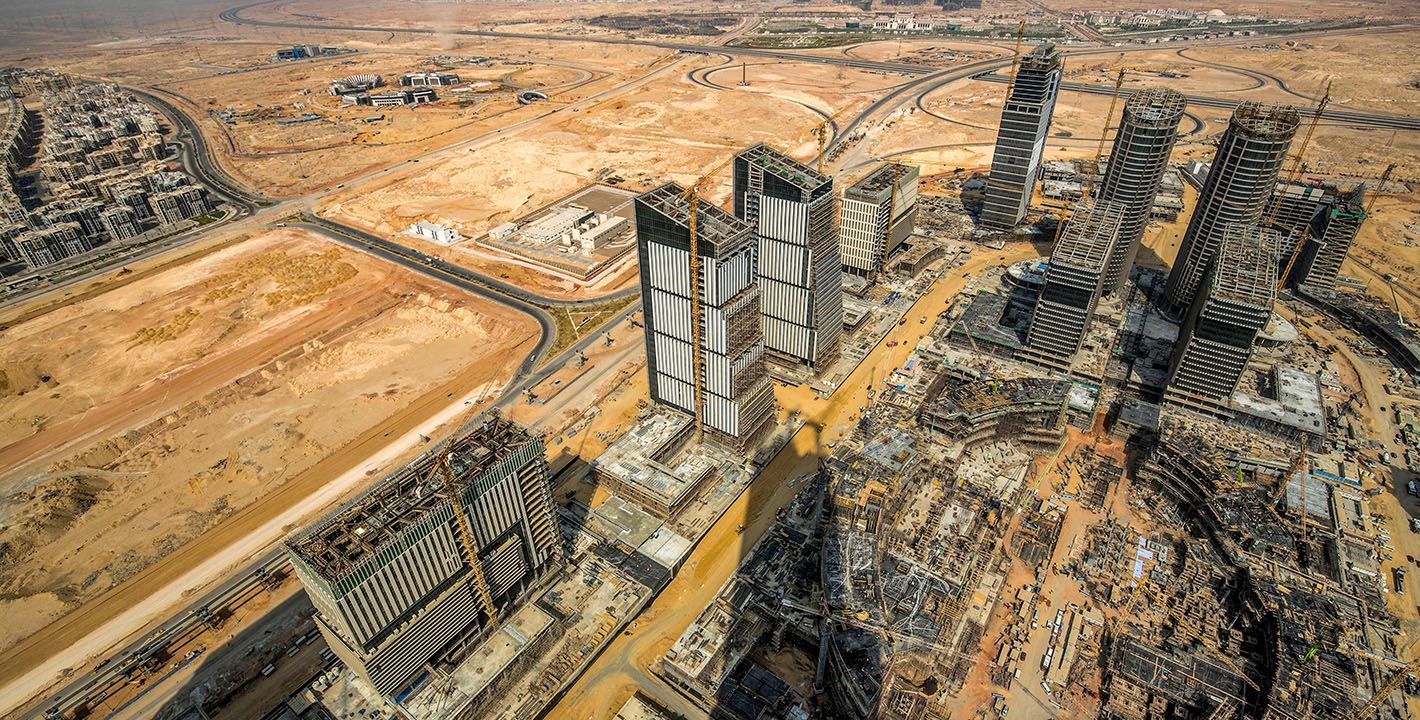
Mustaqbal Misr has expanded its portfolio with remarkable speed, but a lack of transparency remains.

Yezid Sayigh
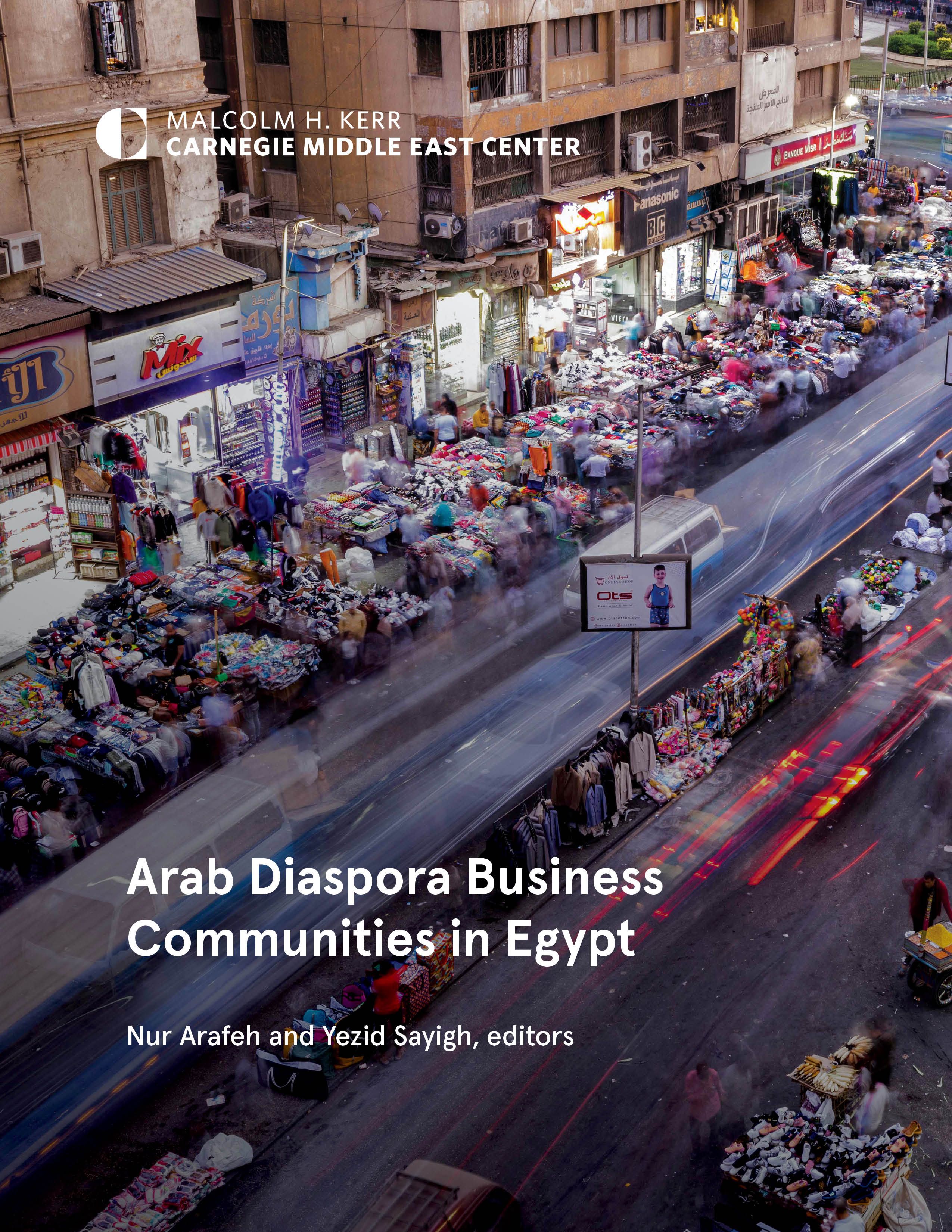
Arab diaspora business communities in Egypt often mirror the same systemic challenges facing Egyptian businesses.

Nur Arafeh, Yezid Sayigh, Qaboul al-Absi, …

Largely characterized thus far by a single-minded focus on extractivism, Riyadh must commit to greater equitability in its approach to investment and development deals with Sudan, Ethiopia, and Eritrea.

Hesham Alghannam
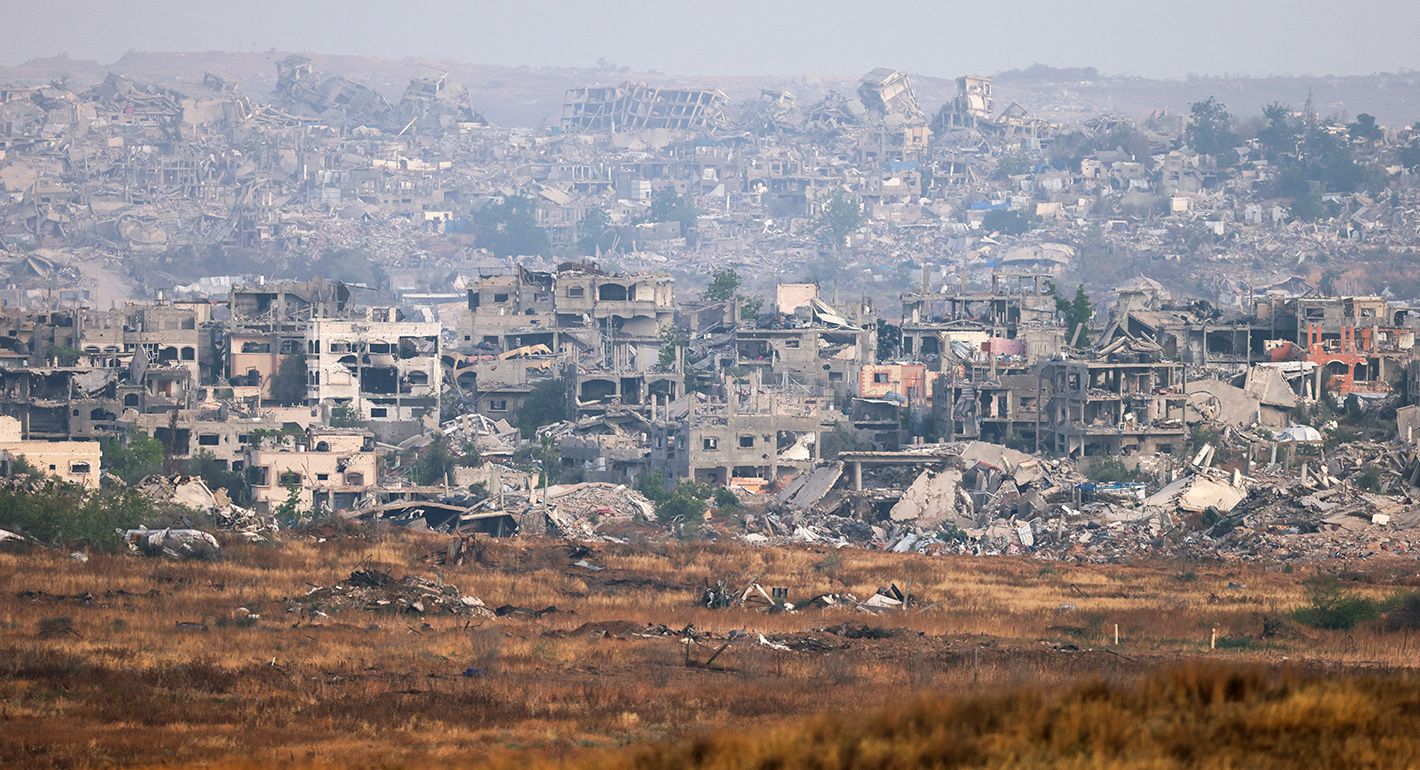
Once Israel’s war in the territory is brought to an end, the foundational principles guiding reconstruction should be Palestinian self-determination, local agency, and sovereignty.
Nur Arafeh, Mandy Turner