

Commentary
In an interview, Salim Adib discusses Lebanon’s management of Covid-19, and expresses some hope for the future.
Michael Young
{
  "authors": [
    "Alexander Gabuev",
    "Polina Ivanova",
    "Henry Foy"
  ],
  "type": "commentary",
  "centerAffiliationAll": "",
  "centers": [
    "Carnegie Endowment for International Peace",
    "Carnegie Russia Eurasia Center"
  ],
  "collections": [
    "Coronavirus"
  ],
  "englishNewsletterAll": "",
  "nonEnglishNewsletterAll": "",
  "primaryCenter": "Carnegie Endowment for International Peace",
  "programAffiliation": "",
  "programs": [],
  "projects": [],
  "regions": [],
  "topics": []
}
This episode looks at the domestic and international reception of Russia’s Sputnik V vaccine.
Is Russia’s Sputnik V coronavirus vaccine as successful as the Kremlin claims? Are political considerations really preventing it from getting approval in Western countries? Why is the vaccination rate so low in Russia, and why didn’t Putin get vaccinated sooner? Podcast host Alex Gabuev is joined by Henry Foy, Moscow bureau chief of the Financial Times; and Polina Ivanova, a special correspondent for Reuters in Moscow.
Listen or download: SoundCloud | Subscribe: iTunes, Google Podcasts, Google Play, Spotify, RSS
Carnegie does not take institutional positions on public policy issues; the views represented herein are those of the author(s) and do not necessarily reflect the views of Carnegie, its staff, or its trustees.
In an interview, Salim Adib discusses Lebanon’s management of Covid-19, and expresses some hope for the future.
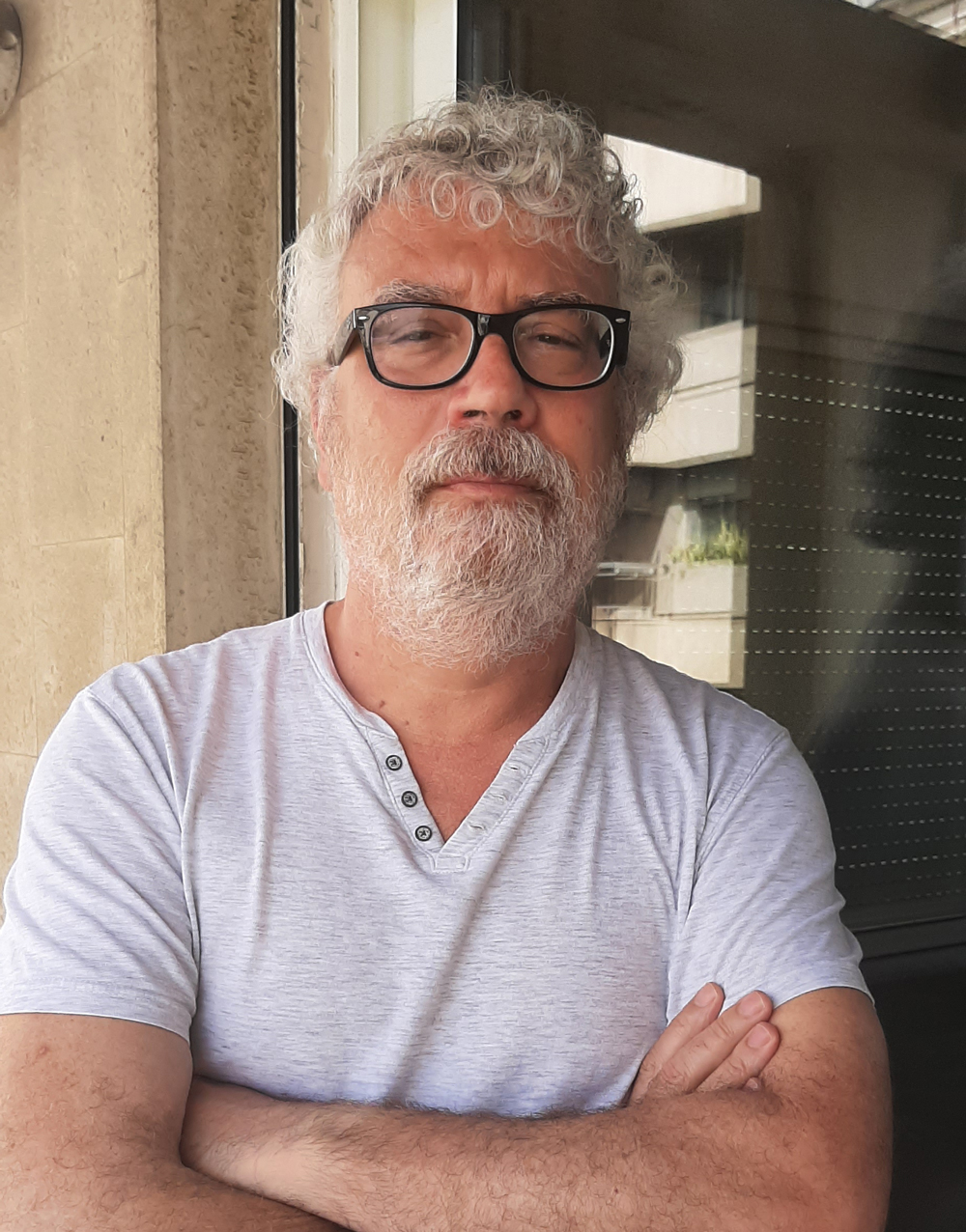
Michael Young
In an interview, Sherif Mohyeldeen discusses the challenges of healthcare in Egypt’s border areas.
Michael Young
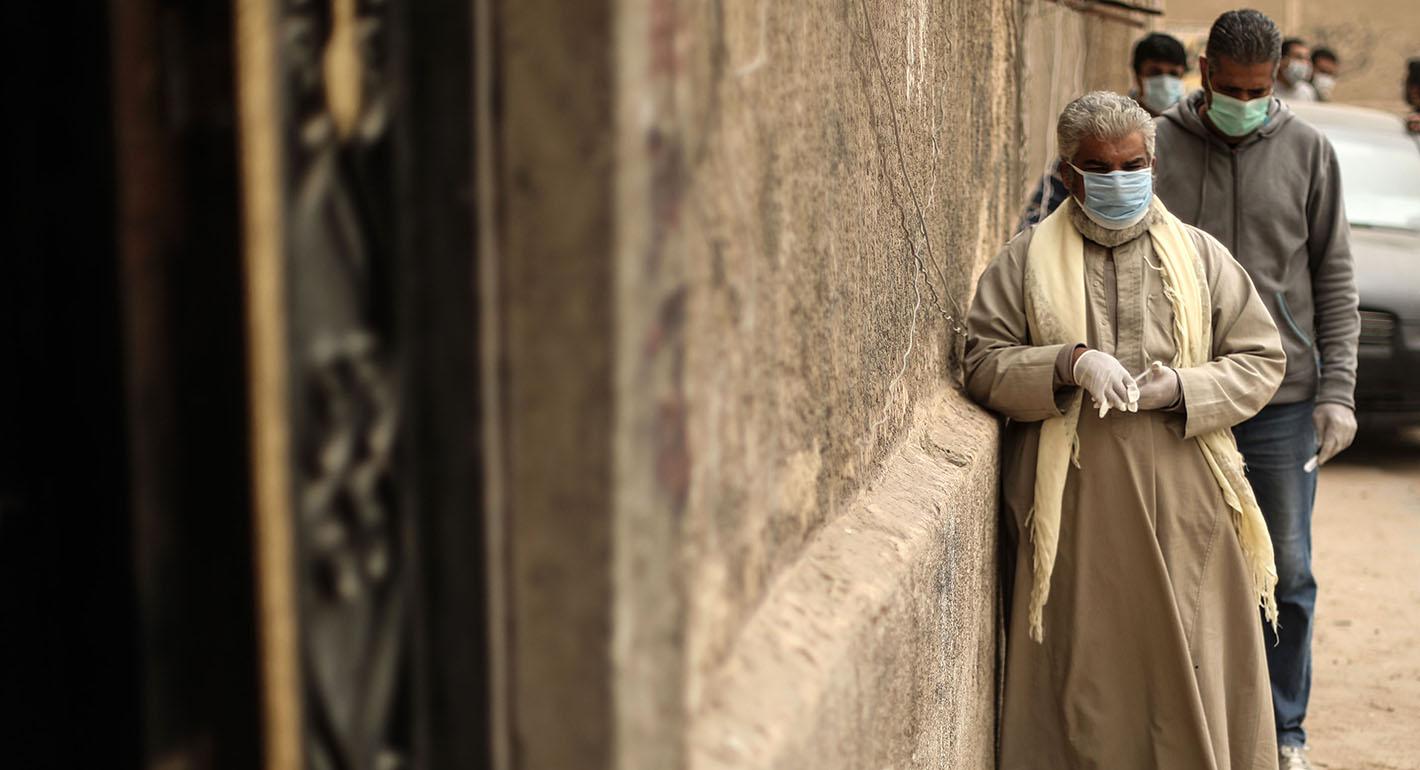
Pouring money into health infrastructure will have little effect if qualified doctors have few incentives to stay.
Sherif Mohyeldeen
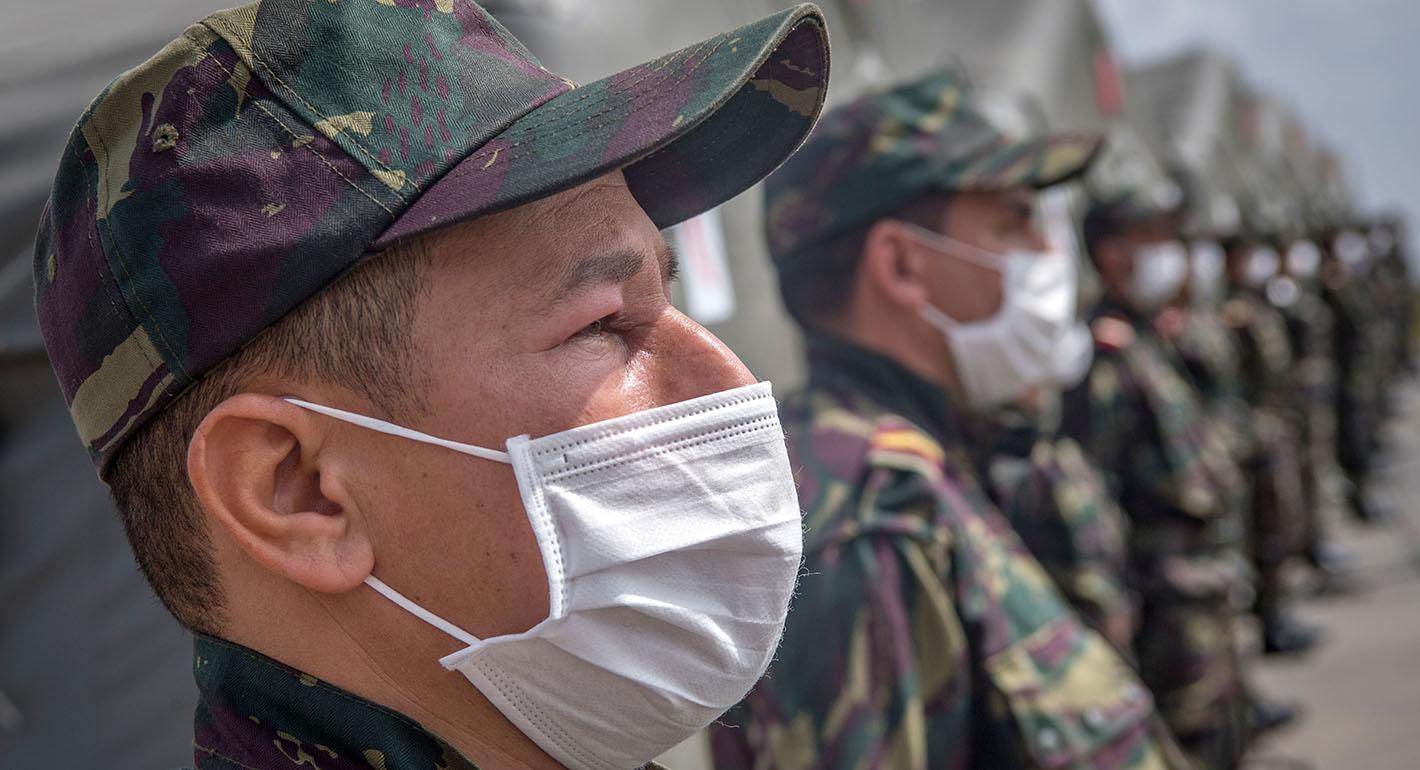
Many countries in the Middle East and North Africa still struggle to manage the coronavirus, but Morocco’s response suggests an important evolution in civil-military relations.

Mohammed Masbah
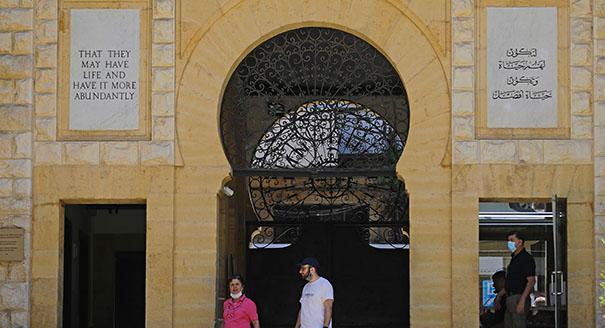
The American University of Beirut can serve as an example to a crisis-ridden higher education sector in the United States.
Marwan Muasher, Susan Resneck Pierce