

Other
Anders Aslund

With the dissolution of the Soviet Union in December 1991, Ukraine—the second-most important economic contributor to the union after Russia—unshackled itself from years of subjugation.
Source: New York, NY: M.E. Sharpe, 2000
With the dissolution of the Soviet Union in December 1991, Ukraine—the second-most important economic contributor to the union after Russia—unshackled itself from years of subjugation. The newly gained freedom meant rebuilding the country to reflect Ukrainian nationalism. Radical economic reforms were dismissed; such an approach represented Russian rashness. Instead, Ukraine undertook a “gradualist” approach to reform, but the results have been worse.
In Economic Reform in Ukraine, editors Anders Åslund and Georges de Ménil show that despite intents to reform, Ukraine has had one of the worst growth performances in the post-communist world. In the past decade, the country ended up recreating a massive centralized bureaucracy, including mimicking Soviet-style foreign trade regulations.
This comprehensive and policy-oriented study—with contributions from leading reformers in the Ukrainian government and other economic advisers—is the essential guidebook to what Ukraine needs to do to begin solving major problems in macroeconomic stabilization, fiscal policy, the energy sector, privatization, the legal system, and pension reform. Ukrainian policy makers have long been cognizant of reform proposals and have understood the economic issues, the editors argue. It is now time for policy decisions and implementation.
Anders Åslund is a senior associate at the Carnegie Endowment for International Peace. Georges de Ménil is professor of economics at the Ecole des Hautes Etudes en Sciences Sociales in Paris. They served as co-directors of the Soros International Economic Advisory Group to the Ukrainian Government in the mid-1990s.
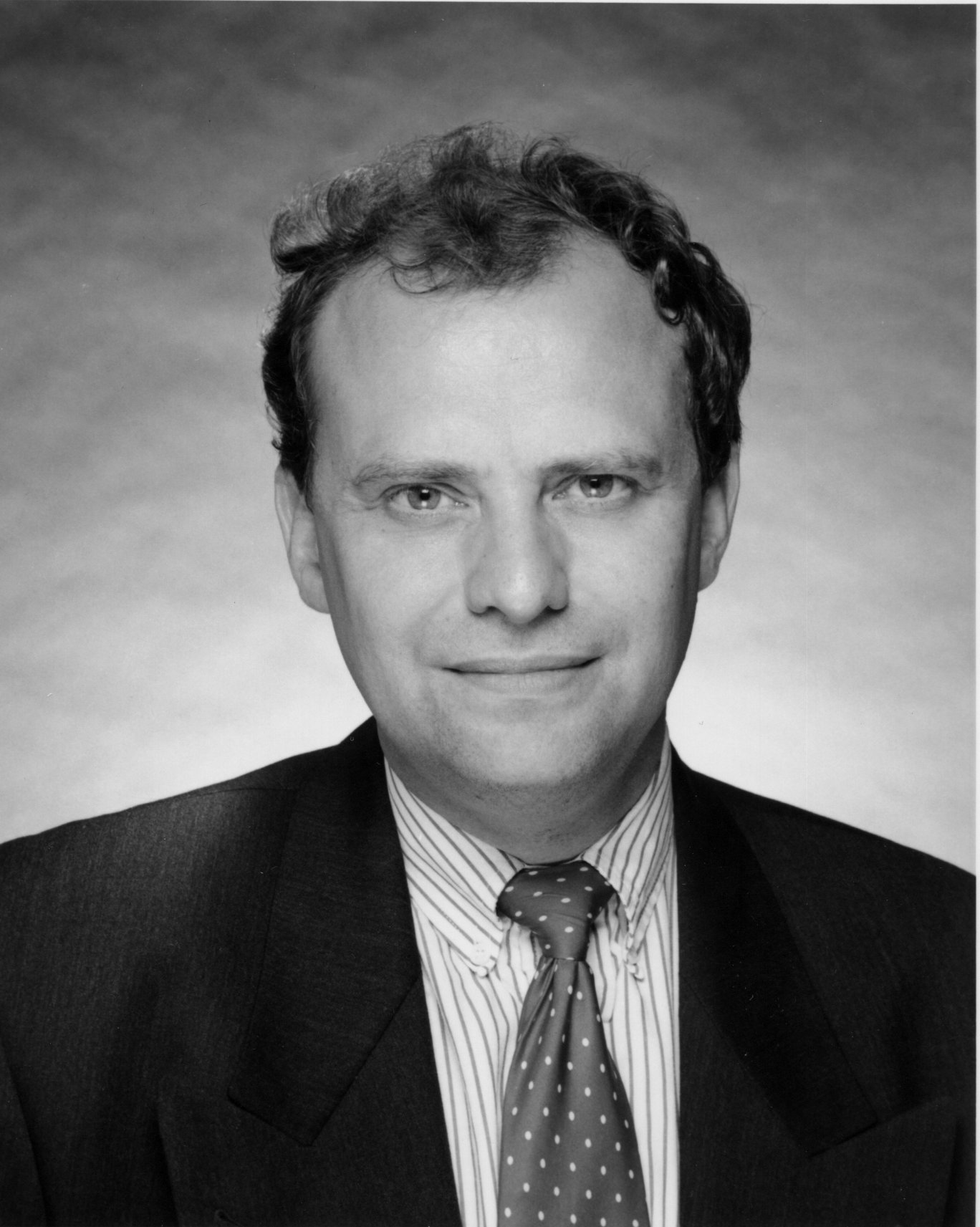
Former Senior Associate, Director, Russian and Eurasian Program
Recent Work
Anders Aslund
Anders Aslund
Carnegie does not take institutional positions on public policy issues; the views represented herein are those of the author(s) and do not necessarily reflect the views of Carnegie, its staff, or its trustees.
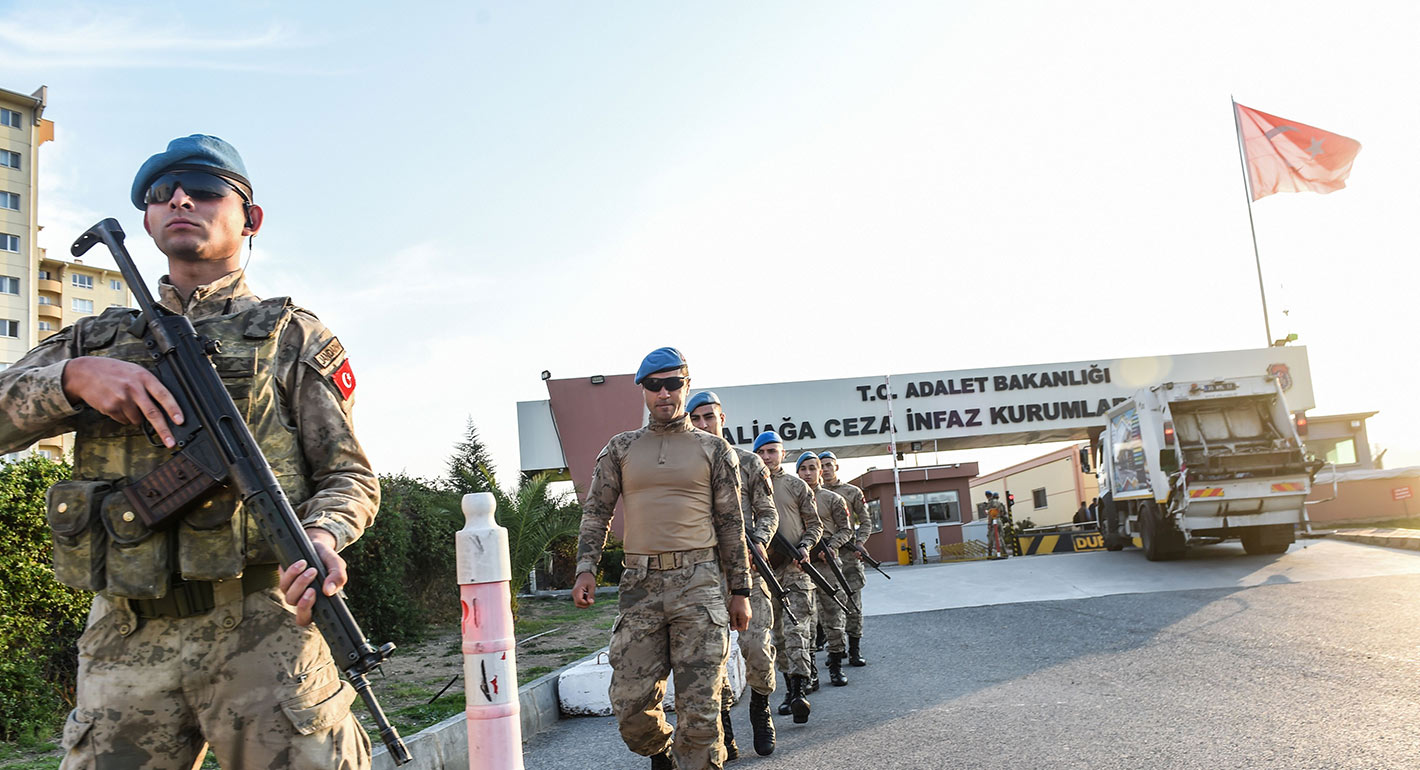
U.S. President Donald Trump has suggested that the United States can devastate Turkey economically. Is he right?
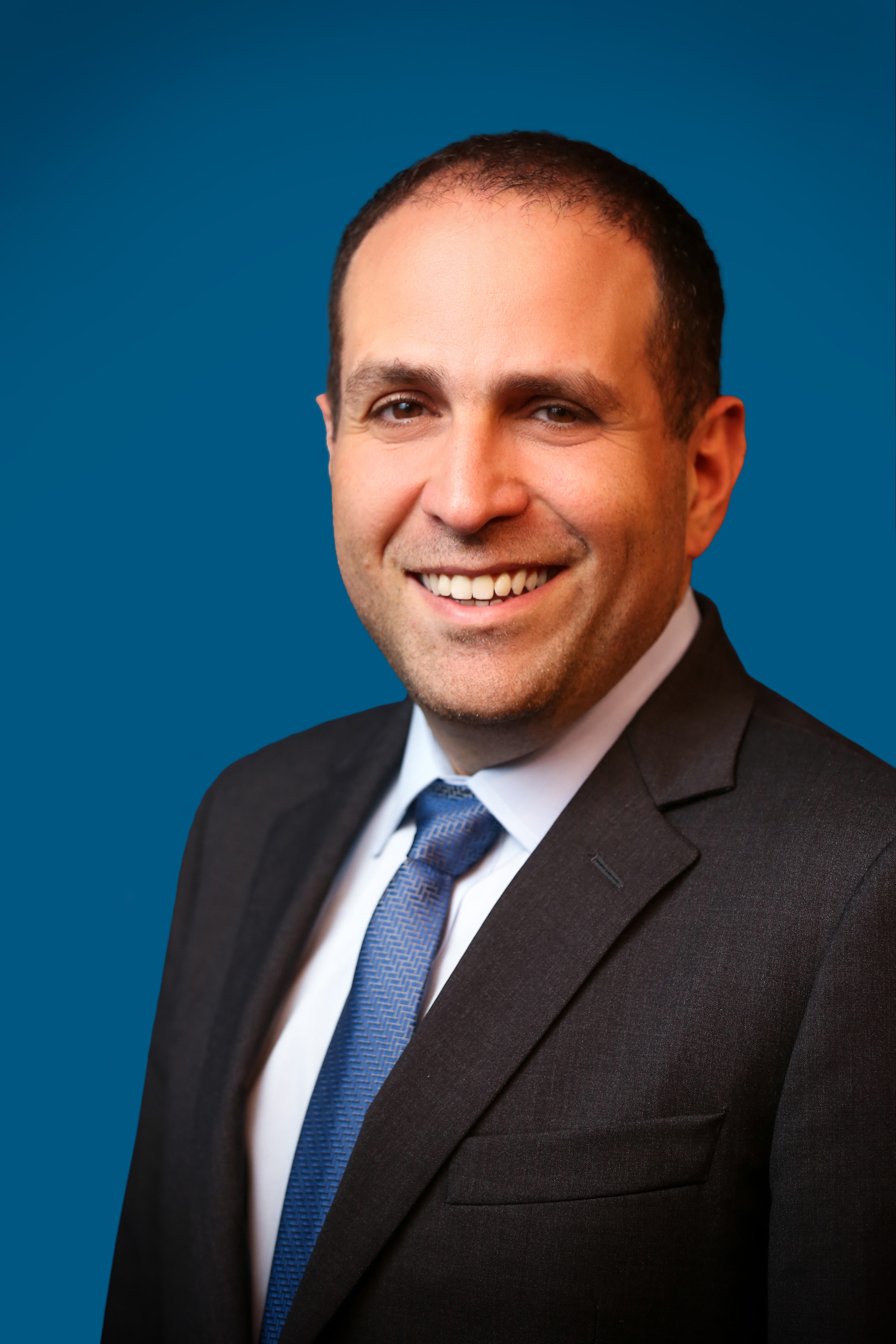
Jarrett Blanc
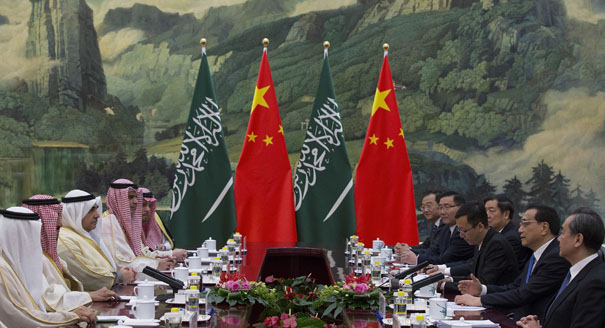
Academic Yang Guang discusses an ambitious plan that includes future Chinese cooperation with the Middle East.

Mohanad Hage Ali
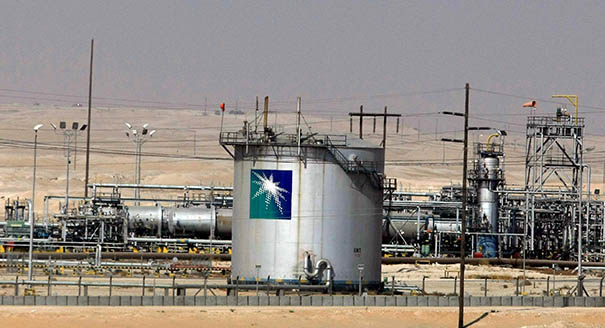
The Middle East is vital to China’s present and future energy interests, but the region’s thorny geopolitics make Chinese state-owned firms hesitant to make large investments there.
Wang Tao
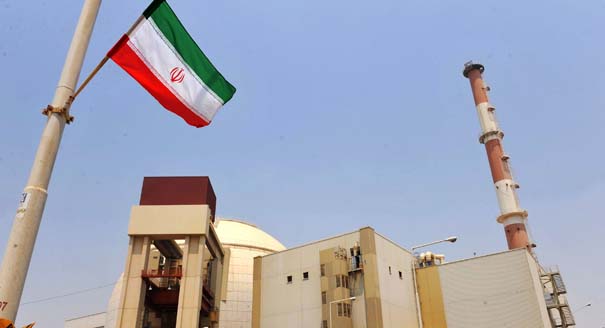
The Iranian nuclear program can at best provide only two percent of Iran’s energy needs. It is an economic catastrophe when compared to the lost foreign investment, oil revenue, and sanctions.

Karim Sadjadpour
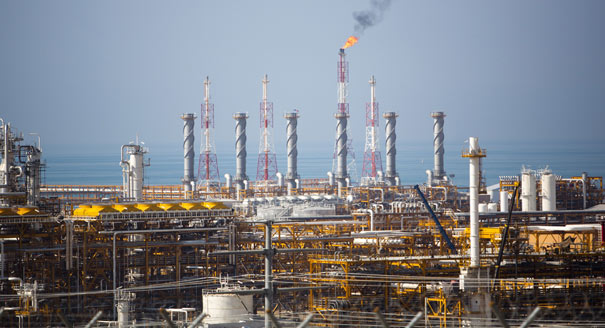
A nuclear deal with Iran could help revive the country’s energy sector, with serious effects on consumers and producers, especially in the Middle East.

Carole Nakhle