

Commentary
Baku may allow radical nationalists to publicly discuss “reunification” with Azeri Iranians, but the president and key officials prefer not to comment publicly on the protests in Iran.
Bashir Kitachaev

REQUIRED IMAGE
Source: Carnegie
Voices from the Region
Carnegie Senior Associate Anatol Lieven recently returned from a three-week research trip to Pakistan. Read the text of his interviews with political, military and economic leaders in the region including Commander Abdul Haq. In the late 1980s, Lieven served as a correspondent for The Times (London) in Pakistan and Afghanistan, where he covered the closing stages of the Soviet occupation and the start of the Afghan civil wars. His latest publication is a Carnegie Policy Brief entitled Fighting Terrorism: Lessons from the Cold War
• Interview with a Commander Abdul Haq
• Interview with a Pro-Taliban Businessman
• Interview with Lt General (ret.) Talat Masood, Pakistan Army
• Interview with Qazi Mohammed Amin Waqad
• Presentation by Humayan Khan, former Pakistani foreign minister
• Links to September 11- related news and analyses
Carnegie does not take institutional positions on public policy issues; the views represented herein are those of the author(s) and do not necessarily reflect the views of Carnegie, its staff, or its trustees.
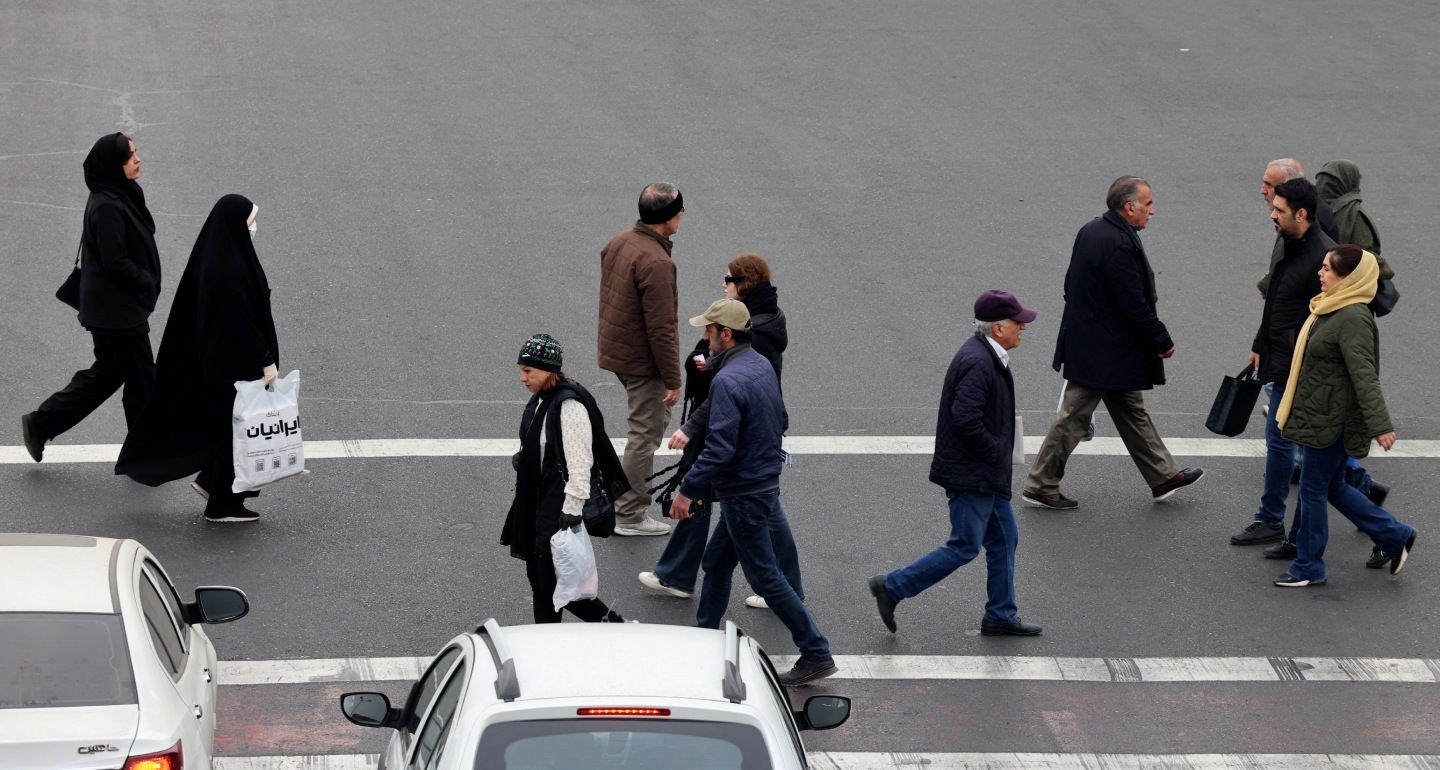
Baku may allow radical nationalists to publicly discuss “reunification” with Azeri Iranians, but the president and key officials prefer not to comment publicly on the protests in Iran.
Bashir Kitachaev
In addressing Hezbollah’s disarmament, the Lebanese state must start by increasing its own leverage.
Michael Young
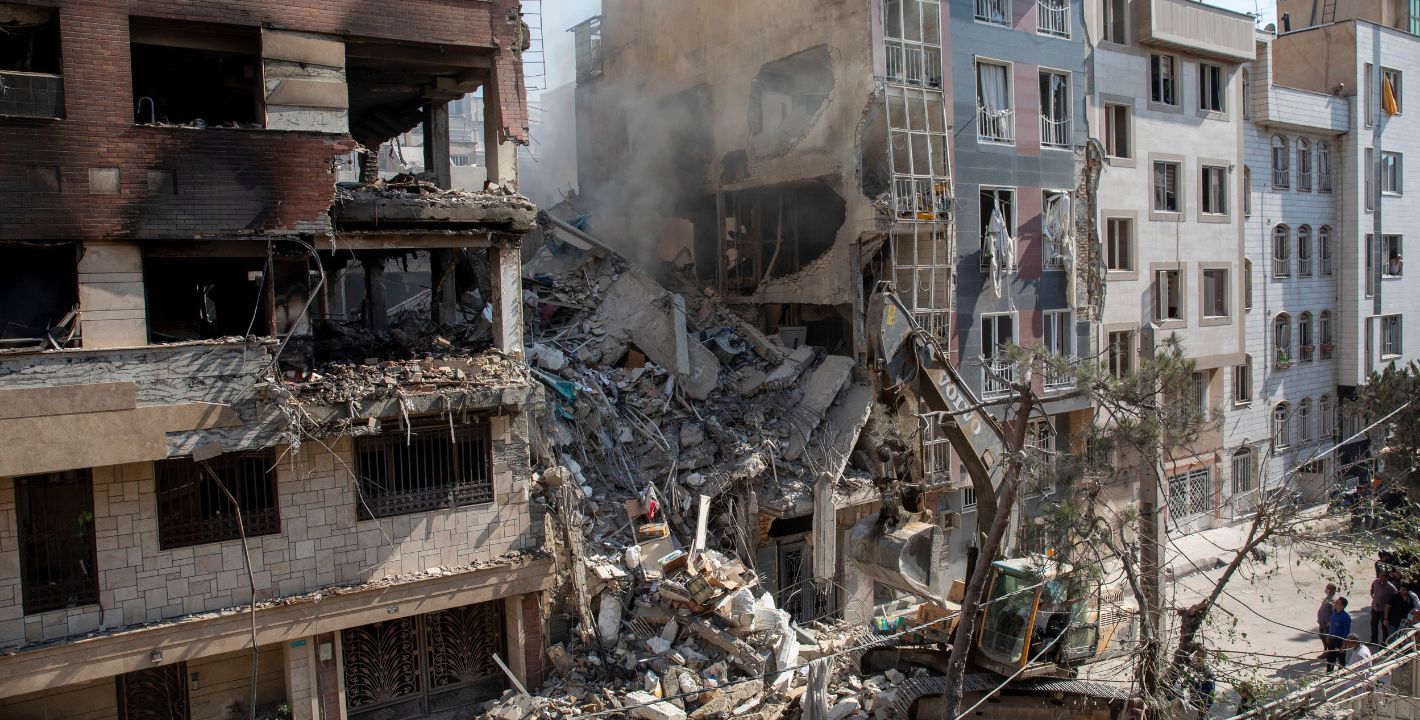
The country’s political and military establishment is still debating how to interpret the recent war’s outcome.
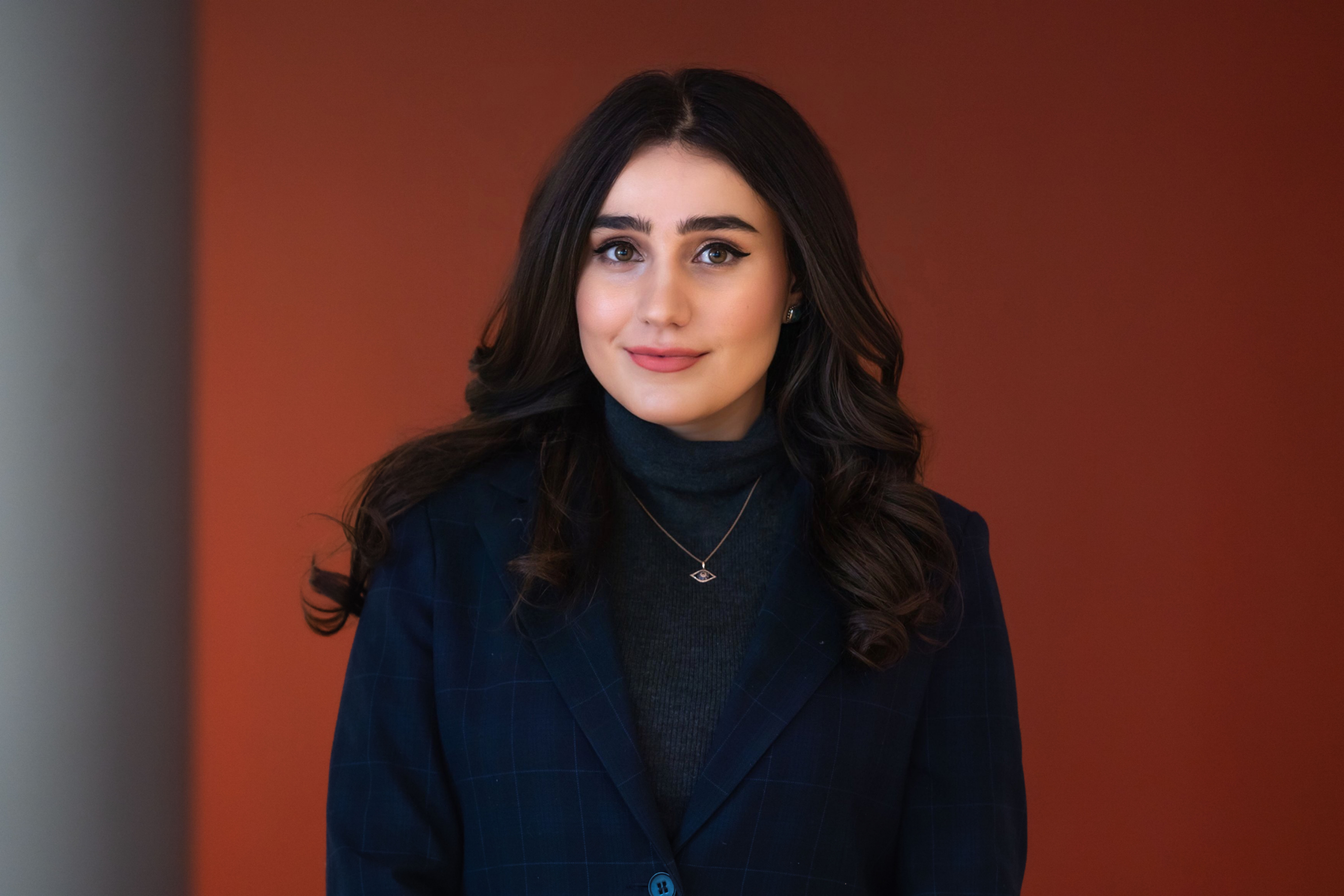
Nicole Grajewski
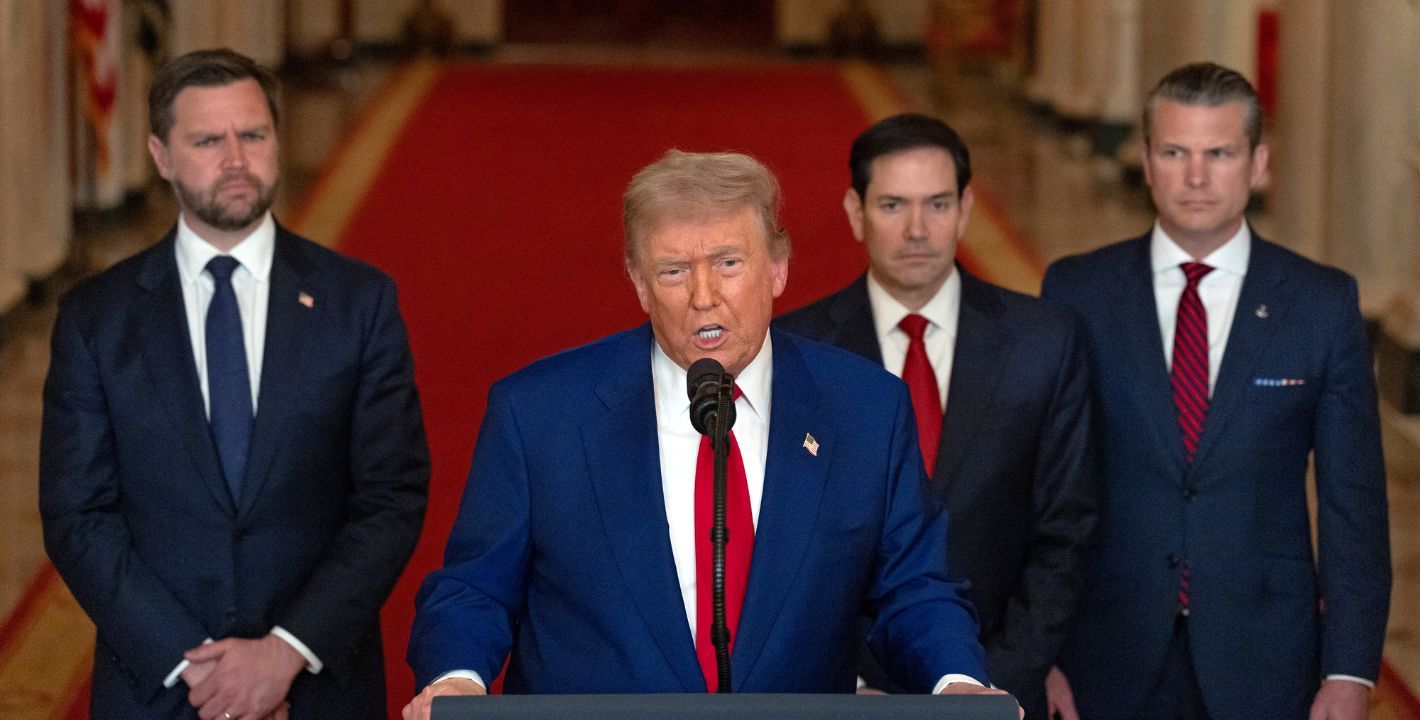
Spot analysis from Carnegie scholars on events relating to the Middle East and North Africa.
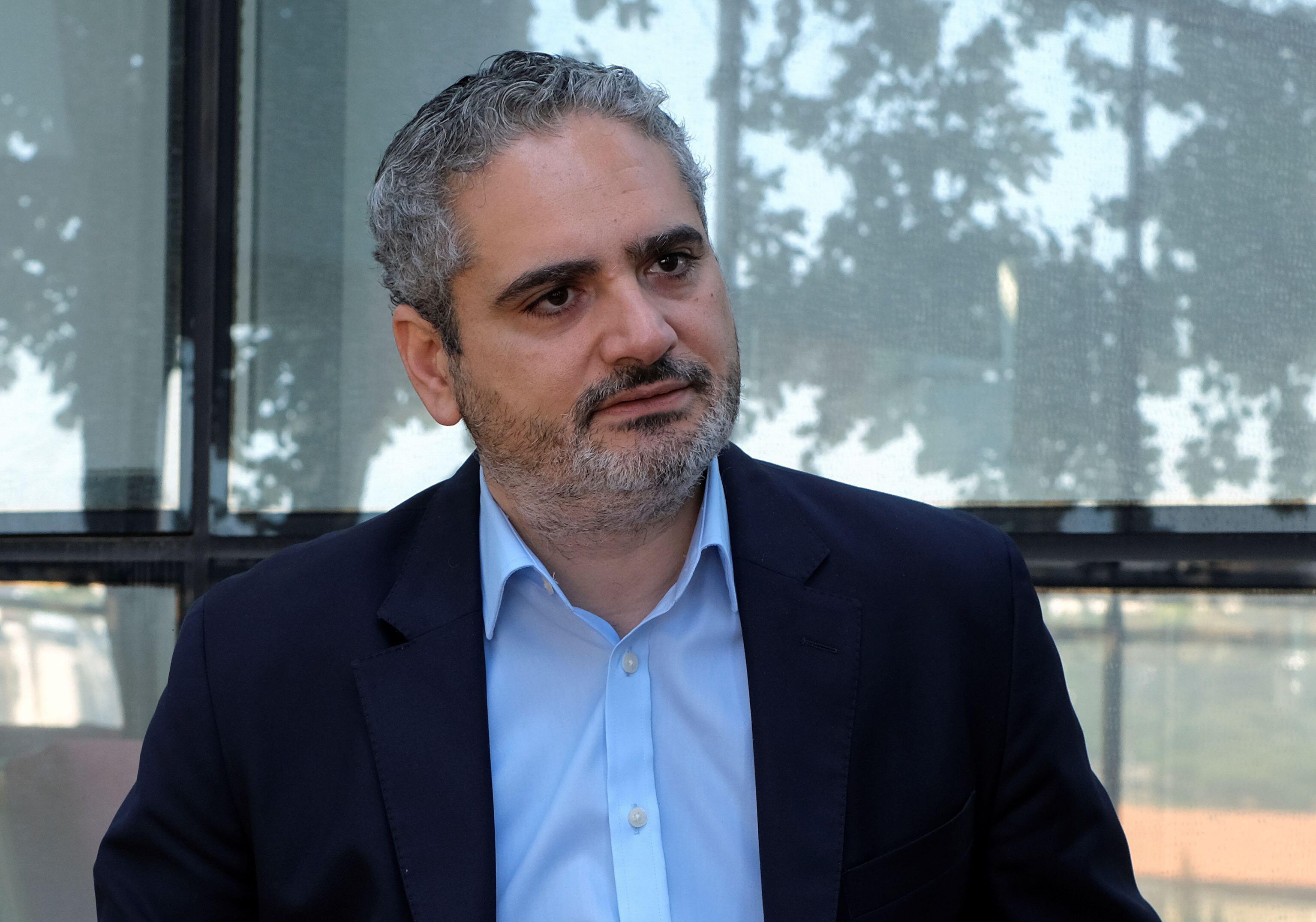
Mohanad Hage Ali
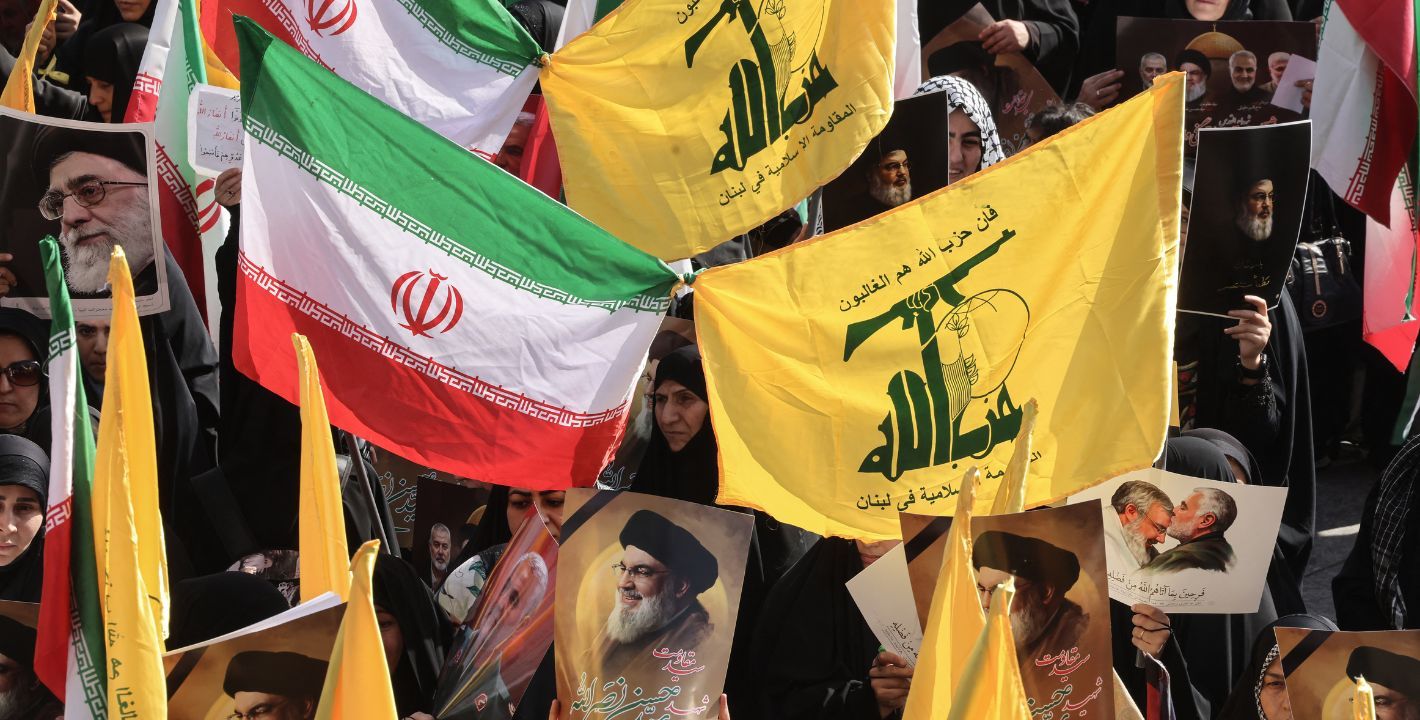
Will the party remain bound to Iran or prioritize its organizational survival and the needs of Lebanon’s Shiite population?
Mohanad Hage Ali