

Commentary
U.S. President Donald Trump has suggested that the United States can devastate Turkey economically. Is he right?
Jarrett Blanc
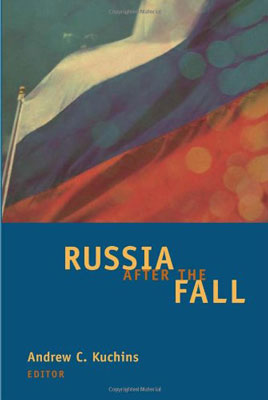
Internationally renowned experts provide retrospective analyses of how Russia has fared in its post-1991 reform efforts and a prospective look at the challenges ahead.
Source: Washington

Russia after the Fall examines Russian politics, economics, society, and foreign and security policy. Internationally renowned experts provide retrospective analyses of how Russia has fared in its reform efforts and a prospective look at the challenges ahead. This book will be of interest to scholars, students, and a general audience seeking to better understand where Russia has been and where it is going.
About the Editor
Andrew C. Kuchins was director of the Carnegie Moscow Center, where he conducted research on Russian foreign and security policy. He is a member of the governing council of the Program on Basic Research and Higher Education in Russia, the advisory committee of Washington Profile, and the editorial board of the journal, Demokratizatsiya.
"An important and constructive contribution to our understanding of what has happened in Russia, what is likely to happen next, and to what extent can it be influenced by Western policy."
—Strobe Talbott, president, The Brookings Institution
"Each chapter is written by a leading expert at the top of his or her game which makes the book of interest to specialist and non-specialist alike."
—Blair A. Ruble, Woodrow Wilson Center
"...a top-drawer collection of essays on the vicissitudes of contemporary Russia, strong on politics, economics, and foreign policy."
—Stephen Kotkin, Princeton University
Carnegie does not take institutional positions on public policy issues; the views represented herein are those of the author(s) and do not necessarily reflect the views of Carnegie, its staff, or its trustees.
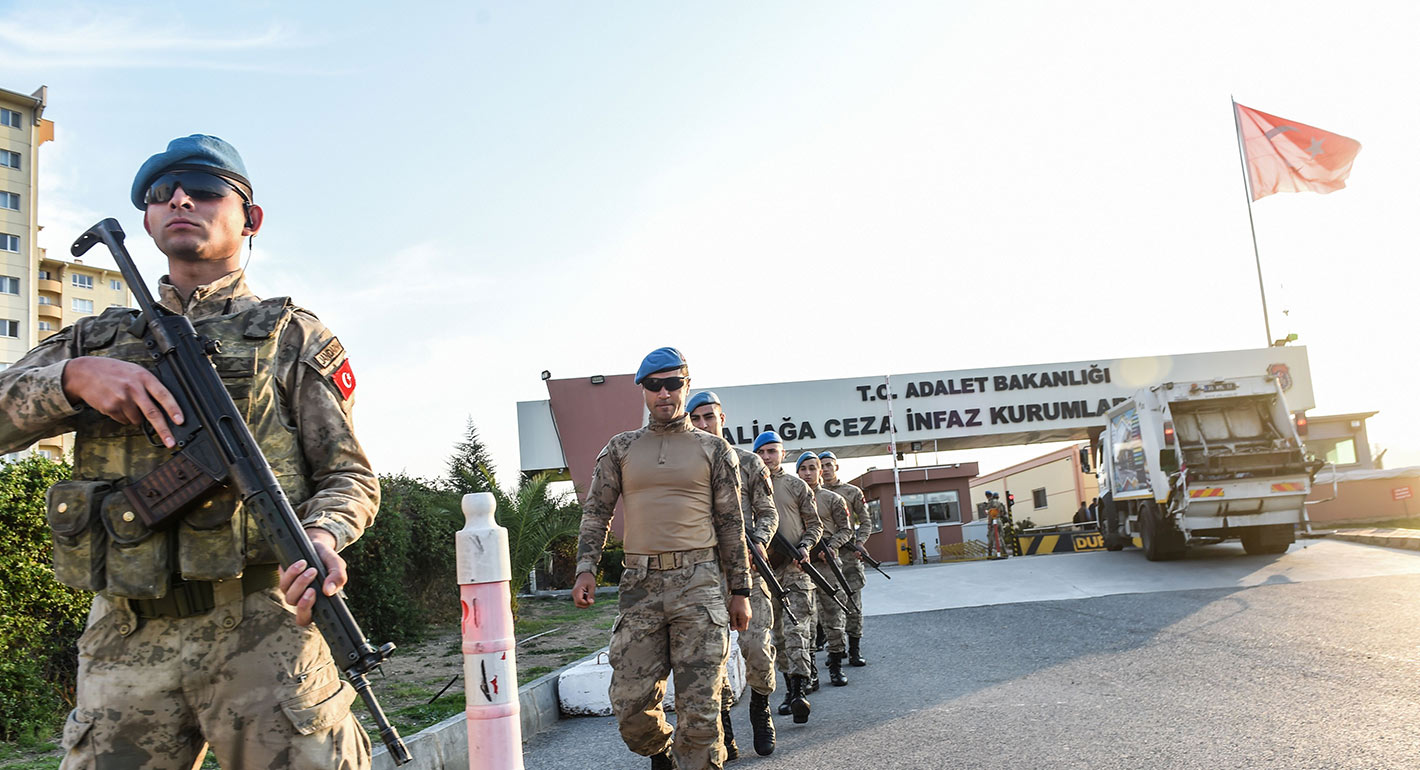
U.S. President Donald Trump has suggested that the United States can devastate Turkey economically. Is he right?
Jarrett Blanc
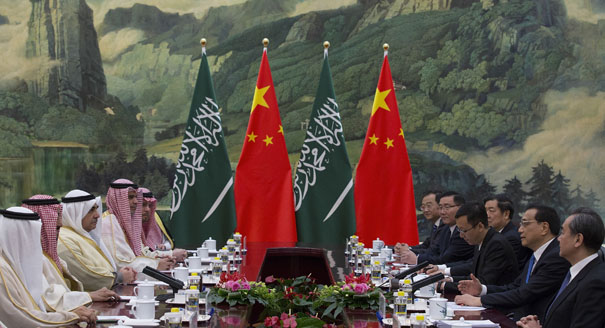
Academic Yang Guang discusses an ambitious plan that includes future Chinese cooperation with the Middle East.
Mohanad Hage Ali
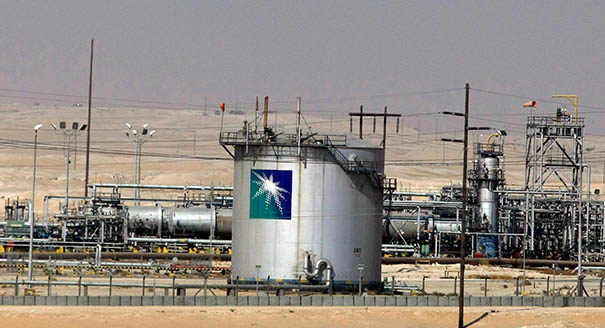
The Middle East is vital to China’s present and future energy interests, but the region’s thorny geopolitics make Chinese state-owned firms hesitant to make large investments there.
Wang Tao
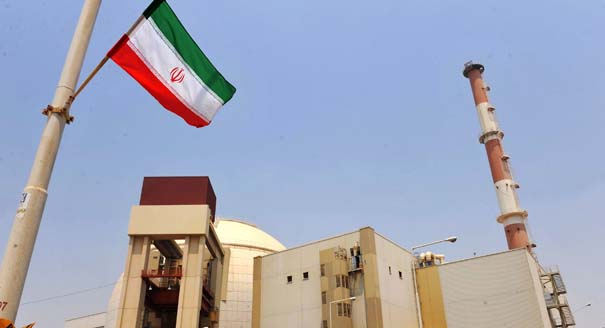
The Iranian nuclear program can at best provide only two percent of Iran’s energy needs. It is an economic catastrophe when compared to the lost foreign investment, oil revenue, and sanctions.
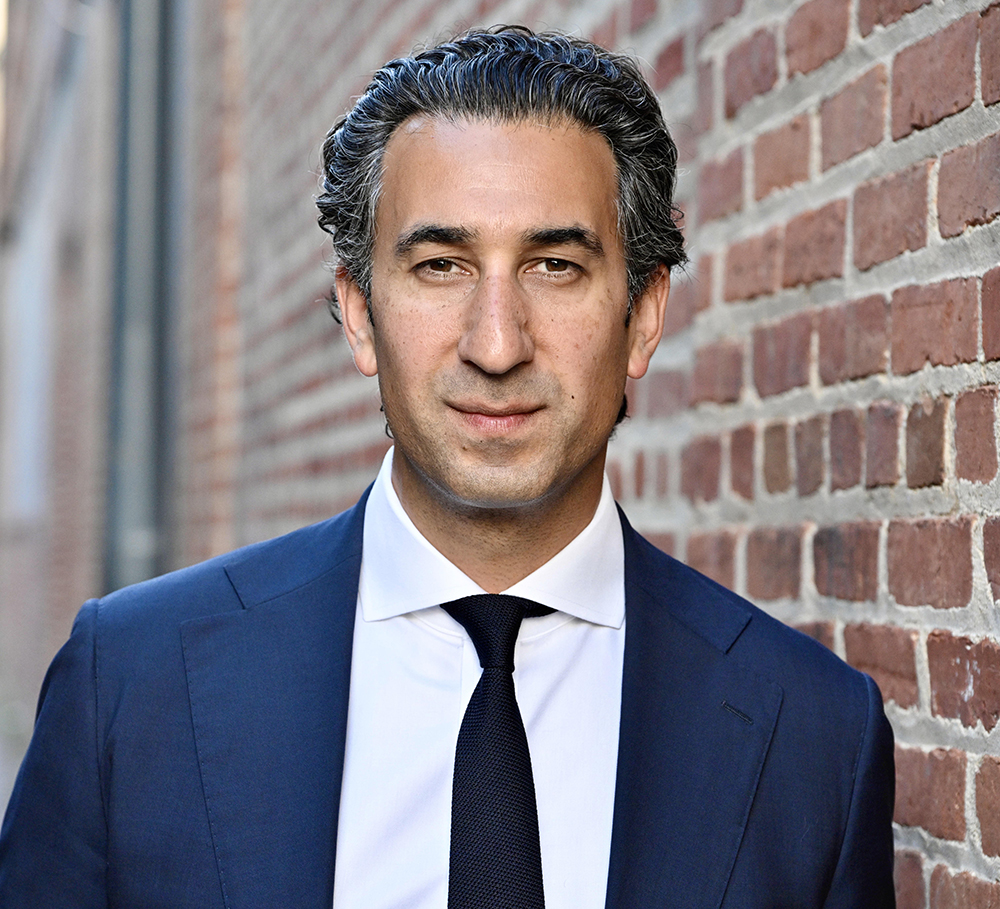
Karim Sadjadpour
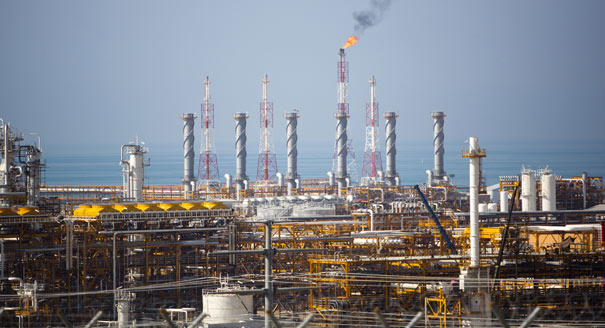
A nuclear deal with Iran could help revive the country’s energy sector, with serious effects on consumers and producers, especially in the Middle East.
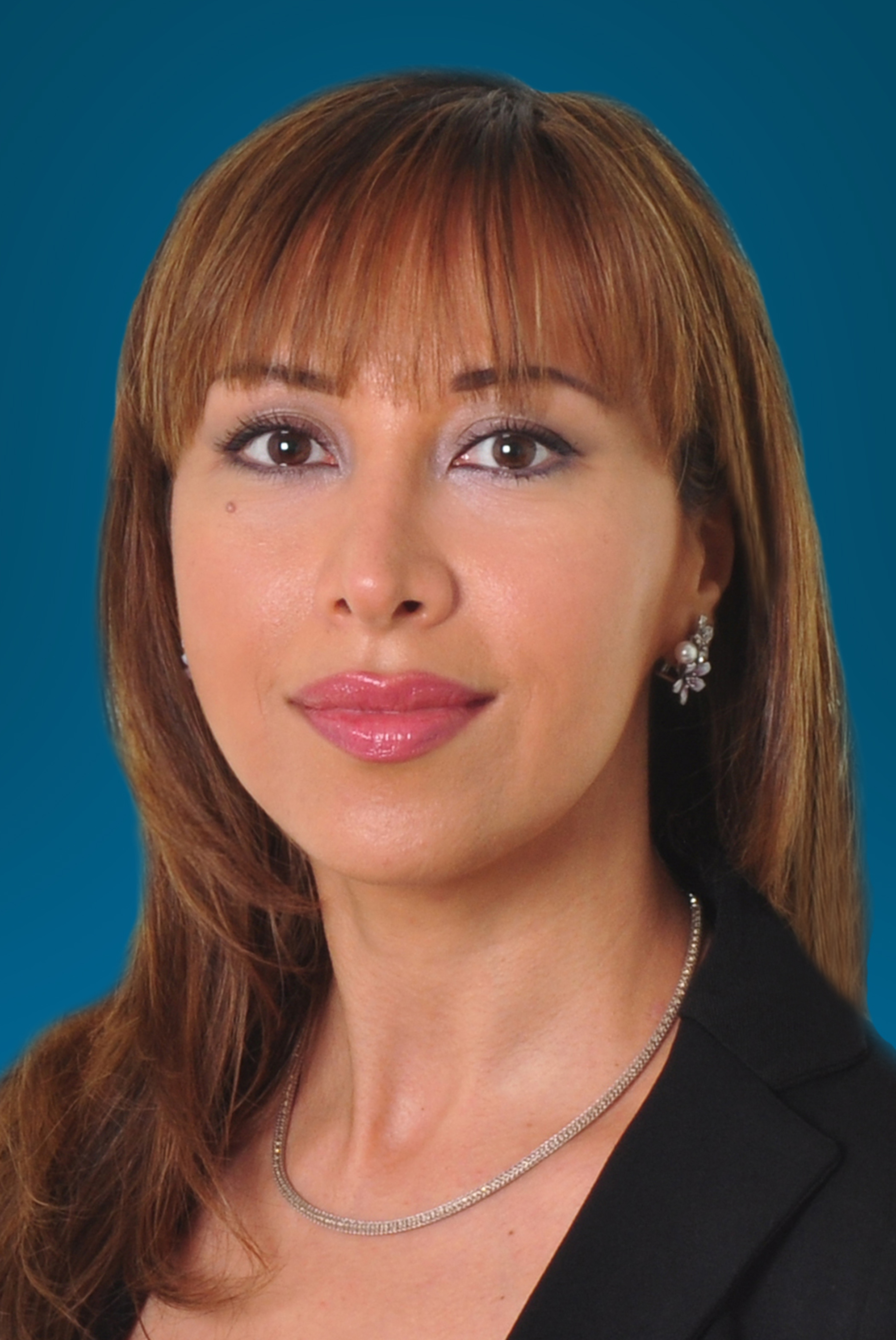
Carole Nakhle