

Commentary
In an interview, Ishac Diwan looks at the merits and flaws in the draft legislation distributing losses from the financial collapse.
Michael Young
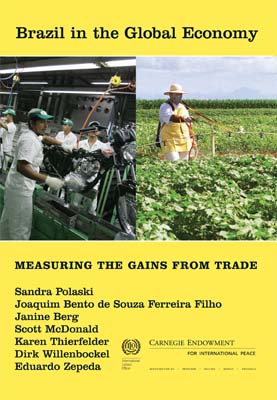
Despite holding a leading position in world trade negotiations, Brazil will benefit little from increased trade. Policy makers face acute challenges as the country struggles to generate sufficient employment and improve labor incomes.
The Brazilian economy has experienced sustained growth since 2000, after several turbulent decades. The country’s engagement with the global economy has played a largely positive, if secondary, role and Brazil has assumed a leading position in world trade negotiations. At the same time, the country has struggled to generate sufficient employment and improve labor incomes. Unemployment hovers at about 8 percent, and of those who work, slightly more than half do so informally. Average earnings today are lower than in the mid-1990s.
Brazilian policy makers face complicated challenges as they try to grow the economy in ways that will generate better livelihoods and incomes. The current global economic downturn is likely to make these tasks even more difficult. The purpose of this study is to contribute to the knowledge base upon which the Brazilian government and public, as well as the international community, evaluate the policy choices the country faces in the realm of trade. It employs computable general equilibrium models of the global and Brazilian economies to simulate a range of possible trade agreements, and explores the effects of these changes on the Brazilian economy, including its sectors, workforce, and households.
Overall, this study shows that the impact of increased trade on the Brazilian economy will be very small, even from a new global agreement at the World Trade Organization or from a very ambitious free trade pact with the largest developing countries. In addition, Brazil will expose its economy to stronger effects from other global policy shocks, such as world price volatility, as it opens its markets. After a careful analysis of the benefits and costs of trade liberalization and specific trade policy choices, increased global economic engagement may still be seen as beneficial for the Brazilian economy. However, it is important in policy debates that the nature and costs of structural adjustment be taken into account and that the pattern of trade achieved serves the country’s long-term development goals.
Carnegie does not take institutional positions on public policy issues; the views represented herein are those of the author(s) and do not necessarily reflect the views of Carnegie, its staff, or its trustees.
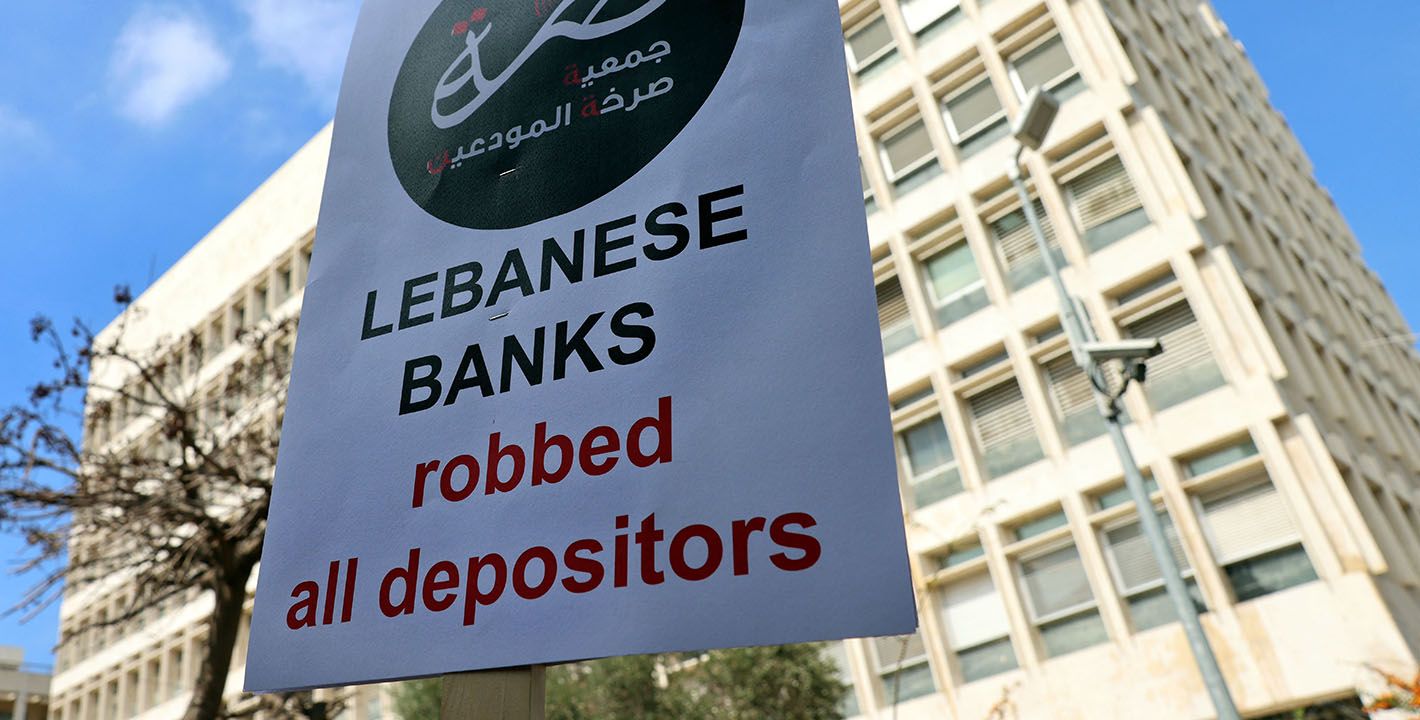
In an interview, Ishac Diwan looks at the merits and flaws in the draft legislation distributing losses from the financial collapse.

Michael Young
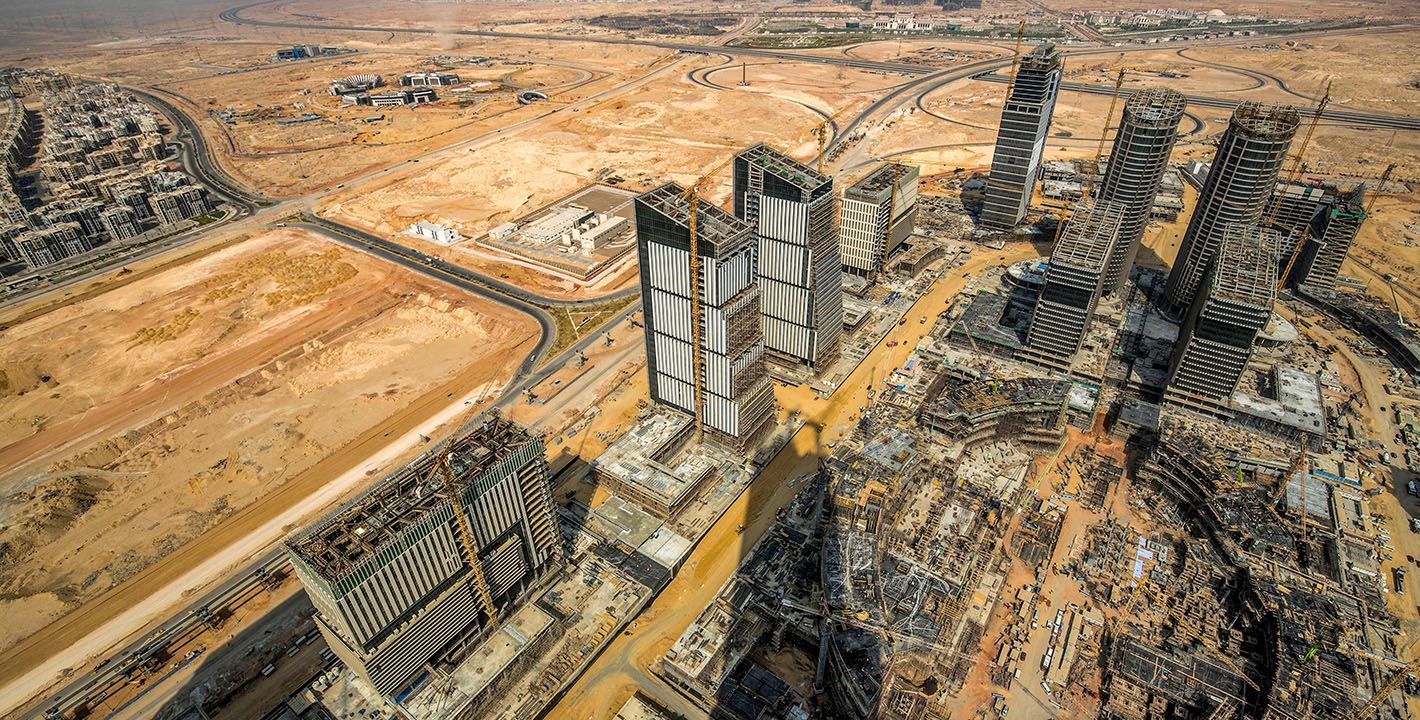
Mustaqbal Misr has expanded its portfolio with remarkable speed, but a lack of transparency remains.

Yezid Sayigh

Arab diaspora business communities in Egypt often mirror the same systemic challenges facing Egyptian businesses.

Nur Arafeh, Yezid Sayigh, Qaboul al-Absi, …
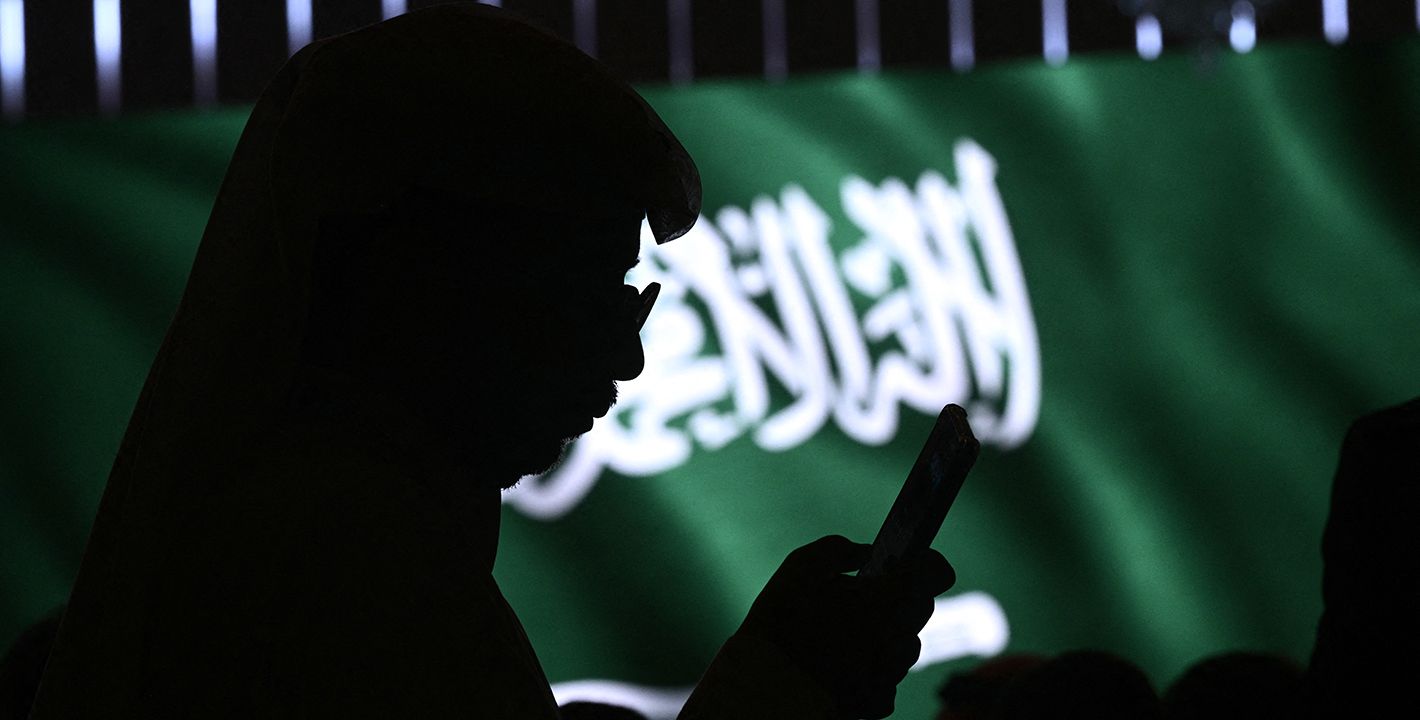
Largely characterized thus far by a single-minded focus on extractivism, Riyadh must commit to greater equitability in its approach to investment and development deals with Sudan, Ethiopia, and Eritrea.

Hesham Alghannam
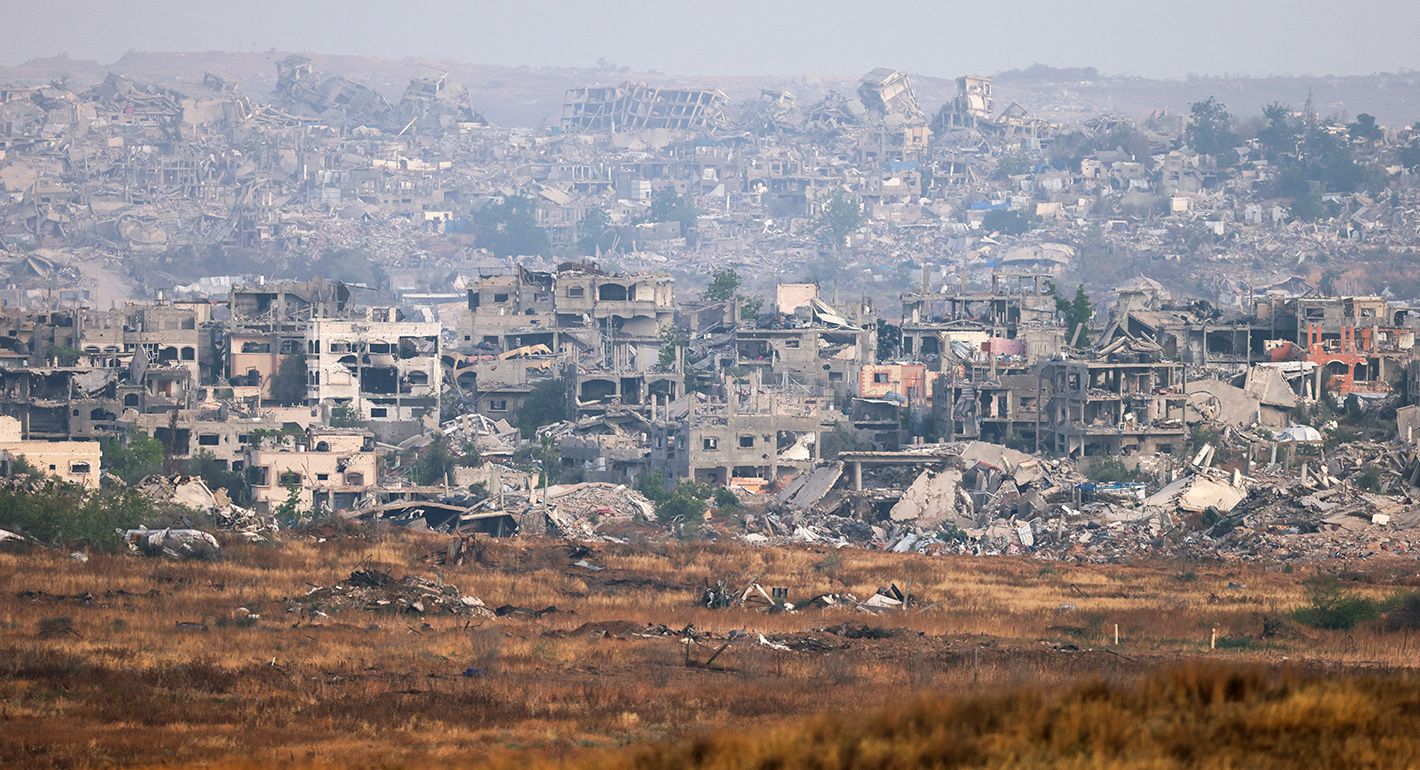
Once Israel’s war in the territory is brought to an end, the foundational principles guiding reconstruction should be Palestinian self-determination, local agency, and sovereignty.
Nur Arafeh, Mandy Turner