

Commentary
Instead of a guaranteed ally, the Kremlin now perceives Armenia as yet another hybrid battlefield where it is fighting the West.
Mikayel Zolyan
{
  "authors": [
    "Michael McFaul"
  ],
  "type": "legacyinthemedia",
  "centerAffiliationAll": "",
  "centers": [
    "Carnegie Endowment for International Peace"
  ],
  "collections": [],
  "englishNewsletterAll": "",
  "nonEnglishNewsletterAll": "",
  "primaryCenter": "Carnegie Endowment for International Peace",
  "programAffiliation": "",
  "programs": [
    "Russia and Eurasia"
  ],
  "projects": [],
  "regions": [
    "United States",
    "Caucasus",
    "Russia"
  ],
  "topics": [
    "Political Reform",
    "Democracy",
    "Economy",
    "Security",
    "Military",
    "Foreign Policy"
  ]
}
REQUIRED IMAGE
Source: Carnegie
October 2, 2001
Published in full in the San Jose Mercury News, October 2, 2001
Michael McFaul discusses the potential for cooperation between the United States and Russia, emphasizing that in the aftermath of the September 11th attacks, Russia is in a unique position to partner with the United States. The author warns that any partnership will depend on Russia's continued democratic development and that the U.S. leadership must continue to support democratic consolidation in Russia.
To see the full article, click here.
Carnegie does not take institutional positions on public policy issues; the views represented herein are those of the author(s) and do not necessarily reflect the views of Carnegie, its staff, or its trustees.
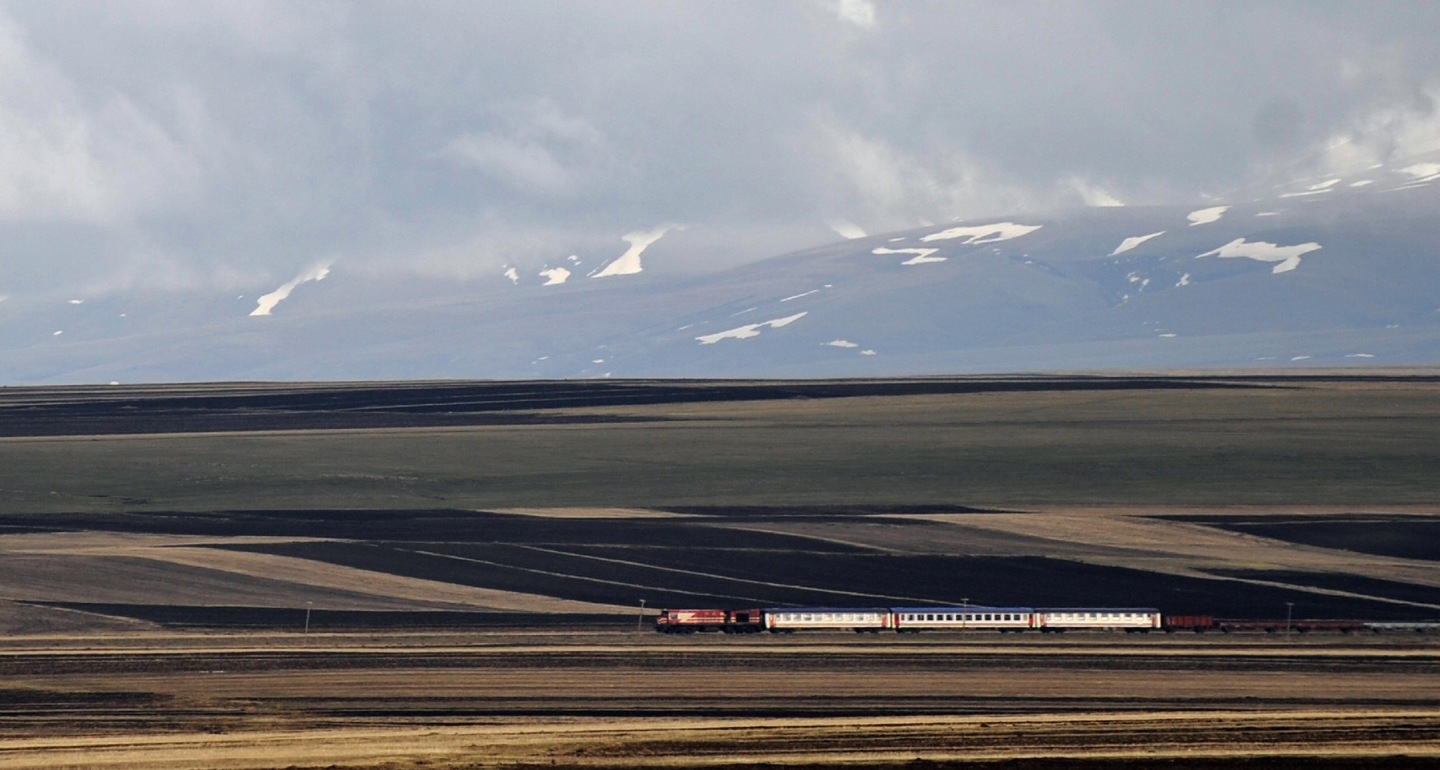
Instead of a guaranteed ally, the Kremlin now perceives Armenia as yet another hybrid battlefield where it is fighting the West.
Mikayel Zolyan
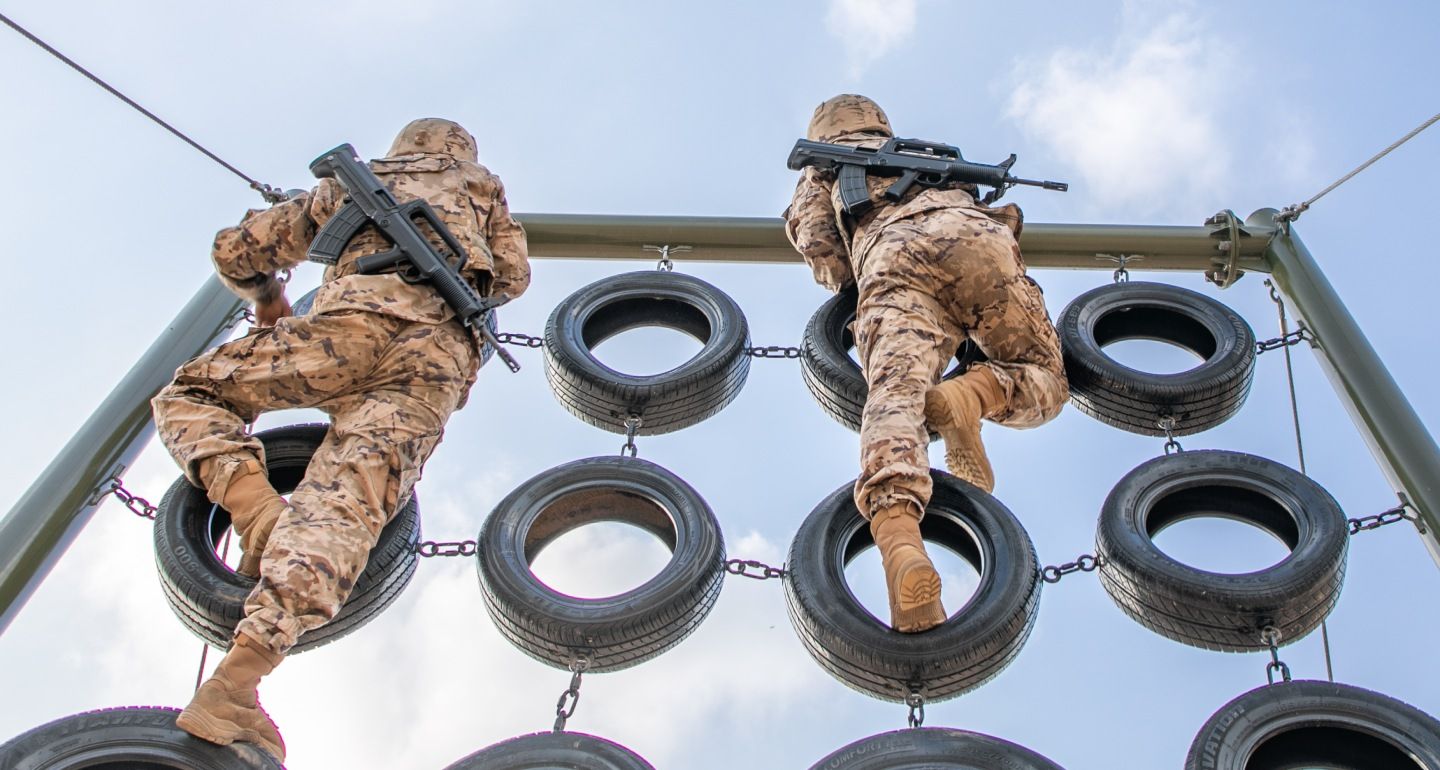
China has found a unique niche for itself within the global security ecosystem, eschewing military alliances to instead bolster countries’ internal stability using law enforcement. Authoritarian regimes from the Central African Republic to Uzbekistan are signing up.
Temur Umarov
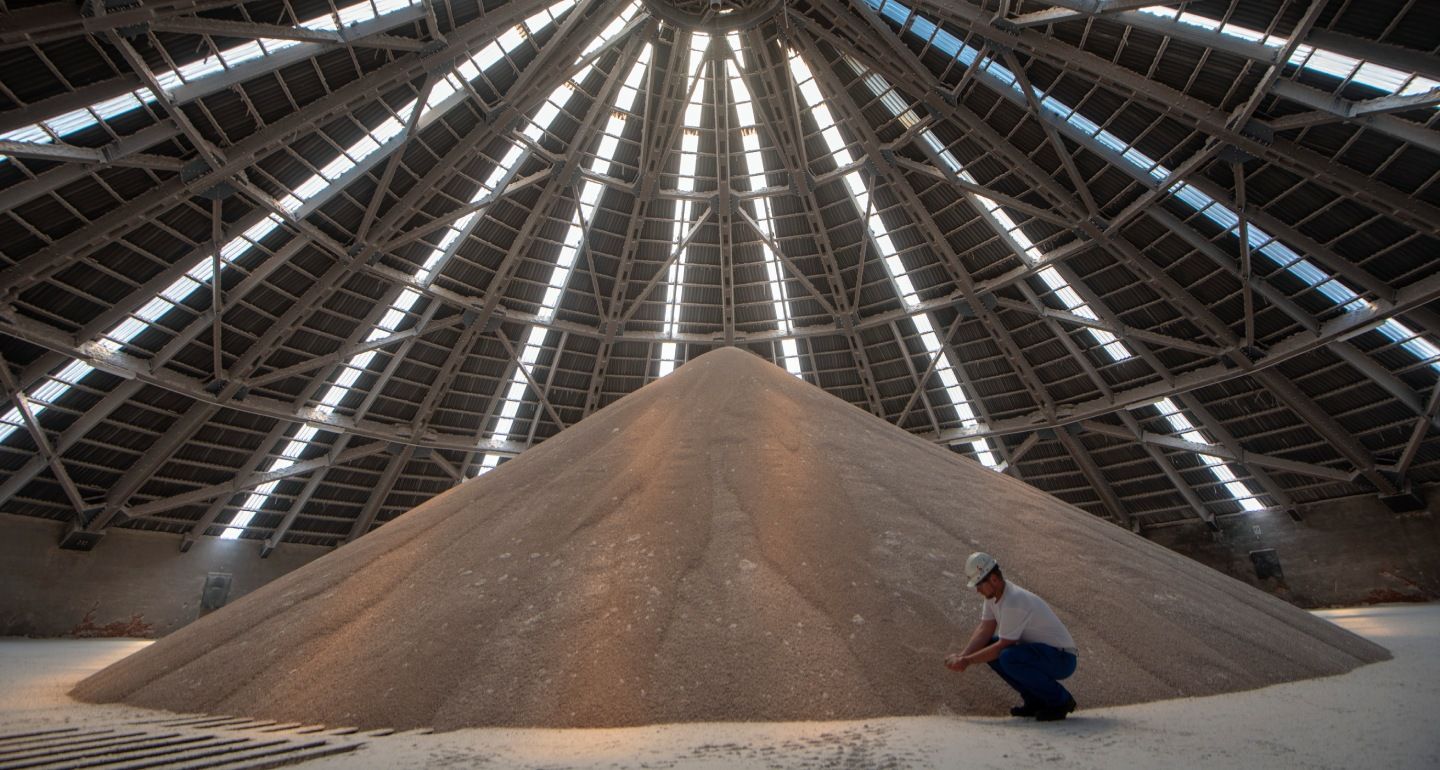
What should happen when sanctions designed to weaken the Belarusian regime end up enriching and strengthening the Kremlin?

Denis Kishinevsky
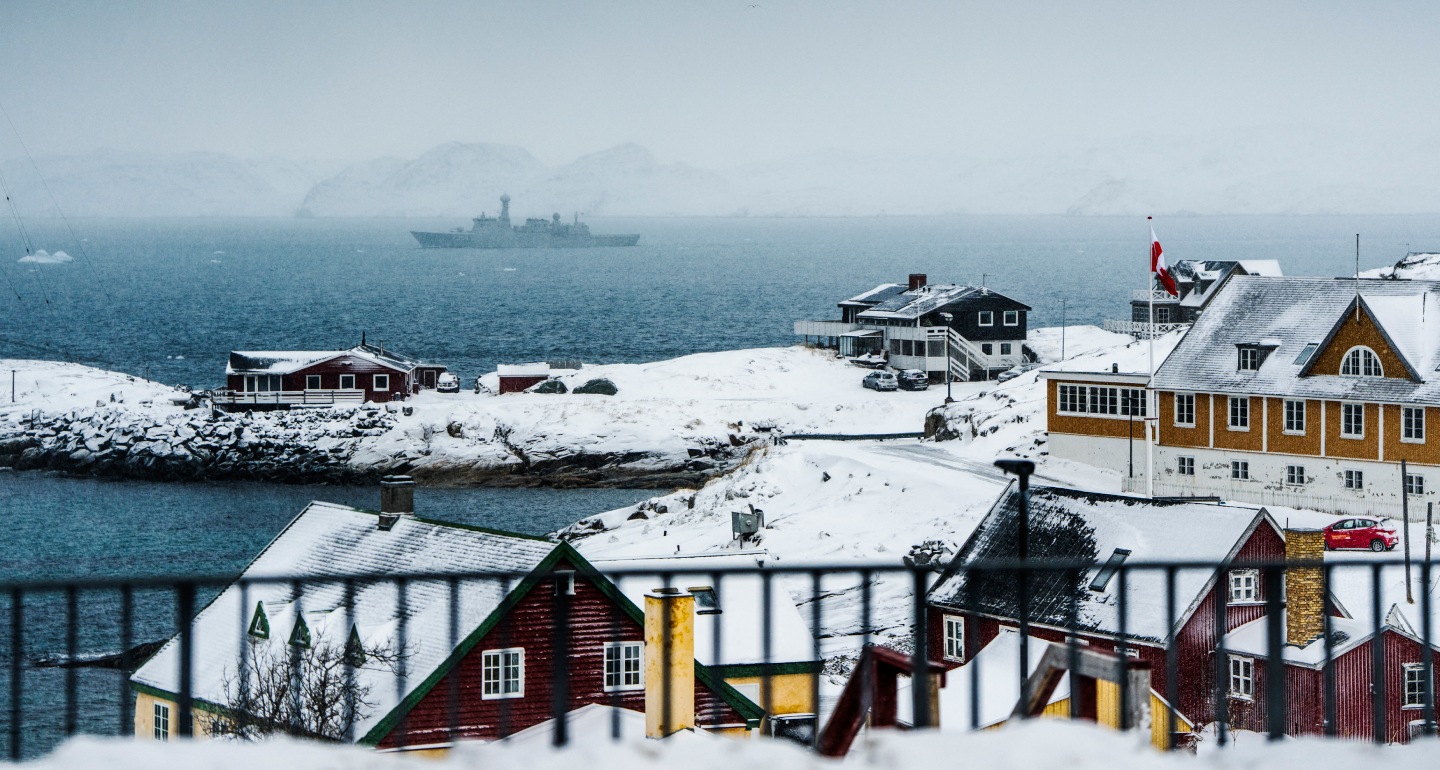
The supposed threats from China and Russia pose far less of a danger to both Greenland and the Arctic than the prospect of an unscrupulous takeover of the island.

Andrei Dagaev
Western negotiators often believe territory is just a bargaining chip when it comes to peace in Ukraine, but Putin is obsessed with empire-building.
Andrey Pertsev