

Commentary
What should happen when sanctions designed to weaken the Belarusian regime end up enriching and strengthening the Kremlin?
Denis Kishinevsky
{
  "authors": [],
  "type": "pressRelease",
  "centerAffiliationAll": "",
  "centers": [
    "Carnegie Endowment for International Peace"
  ],
  "collections": [],
  "englishNewsletterAll": "",
  "nonEnglishNewsletterAll": "",
  "primaryCenter": "Carnegie Endowment for International Peace",
  "programAffiliation": "",
  "programs": [
    "Russia and Eurasia"
  ],
  "projects": [],
  "regions": [],
  "topics": []
}
REQUIRED IMAGE
Source: Carnegie
America's New Alliance with Pakistan: Avoiding the Traps of the Past
Policy Brief 19
Husain Haqqani
Full text (PDF
format)
Press
Release
Summary
Pakistan has become a strategic U.S. ally in the war against al Qaeda. For
now, Washington's support of General Pervez Musharraf's military regime is untempered
by any insistence on the restoration of democracy. But military rule is likely
to increase hostility between Pakistan and India and undercut efforts to root
out Islamic extremists, who have been the armed forces' political allies in
the past.
Despite intervals of strained relations, the United States and Pakistan were allies for most of the Cold War. Like past periods of engagement, the present spell of close relations is likely to sour into disillusion unless the United States strongly encourages Pakistan to return to democracy. A democratic regime, however flawed, is more likely to provide long-term stability to Pakistan. Specifically, democratic rule would help contain Islamic militancy and would probably lead to improved India-Pakistan relations.
Husain Haqqani, a leading journalist, diplomat, and former advisor to Pakistan prime ministers, is a visiting scholar in Carnegie’s Russian and Eurasian Program.
A limited number of print copies will be available.
Request
a copy.
Carnegie does not take institutional positions on public policy issues; the views represented herein are those of the author(s) and do not necessarily reflect the views of Carnegie, its staff, or its trustees.
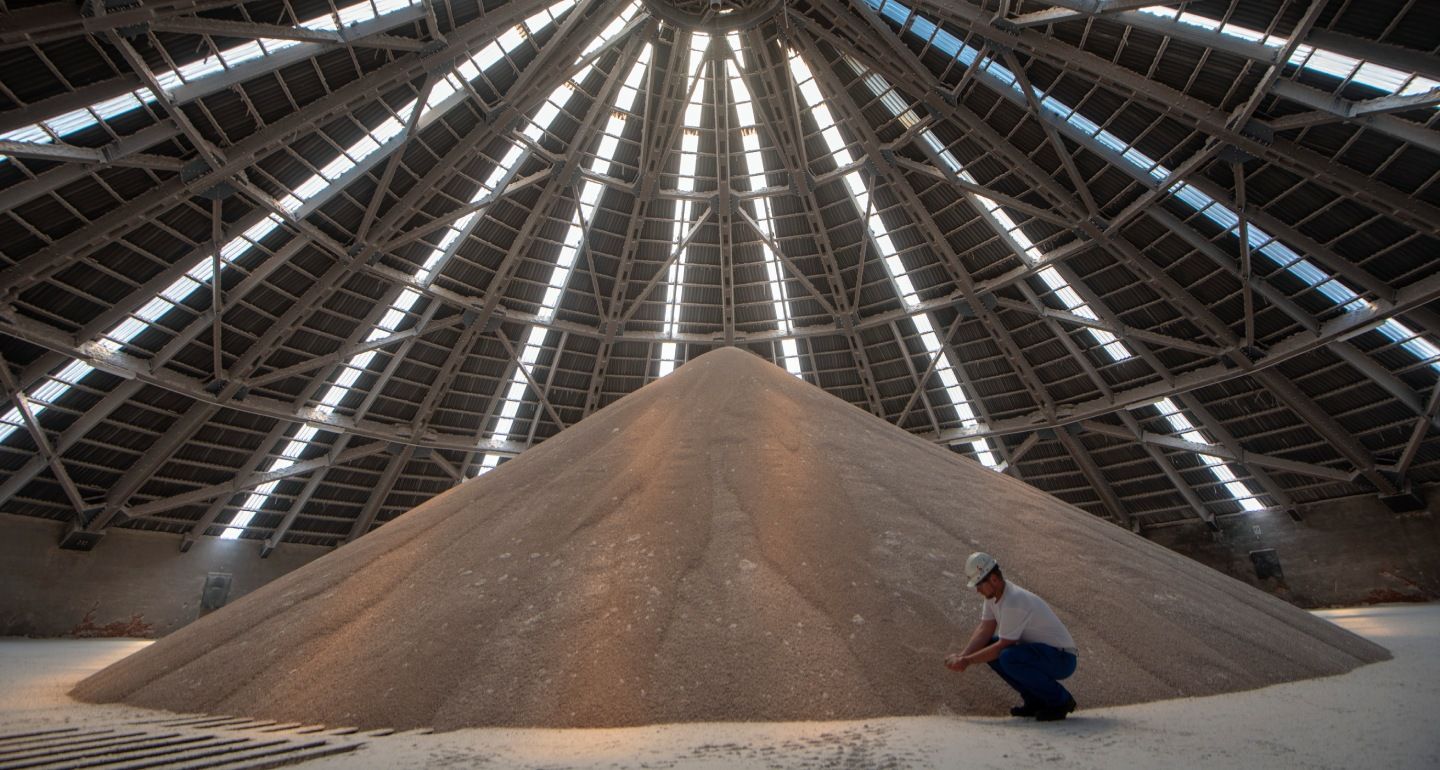
What should happen when sanctions designed to weaken the Belarusian regime end up enriching and strengthening the Kremlin?

Denis Kishinevsky
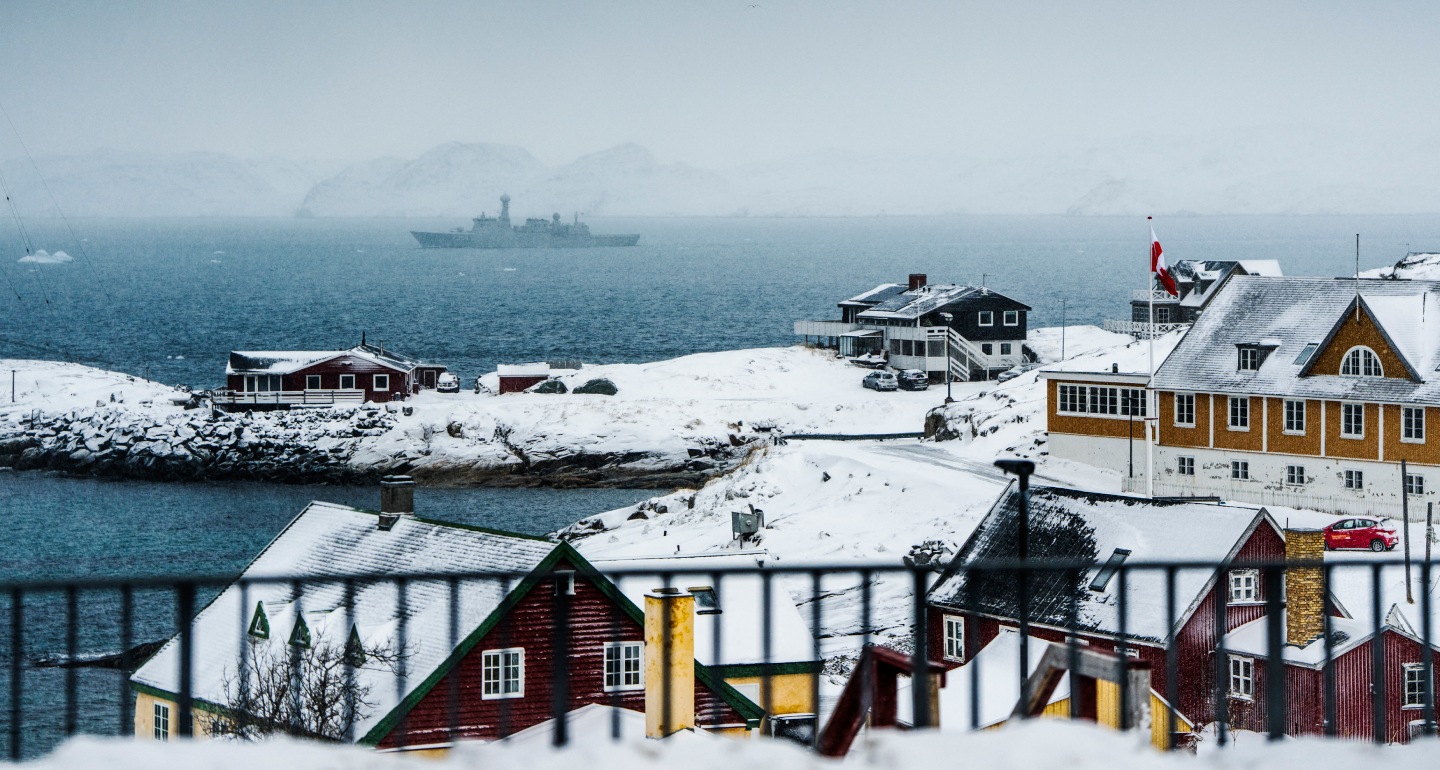
The supposed threats from China and Russia pose far less of a danger to both Greenland and the Arctic than the prospect of an unscrupulous takeover of the island.

Andrei Dagaev
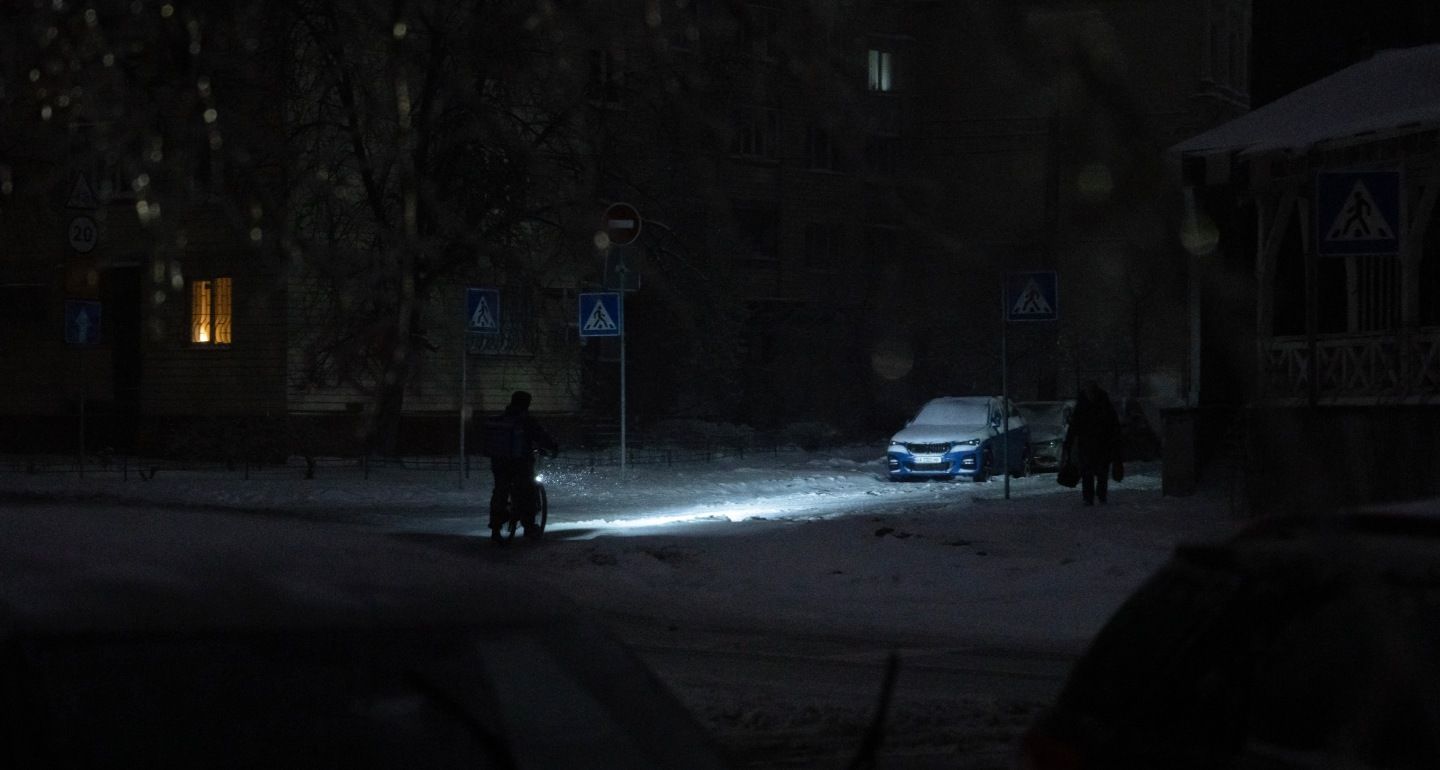
Western negotiators often believe territory is just a bargaining chip when it comes to peace in Ukraine, but Putin is obsessed with empire-building.
Andrey Pertsev
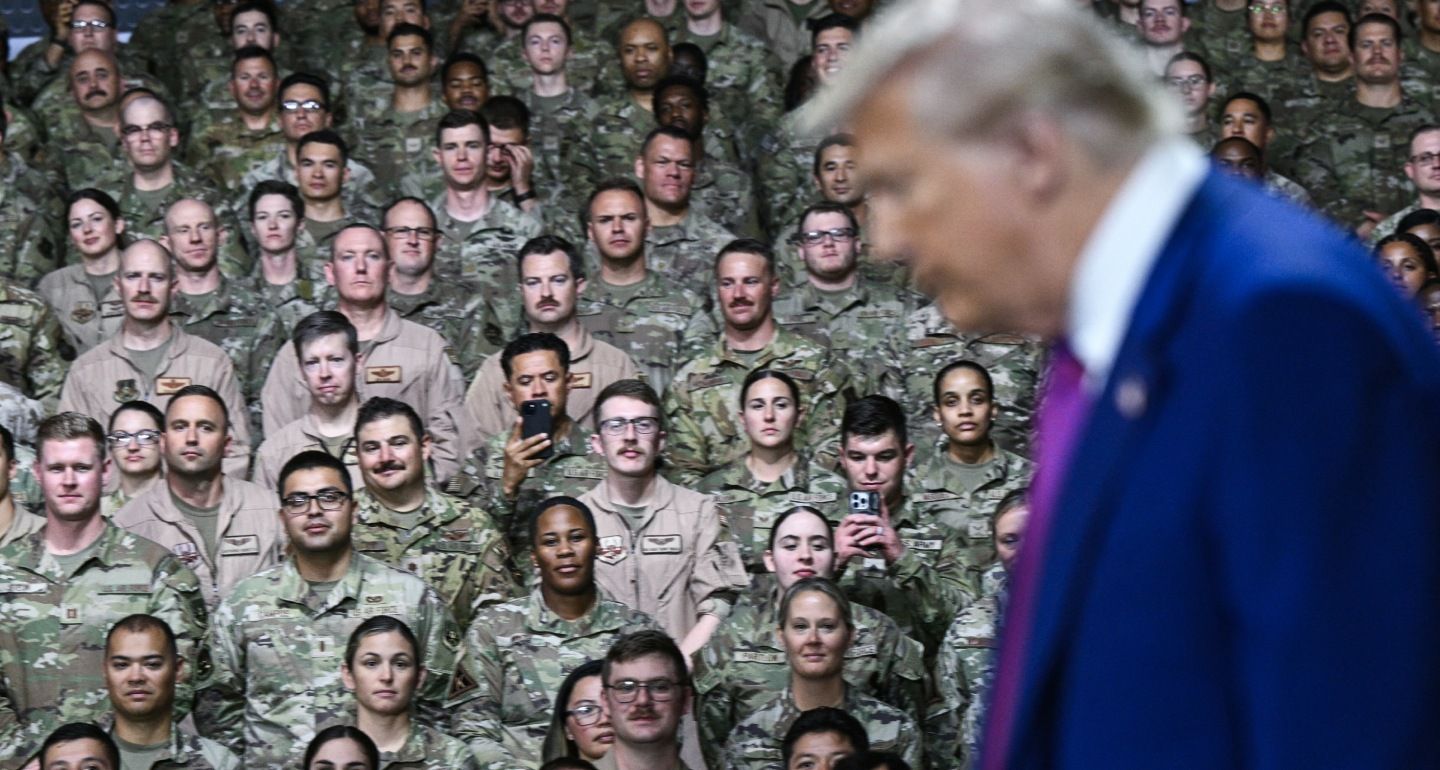
Unexpectedly, Trump’s America appears to have replaced Putin’s Russia’s as the world’s biggest disruptor.
Alexander Baunov
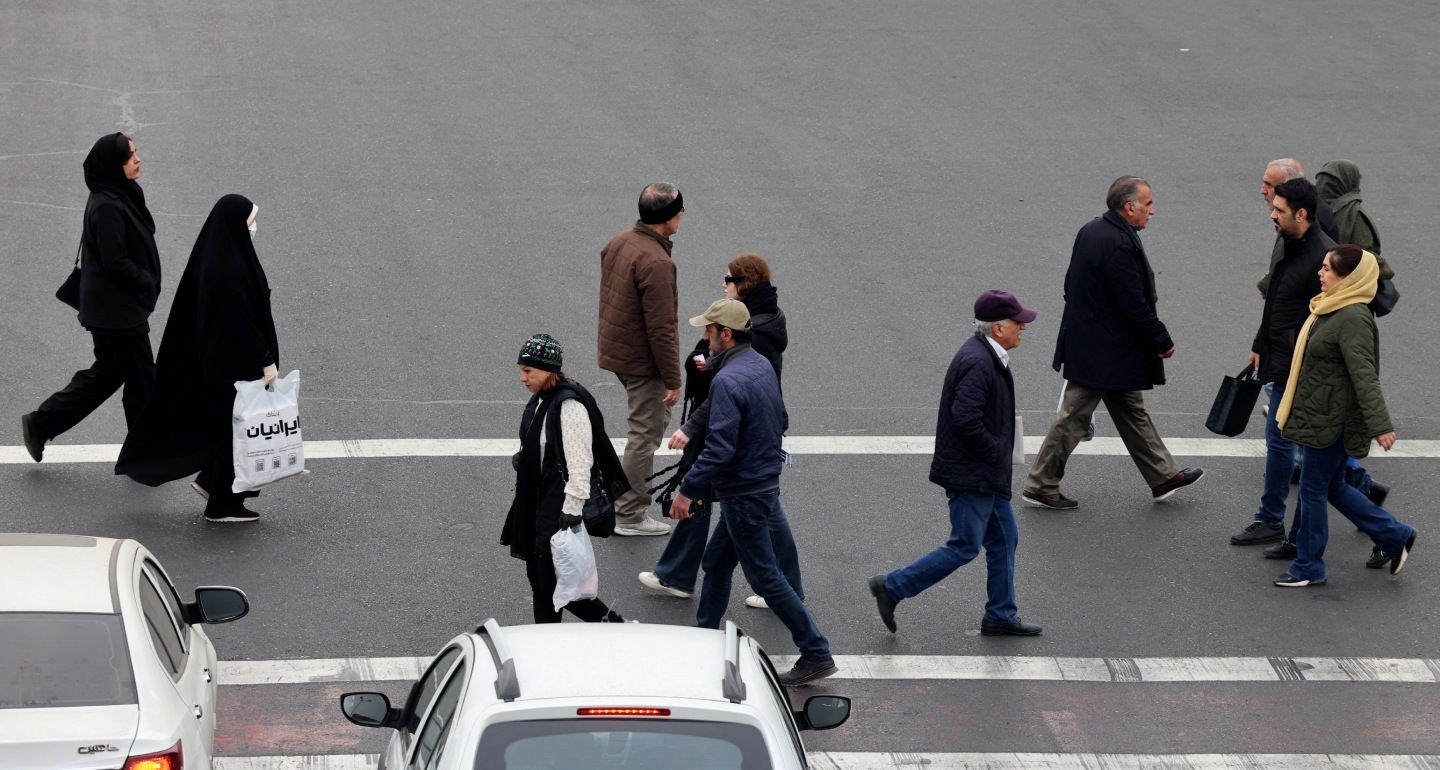
Baku may allow radical nationalists to publicly discuss “reunification” with Azeri Iranians, but the president and key officials prefer not to comment publicly on the protests in Iran.

Bashir Kitachaev