

Commentary
Unexpectedly, Trump’s America appears to have replaced Putin’s Russia’s as the world’s biggest disruptor.
Alexander Baunov
{
  "authors": [
    "Sinan Ülgen"
  ],
  "type": "legacyinthemedia",
  "centerAffiliationAll": "",
  "centers": [
    "Carnegie Endowment for International Peace",
    "Carnegie Europe",
    "Malcolm H. Kerr Carnegie Middle East Center"
  ],
  "collections": [
    "Turkey’s Transformation",
    "Brexit and UK Politics"
  ],
  "englishNewsletterAll": "",
  "nonEnglishNewsletterAll": "",
  "primaryCenter": "Carnegie Europe",
  "programAffiliation": "",
  "programs": [],
  "projects": [],
  "regions": [
    "Middle East",
    "Europe",
    "Levant"
  ],
  "topics": [
    "Foreign Policy"
  ]
}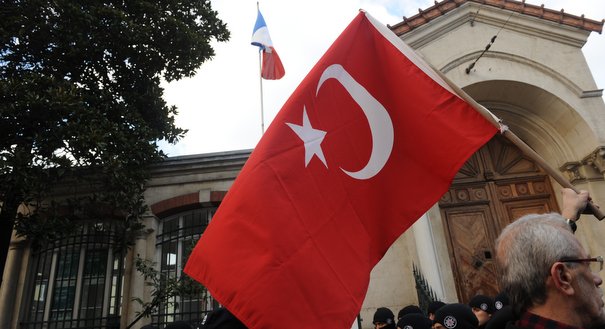
Although France's opposition to Turkish accession creates tension in the two countries' relations, events in the Southern Mediterranean offer a unique opportunity for strategic cooperation between the EU and Turkey.
Source: EurActiv

This position – which has been official since Sarkozy became president, as he had made it one of his campaign promises – has led French diplomacy to unilaterally block five chapters of Turkey's accession negotiations. French diplomats and politicians insist that Franco-Turkish relations can be deepened despite this difference of opinion. It is this reasoning that President Sarkozy will have to defend during his visit to Ankara. Given Ankara's feelings on the subject, he will likely need the full extent of his powers of persuasion.
If we only look at the statistics, the foundations of the bilateral relationship remain solid. Some 10,000 Turkish students continue to study the French language in francophone lycées, such as the Galatasaray Lisesi, the 'imperial Ottoman lycée' which since 1868 has trained the elite of the Ottoman Empire. Paris supports these schools in part by providing teachers.
If one adds students in the Cultural Institutes of Istanbul, Ankara and Izmir, there are a total of about 40,000 Turks who want to be able to express themselves in the language of Molière. In addition to the educational aspect, bilateral relations rest on substantial commercial exchanges, reaching approximately €11 billion in 2010.
Some 300 French companies, who employ a total of 70,000 people, are also present in Turkey. France remains one of the principal sources of investment in Turkey with €2 billion of direct investment over the past five years.
Nonetheless, these statistics cannot hide a much less attractive reality. The psychological distance which now marks relations affects the effectiveness of the French presence in Turkey and its ability to influence the evolution of the country.
Indeed, the Turks assert that French leaders are deceiving themselves if they think it is possible to separate the European issue, linked to a project that goes to the very heart of Turkish identity and Turkey's modernisation project, from the purely bilateral aspect of relations that is political, cultural and economic exchange.
The Turks feel the French policy to be a refusal of their identity and of their aspirations. From here comes an obstructionism, which sometimes presents itself in the form of the exclusion of French companies from big projects such as the Nabucco gas pipeline, sometimes through political rivalry which pushes Turkey to directly compete with French influence in the Middle East and North Africa.
It is in this context that the presidential visit will take place. The question is therefore to figure out what message President Sarkozy could send to Turkish leaders and public opinion.
The events that are shaking the Arab countries of the Mediterranean in fact offer a remarkable opportunity. The desire for a democratic transition shown by these demonstrations is a way to open a new area of cooperation between Ankara, Paris and Brussels: that of strategic cooperation in foreign policy.
Indeed, the current restructuring of the political and social fields in the region will necessitate a reconfiguration of European initiatives with partners on the southern coast of the Mediterranean. The policies undertaken up to now, whether the Barcelona Process or the Union for the Mediterranean, have never been able to break through.
It would be vain to continue the same course of action without taking into consideration the current upheavals. This is an opportunity for the European Union to think about a more appropriate approach, which takes into account the changes that have been set into motion, as well as the multipolarity of influential actors in the region.
Turkey emerges as a critical partner in this effort. In its quest for influence and prestige on the world stage, Ankara should amply benefit from the current events so as to consolidate its presence in the region, as much from the political as the diplomatic point of view. Turkey is perceived to be a potential model for these countries that are apparently in transition; so many assets that the EU should not obstruct.
President Sarkozy should then go to Ankara as a French leader, but also as a member of the European Union. If he really wishes to reinforce the bilateral ties between France and Turkey, he should show an interest in reinforced cooperation between Turkey and the EU in foreign policy.
Such a position, especially coming from Paris, would not only bear witness to the common interest of both parties in working together, but in addition the French leader would recognise that Turkey is an important actor on the world stage.
Without going back on his position for a potential accession, support for such cooperation could make a success of a visit that is otherwise of little interest.
Carnegie does not take institutional positions on public policy issues; the views represented herein are those of the author(s) and do not necessarily reflect the views of Carnegie, its staff, or its trustees.
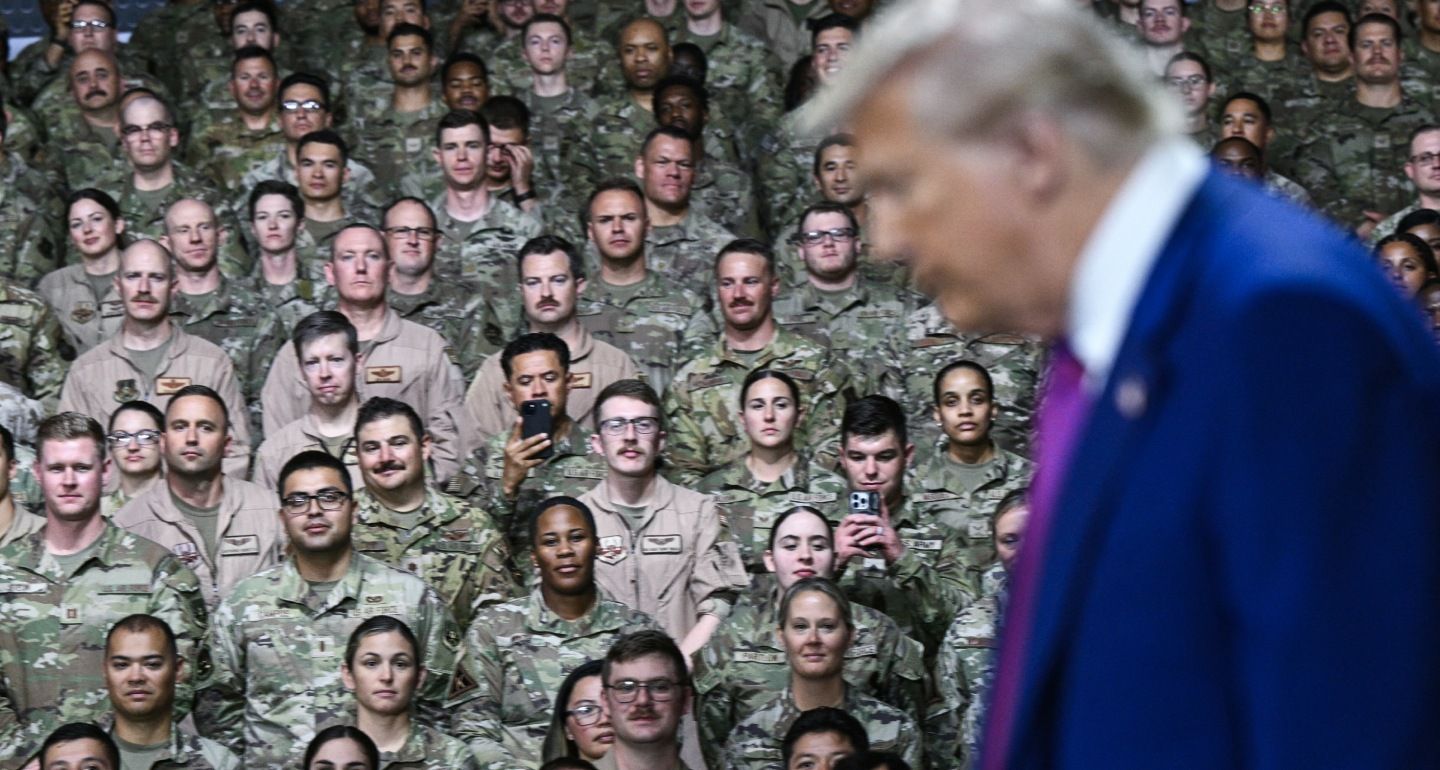
Unexpectedly, Trump’s America appears to have replaced Putin’s Russia’s as the world’s biggest disruptor.
Alexander Baunov
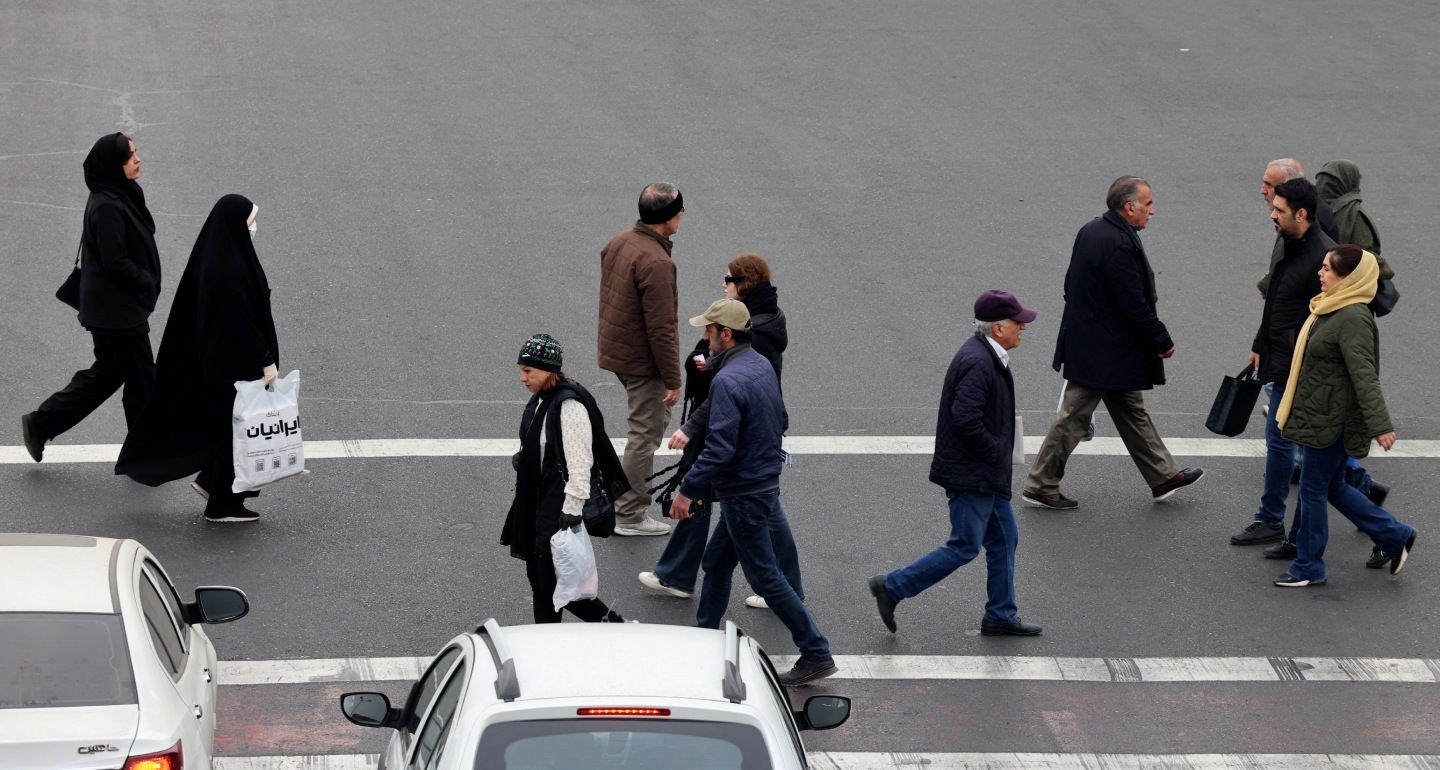
Baku may allow radical nationalists to publicly discuss “reunification” with Azeri Iranians, but the president and key officials prefer not to comment publicly on the protests in Iran.
Bashir Kitachaev
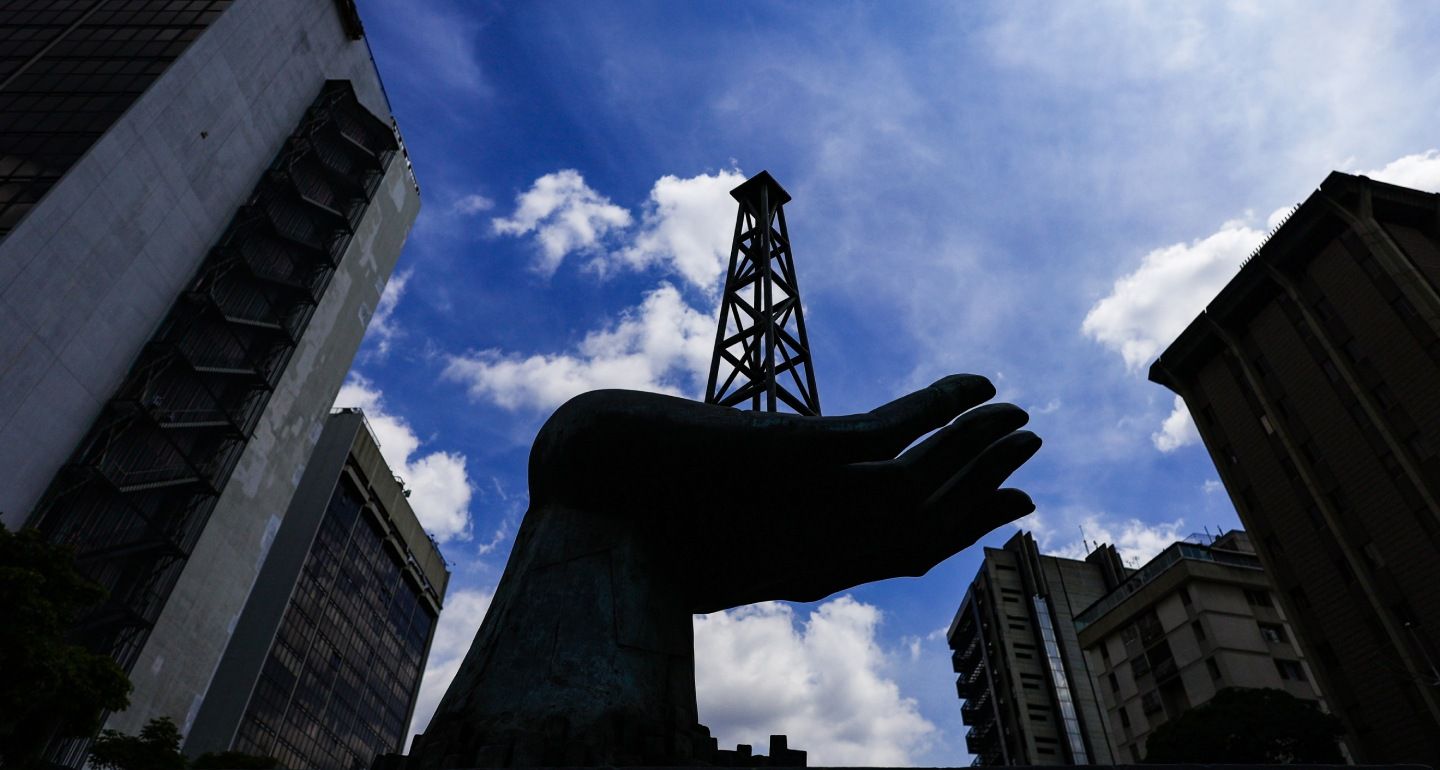
Geological complexity and years of mismanagement mean the Venezuelan oil industry is not the big prize officials in Moscow and Washington appear to believe.
Sergey Vakulenko
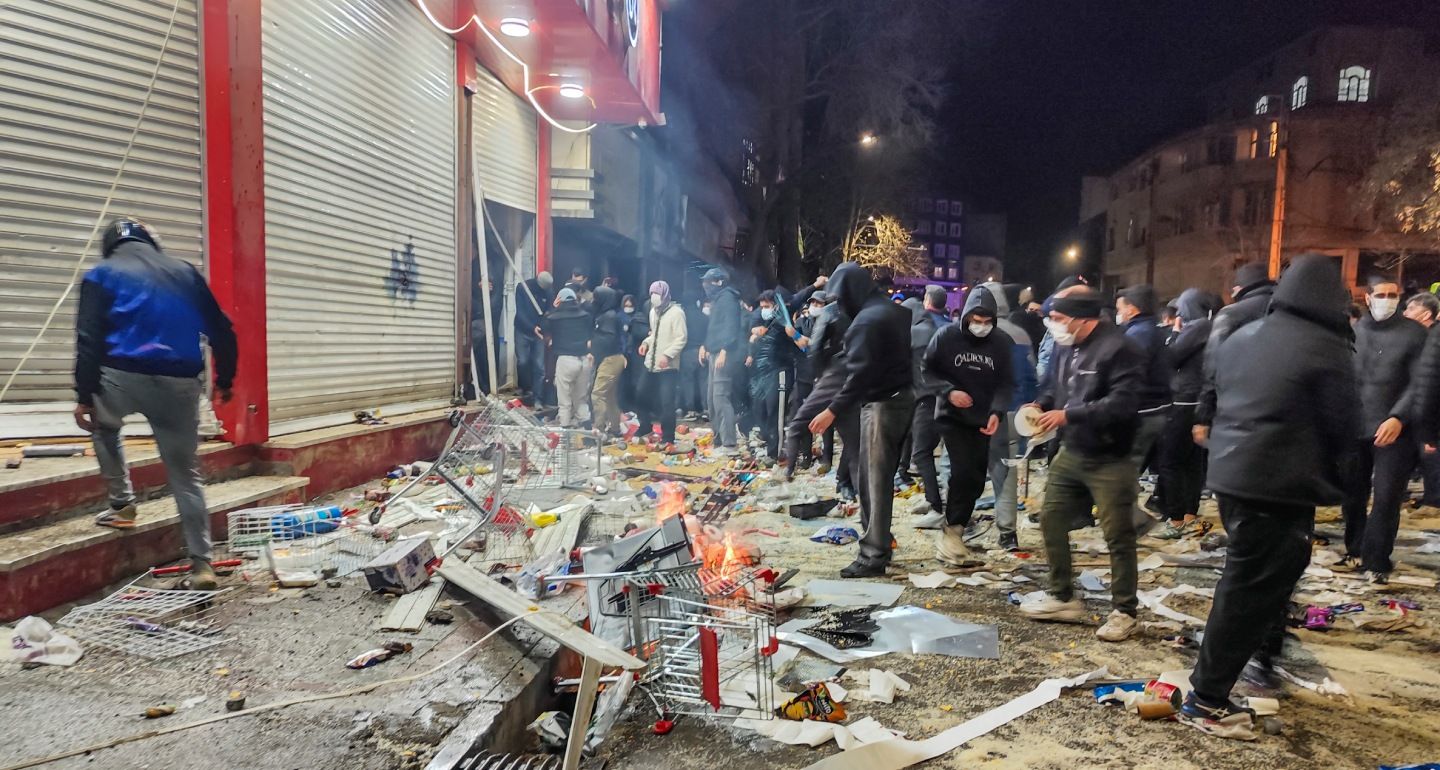
It’s one thing to export Russian helicopters to Iran to fight the insurgency, and it’s easy to imagine Moscow becoming a haven for fleeing Iranian leaders. But it’s very difficult to imagine Russian troops defending the Iranian regime on the ground.
Nikita Smagin
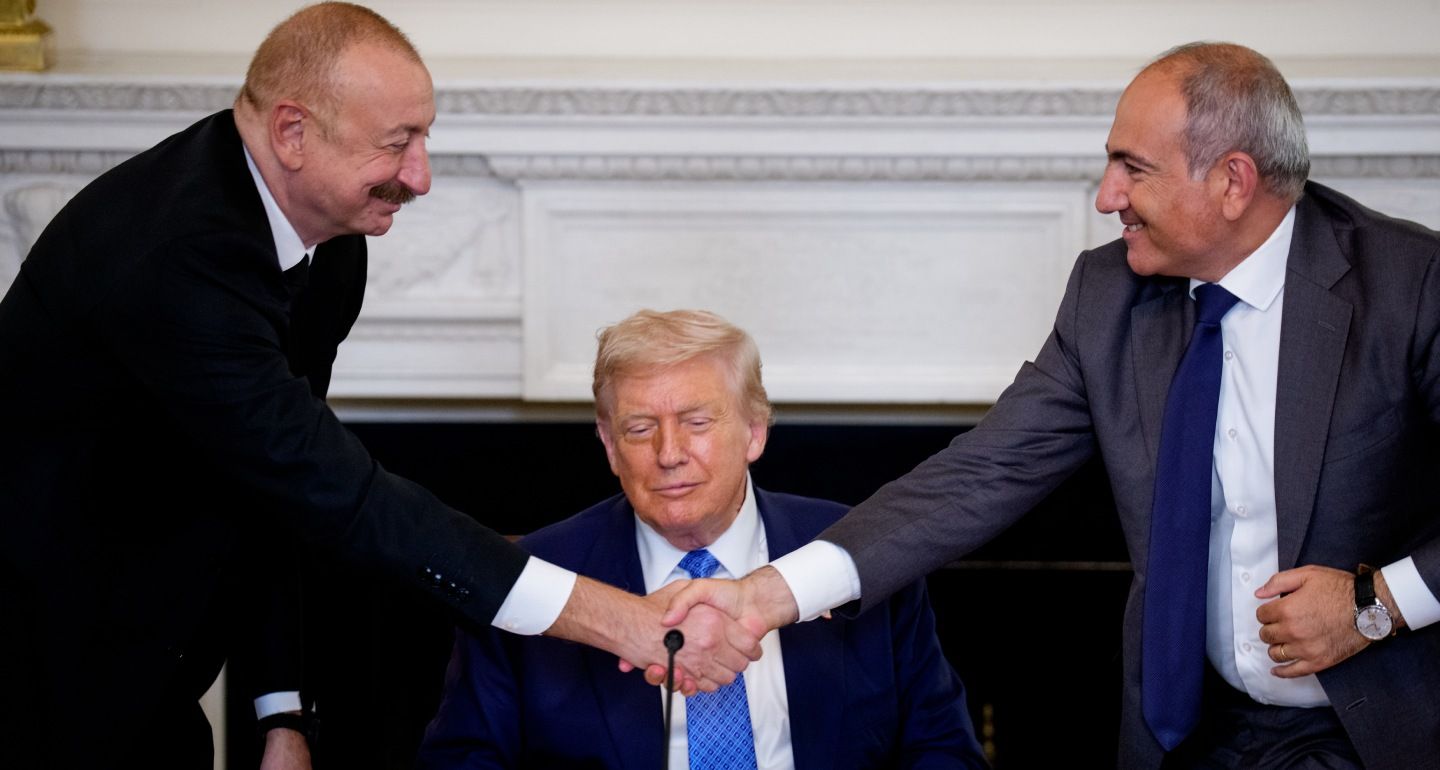
While signaling internationally that it wants peace, the Azerbaijani regime continues to promote anti-Armenian sentiment at home to mobilize domestic support.
Bashir Kitachaev