

Commentary
Unexpectedly, Trump’s America appears to have replaced Putin’s Russia’s as the world’s biggest disruptor.
Alexander Baunov
{
  "authors": [
    "Karim Sadjadpour"
  ],
  "type": "legacyinthemedia",
  "centerAffiliationAll": "",
  "centers": [
    "Carnegie Endowment for International Peace",
    "Malcolm H. Kerr Carnegie Middle East Center"
  ],
  "collections": [],
  "englishNewsletterAll": "",
  "nonEnglishNewsletterAll": "",
  "primaryCenter": "Carnegie Endowment for International Peace",
  "programAffiliation": "",
  "programs": [
    "Middle East"
  ],
  "projects": [],
  "regions": [
    "Middle East",
    "Iran"
  ],
  "topics": [
    "Political Reform",
    "Economy",
    "Trade"
  ]
}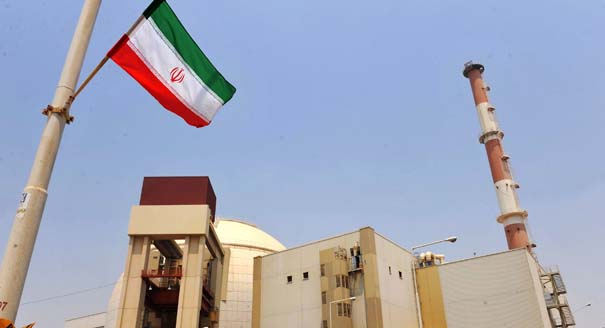
The Iranian nuclear program can at best provide only two percent of Iran’s energy needs. It is an economic catastrophe when compared to the lost foreign investment, oil revenue, and sanctions.
Source: Marketplace
The economic cost of Iran’s nuclear program, in terms of lost foreign investment, oil revenue, and sanctions is about $100 billion dollars, according to Carnegie’s Karim Sadjadpour. Speaking to the Marketplace, Sadjadpour said, “When you look at these enormous costs and you weigh it against what Iran’s nuclear program can really provide in terms of energy, it’s an economic catastrophe.”
“This is a nuclear program which can at best provide only two percent of Iran’s energy needs,” he said, “and in the process of building this nuclear program, they’ve cannibalized their main source of revenue, which is oil and gas.”
Carnegie does not take institutional positions on public policy issues; the views represented herein are those of the author(s) and do not necessarily reflect the views of Carnegie, its staff, or its trustees.
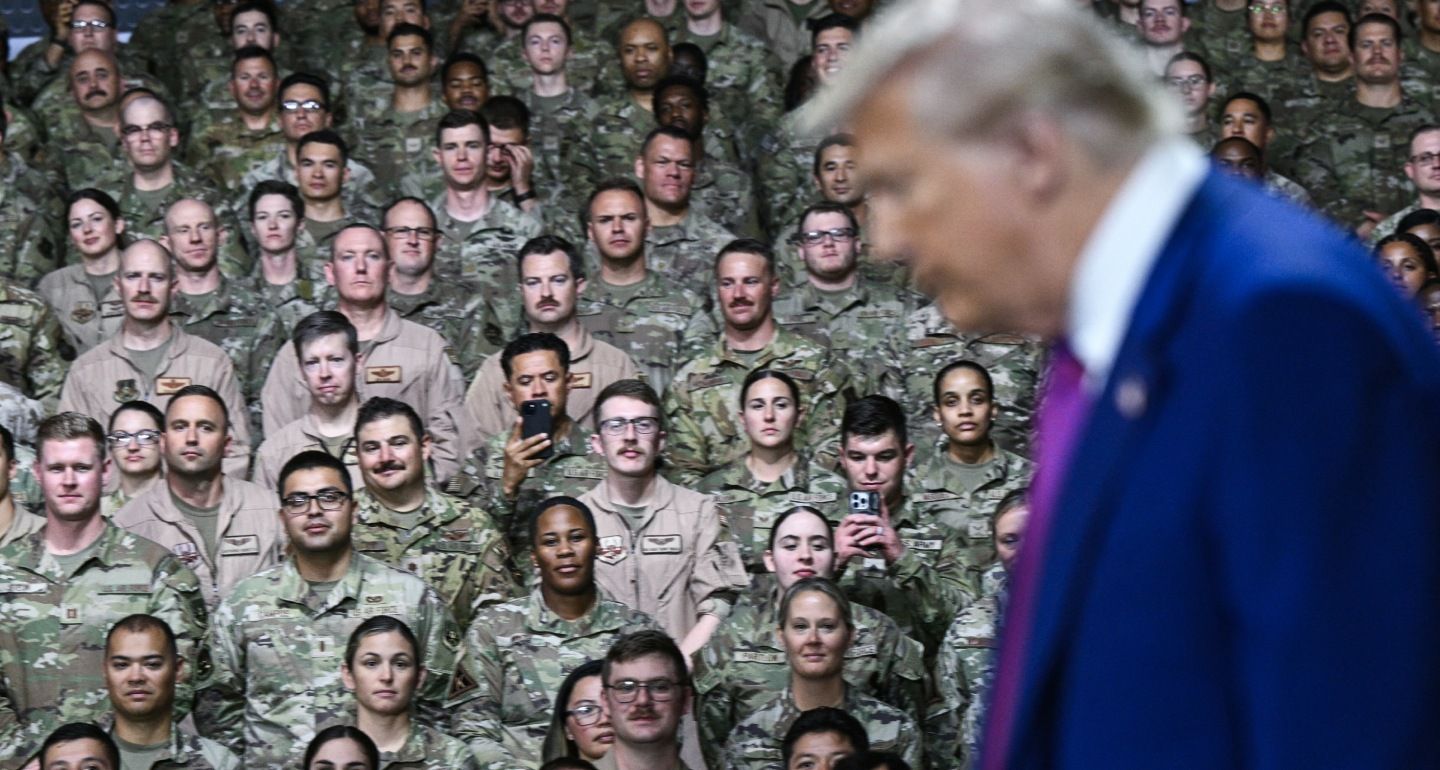
Unexpectedly, Trump’s America appears to have replaced Putin’s Russia’s as the world’s biggest disruptor.
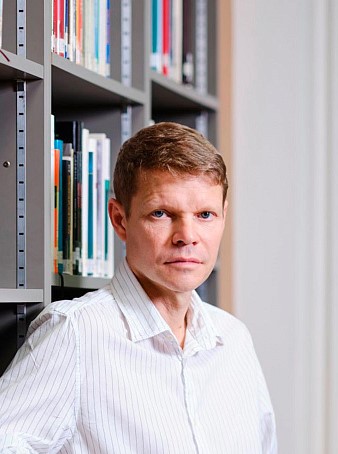
Alexander Baunov
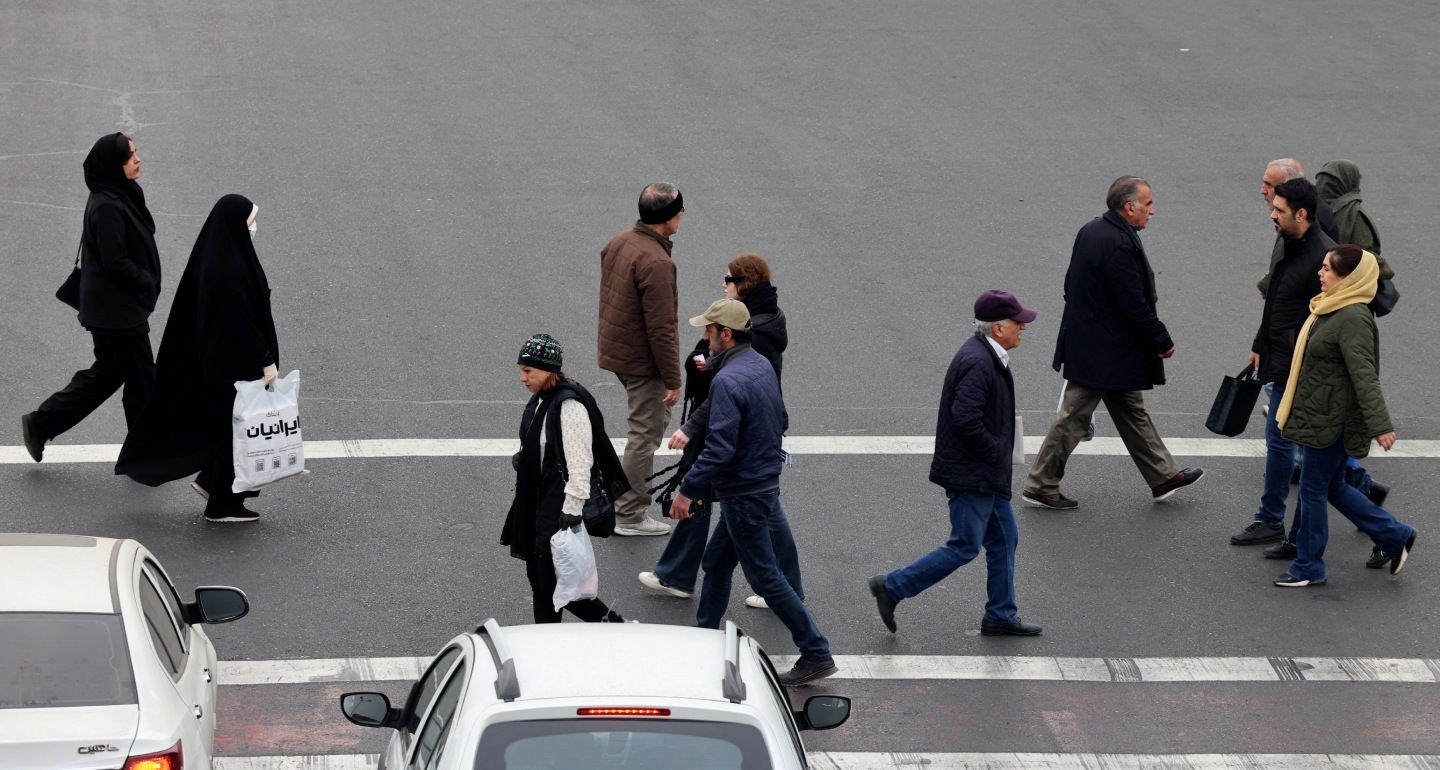
Baku may allow radical nationalists to publicly discuss “reunification” with Azeri Iranians, but the president and key officials prefer not to comment publicly on the protests in Iran.

Bashir Kitachaev
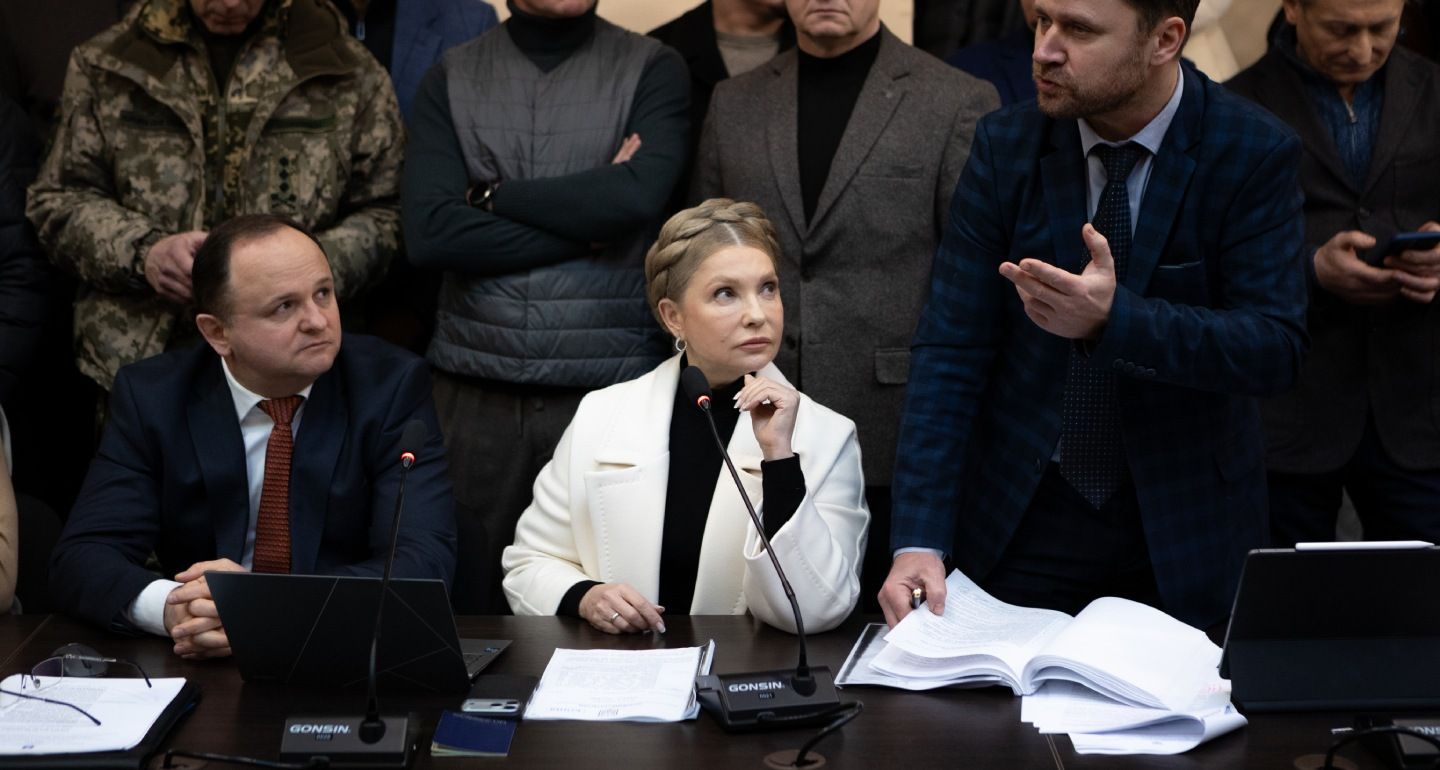
The story of a has-been politician apparently caught red-handed is intersecting with the larger forces at work in the Ukrainian parliament.

Konstantin Skorkin
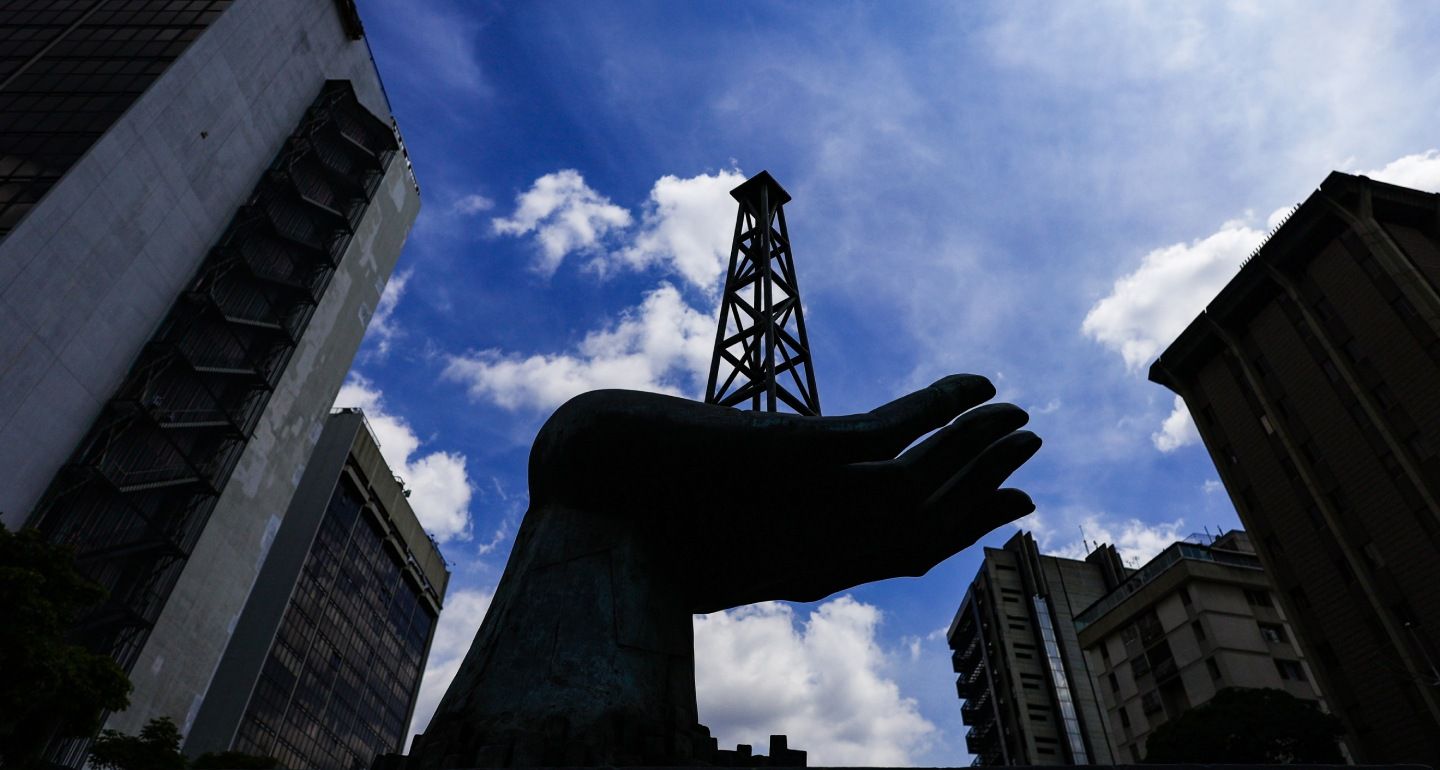
Geological complexity and years of mismanagement mean the Venezuelan oil industry is not the big prize officials in Moscow and Washington appear to believe.
Sergey Vakulenko
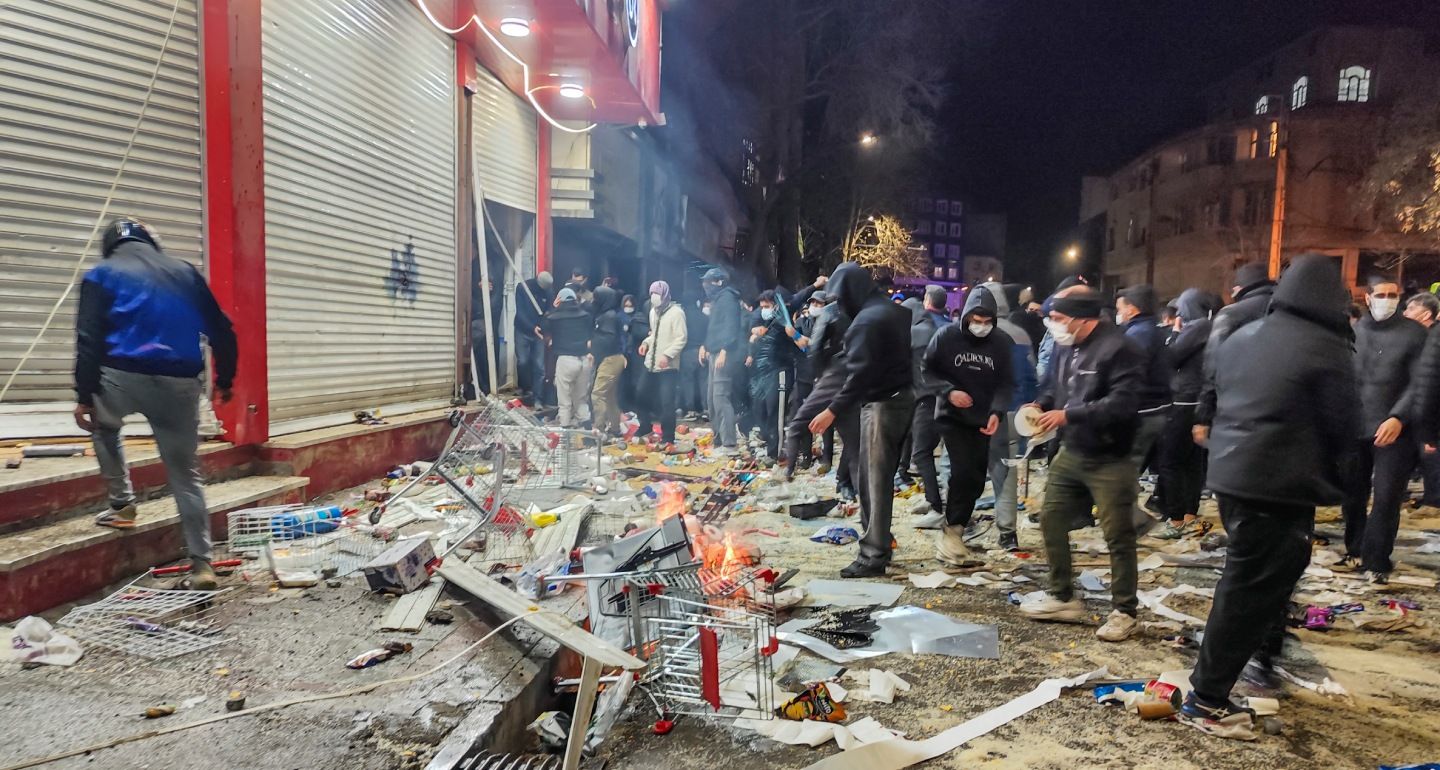
It’s one thing to export Russian helicopters to Iran to fight the insurgency, and it’s easy to imagine Moscow becoming a haven for fleeing Iranian leaders. But it’s very difficult to imagine Russian troops defending the Iranian regime on the ground.
Nikita Smagin