

Commentary
Unexpectedly, Trump’s America appears to have replaced Putin’s Russia’s as the world’s biggest disruptor.
Alexander Baunov
{
  "authors": [
    "Marc Pierini"
  ],
  "type": "legacyinthemedia",
  "centerAffiliationAll": "",
  "centers": [
    "Carnegie Endowment for International Peace",
    "Carnegie Europe"
  ],
  "collections": [
    "EU Integration and Enlargement"
  ],
  "englishNewsletterAll": "",
  "nonEnglishNewsletterAll": "",
  "primaryCenter": "Carnegie Europe",
  "programAffiliation": "",
  "programs": [
    "Europe"
  ],
  "projects": [],
  "regions": [
    "Europe",
    "Western Europe",
    "Iran"
  ],
  "topics": [
    "EU"
  ]
}
Europe’s Schengen zone, which allows Europeans to travel freely across the continent, is turning thirty. Faced with a major migration crisis, can the system survive?
Source: Euronews
Speaking to Euronews’ On the Frontline, Marc Pierini was asked to comment on the threats facing the Schengen zone. He was joined by Sergio Carrera from the Centre for European Policy Studies (CEPS) and Viviane Reding, Member of the European Parliament and former Vice-President of the European Commission.Carnegie does not take institutional positions on public policy issues; the views represented herein are those of the author(s) and do not necessarily reflect the views of Carnegie, its staff, or its trustees.
Unexpectedly, Trump’s America appears to have replaced Putin’s Russia’s as the world’s biggest disruptor.
Alexander Baunov
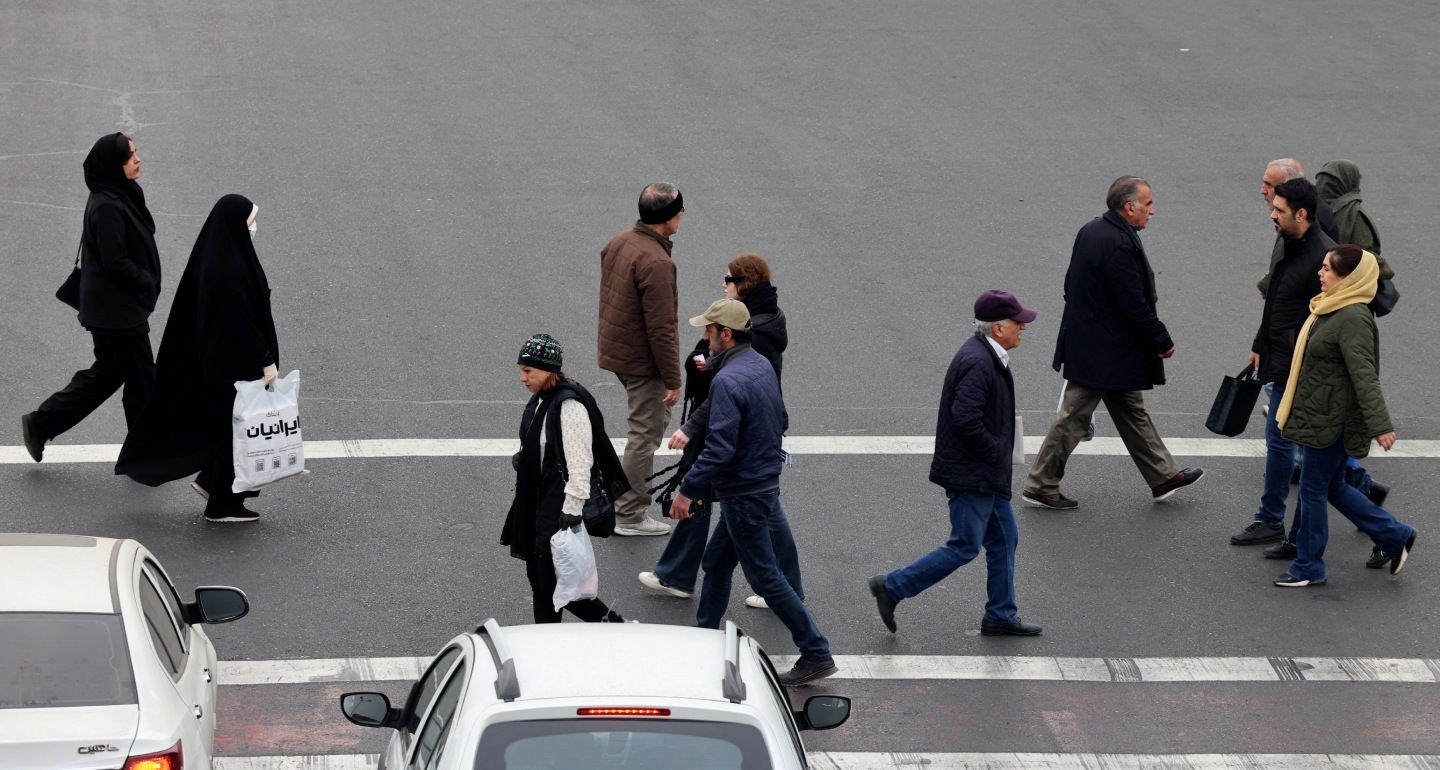
Baku may allow radical nationalists to publicly discuss “reunification” with Azeri Iranians, but the president and key officials prefer not to comment publicly on the protests in Iran.
Bashir Kitachaev
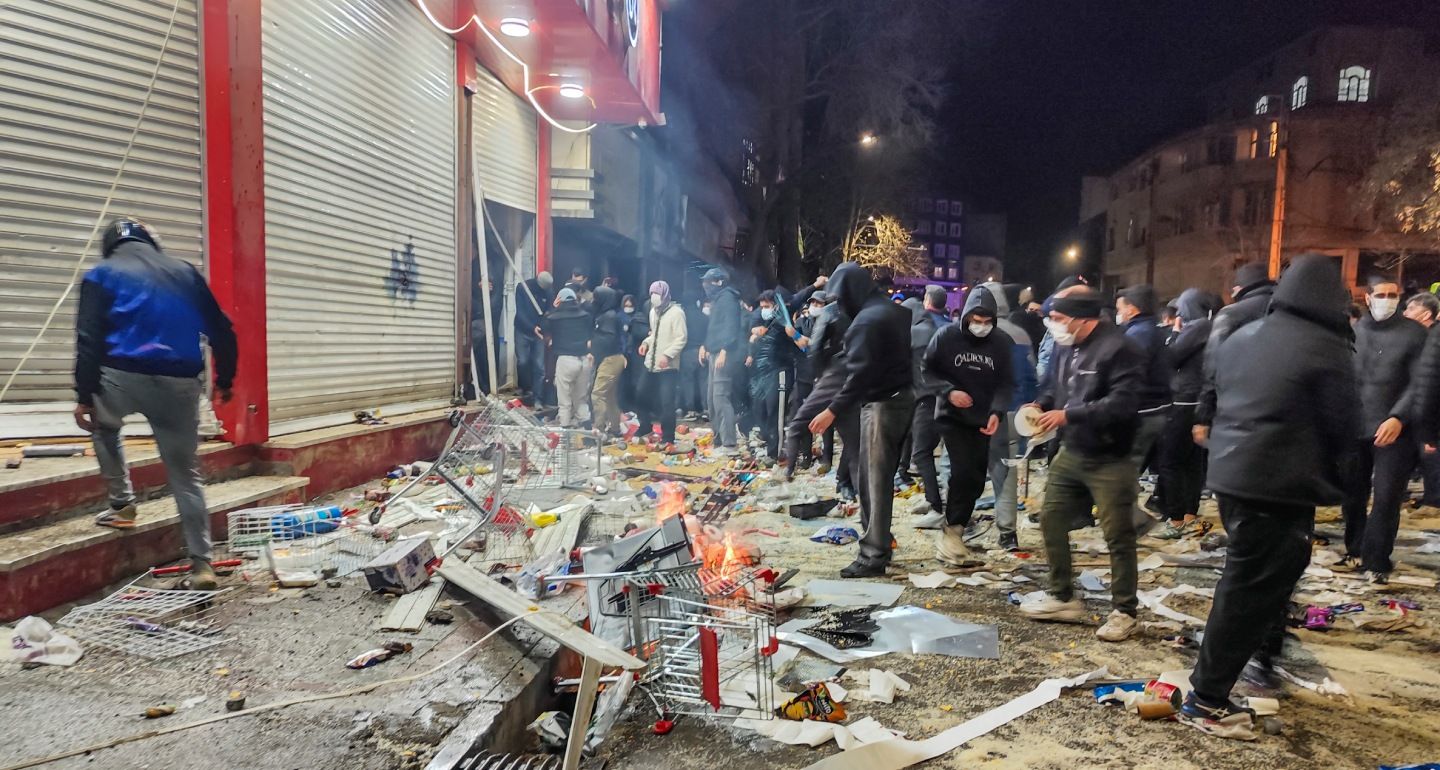
It’s one thing to export Russian helicopters to Iran to fight the insurgency, and it’s easy to imagine Moscow becoming a haven for fleeing Iranian leaders. But it’s very difficult to imagine Russian troops defending the Iranian regime on the ground.
Nikita Smagin
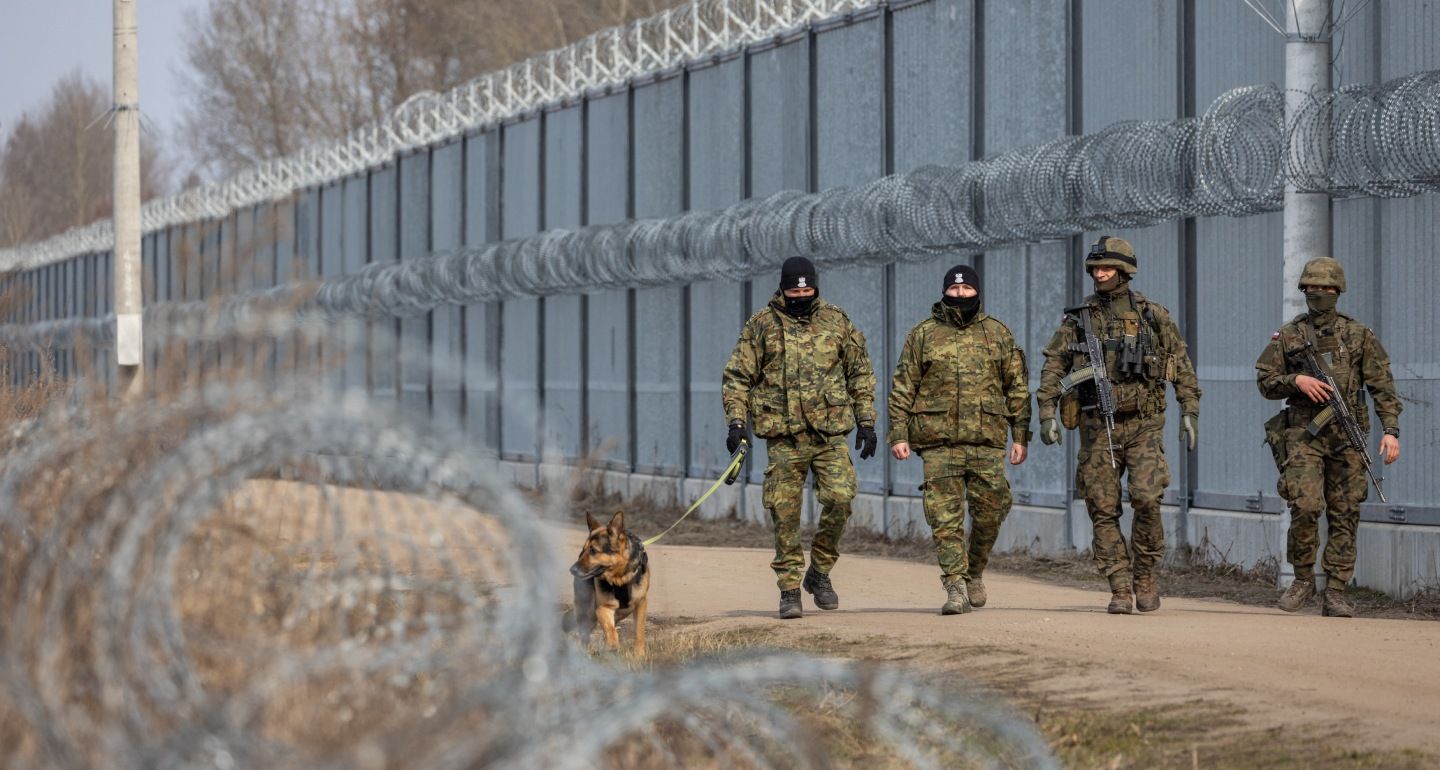
The future of the Belarus track will depend less on Minsk’s intentions than on whether the EU can move beyond symbolic unity and adopt a strategic approach toward a neighbor central to Europe’s security architecture. Without a more active EU role, these processes will unfold under conditions set entirely by Minsk and Moscow.
Balázs Jarábik
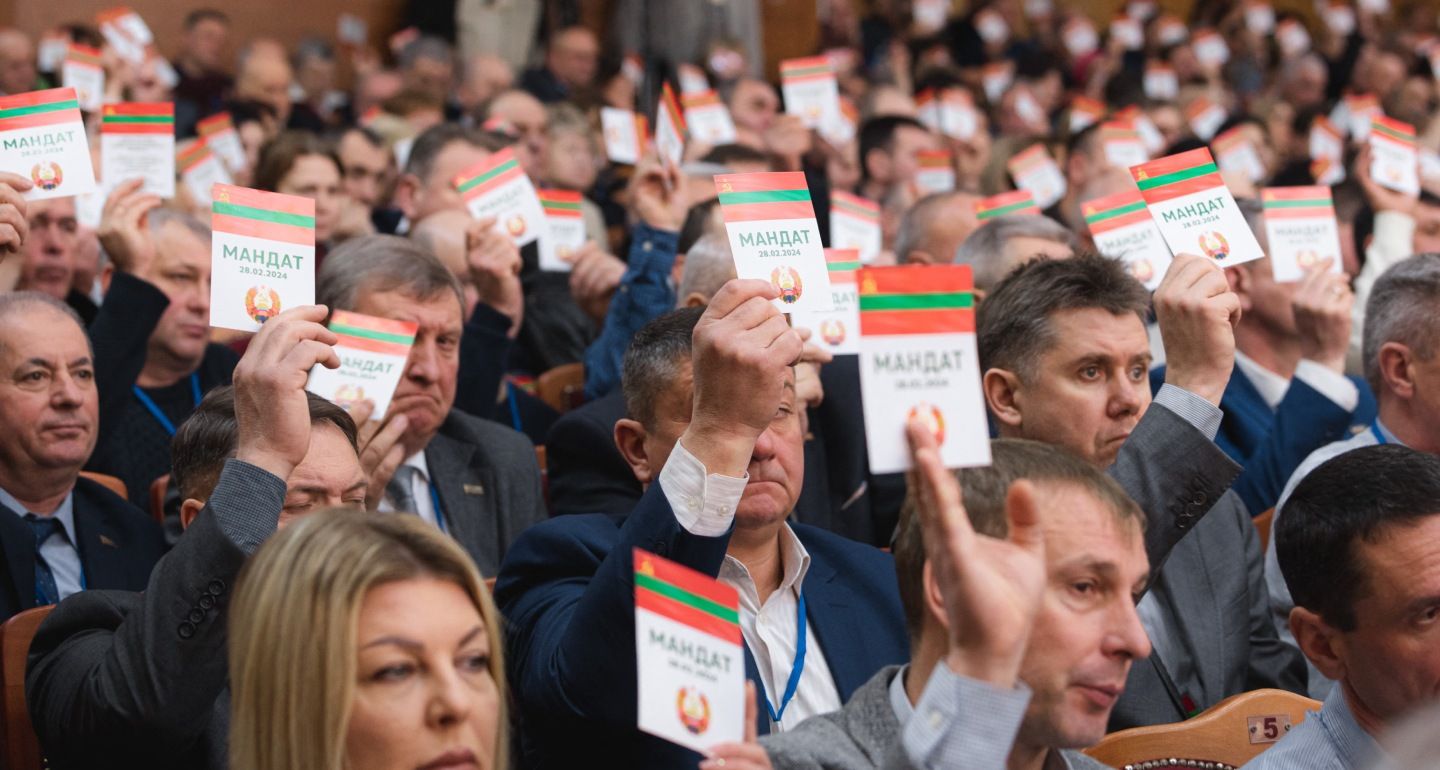
The issue of withdrawing troops and tons of ammunition from the left bank of the Dniester River requires discussion with Russia, and the Moldovan authorities are not yet ready for that.
Vladimir Solovyov