

Commentary
What should happen when sanctions designed to weaken the Belarusian regime end up enriching and strengthening the Kremlin?
Denis Kishinevsky
{
  "authors": [
    "Andrew S. Weiss"
  ],
  "type": "legacyinthemedia",
  "centerAffiliationAll": "",
  "centers": [
    "Carnegie Endowment for International Peace",
    "Malcolm H. Kerr Carnegie Middle East Center"
  ],
  "collections": [],
  "englishNewsletterAll": "",
  "nonEnglishNewsletterAll": "",
  "primaryCenter": "Carnegie Endowment for International Peace",
  "programAffiliation": "",
  "programs": [
    "Russia and Eurasia"
  ],
  "projects": [],
  "regions": [
    "North America",
    "Middle East",
    "Syria",
    "Russia",
    "Levant"
  ],
  "topics": [
    "Political Reform",
    "Foreign Policy"
  ]
}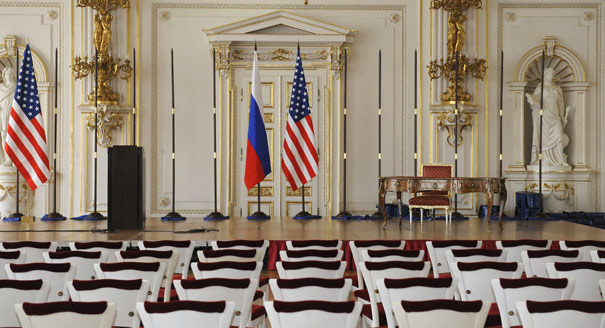
Last week’s conversation between the defense chiefs of the United States and Russia demonstrates the important role that Syria has come to play in U.S.-Russia relations.
Source: KCRW’s To the Point
On Friday, the defense chiefs of the United States and Russia held their first talks in over a year. The topic? Syria. Andrew Weiss spoke with Warren Olney on To The Point about what this means for the future of the U.S.-Russia relationship, and for the situation in Syria.
Regarding the new Russian air base in Syria, Weiss said that one motivation for this conversation between the defense chiefs was a desire to clarify Russia's intentions in Syria. Weiss saw this recent activity in some ways as a public relations gesture that allows Putin to come to the UN General Assembly and direct the conversation towards Syria and away from Ukraine.In response to the claim that by stepping up its activity in Syria, Russia is trying to replace the United States as a factor in the Middle East, Weiss argued that while the Russians are definitely more active in the region than they have been in decades, and that Iraq, Egypt, and Saudi Arabia see Russia as a useful friend, the center of gravity for the international system is still the United States, and Russia is not in a position to replace Washington in the Middle East and North Africa.
Carnegie does not take institutional positions on public policy issues; the views represented herein are those of the author(s) and do not necessarily reflect the views of Carnegie, its staff, or its trustees.
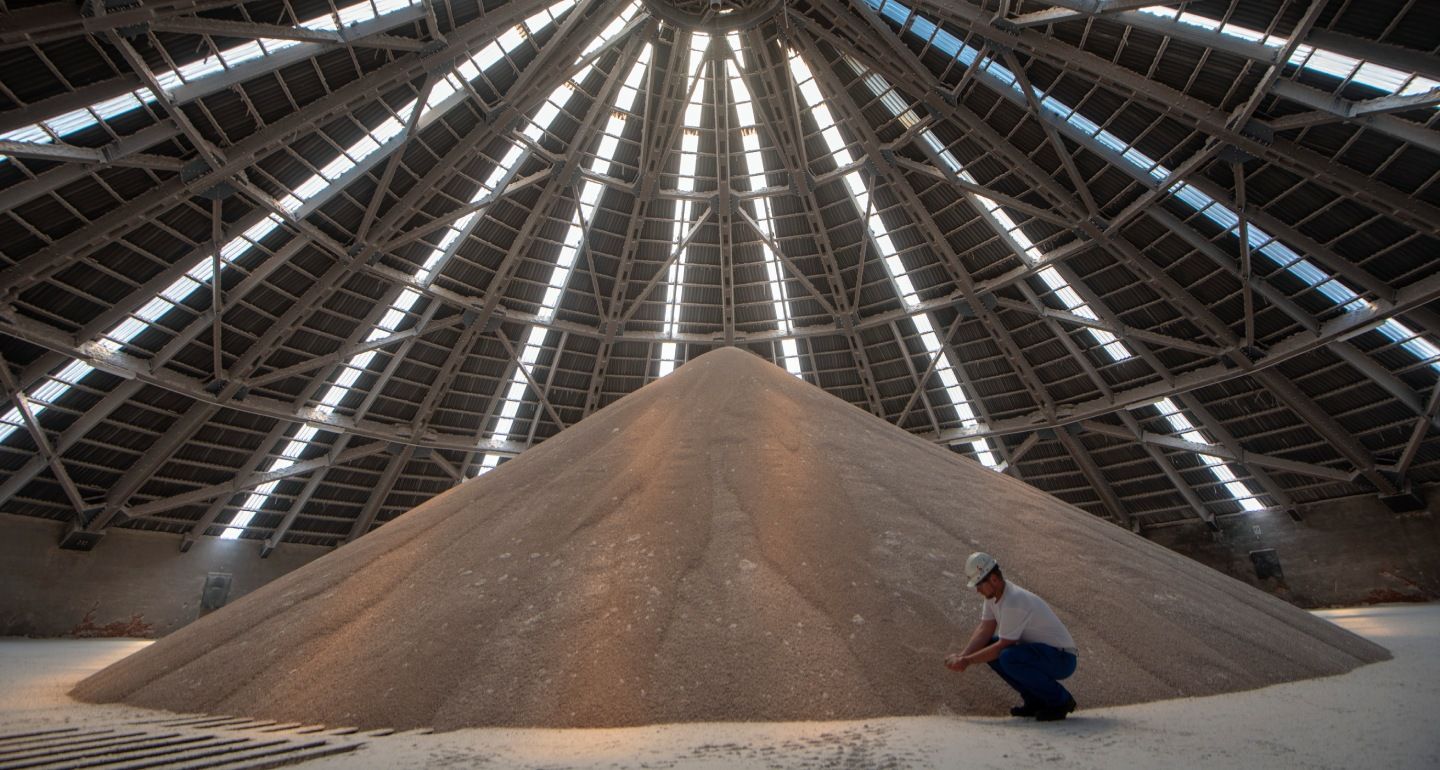
What should happen when sanctions designed to weaken the Belarusian regime end up enriching and strengthening the Kremlin?

Denis Kishinevsky
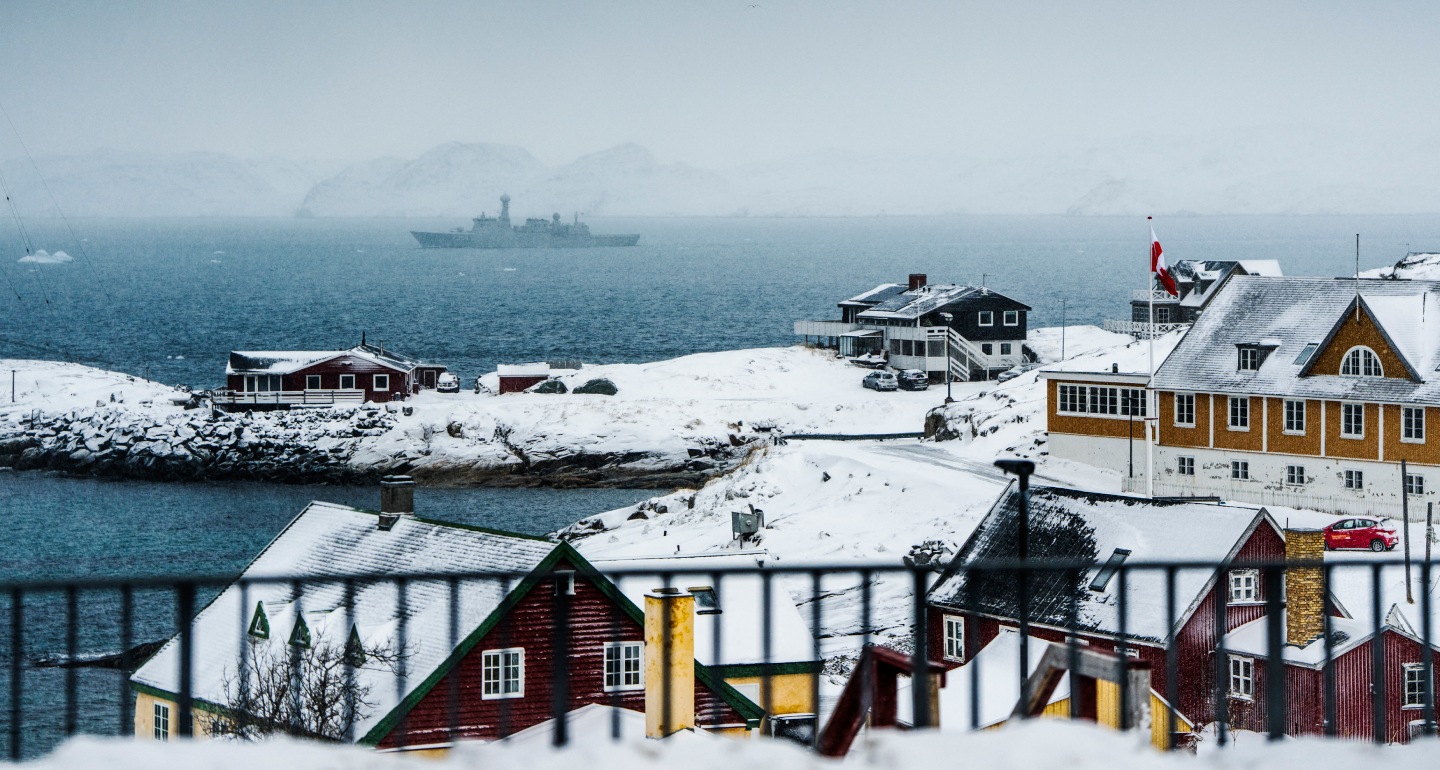
The supposed threats from China and Russia pose far less of a danger to both Greenland and the Arctic than the prospect of an unscrupulous takeover of the island.

Andrei Dagaev
Western negotiators often believe territory is just a bargaining chip when it comes to peace in Ukraine, but Putin is obsessed with empire-building.
Andrey Pertsev
Unexpectedly, Trump’s America appears to have replaced Putin’s Russia’s as the world’s biggest disruptor.
Alexander Baunov
Baku may allow radical nationalists to publicly discuss “reunification” with Azeri Iranians, but the president and key officials prefer not to comment publicly on the protests in Iran.

Bashir Kitachaev