

Commentary
What should happen when sanctions designed to weaken the Belarusian regime end up enriching and strengthening the Kremlin?
Denis Kishinevsky
{
  "authors": [
    "Marc Pierini"
  ],
  "type": "commentary",
  "centerAffiliationAll": "",
  "centers": [
    "Carnegie Endowment for International Peace",
    "Carnegie Europe"
  ],
  "collections": [
    "Coronavirus"
  ],
  "englishNewsletterAll": "",
  "nonEnglishNewsletterAll": "",
  "primaryCenter": "Carnegie Europe",
  "programAffiliation": "",
  "programs": [],
  "projects": [],
  "regions": [
    "Europe",
    "Eastern Europe",
    "Western Europe"
  ],
  "topics": [
    "EU",
    "Political Reform"
  ]
}
Peace and stability have largely prevailed across the EU in recent decades, but its current generation of leaders now face a critical test of resilience.
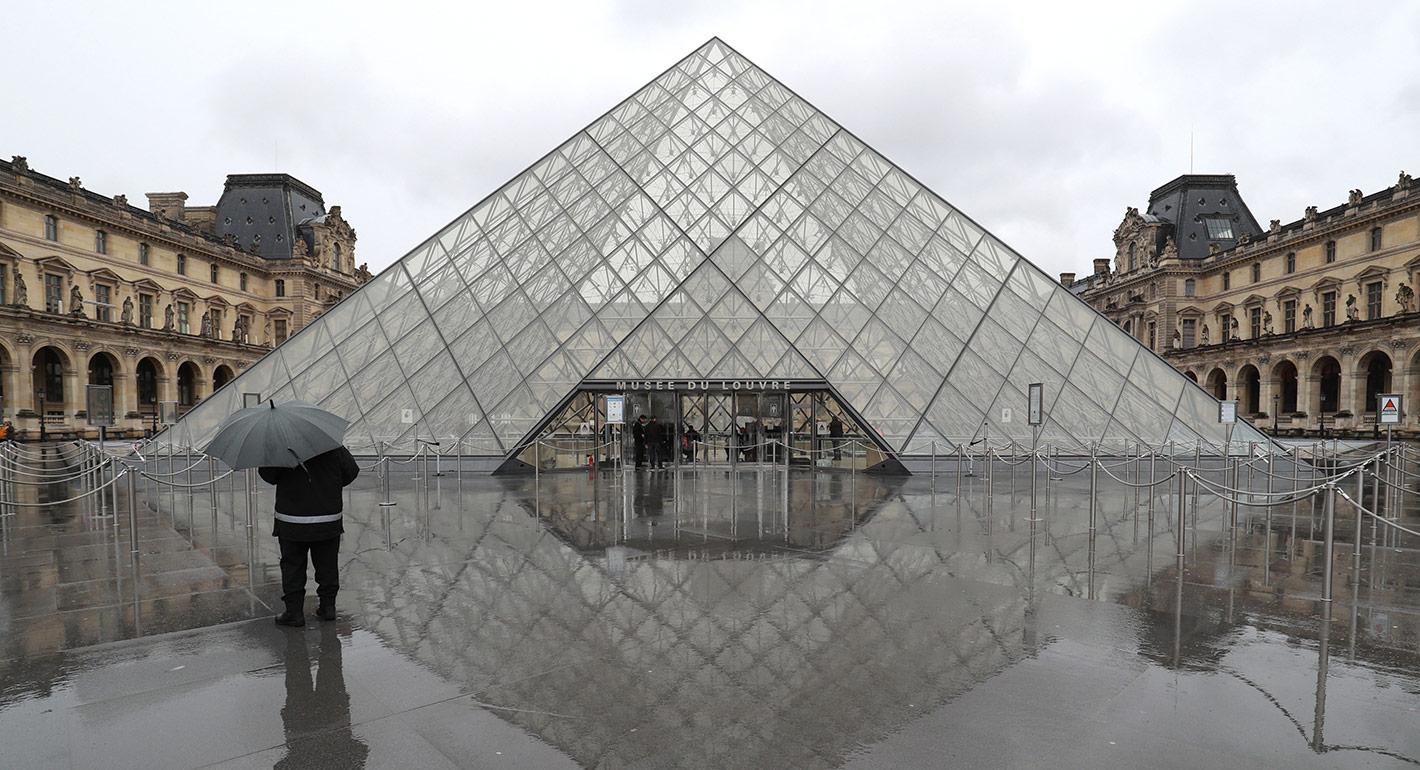
Since the onset of the novel coronavirus pandemic, Europeans of all ages have undergone a surreal disruption of their work, private lives, and freedom of movement amid massive economic dislocation. Among the additional impacts are an immense burden on healthcare and security personnel, widespread suffering, and uncertainty about whether the crisis will last months or longer. For all the much-needed talk of individual and collective responsibility, the challenge will be staggeringly hard to manage.
Despite the various economic crises, social inequities, terrorist threats, migration pressures, and populist turbulence the EU has weathered in recent decades, Europeans have nevertheless enjoyed enduring peace, nearly unlimited freedoms, easy travel, and generous welfare systems. The EU has even absorbed the historic shock of Brexit.
Yet Europeans have now seen their leaders caught unprepared for a global pandemic, scrambling to respond without ready-to-roll emergency plans or critical stockpiles of diagnostic tests, respirators, masks, or hand sanitizer. Some governments at first tried to limit disruptions, but the recourse to almost total confinement has become the only way to stave off mounting death tolls in overwhelmed hospitals and health systems. Risk assessments were only recently upgraded to “high” or “very high.”
The hardships of crisis are not new to all Europeans, of course. I was born in southern France in 1947, the year before the launch of the Marshall Plan, two years before the founding of NATO, and three years before the Schuman Declaration—each a founding pillar of today’s Europe. I was fed on rationing tickets in my early childhood, and then for years I listened to constant invocations of World War II. That legacy of collective burden endured alongside efforts to heal the war’s deep wounds.
Soon the European Community endeavors started, followed later by the European Union. Reconstruction and peace became European hallmarks, thanks to the founding fathers’ vision, statesmanship, and persistence. “Never again” was the mantra. It still is.
Over the years, in millions of European families, the page of hatred was patiently turned. After I joined the European Commission in December 1976, I casually explained to my father that three of the five high officials above me were German. I was met with a long silence.
The pandemic offers tough lessons for leading EU politicians, all born long after 1950. They didn’t foresee a crisis of this scale, or at least they didn’t believe the risks enough to act upon them. Yet there was no shortage of warnings and studies, in Europe and the United States, that called for greater preparedness.
On the evening of March 16, it was striking to hear French President Emmanuel Macron, German Chancellor Angela Merkel, and Dutch Prime Minister Mark Rutte implore their citizens to behave seriously. Days earlier, Italian Prime Minister Giuseppe Conte and Spanish Prime Minister Pedro Sánchez had done the same. Their somber tones and unusual gravitas, the repetition of Macron’s and Sánchez’s speeches, and the exceptionalism of Rutte’s speech (the Netherlands’ first national address by a prime minister in more than forty years) signaled to their citizens how worried their leaders are.
In the very short term, the pandemic may have a silver lining. With the almighty EU states overwhelmed, many actions fall to European citizens, who are individually and collectively empowered to slow the spread of the outbreak by flattening the curve of infections.
In the medium term, governments could learn valuable lessons about the national and EU-level preparedness measures needed to improve civil security. Leaders will have to agree on disaster scenarios, emergency plans, and strategic stockpiles—while maintaining control of elements critical to their citizens’ well-being, such as pharmaceutical plants and research laboratories.
Should the EU fail to apply the lessons of the coronavirus pandemic, it could come under renewed attack from both extremes of the political spectrum. Populist forces in particular will exploit the fear and sense of powerlessness generated by the pandemic to campaign against the EU’s mainstream parties and policies. To ensure its stability, the EU must offer European citizens the level of protection they rightly expect. The months ahead will present a critical test.
Carnegie does not take institutional positions on public policy issues; the views represented herein are those of the author(s) and do not necessarily reflect the views of Carnegie, its staff, or its trustees.
What should happen when sanctions designed to weaken the Belarusian regime end up enriching and strengthening the Kremlin?
Denis Kishinevsky
The supposed threats from China and Russia pose far less of a danger to both Greenland and the Arctic than the prospect of an unscrupulous takeover of the island.
Andrei Dagaev
Western negotiators often believe territory is just a bargaining chip when it comes to peace in Ukraine, but Putin is obsessed with empire-building.
Andrey Pertsev
Unexpectedly, Trump’s America appears to have replaced Putin’s Russia’s as the world’s biggest disruptor.
Alexander Baunov
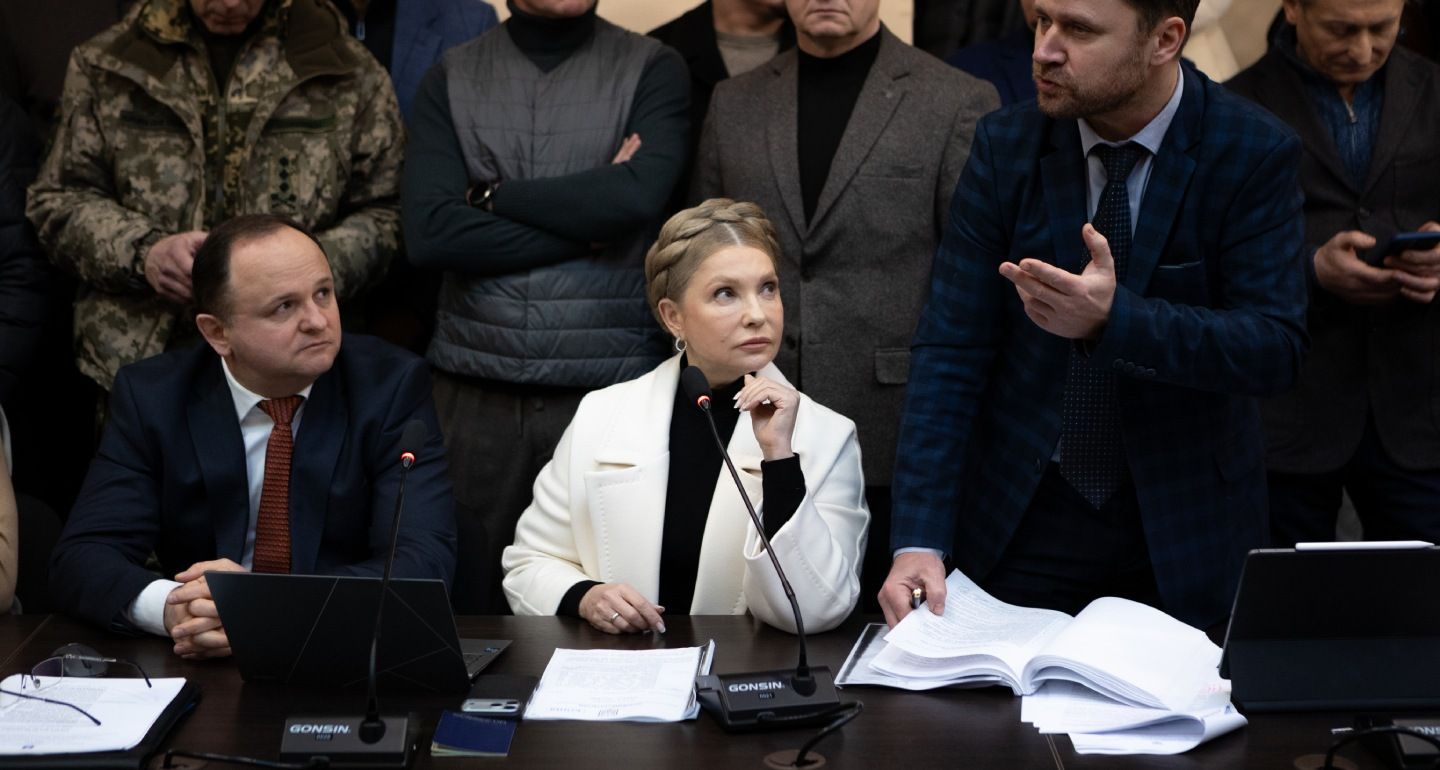
The story of a has-been politician apparently caught red-handed is intersecting with the larger forces at work in the Ukrainian parliament.
Konstantin Skorkin