

Commentary
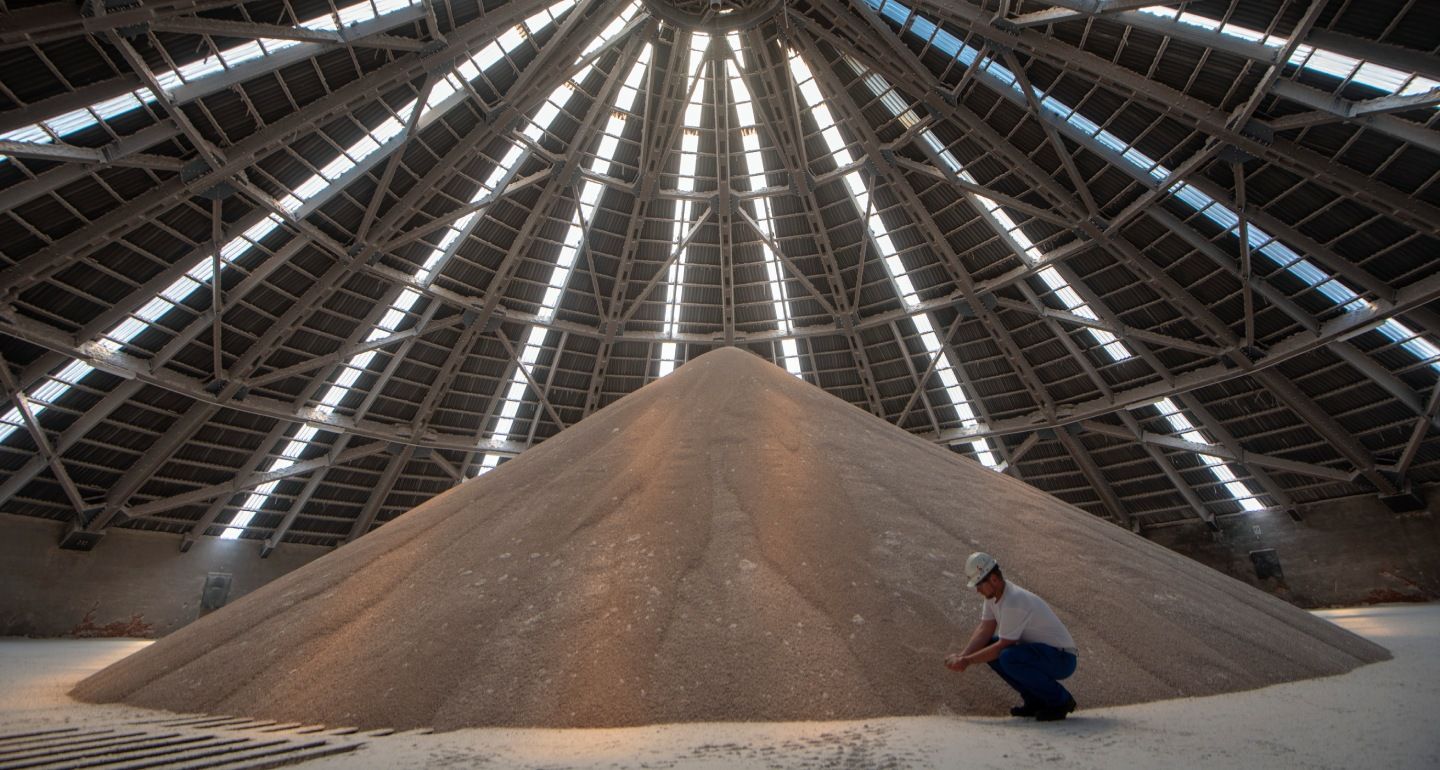
What should happen when sanctions designed to weaken the Belarusian regime end up enriching and strengthening the Kremlin?
Denis Kishinevsky
{
  "authors": [
    "Elina Noor",
    "Hunter Marston",
    "Bich Tran",
    "Richard Javad Heydarian"
  ],
  "type": "other",
  "centerAffiliationAll": "",
  "centers": [
    "Carnegie Endowment for International Peace"
  ],
  "collections": [
    "Dynamic Security Risks in Asia",
    "Southeast Asia’s Diverse Futures"
  ],
  "englishNewsletterAll": "",
  "nonEnglishNewsletterAll": "",
  "primaryCenter": "Carnegie Endowment for International Peace",
  "programAffiliation": "",
  "programs": [
    "Asia"
  ],
  "projects": [],
  "regions": [
    "East Asia",
    "China",
    "Southeast Asia"
  ],
  "topics": [
    "Economy",
    "Security",
    "Foreign Policy"
  ]
}
REQUIRED IMAGE
Southeast Asian countries have adopted an array of hedging tactics around the South China Sea to deepen engagement with China while bolstering their own domestic defense capabilities and simultaneously expanding security cooperation with a variety of external partners.
Carnegie does not take institutional positions on public policy issues; the views represented herein are those of the author(s) and do not necessarily reflect the views of Carnegie, its staff, or its trustees.
What should happen when sanctions designed to weaken the Belarusian regime end up enriching and strengthening the Kremlin?
Denis Kishinevsky
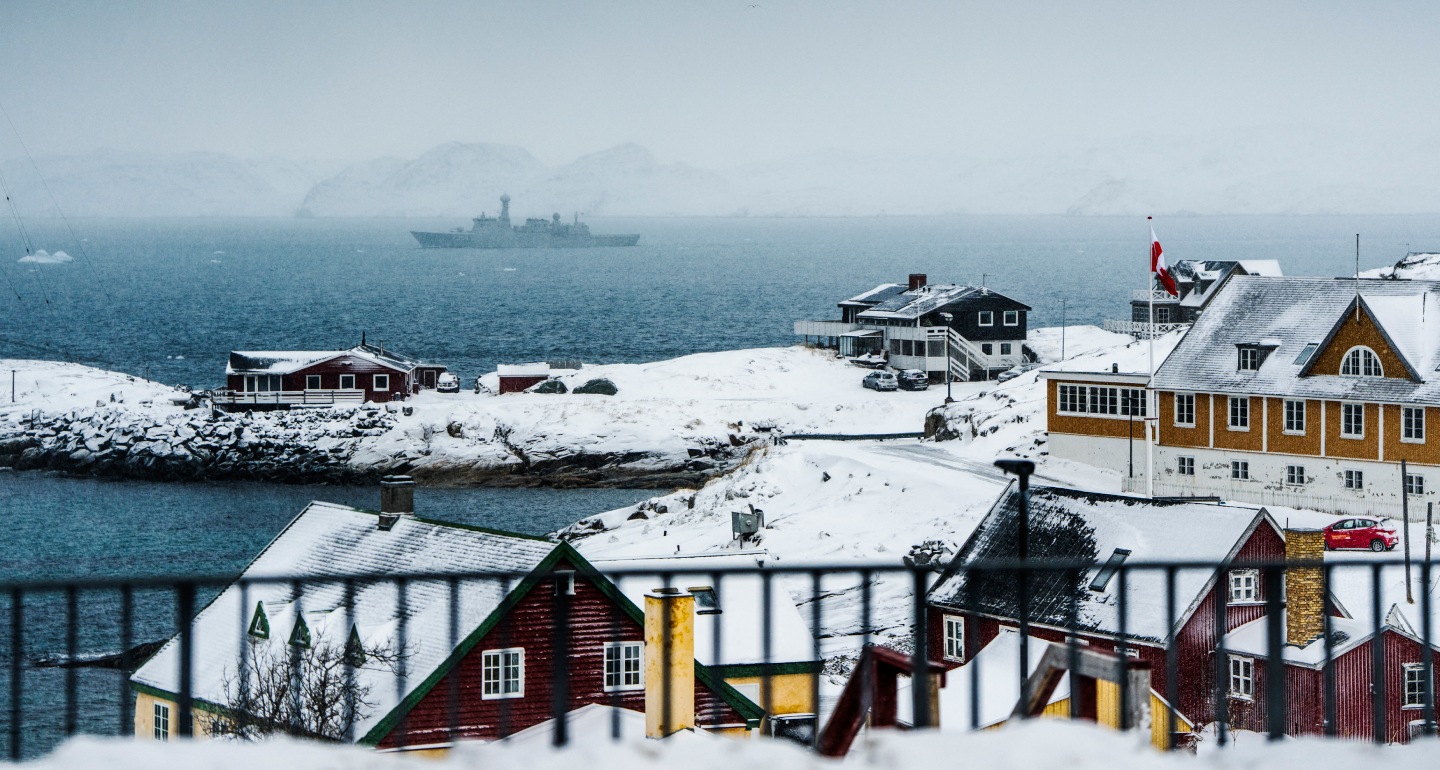
The supposed threats from China and Russia pose far less of a danger to both Greenland and the Arctic than the prospect of an unscrupulous takeover of the island.
Andrei Dagaev
Western negotiators often believe territory is just a bargaining chip when it comes to peace in Ukraine, but Putin is obsessed with empire-building.
Andrey Pertsev
Unexpectedly, Trump’s America appears to have replaced Putin’s Russia’s as the world’s biggest disruptor.
Alexander Baunov
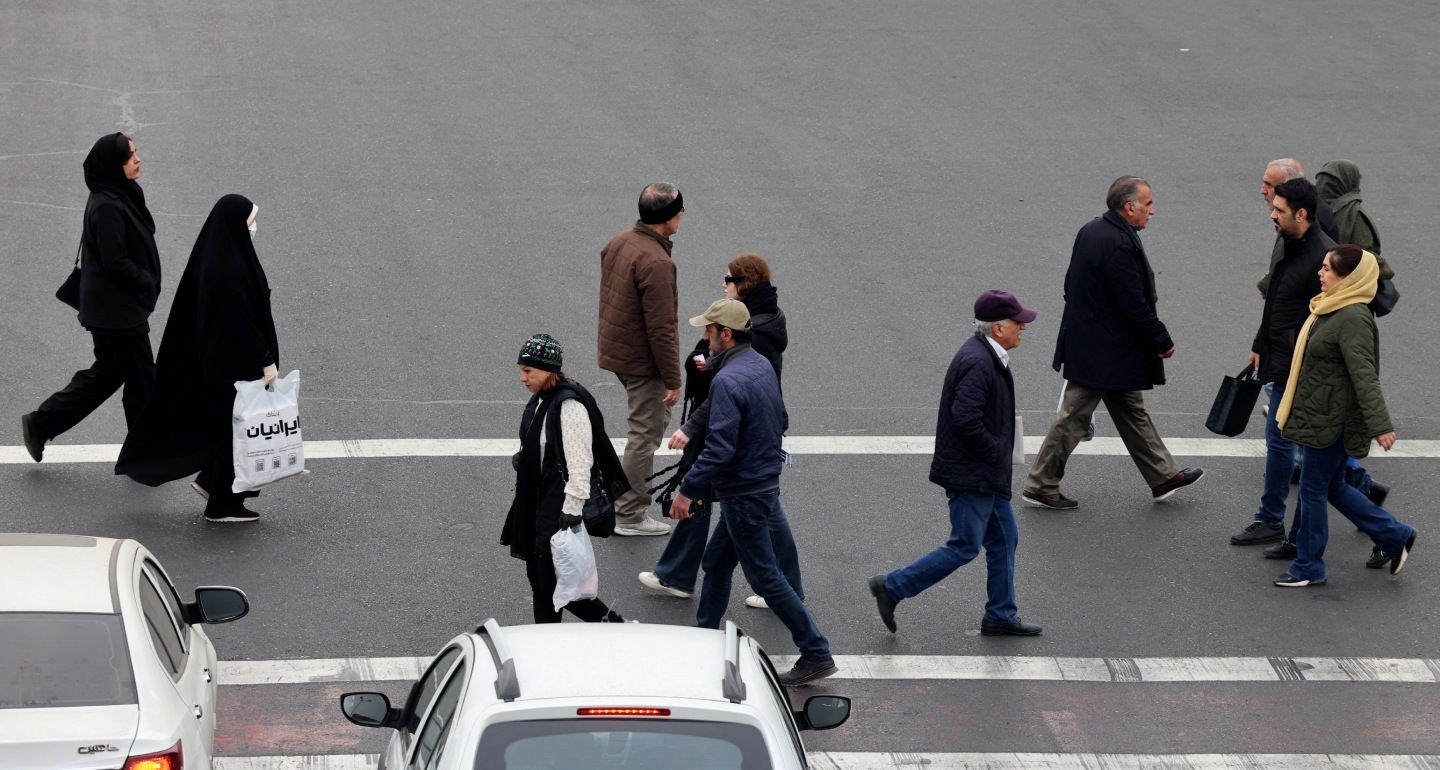
Baku may allow radical nationalists to publicly discuss “reunification” with Azeri Iranians, but the president and key officials prefer not to comment publicly on the protests in Iran.
Bashir Kitachaev