

Commentary
What should happen when sanctions designed to weaken the Belarusian regime end up enriching and strengthening the Kremlin?
Denis Kishinevsky
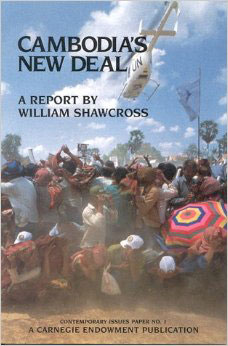
In a study sponsored by the Carnegie Endowment, William Shawcross, author of two previous books on Cambodia, details the steps leading to Cambodia's new coalition government; paints an intimate portrait of the national scene; and offers his own deeply knowledgeable perspective on the problems that a new Cambodia must face if it is to fully restore itself to national life.
Source: Washington, DC: Carnegie Endowment for International Peace, 1994
In May 1993, after two decades of civil war, the people of Cambodia boldly embraced peace as nearly 90 percent of registered voters cast ballots in a U.N.-sponsored election. In a study sponsored by the Carnegie Endowment, William Shawcross, author of two previous books on Cambodia (Sideshow: Kissinger, Nixon and the Destruction of Cambodia and The Quality of Mercy: Cambodia, Holocaust and Modern Conscience), details the steps leading to Cambodia's new coalition government; paints an intimate portrait of the national scene; and offers his own deeply knowledgeable perspective on the problems that a new Cambodia must face if it is to fully restore itself to national life.
Carnegie does not take institutional positions on public policy issues; the views represented herein are those of the author(s) and do not necessarily reflect the views of Carnegie, its staff, or its trustees.
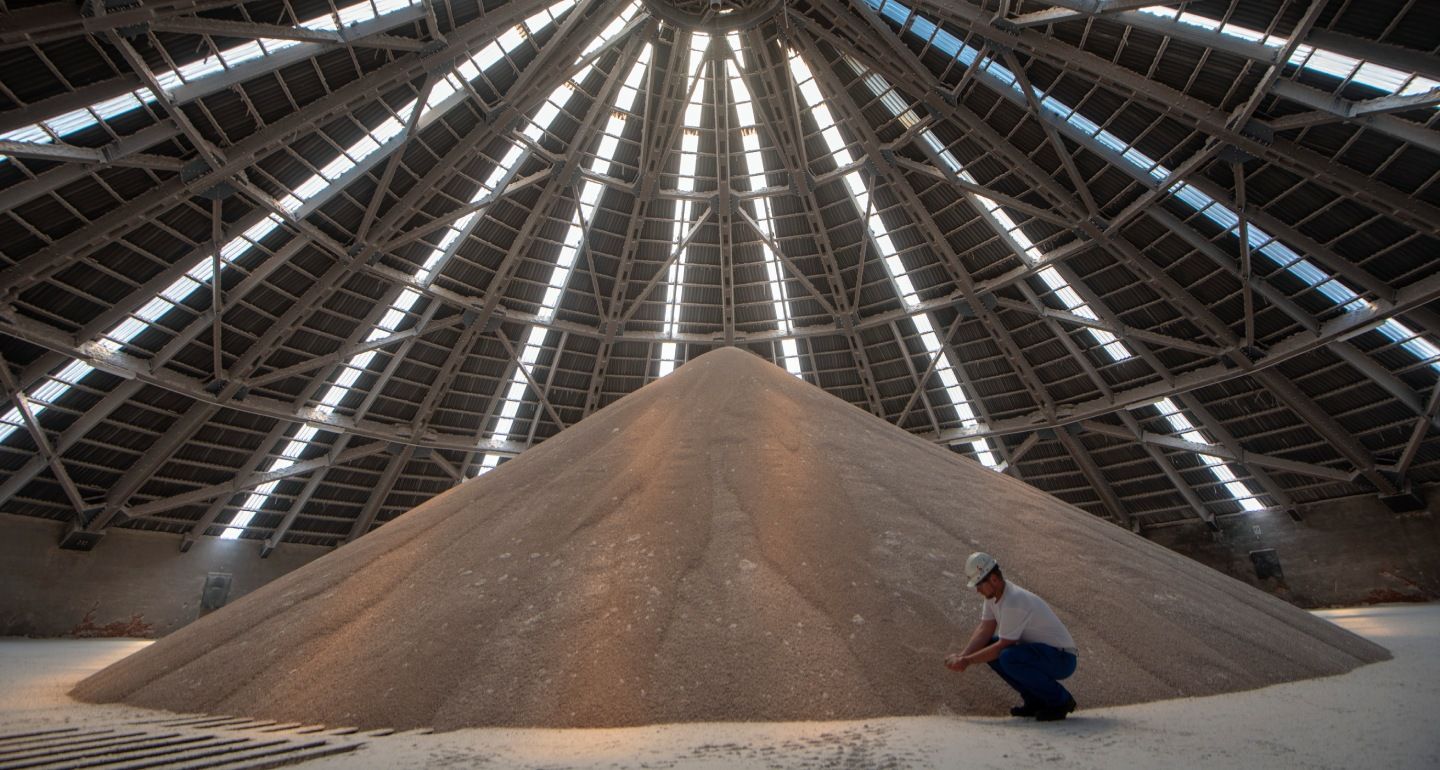
What should happen when sanctions designed to weaken the Belarusian regime end up enriching and strengthening the Kremlin?

Denis Kishinevsky
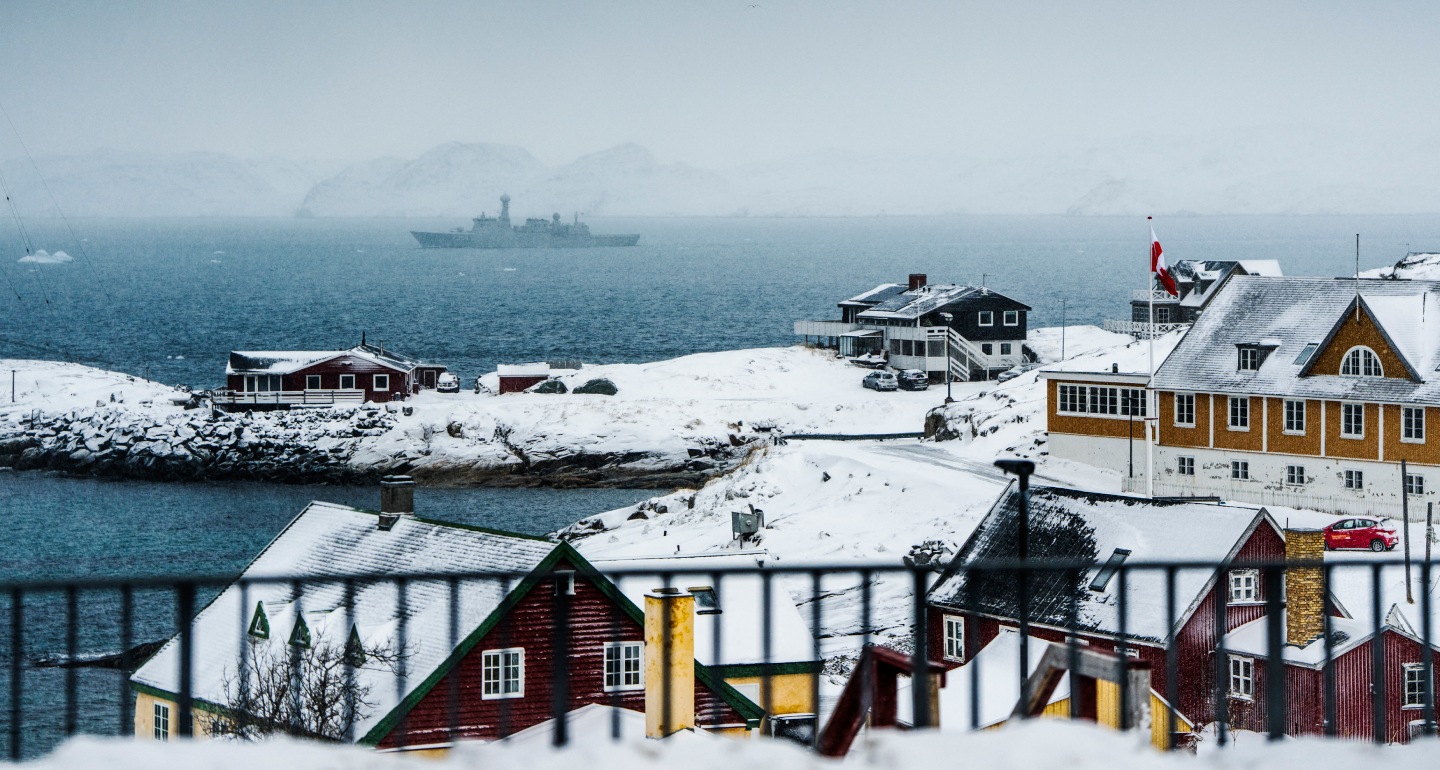
The supposed threats from China and Russia pose far less of a danger to both Greenland and the Arctic than the prospect of an unscrupulous takeover of the island.

Andrei Dagaev
Western negotiators often believe territory is just a bargaining chip when it comes to peace in Ukraine, but Putin is obsessed with empire-building.
Andrey Pertsev
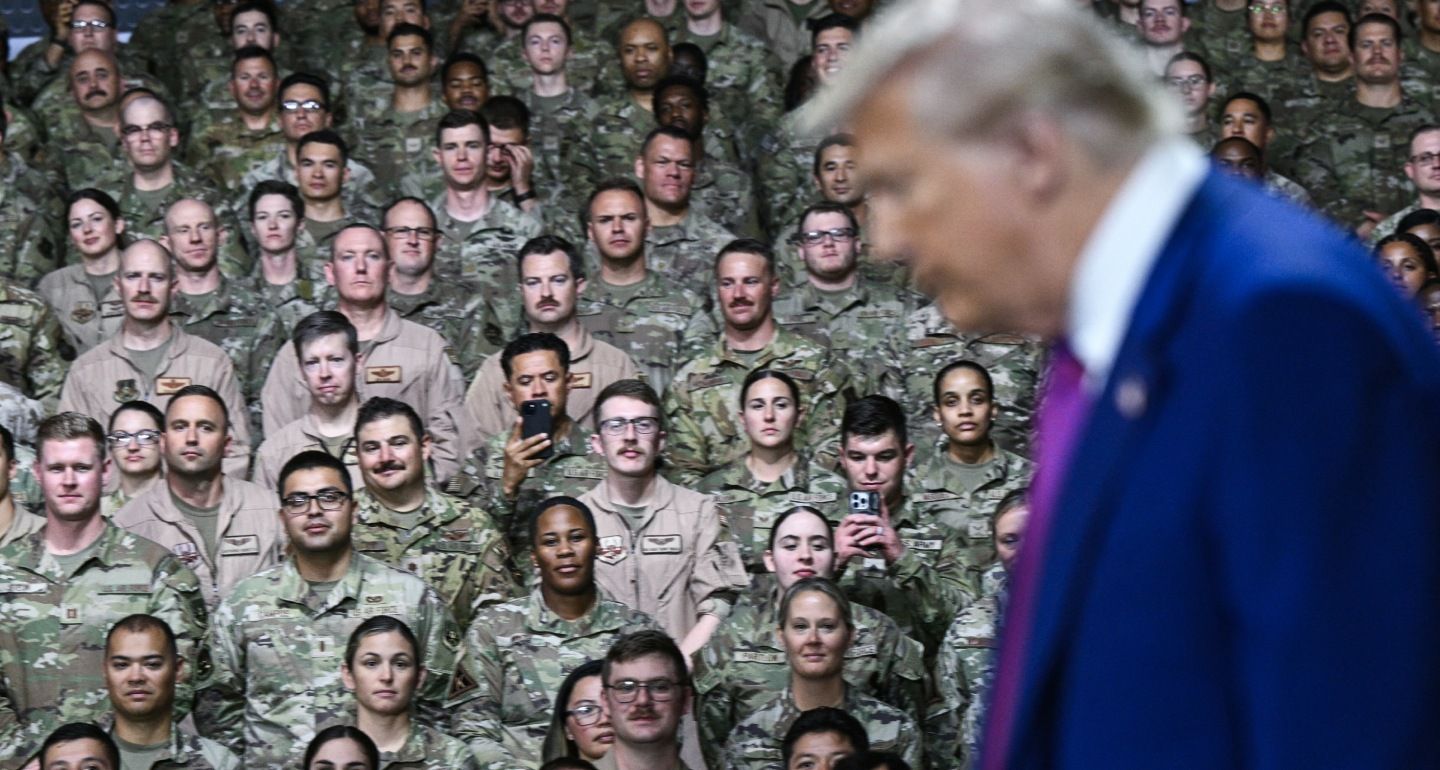
Unexpectedly, Trump’s America appears to have replaced Putin’s Russia’s as the world’s biggest disruptor.
Alexander Baunov
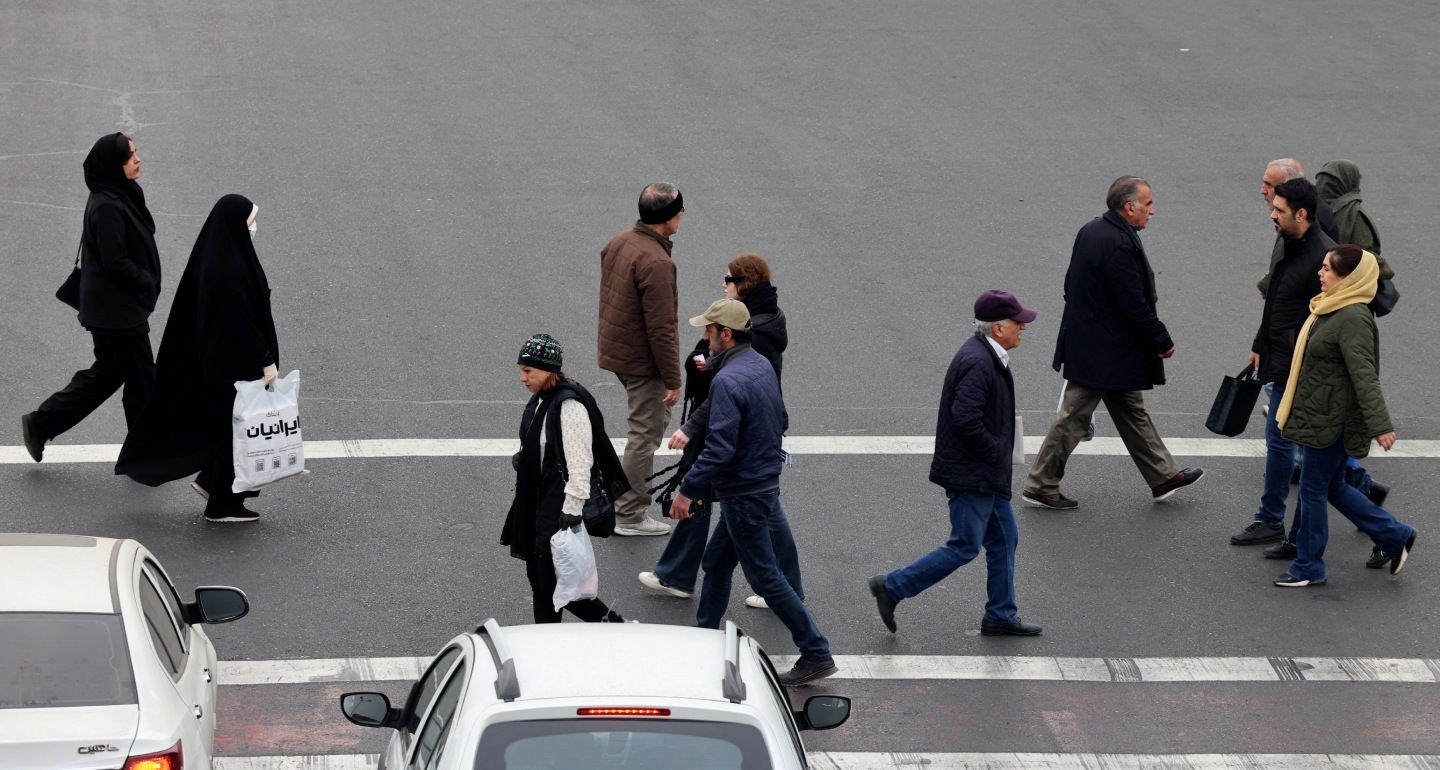
Baku may allow radical nationalists to publicly discuss “reunification” with Azeri Iranians, but the president and key officials prefer not to comment publicly on the protests in Iran.

Bashir Kitachaev