

{
  "authors": [
    "Joseph Cirincione",
    "Rose Gottemoeller"
  ],
  "type": "event",
  "centerAffiliationAll": "dc",
  "centers": [
    "Carnegie Endowment for International Peace"
  ],
  "collections": [],
  "englishNewsletterAll": "ctw",
  "nonEnglishNewsletterAll": "",
  "primaryCenter": "Carnegie Endowment for International Peace",
  "programAffiliation": "NPP",
  "programs": [
    "Nuclear Policy"
  ],
  "projects": [],
  "regions": [],
  "topics": []
}
Pakistan's Nuclear Dilemma
Wed, September 26th, 2001
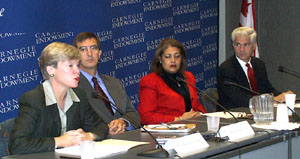
In the wake of the Sept. 11 terrorist attacks on the United States and U.S. efforts to engage Pakistan in a response to those attacks, the Islamabad government has come under tremendous pressure from its opponents, some of them allied to the Taliban government of Afghanistan. If Gen. Pervez Musharraf's government collapses in the face of this pressure, Pakistan's nuclear complex might be subject to takeover from extremist Islamic forces.
SHIRIN TAHIR-KHELI, director, South Asia Program, Johns Hopkins School of Advanced International Studies, discussed the overall political and security environment in Pakistan, including the status of existing flashpoints such as Kashmir.
GEORGE PERKOVICH, director of the Secure World Program, the W. Alton Jones Foundation, and one of the most knowledgeable and respected U.S. experts on South Asia, talked about the politics, status and structure of the Pakistani nuclear program.
ROSE GOTTEMOELLER, Carnegie Endowment senior associate and former assistant secretary of energy for nonproliferation in the U.S. Dept. of Energy, described how techniques of threat reduction cooperation might apply in Pakistan.
JOSEPH CIRINCIONE, Carnegie Non-Proliferation Project director, moderated the event.
___________________________________________
Additional Resources:
Carnegie India does not take institutional positions on public policy issues; the views represented herein are those of the author(s) and do not necessarily reflect the views of Carnegie, its staff, or its trustees.
Event Speakers
Former Senior Associate, Director for NonProliferation

Nonresident Senior Fellow, Nuclear Policy Program
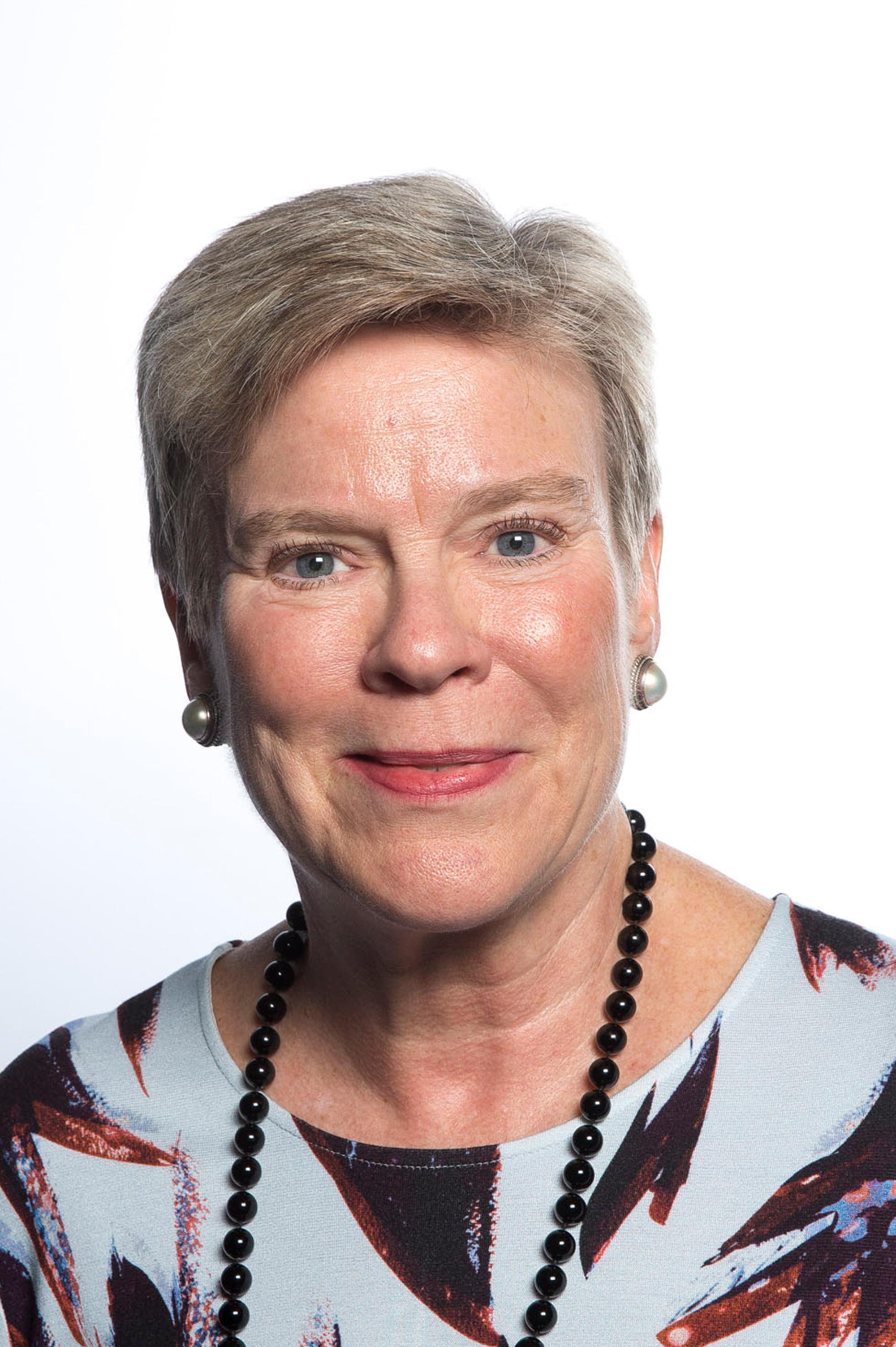
Rose Gottemoeller is a nonresident senior fellow in Carnegie’s Nuclear Policy Program. She also serves as lecturer at Stanford University’s Freeman Spogli Institute for International Studies and is a research fellow at the Hoover Institution. Ambassador Gottemoeller served as the deputy secretary general of NATO from 2016 to 2019.